


Jack vs XLR: A Practical Guide for Audio Equipment Manufacturers and OEM/ODM Brands
- Why This Comparison Matters in Audio Manufacturing
When you’re building professional audio products, connectors are more than small parts—they determine how reliable the system feels.
For OEM and ODM manufacturers, choosing between Jack and XLR affects not only sound performance but also product durability, safety, and compliance with U.S. standards.
Connectors Define Reliability
In every audio system, a signal is only as strong as its weakest link. A solid connector means fewer signal interruptions and fewer returns. That’s why experienced engineers at OEM factories treat connector selection as a core design decision, not an afterthought.
U.S. Market Requirements
The U.S. professional audio market expects consistent quality and adherence to certifications like UL, AES, and RoHS.
Distributors and system integrators need connectors that are safe, compatible, and easy to service. A design that passes in China must also satisfy North American compliance checks before it reaches the stage or studio.
- Jack Connectors – Compact, Simple, and Familiar
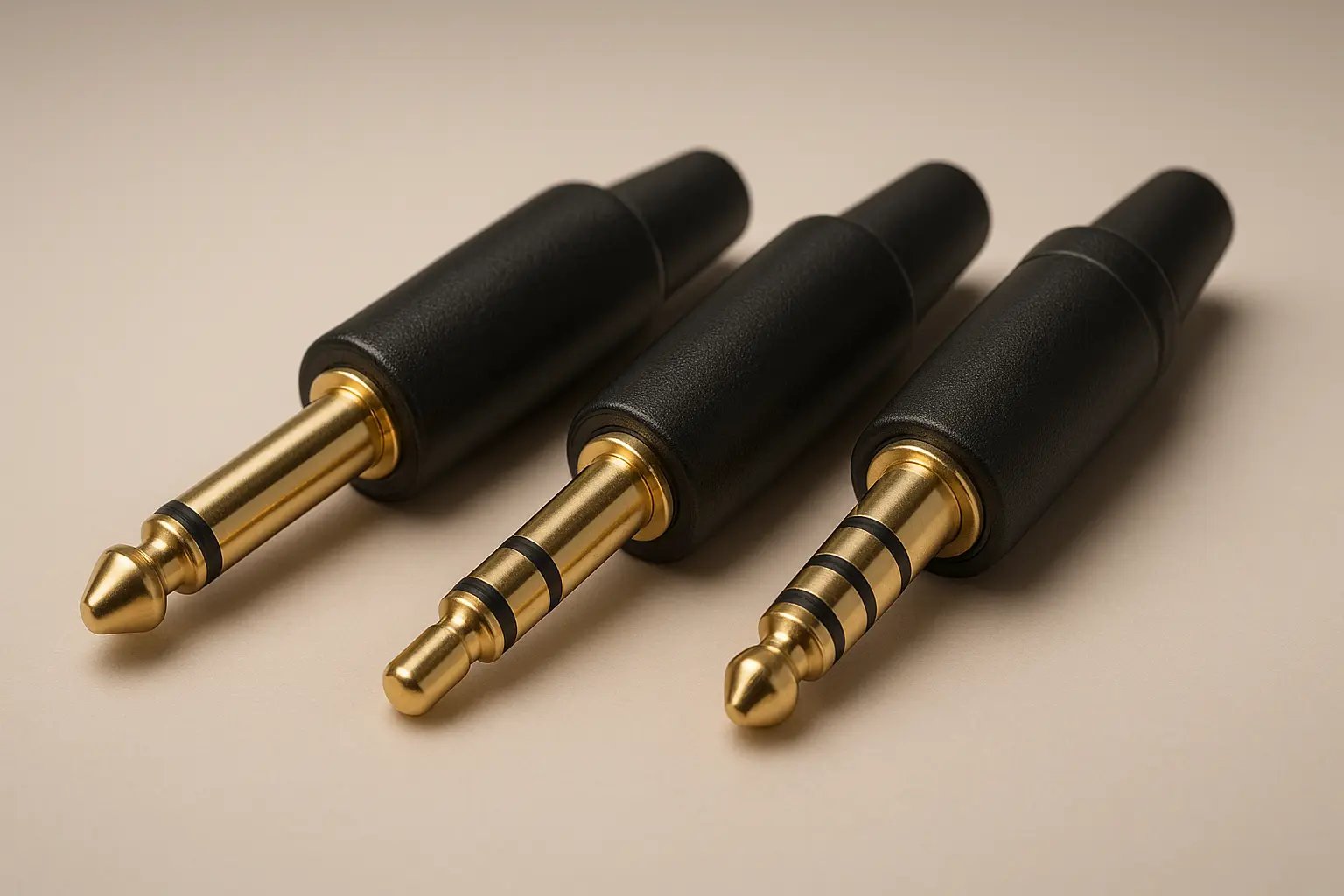
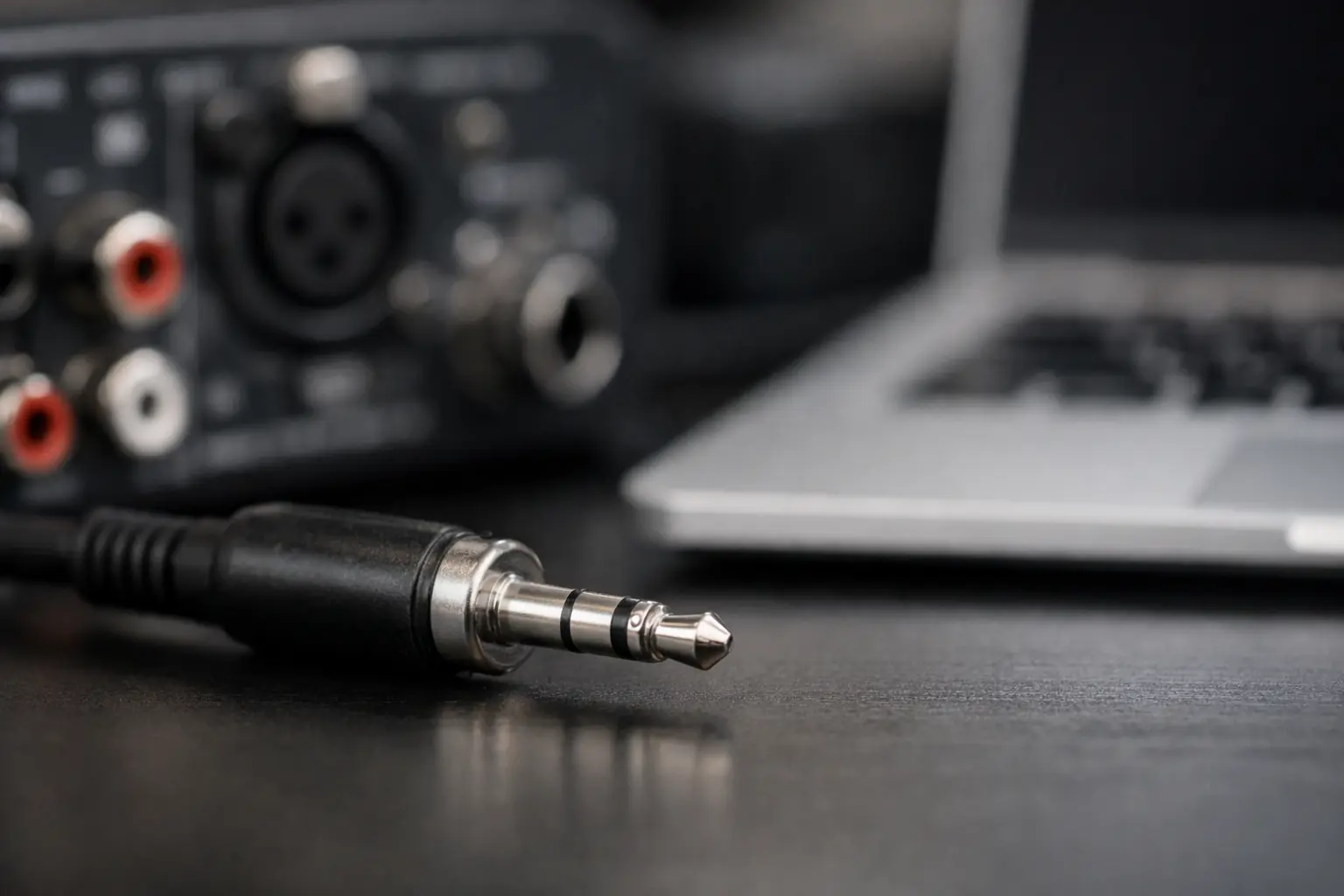
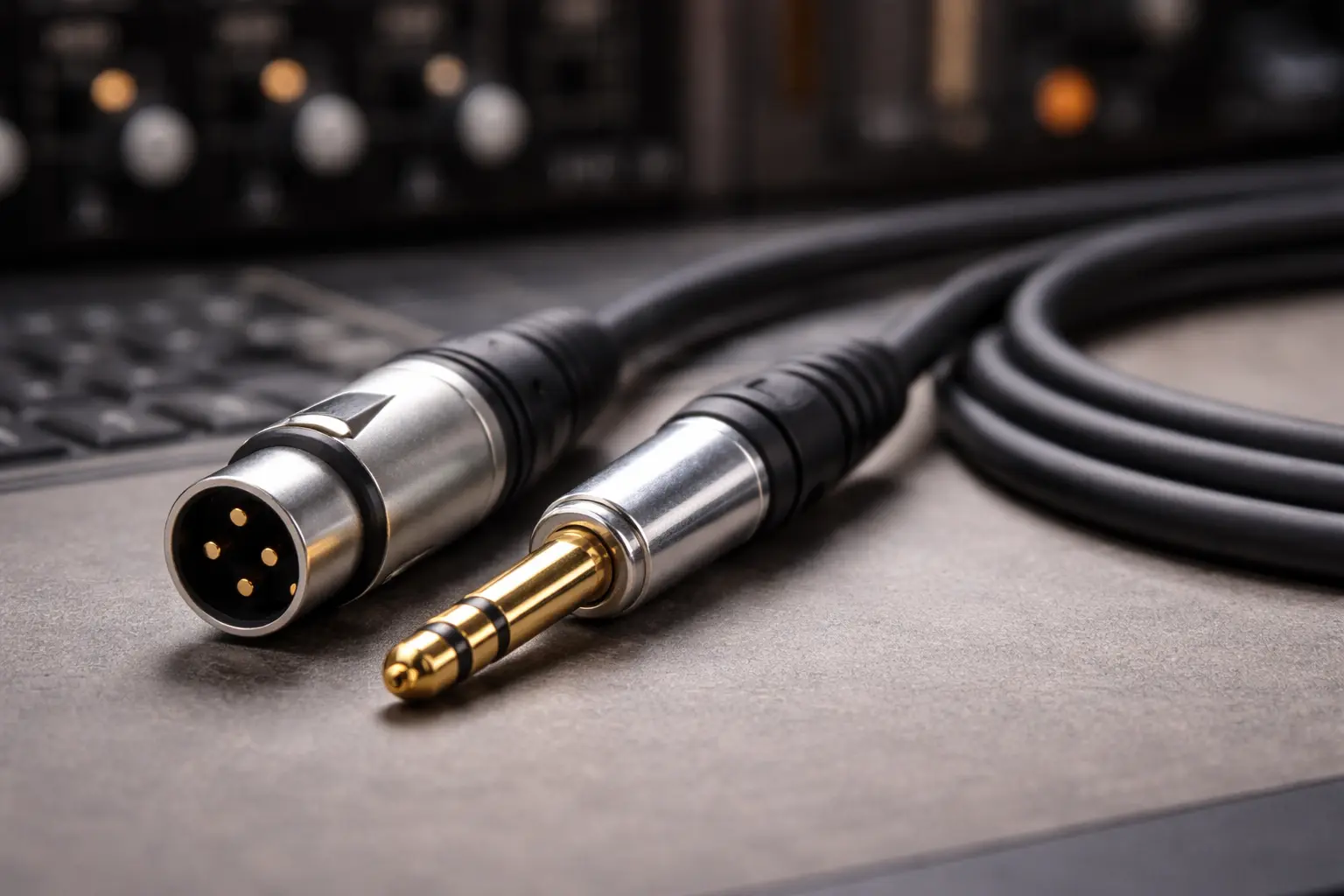
The Jack connector, commonly known as the 1/4-inch or 3.5 mm plug, has been a mainstay of audio systems for decades.
It’s small, inexpensive, and widely used, from electric guitars to home studio setups.
Main Jack Types
- TS (Tip-Sleeve): Two-conductor, unbalanced; standard for electric guitars and synthesizers.
- TRS (Tip-Ring-Sleeve): Three-conductor; can send balanced mono or stereo unbalanced signals.
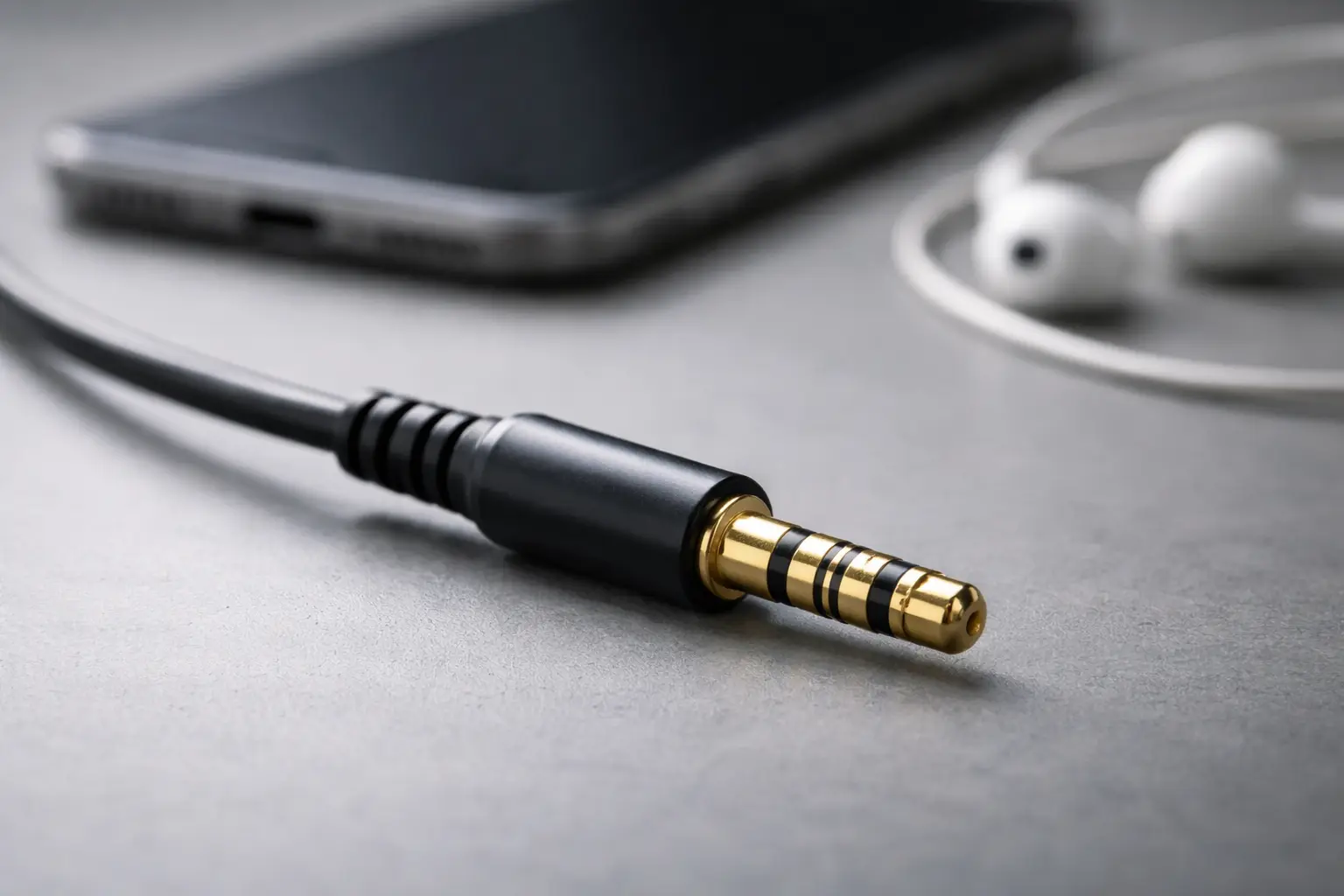
- TRRS (Tip-Ring-Ring-Sleeve): Adds another contact, mostly used in headsets or mobile devices.
For OEM audio assembly lines, TRS connectors are often chosen when a balanced path is needed but space or budget is limited.
When Jack Connectors Are the Right Fit
- Studio racks with short cable runs
- Portable recorders and headphone amps
- Musical instruments and amplifiers
- Consumer and semi-pro products
They are cost-efficient, easy to install, and widely recognized.
For short distances—like between a guitar and an amplifier—they perform reliably.
Where Jacks Fall Behind
When cables stretch over 15 feet, or equipment sits near lighting dimmers or power lines, noise becomes a problem.
Without a locking latch, a Jack can loosen under tension.
On stage or during transport, that means sudden silence or feedback—issues no sound engineer wants.
- XLR Connectors – Professional, Balanced, and Secure
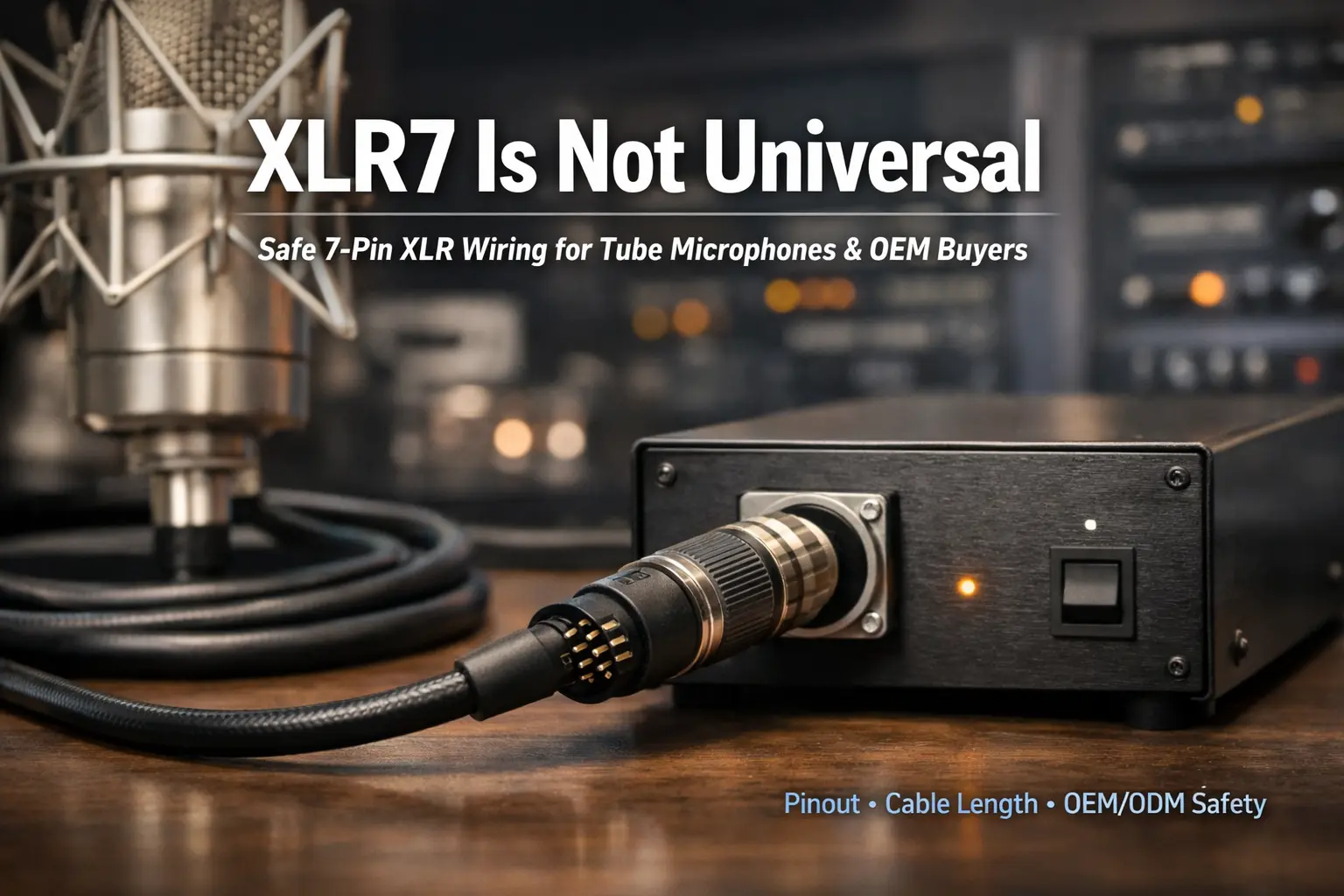
The XLR connector is the professional’s choice for clean sound and secure connections.
Found in microphones, mixers, stage gear, and studio monitors, it’s engineered for clarity and consistency.
Balanced Signal Transmission
An XLR cable carries two opposite-phase signals and a ground. Any interference along the line cancels out when the signal reaches its destination.
This gives XLR a natural advantage in noisy or long-distance environments, maintaining audio integrity over 100 meters or more.
Phantom Power for Microphones
Unlike Jack connectors, XLR lines can safely send 48 V phantom power for condenser microphones.
Its pin design ensures ground connects first, preventing damage during plug-in. That’s one reason XLR dominates studio and broadcast setups.
Locking Mechanism and Build Strength
Each XLR connector includes a locking latch that keeps it firmly seated. Even with heavy movement, the connection stays secure.
In touring rigs or live venues, that extra reliability justifies its slightly larger size and higher cost.
- Comparing Jack vs XLR: Electrical and Mechanical Details
|
Feature |
Jack (TS/TRS) |
XLR (3-Pin) |
|
Signal Type |
TS: Unbalanced / TRS: Balanced |
Balanced |
|
Conductors |
2 or 3 |
3 (Hot, Cold, Ground) |
|
Locking |
None |
Yes |
|
Phantom Power |
Not Supported |
48 V Supported |
|
Typical Use |
Instruments, Headphones |
Microphones, Stage Equipment |
|
Cable Range |
<15 ft (TS) / up to 50 ft (TRS) |
Up to 300 ft |
|
Noise Resistance |
Medium |
High |
|
Common Materials |
Nickel or Aluminum |
Zinc Alloy / Brass |
Balanced vs Unbalanced
Unbalanced cables (TS) are fine for short links, but the longer they get, the more hum and hiss they pick up.
Balanced designs—TRS and XLR—use mirrored signals to reject noise.
In practice, both deliver similar results when short, but only XLR remains stable over distance and under mechanical stress.
Long Cable Runs
For stage or studio installations, unbalanced Jack cables degrade quickly over long runs.
XLR cables keep the audio clear and consistent, even across 100 meters, which makes them the clear favorite in professional settings.
Adaptors and Compatibility
Many engineers use TRS-to-XLR adapters to bridge between devices.
This works only if both ends handle balanced signals. Adapters won’t “convert” a non-balanced source; they simply change the connector type.
- Quality and Durability – What OEM Buyers Should Look For
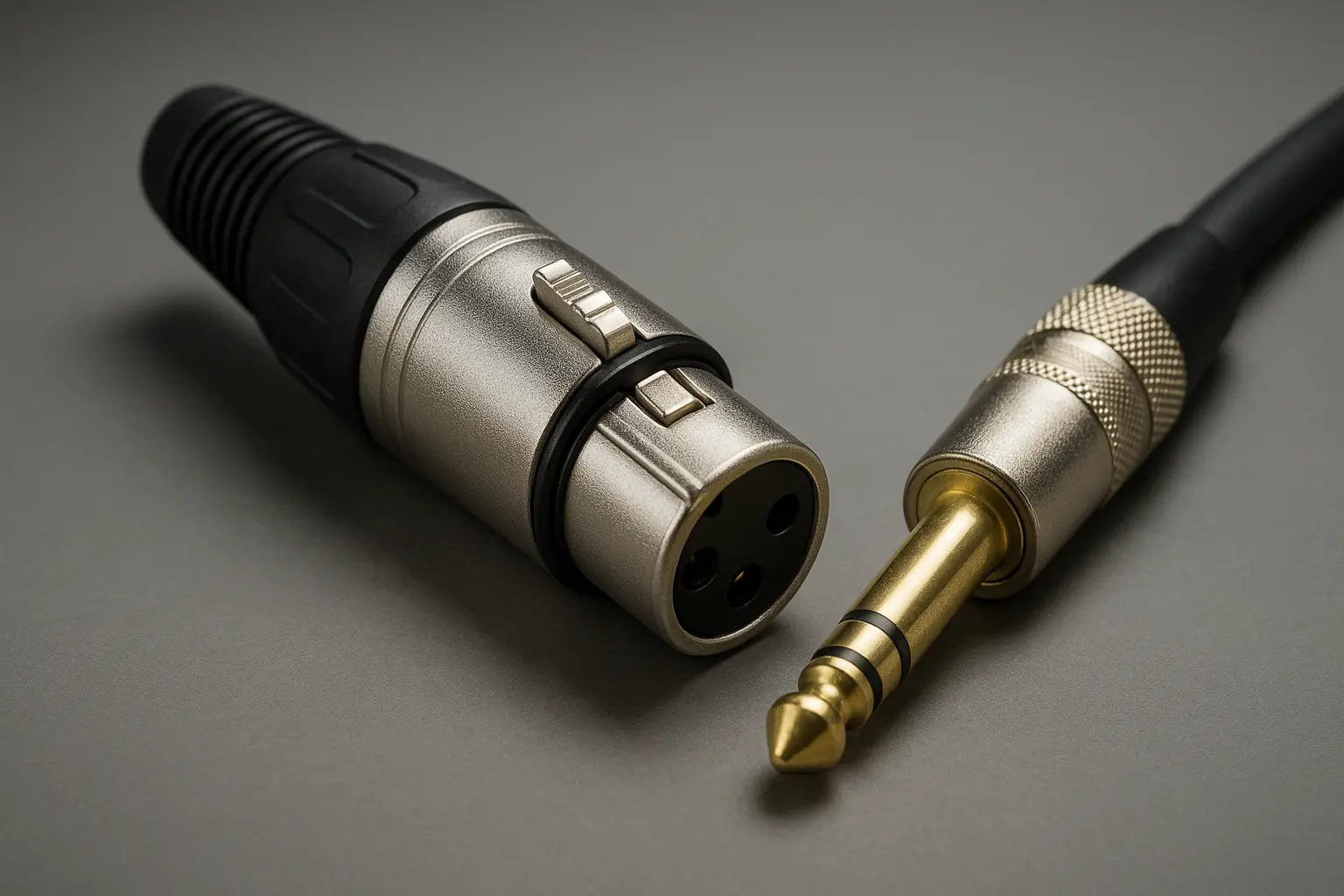
For audio manufacturers, the connector’s mechanical strength is as important as its electrical rating.
Material and Finish
- XLR shells often use zinc alloy with nickel or gold-plated pins to prevent corrosion.
- Jacks usually use brass or aluminum, depending on cost.
- High-end connectors from Jingyi Audio undergo 10,000-cycle tests to ensure lasting performance.
Locking vs Tension Fit
XLR’s locking latch prevents accidental disconnection.
Jacks rely on spring pressure; after years of use, this weakens and causes crackling noises.
For portable or stage gear, a locking system can save thousands in downtime.
Factory Testing and Compliance
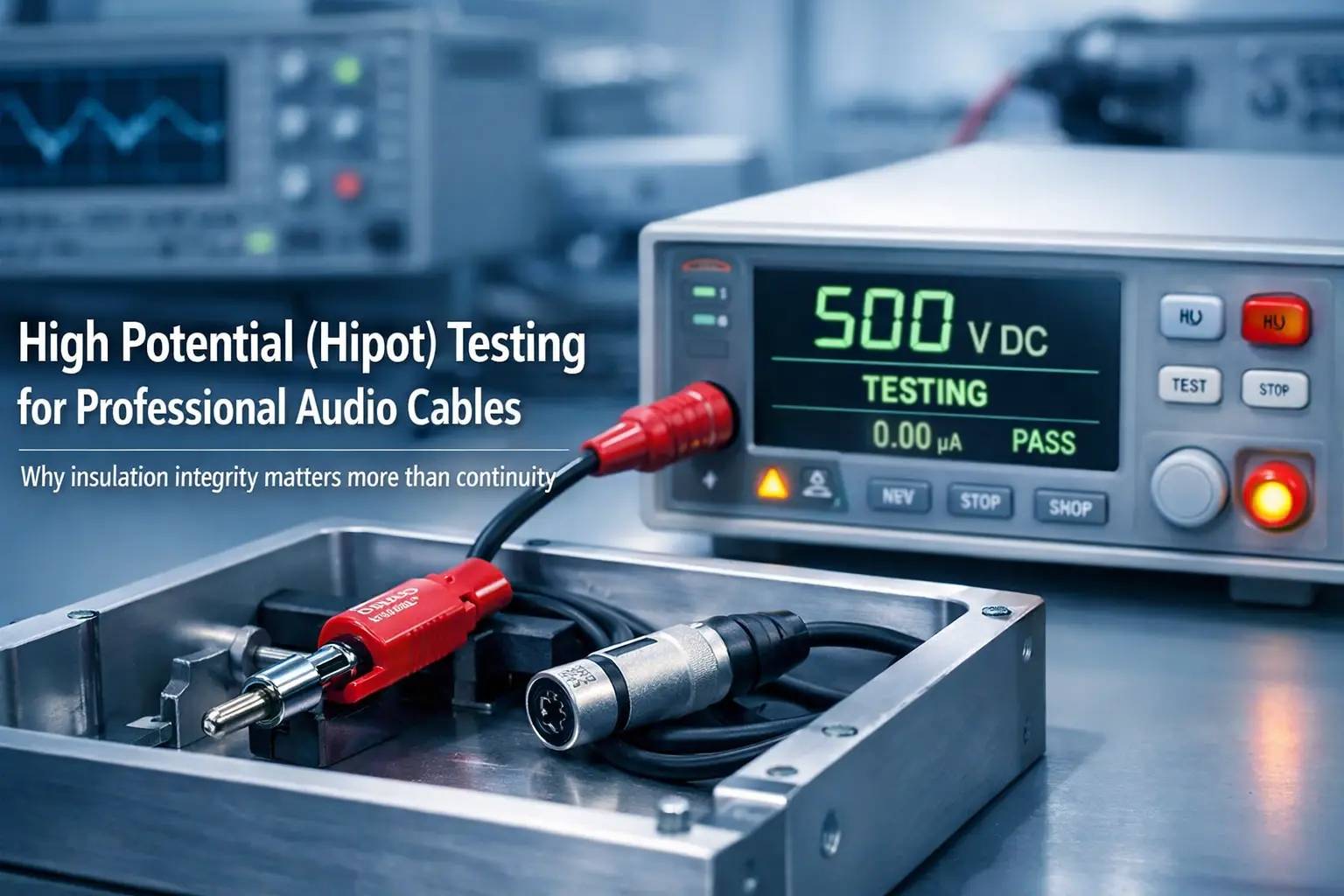
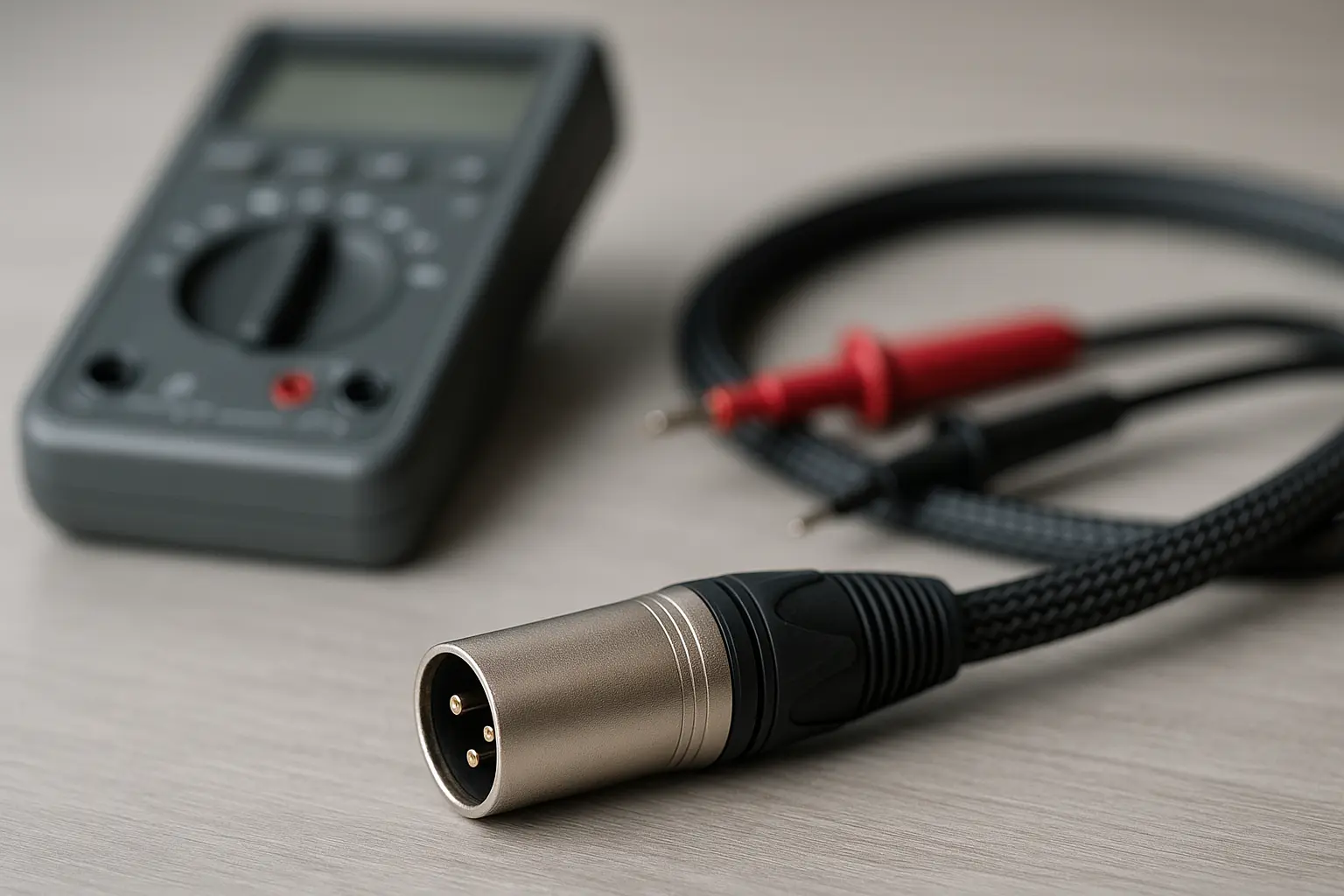
Before shipment, OEM connectors should pass:
- Electrical continuity checks
- Salt-spray corrosion tests
- Pull-strength and flex endurance
- RoHS and REACH environmental compliance
At Jingyi Audio’s ISO-certified plant in Ningbo, these are part of every production batch. That consistency gives U.S. buyers confidence during audits and import inspections.
- Custom OEM/ODM Solutions – How Jingyi Audio Adds Value
Generic parts can’t always meet a brand’s exact needs.
That’s why Jingyi Audio offers custom XLR and Jack solutions for audio equipment makers worldwide.
Tailored for the U.S. Market
The company provides UL-ready, RoHS-tested connectors for American OEMs.
Whether your business makes stage boxes, mixers, or installation panels, Jingyi designs parts that fit both mechanical and compliance standards.
Manufacturing Strength in Ningbo
At its modern facility, Jingyi manages:
- Tooling and precision molding
- Cable assembly and overmolding
- Panel-mount and chassis integration
- Fast prototyping and pre-production sampling
- Bulk production with tight quality control
Every process supports small and large OEM runs, helping brands scale without losing reliability.
How OEM Partnerships Work
- Discuss the technical and business goals
- Approve 3D drawings and sample pieces
- Test prototypes for fit and function
- Begin production under inspection checkpoints
- Handle export packing and shipping to U.S. ports
This simple workflow ensures OEM clients know exactly what to expect—from first design to final delivery.
- Choosing the Right Connector by Application
Recording Studios
Use TRS connectors for short, balanced links between gear such as preamps and monitors.
For microphones or long signal paths, XLR is the clear choice.
Live Stage and Touring
Here, reliability matters most. XLR connectors with locking latches stay secure under vibration and movement.
They also handle longer cables without signal loss.
Corporate AV and Fixed Installations
In meeting rooms and event halls, space is limited.
Combo connectors that accept both TRS and XLR plugs are ideal.
Jingyi supplies low-profile, panel-mount XLR assemblies that integrate neatly into walls or rack panels.
- Meeting U.S. Standards and Buyer Expectations
Industry Certifications
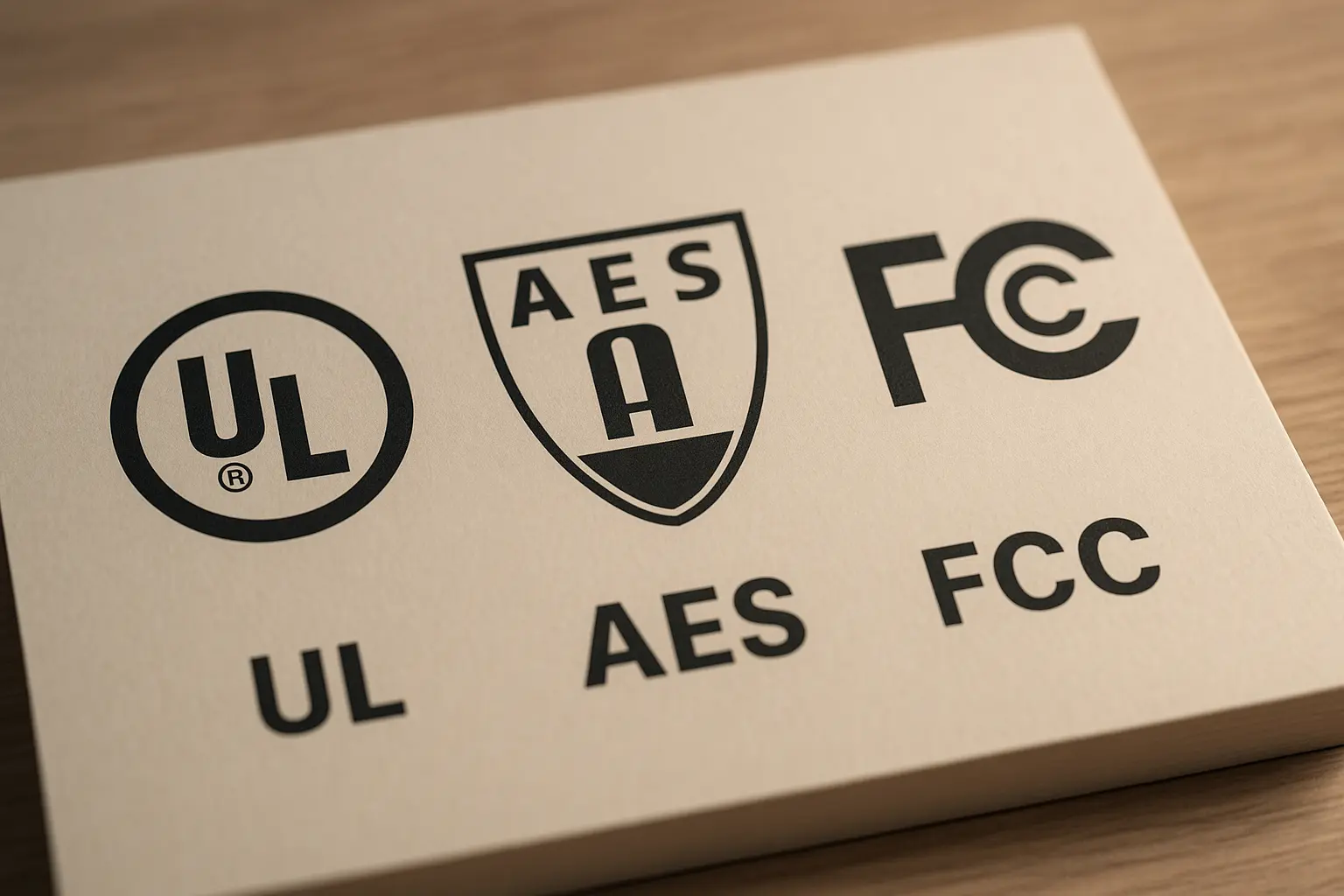
U.S. buyers expect certification for:
- UL safety approval
- AES audio standards
- FCC/EMC noise and interference control
Jingyi Audio designs and tests connectors to meet these benchmarks, reducing friction for American importers.
Advantages of Partnering with a Chinese OEM
Working directly with an experienced manufacturer like Jingyi Audio offers:
- Lower tooling and unit cost
- Customization flexibility
- Fluent English technical support
- Shorter turnaround from prototype to shipment
For U.S. distributors, this partnership provides a balance of quality and scalability without the cost of domestic production.
- Sustainable Manufacturing and Future-Ready Design
Environmentally Responsible Production
Jingyi follows RoHS and REACH rules to limit hazardous substances and uses recyclable packaging.
Building durable connectors means less waste and longer product life—values that matter increasingly to American clients.
Preparing for Modern Audio Systems
Audio is moving toward digital networks. Jingyi is developing hybrid connectors that combine XLR analog pins with USB-C or Dante interfaces.
This lets OEMs offer forward-compatible equipment while keeping classic analog reliability.
- Jack vs XLR – What Should You Choose?
Each connector type serves its own purpose:
- Jack connectors are perfect for compact, low-voltage devices, where simplicity and cost control are key.
- XLR connectors handle long distances, noisy environments, and professional power requirements.
For OEM/ODM buyers:
- Choose TRS when you need balanced lines within short distances.
- Choose XLR for microphones, powered systems, or installations needing maximum stability.
Jingyi Audio’s takeaway:
Build each product with the right connector for its environment. Our team in Ningbo can help design, test, and manufacture custom Jack and XLR assemblies that meet U.S. quality expectations from day one.
FAQs
- What’s the main difference between Jack and XLR connectors?
Jacks are smaller and simpler, while XLR connectors are balanced, lockable, and built for long-distance professional use. - Can TRS cables match XLR performance?
Electrically yes, but mechanically XLR connectors last longer and stay secure in heavy-use setups. - Why do microphones always use XLR cables?
Because XLR safely carries 48 V phantom power and stays locked, ensuring stable, noise-free connections. - What does Jingyi Audio offer to OEM clients?
Custom designs, short lead times, and strict quality control under ISO standards, all aligned with U.S. safety and performance expectations. - How does Jingyi meet American certification requirements?
All products are tested for UL, RoHS, AES, and environmental compliance before export.
Citations