

Low-Capacitance Mic Cables for High-Fidelity Recording
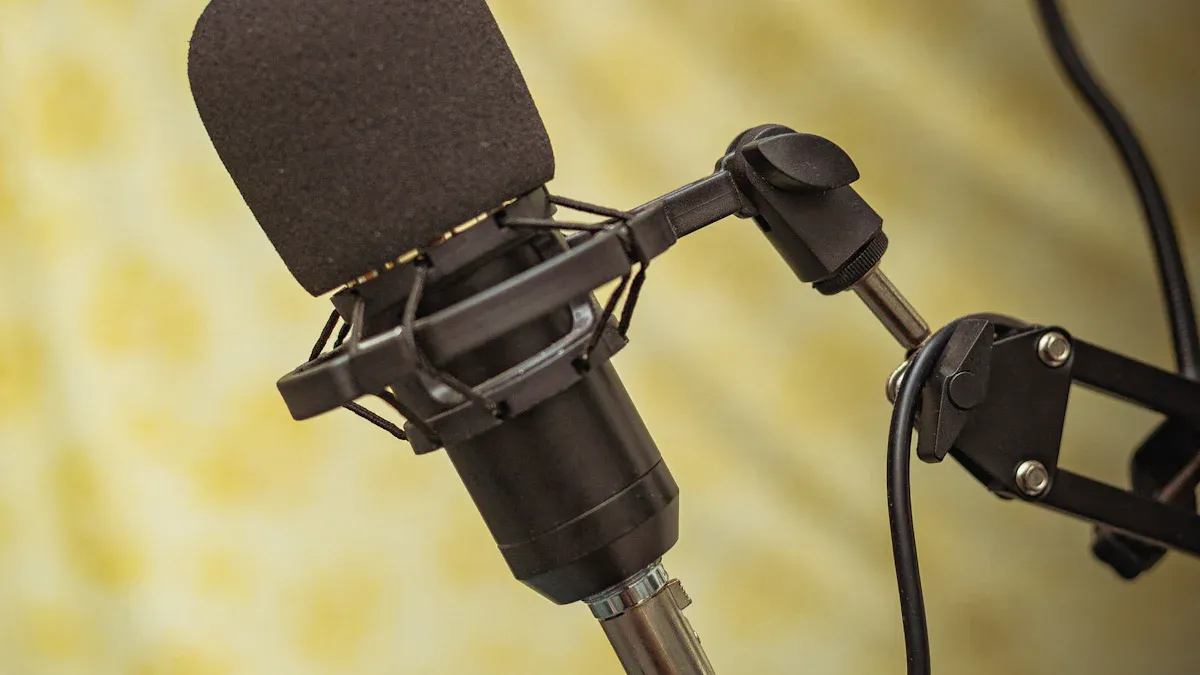
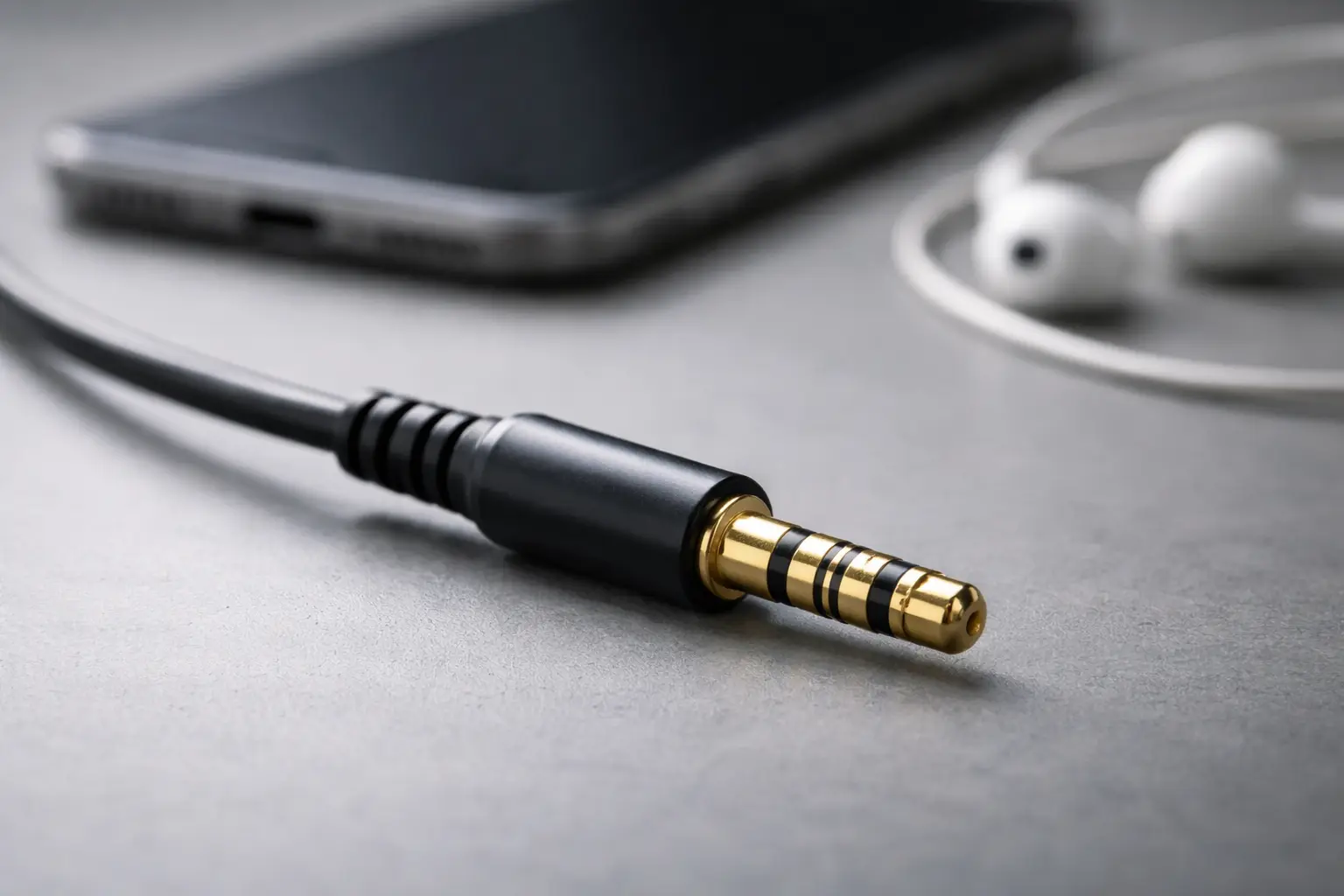
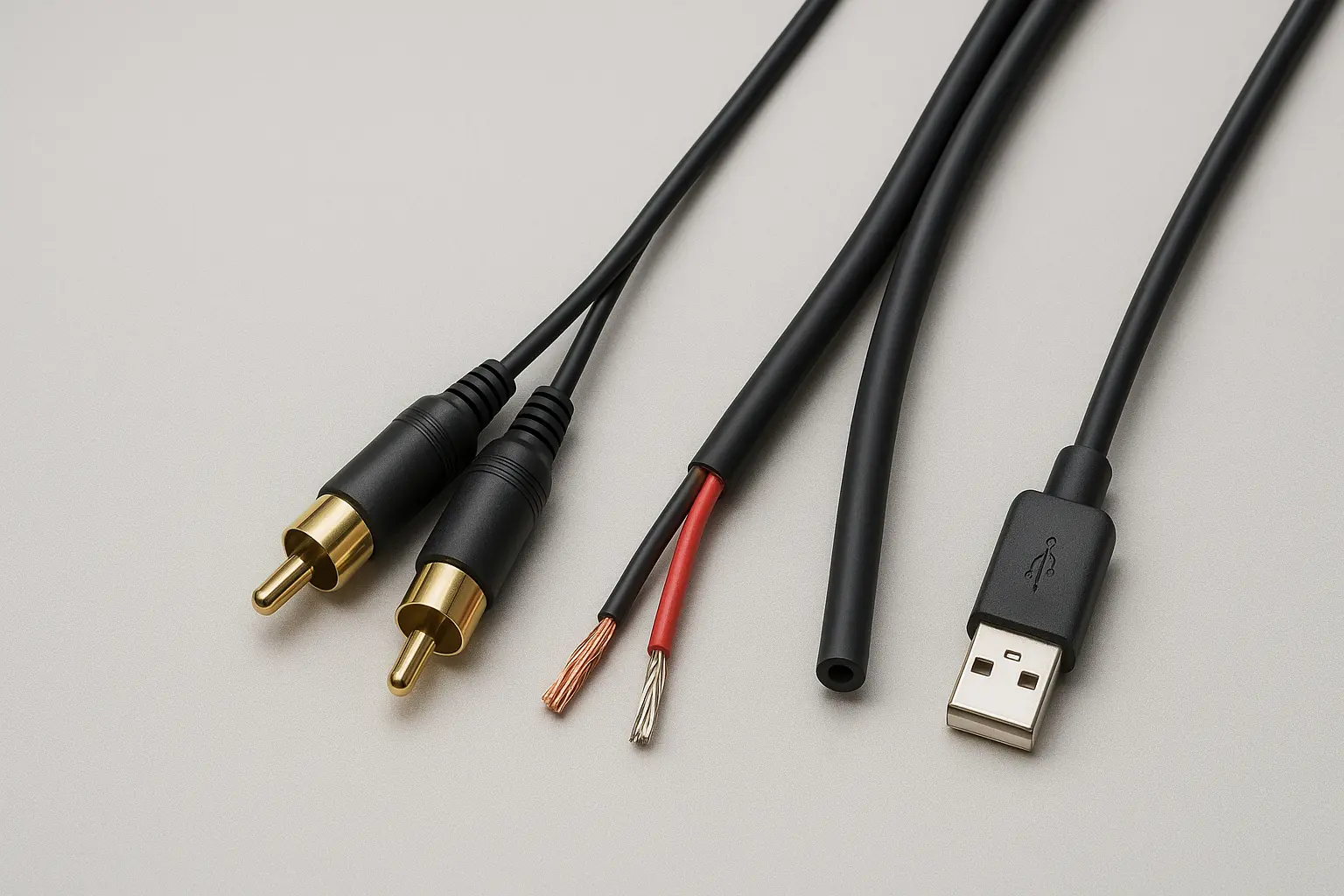
Low-capacitance microphone cable helps preserve audio detail and reduces unwanted noise. Many people compare it to a speaker cable, guitar cable, or even a headphone cable, but each serves a unique purpose. An audio cable with low capacitance ensures clear sound, making it a key choice for recording studios.
Key Takeaways
- Low-capacitance microphone cables keep sound clear by reducing high-frequency loss and noise, making them essential for high-quality recordings.
- Choosing cables with good shielding, oxygen-free copper, and star-quad designs helps block interference and preserve the original audio signal.
- Using shorter cables with low capacitance and proper connectors like XLR improves signal strength and reliability, especially in professional studio setups.
Microphone Cable Capacitance and Its Effect on Sound
What Is Capacitance in a Microphone Cable?
Capacitance describes how much electric charge a cable can store between its conductors. In a microphone cable, capacitance forms between the inner wires and the shield. This property matters because it affects how the cable transmits audio signals. In condenser microphones, capacitance is not just a cable property but also a key part of how the microphone works. The microphone capsule acts like a capacitor, with one fixed plate and one moving diaphragm. When sound waves hit the diaphragm, it moves, changing the distance between the plates. This change alters the capacitance, which then changes the voltage. The microphone converts these voltage changes into an audio signal. The formula C = Q / V shows the relationship, where C is capacitance, Q is charge, and V is voltage. The cable’s capacitance, combined with the microphone’s own capacitance, forms a circuit that shapes the audio signal.
How Capacitance Impacts Frequency Response and Clarity
Capacitance in a microphone cable can act like a filter. When combined with the source impedance, it forms what engineers call an RC low-pass filter. This filter can reduce high-frequency sounds, making the audio less clear. Most standard microphone cables have a capacitance of about 25 picofarads per foot. If the capacitance gets too high, the cable starts to cut off higher frequencies, especially when used with equipment that has high output impedance.
- Increased capacitance can:
- Lower the clarity of high-frequency sounds.
- Cause the signal to lose detail, especially over long cable runs.
- Affect the speed and accuracy of signal transmission.
Professor Milind N. Kunchur’s experiments showed that cables with higher capacitance often had unstable frequency behavior and irregular transient responses. These issues can make the audio sound dull or muddy. High-end cables with lower capacitance showed cleaner sound and fewer problems with noise or signal reflections. While some debate exists about how much listeners can hear these differences, the electrical effects are clear and measurable.
Why Low Capacitance Is Essential for High-Fidelity Recording
Professional recording studios often choose low-capacitance microphone cables to keep their sound as clean as possible. Microphone signals are very weak, so they are more likely to pick up noise and lose detail. Low-capacitance cables help prevent this by reducing the amount of high-frequency loss and keeping the signal true to the original sound.
Tip: Using starquad cable designs and balanced lines can further reduce noise pickup, making them a smart choice for studio environments.
The table below highlights the main benefits of using low-capacitance microphone cables in professional settings:
| Benefit Aspect | Explanation |
|---|---|
| Signal Clarity & Fidelity | Low capacitance reduces signal loss and distortion, especially at high frequencies. |
| Noise & Interference | Good shielding and low capacitance help block unwanted electromagnetic and radio frequency noise. |
| Signal Integrity | The cable preserves the original sound, reducing phase shift and keeping all audio details intact. |
| Importance in Studios | Microphone cables matter most for low-level signals, which are more likely to degrade. |
| Preferred Brands | Studios often use brands like Mogami, Canare, and Van den Hul for their low capacitance and reliability. |
Low-capacitance microphone cables do not just help with clarity. They also make sure the signal stays strong and free from outside interference. This is especially important for long cable runs or when recording quiet sources. For anyone who wants the best possible sound, choosing a low-capacitance microphone cable is a smart investment.
Choosing the Best Low-Capacitance Microphone Cable
Key Specifications and Features to Consider
When selecting a microphone cable for high-fidelity recording, several technical factors play a crucial role:
- Conductor Material: Oxygen-free copper conductors minimize distortion and improve conductivity.
- Shielding Type: Braided copper shields reduce electromagnetic interference, while star-quad designs offer extra noise rejection.
- Capacitance: Look for cables with less than 30 pF per foot to avoid high-frequency loss.
- Impedance: A range of 150 Ω to 600 Ω matches most professional audio equipment.
- Cable Length: Shorter cables help maintain signal quality, especially in studio environments.
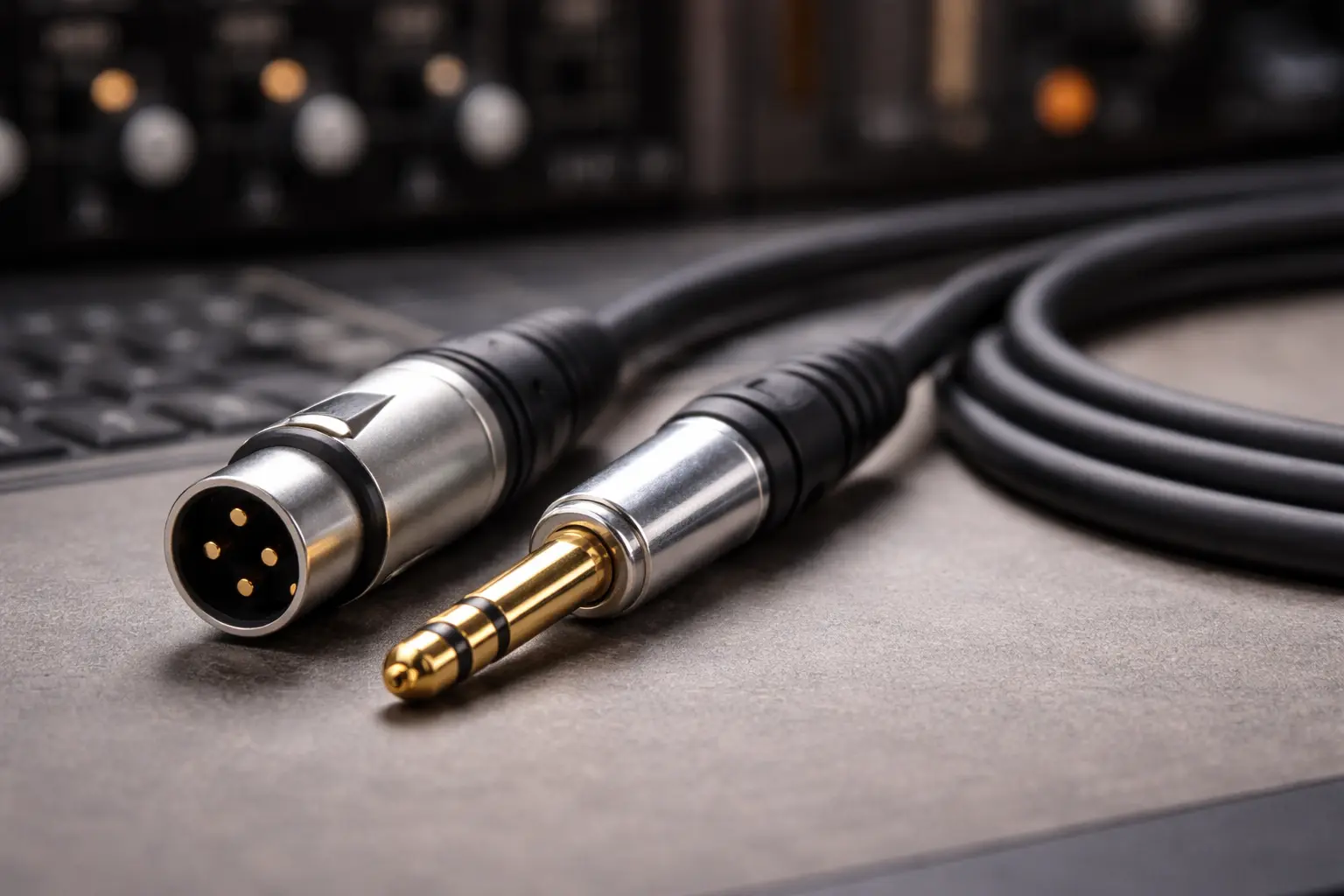
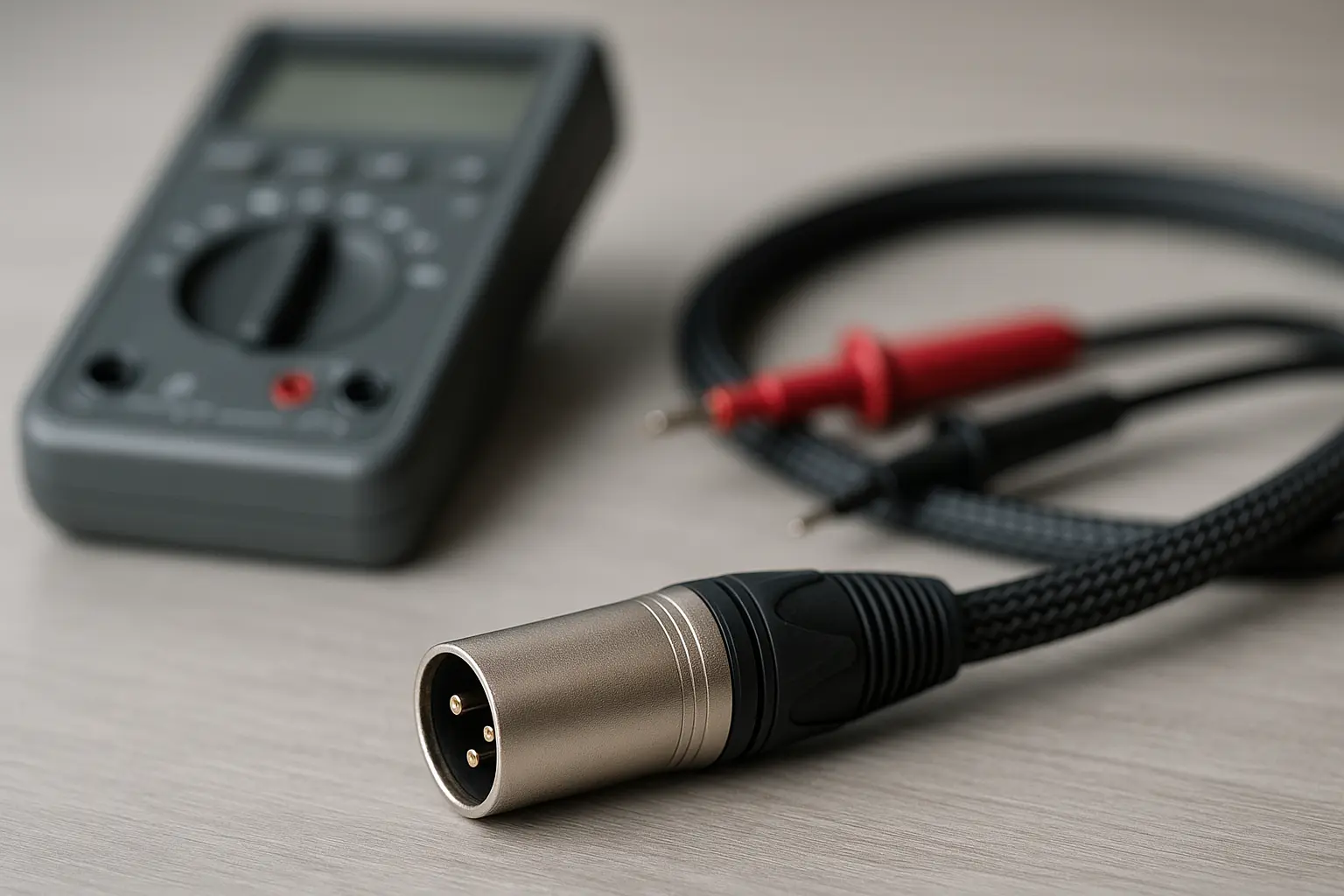
- Connector Type: XLR connectors provide secure and stable connections.
- Jacket Material: Durable and flexible jackets, such as PVC or polyurethane, protect the cable in different environments.
Note: Cold-resistant microphone cables with oxygen-free copper and dense braided shielding work well in extreme temperatures and noisy environments. NINGBO JINGYI ELECTRONIC Co., LTD. offers cables with these features for reliable performance.
Recommended Microphone Cable Brands and Models
Several brands stand out for their low-capacitance microphone cable options:
- Hosa Edge XLR Microphone Cables deliver clear sound with low capacitance.
- Belden 1800F is popular in studios for its foam insulation and excellent analog performance.
- Mogami AES, LyxPro Quad Series, and GLS Audio Tweed also receive positive reviews for durability and sound quality.
The Belden 1800F, in particular, supports both analog and digital use and is cost-effective for custom installations.
Matching Microphone Cables to Your Recording Setup
Choosing the right microphone cable depends on your studio size and equipment:
- Large studios or stages benefit from 20ft low-capacitance extensions for flexibility and clear sound.
- Multi-channel snake cables help manage complex setups and reduce clutter.
- Smaller setups work best with shorter cables that offer strong shielding and durability.
- XLR cables remain the standard for professional audio, ensuring compatibility with mixers and interfaces.
Proper cable care, such as regular inspection and careful coiling, extends the life of your cables and maintains audio quality. NINGBO JINGYI ELECTRONIC Co., LTD. provides a range of cables suitable for both large and small recording environments.
Low-capacitance cables preserve audio clarity and reduce noise, especially during long cable runs. Engineers value these cables for their shielding and signal integrity. They weigh cost against performance, using tests and measurements. Upgrading to quality cables often results in clearer sound and a lower noise floor in professional studios.
By: LynnTel: +86 574 86100572#8816
Whatsapp: +86 15168592711
E-mail: sales@jingyiaudio.com
Youtube: JINGYI
Facebook: JINGYI