


Low-Noise Cable Leads: Pro Audio Signal Integrity
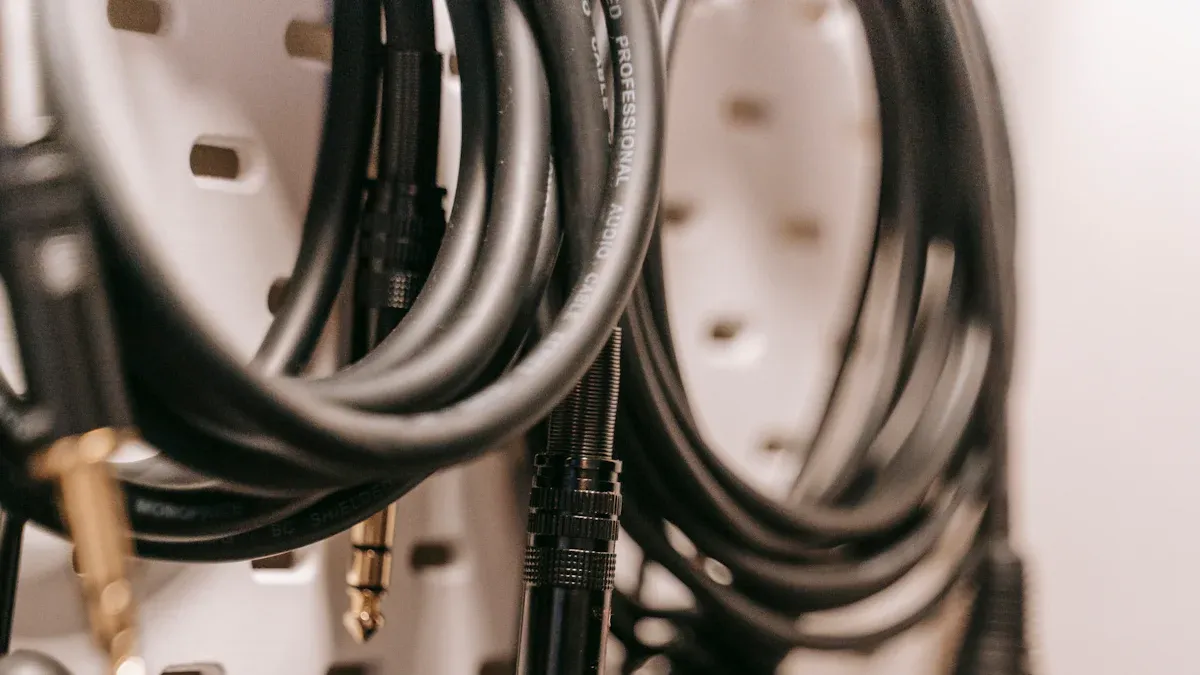
Low-Noise Cable Leads help audio engineers achieve clear sound in demanding settings. A low-noise audio cable blocks interference that can ruin recordings. He often chooses a low-noise premium audio cable to maintain signal quality during live events or studio sessions.
Key Takeaways
- Low-noise cable leads block unwanted interference, keeping audio signals clear and free from noise in professional settings.
- Balanced cables with strong shielding, like braided or foil types, offer the best protection against noise, especially for long cable runs and noisy environments.
- High-quality materials and durable construction improve signal clarity and cable lifespan, making premium cables a smart investment for better sound.
Do Low-Noise Cable Leads Improve Pro Audio Signal Integrity?
The Science of Low-Noise Cable Leads
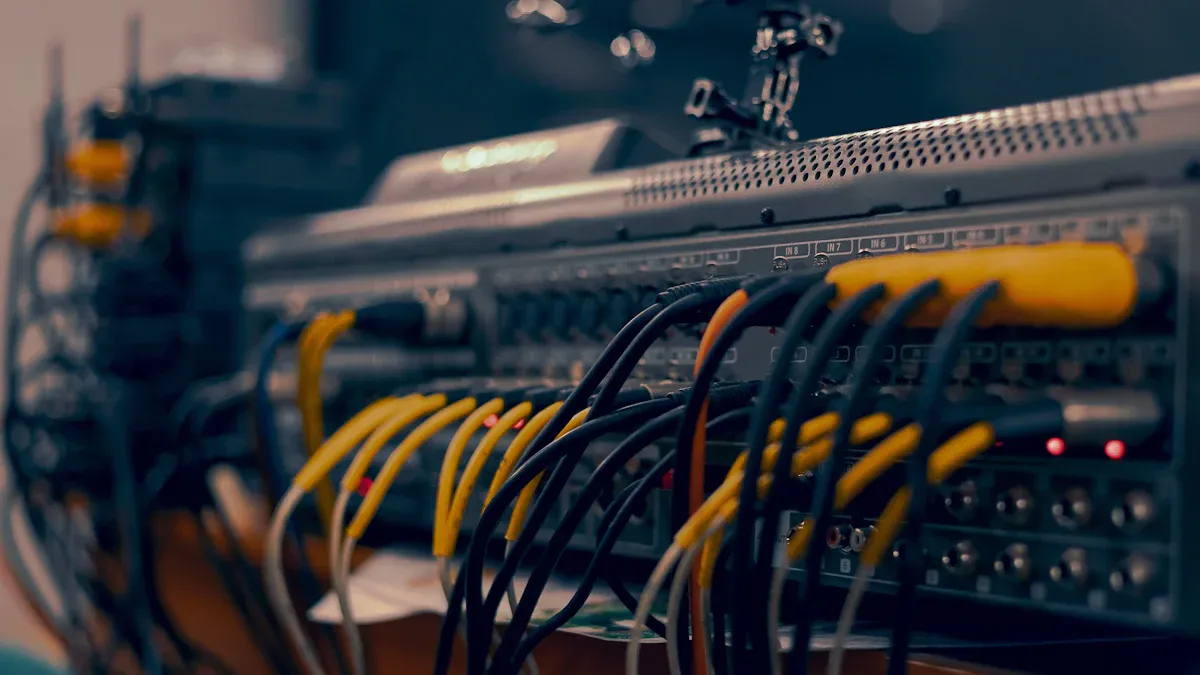
Low-Noise Cable Leads use advanced materials and construction methods to protect audio signals from unwanted interference. Engineers design these cables with special shielding to block noise that can enter from outside sources. The choice of shielding plays a major role in how well a cable performs in professional audio environments.
| Shielding Type | Description | Noise Minimization Effectiveness |
|---|---|---|
| Foil Shielding | Thin aluminum layer, lightweight, flexible, best for moderate interference | Blocks high-frequency interference, suitable for flexible applications |
| Braided Shielding | Woven copper strands, strong EMI protection, maintains flexibility | Superior protection in high-EMI environments |
| Combination Shielding | Mix of foil and braided shielding for maximum noise rejection | Provides maximum noise rejection in demanding environments |
| Spiral Shielding | Copper strands wrapped helically, flexible, decent interference protection | Offers flexibility with good interference protection |
Manufacturers like NINGBO JINGYI ELECTRONIC Co., LTD. use robust insulation and jacketing materials to ensure durability and consistent signal quality. Proper grounding and careful cable handling also help reduce noise. These features work together to deliver professional-grade cables that keep audio signals clean and clear.
Noise Reduction and Signal Clarity in Pro Audio
Professional audio environments often face many sources of noise. Low-Noise Cable Leads help reduce these unwanted sounds and keep the audio signal pure. The most common types of noise that these cables block include:
- Electromagnetic interference (EMI)
- Radio frequency interference (RFI)
- External electrical noise from power lines and nearby electrical equipment
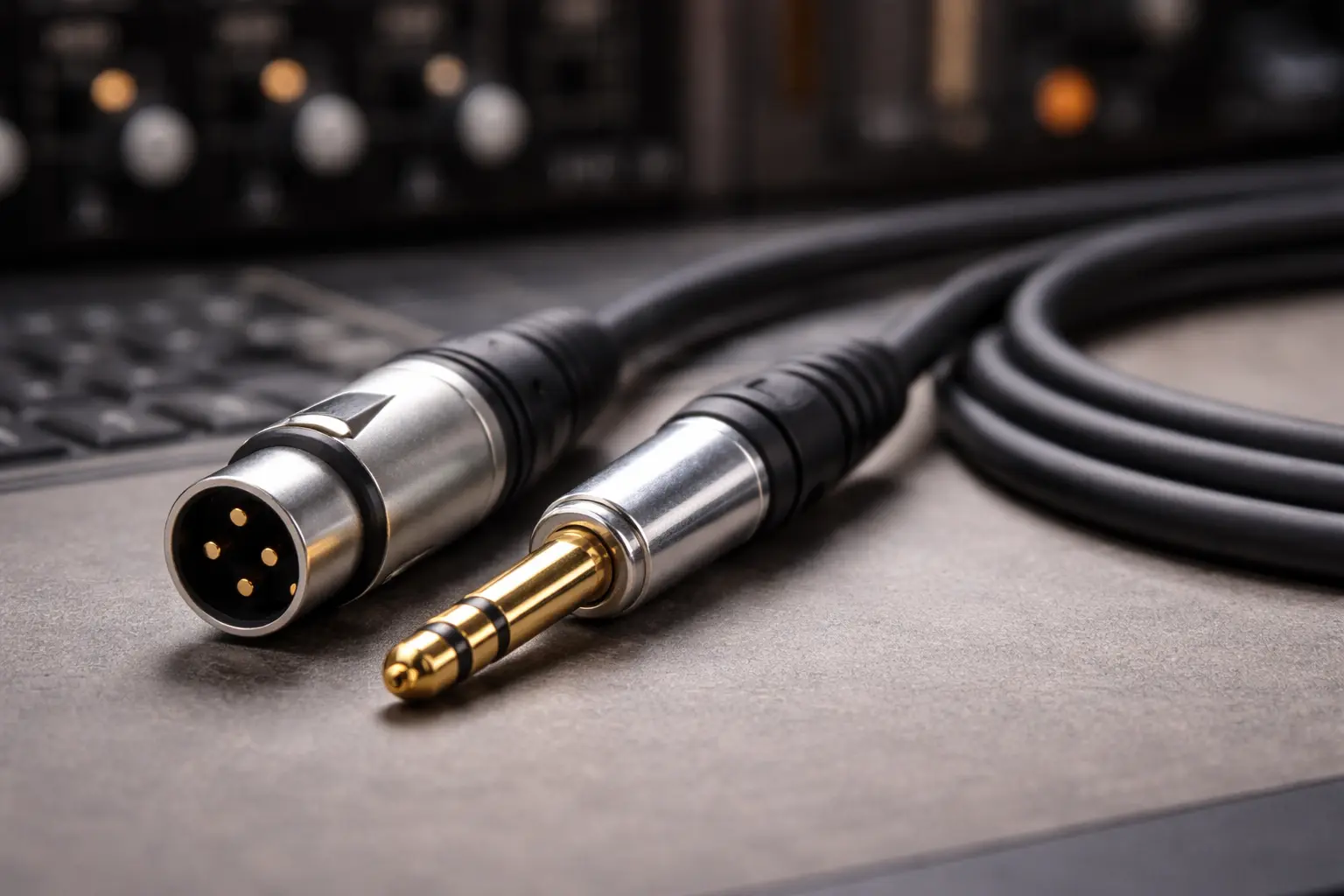
Balanced cables, such as TRS and XLR, use shielding and special design to reject noise over long distances. Shielding methods like braided, foil, or metal shields block interference before it reaches the audio signal. These features help maintain signal integrity and deliver clean, noise-free audio in studios, live venues, and broadcast settings.
Real-World Results and Expert Insights
Audio engineers and industry experts agree that Low-Noise Cable Leads make a real difference in professional setups. Many professionals prefer balanced cables like XLR and TRS because they eliminate noise and interference better than unbalanced cables. High-quality shielding, such as braided or foil, protects against electromagnetic and radio frequency interference, ensuring a clean audio signal.
- Experts report that premium cables provide more detailed sound, a wider soundstage, cleaner transients, and deeper bass.
- Professionals and audiophiles notice a clear improvement in sound quality when upgrading from low-quality cables to premium shielded cables, with better tone preservation and reduced distortion.
- If cables are already well-made and properly shielded, the audible difference may be subtle, but durability and reliability still improve.
- Most agree that low-noise cables are a valuable investment for maintaining maximum signal integrity and durability in professional and high-fidelity audio environments.
NINGBO JINGYI ELECTRONIC Co., LTD. continues to develop and supply high-quality Low-Noise Cable Leads that meet the demands of audio professionals worldwide. Their commitment to quality ensures that users experience the best possible sound, whether in the studio or on stage.
Key Features of Low-Noise Cable Leads for Pro Audio
Balanced vs. Unbalanced Low-Noise Cable Leads
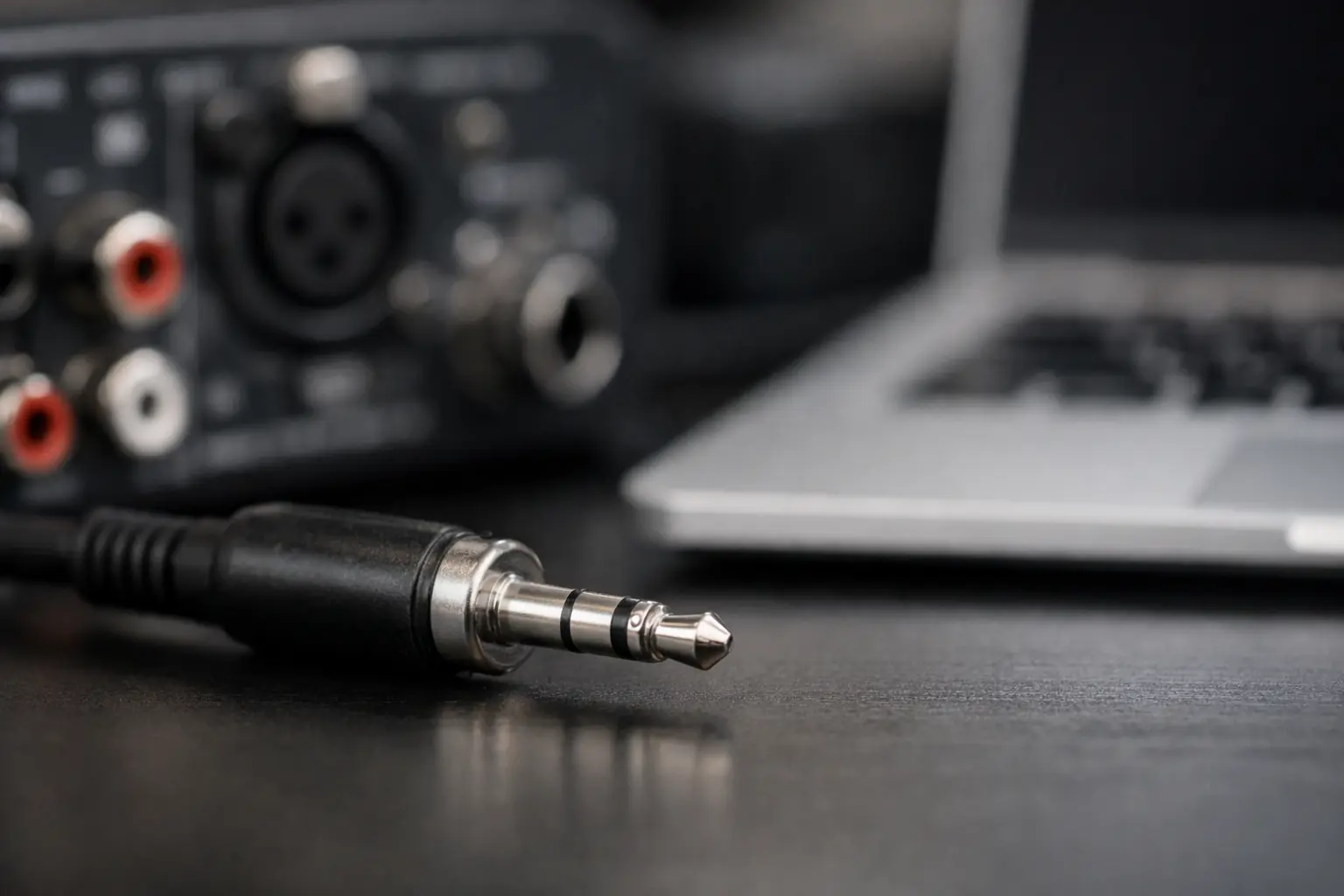
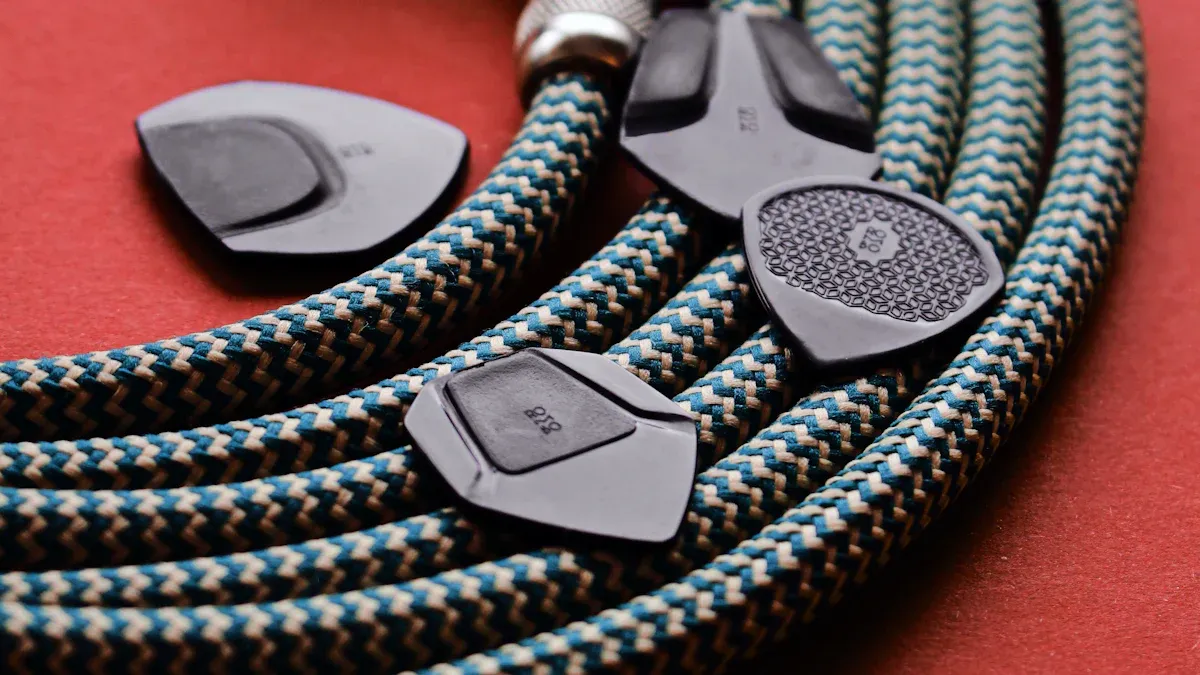
Balanced and unbalanced cable leads serve different roles in professional audio. Balanced cables use two signal wires and a ground wire. This design cancels out noise and keeps the audio signal clear. Professionals choose balanced cables for long runs, such as in live sound setups or recording studios, where cables often stretch over 25 feet. Unbalanced cables use only one signal wire and a ground. They work best for short distances, like connecting headphones or speakers to a laptop. Balanced cables provide better noise rejection, especially in environments with lots of electrical interference.
Tip: For cable runs longer than 25 feet or in noisy environments, balanced Low-Noise Cable Leads offer the best protection against unwanted noise.
Shielding Types and Their Role in Signal Integrity
Shielding protects audio signals from electromagnetic interference (EMI). Different types of shielding offer varying levels of coverage and flexibility.
| Shielding Type | Coverage | Flexibility | EMI Prevention Effectiveness | Typical Application |
|---|---|---|---|---|
| Braided Shielding | 70% to 95% | Flexible | Good for low-frequency interference | Durable, general use |
| Spiral Shielding | 95% to 99% | Very flexible | Highly effective in audio frequency range | Microphone and audio cables |
| Foil Aluminum Shielding | 100% | Flexible, less durable | Best for blocking both low and high frequencies | High-frequency EMI environments |
Braided shielding offers strong physical protection. Spiral shielding provides high coverage and flexibility, making it ideal for microphones. Foil shielding blocks the most interference but can be less durable.
Conductor Quality and Construction Techniques
The quality of the conductor and construction impacts signal clarity and cable durability. High-quality conductors, such as oxygen-free copper, deliver superior conductivity and reduce signal loss. Durable insulation and reinforced jackets protect cables from physical wear and handling noise. These features ensure reliable performance in studios, live events, and presentations.
- Advanced shielding blocks electromagnetic and radio frequency interference.
- Balanced wiring cancels out noise and maintains signal clarity.
- High-quality conductors minimize signal loss.
- Durable construction extends cable life.
Low-Noise Cable Leads help audio professionals achieve clear sound. They improve signal integrity in studios and live venues.
- Professionals see the best results when they upgrade to premium cables.
- Each user should review their audio setup and select quality cables for the best sound.
FAQ
What makes a cable "low-noise"?
A low-noise cable uses special shielding and high-quality materials. These features block interference and keep the audio signal clean.
Can low-noise cable leads improve home audio systems?
Yes. Low-noise cable leads reduce unwanted noise. They help home audio systems deliver clearer sound and better listening experiences.
How often should professionals replace their low-noise cable leads?
Professionals should inspect cables regularly. Replace cables when they show wear, damage, or signal loss. Quality cables last longer with proper care.
By: LynnTel: +86 574 86100572#8816
Whatsapp: +86 15168592711
E-mail: sales@jingyiaudio.com
Youtube: JINGYI
Facebook: JINGYI