

Microphone Cable Solutions: Shielded Wiring for Live Events
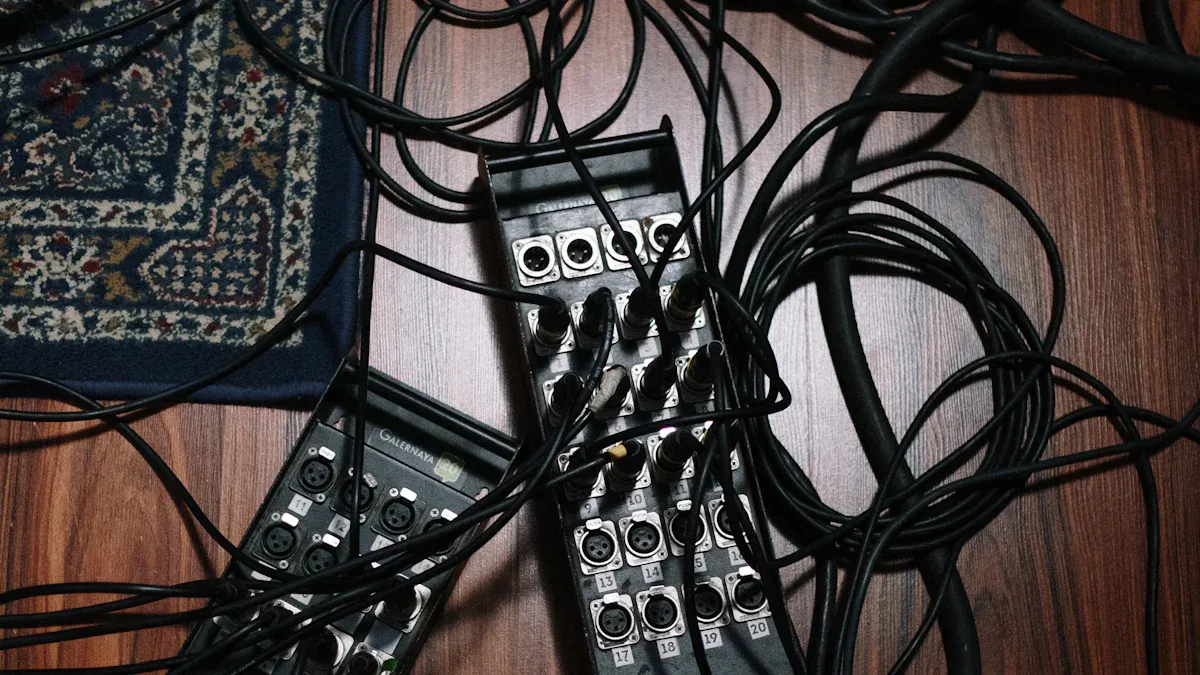
Shielded microphone cables play a vital role in live event setups. They incorporate braid and foil layers between conductors and the sheath to block interference effectively. This shielding ensures audio signals remain free from electromagnetic disruptions, preserving clarity. Professionals rely on these cables to connect microphones, audio cables, and speaker connectors while maintaining high-quality sound performance.
Key Takeaways
- Shielded microphone cables stop noise, keeping sound clear at events. This is important for good audio in loud places.
- Picking the right shielding—foil, braided, or spiral—depends on the event. Each type has special perks, like being strong or easy to bend.
- Taking care of microphone cables makes them last longer. Coil them gently, avoid damage, and check them often to keep them working well.
How Shielded Microphone Cables Work
Shielding Mechanisms in Microphone Cables
Shielded microphone cables use advanced materials and designs to block interference effectively. These cables incorporate layers of shielding, such as steel enclosures or copper systems, to mitigate electromagnetic interference (EMI). The shielding materials work by creating a barrier that absorbs and redirects unwanted signals away from the audio path.
- Common shielding materials include:
- Single- or double-layer steel enclosures.
- Copper systems for enhanced conductivity.
Performance standards for shielding require at least 80 dB attenuation from 10 MHz to 1.5 GHz. Magnetic attenuation starts at 2 dB at 1 kHz and rises to 80 dB at 10 MHz. Maintaining the integrity of the shield is critical. Improper maintenance can reduce its effectiveness, leading to compromised audio quality.
Types of Interference Prevented by Shielded Cables
Shielded microphone cables are designed to combat various types of interference. They ensure that audio signals remain clear and free from disruptions during live events.
- Types of interference prevented include:
- Electromagnetic interference (EMI), which originates from nearby electronic devices.
- Radio frequency interference (RFI), caused by wireless communication signals.
- Electrostatic interference (ESI), resulting from static electricity.
The effectiveness of shielding depends on the materials and configurations used. High-quality cables provide superior protection, ensuring reliable performance even in environments with high levels of interference.
Key Features of High-Quality Shielded Microphone Cables
High-quality shielded microphone cables stand out due to their technical specifications and performance metrics. These features ensure optimal audio clarity and durability, making them indispensable for live events.
| Product | Connector Type | Conductor Material | Features |
|---|---|---|---|
| Atlas Sound Tactical Microphone | XLR 3-pin plug (male) to XLR 3-pin jack (female) | Oxygen-free copper | Custom molded sure grip connectors |
| Hosa Edge XLR Microphone Cables | XLR 3-pin | 20 AWG oxygen-free copper | Low capacitance for crystal-clear highs and lows |
| Hosa Technology Pro Microphone | XLR 3-pin male to female | 20 AWG oxygen-free copper | Silver-plated REAN connectors for superior signal transfer |
| Liberty Tactical Microphone | XLR 3-pin male to female | N/A | Neutrik brand pro audio XLR connectors |
| RMC-B3 | XLR connectors | Multi-strand, oxygen-free copper | High-density spiral shielding eliminates unwanted noise |
| RMC-G3 | Neutrik XLR connectors | Studio-quality oxygen-free copper | Low-capacitance design ensures clarity of sound |
Additional features include:
- Wide frequency response for capturing detailed audio.
- Low noise levels for enhanced clarity.
- Dynamic range to handle varying sound intensities.
These attributes make shielded microphone cables a reliable choice for professionals. NINGBO JINGYI ELECTRONIC Co., LTD. offers a range of high-quality cables tailored to meet the demands of live event environments.
Types of Shielded Microphone Cables
Foil Shielding: Advantages and Applications
Foil shielding uses a thin layer of aluminum or copper wrapped around the conductors. This design provides excellent protection against high-frequency interference, such as radio frequency interference (RFI). The lightweight and compact nature of foil shielding make it ideal for applications where space is limited, such as in portable audio setups or crowded live event environments.
Foil shielding is particularly effective in environments with minimal mechanical stress. It works well in fixed installations, where cables remain stationary. Its ability to block interference ensures that audio signals remain clear, even in challenging conditions. Professionals often choose foil-shielded microphone cables for their cost-effectiveness and reliable performance in controlled settings.
Braided Shielding: Durability and Performance
Braided shielding consists of interwoven strands of copper or other conductive materials. This design enhances durability, making it suitable for demanding applications like live performances and studio recordings.
- Benefits of braided shielding include:
- Resistance to wear and tear from frequent handling.
- Reduced microphonics, preventing mechanical vibrations from affecting audio signals.
- Enhanced protection against damage with strain relief at connectors.
Durability tests and performance reports highlight the advantages of braided shielding. High-quality materials, such as oxygen-free copper and reinforced jackets, extend the lifespan of microphone cables. Double shielding and low capacitance ensure signal clarity, even in high-interference environments.
Spiral Shielding: Flexibility and Noise Reduction
Spiral shielding uses a single strand of copper wrapped in a looped pattern around the conductors. This design offers superior flexibility compared to braided shielding, making it ideal for applications requiring frequent movement.
Spiral shielding excels in scenarios where cables need to bend without breaking. Its flexibility makes it a preferred choice for dynamic environments, such as robotics or live events with active performers. The looped pattern also reduces noise and interference, ensuring consistent audio quality.
Studies validate the effectiveness of spiral shielding in minimizing noise while maintaining cable integrity. Its ability to adapt to movement without compromising performance makes it a reliable option for professionals seeking versatile microphone cable solutions.
Benefits of Shielded Microphone Cables for Live Events
Enhanced Audio Clarity and Signal Integrity
Shielded microphone cables ensure superior audio clarity by minimizing interference. The shielding blocks unwanted signals, such as electromagnetic and radio frequency interference, that can distort sound quality. This feature allows live event professionals to deliver crisp and clear audio to their audience.
High-quality cables also maintain signal integrity over long distances. The shielding prevents signal degradation, ensuring that the original sound remains intact from the microphone to the audio system. This is particularly important in large venues where cables often span significant lengths.
Tip: For optimal audio clarity, professionals should pair shielded cables with high-quality connectors and properly grounded equipment.
Reliability in High-Interference Environments
Live events often take place in environments filled with electronic devices, lighting systems, and wireless communication equipment. These sources generate interference that can disrupt audio signals. Shielded microphone cables provide reliable performance in such challenging conditions by effectively blocking these disruptions.
The durability of the shielding ensures consistent performance even in high-stress scenarios. Whether used in a bustling concert venue or a crowded conference hall, these cables deliver dependable audio transmission. This reliability makes them a preferred choice for sound engineers and event organizers.
-
Key advantages in high-interference environments:
- Reduced noise and static.
- Stable audio output, even near powerful electronic equipment.
- Compatibility with various audio systems and setups.
Long-Term Performance and Durability
Shielded microphone cables are designed to withstand the rigors of live event use. The robust construction, including braided or spiral shielding, protects the internal conductors from wear and tear. This durability ensures that the cables maintain their performance over time, reducing the need for frequent replacements.
The materials used in these cables, such as oxygen-free copper and reinforced jackets, enhance their longevity. They resist damage from bending, twisting, and external impacts, making them suitable for repeated use in dynamic environments.
Note: Proper storage and maintenance further extend the lifespan of shielded microphone cables. Coiling cables correctly and avoiding sharp bends can prevent internal damage.
Investing in durable cables not only saves costs in the long run but also ensures uninterrupted audio quality during critical live events. NINGBO JINGYI ELECTRONIC Co., LTD. offers a range of shielded microphone cables that combine durability with exceptional performance, making them an excellent choice for professionals.
Practical Tips for Selecting and Maintaining Shielded Microphone Cables
Choosing the Right Shielded Microphone Cable for Your Needs
Selecting the right microphone cable depends on the specific requirements of the event and the environment. Professionals should consider the type of shielding—foil, braided, or spiral—based on the level of interference expected. For stationary setups, foil shielding offers excellent protection against high-frequency noise. Braided shielding is ideal for live performances due to its durability, while spiral shielding provides flexibility for dynamic applications.
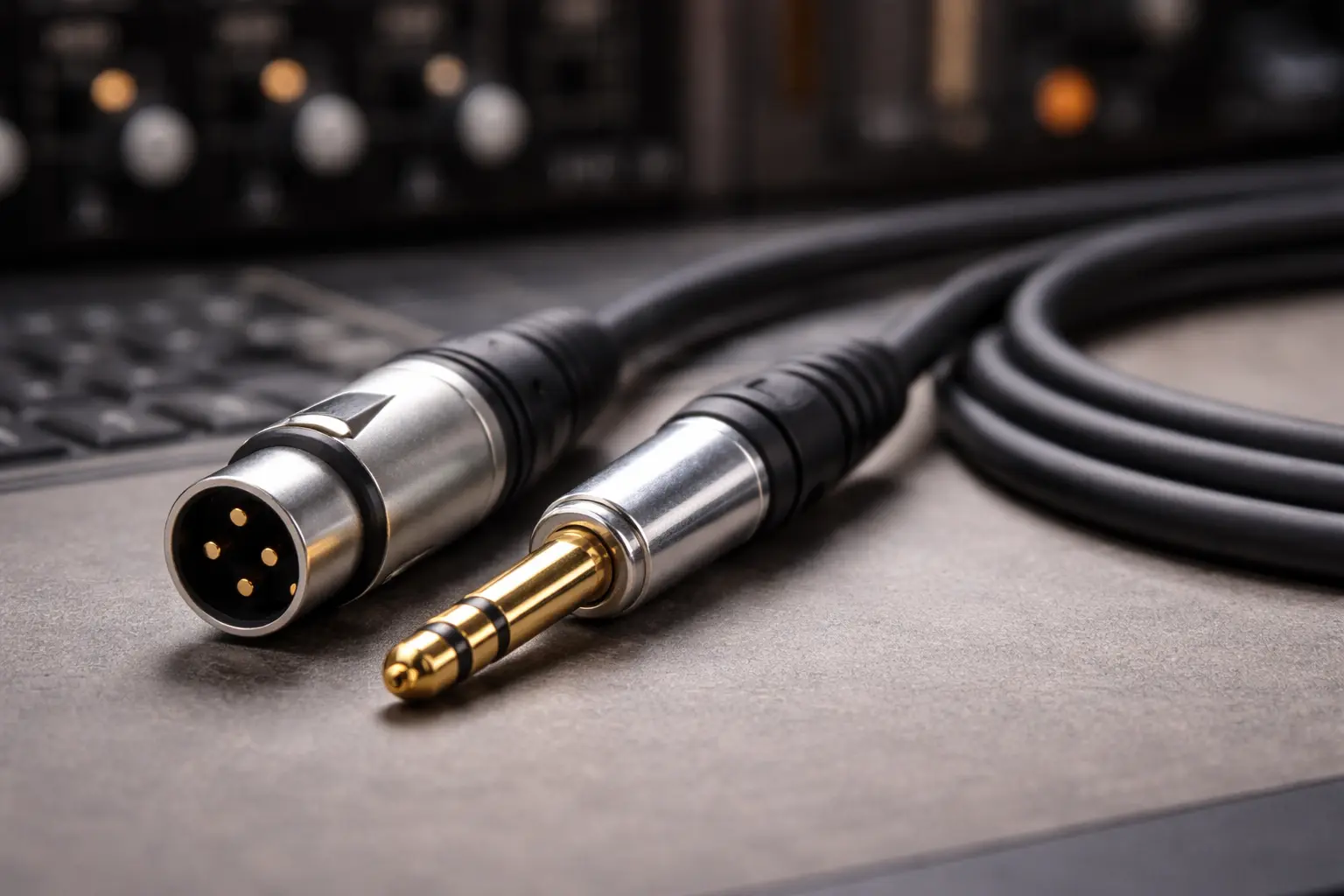
Cable length also plays a critical role. Shorter cables minimize signal loss and interference, making them suitable for compact setups. For larger venues, high-quality cables with low capacitance ensure consistent audio clarity over long distances. Additionally, connectors like XLR or TRS should match the equipment being used to avoid compatibility issues.
Tip: Investing in cables made from oxygen-free copper enhances conductivity and ensures long-term performance.
Maintenance Tips for Prolonging Cable Lifespan
Proper maintenance extends the life of shielded microphone cables and preserves their performance. Following these steps can help professionals avoid common issues:
- Avoid excessive bending by gently coiling and uncoiling cables without sharp angles.
- Protect cables from physical damage by using cable protectors in high-traffic areas.
- Prevent tangling with cable ties or Velcro straps, and consider coiled cables for easier management.
- Store cables loosely coiled in protective cases to shield them from dust and moisture.
- Clean cables regularly with a soft cloth, avoiding harsh chemicals that could damage the materials.
- Use the shortest cable necessary to reduce signal degradation and invest in high-quality options for better durability.
These practices ensure that cables remain reliable, even in demanding live event environments.
Common Mistakes to Avoid with Shielded Microphone Cables
Many professionals unintentionally shorten the lifespan of their microphone cables by neglecting proper handling and storage. Coiling cables too tightly or creating sharp bends can damage the internal wiring, leading to signal loss. Using cables longer than necessary increases the risk of interference and signal degradation.
Another common mistake is overlooking regular inspections. Worn-out connectors or damaged shielding can compromise audio quality. Professionals should also avoid mixing low-quality cables with high-end equipment, as this mismatch can reduce overall performance.
Note: Properly grounding all audio equipment prevents interference and ensures optimal cable performance.
By avoiding these pitfalls, professionals can maximize the reliability and longevity of their shielded microphone cables.
Shielded microphone cables play a crucial role in delivering clear audio during live events. Selecting the appropriate cable type and ensuring proper maintenance guarantees consistent performance and durability. NINGBO JINGYI ELECTRONIC Co., LTD. provides premium microphone cables for professionals. For inquiries, contact Lynn, Manager of the Foreign Trade Department, or visit our Facebook page.
FAQ
What makes shielded microphone cables essential for live events?
Shielded cables block interference from electronic devices, ensuring clear audio transmission. Their durability and reliability make them indispensable for professional live event setups.
How can professionals identify high-quality shielded microphone cables?
Look for oxygen-free copper conductors, durable shielding materials, and low capacitance. Reliable connectors like XLR also enhance performance and compatibility.
Are shielded microphone cables suitable for outdoor events?
Yes, shielded cables resist interference from environmental factors like radio signals. Their robust construction ensures consistent audio quality in outdoor settings.