




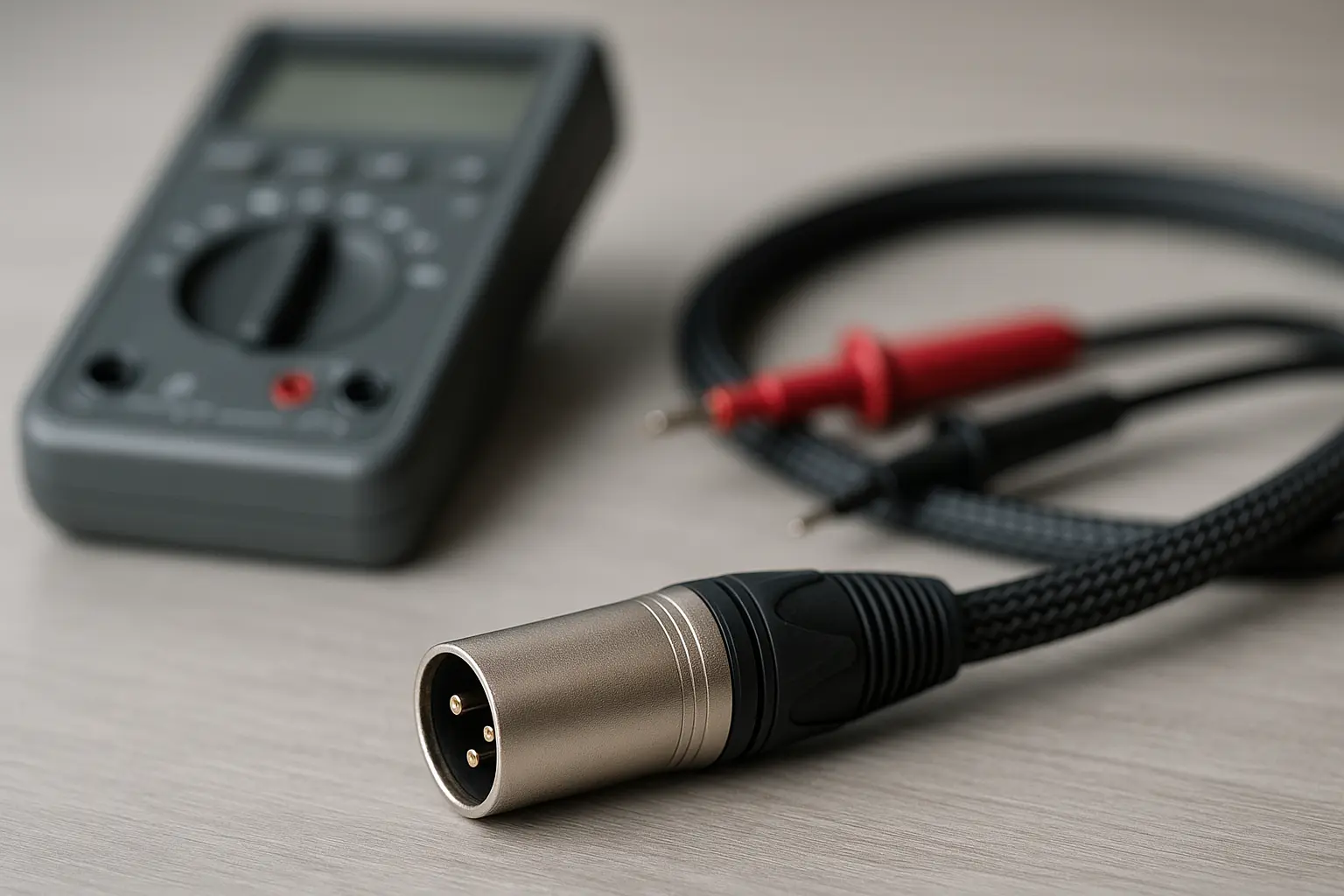
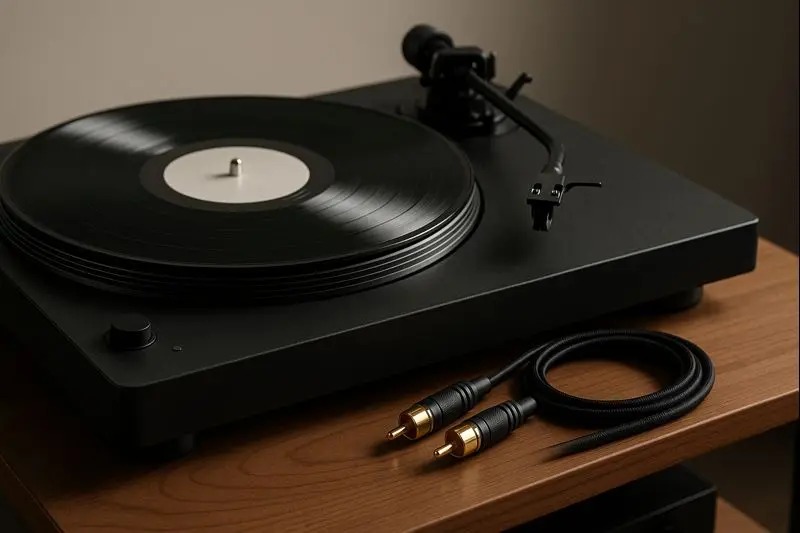
RCA vs XLR Sound Quality: The 2025 Practical Guide for Audio Engineers and OEM Manufacturers
Key Takeaways
- XLR connections handle noise and long cable runs much better than RCA, making them the top choice for studios and professional setups.
- RCA cables still work perfectly fine for short distances and quiet environments like home audio systems.
- The difference in RCA vs XLR sound quality depends more on your gear and room conditions than the connectors themselves.
- Real user stories from forums and studios show how XLR often removes hums, buzzes, and interference that RCA cables can’t.
- With 30+ years of OEM experience, Jingyi Audio builds high-quality RCA and XLR products trusted by U.S. audio manufacturers and global brands.
- Understanding RCA vs XLR: What’s Really Different
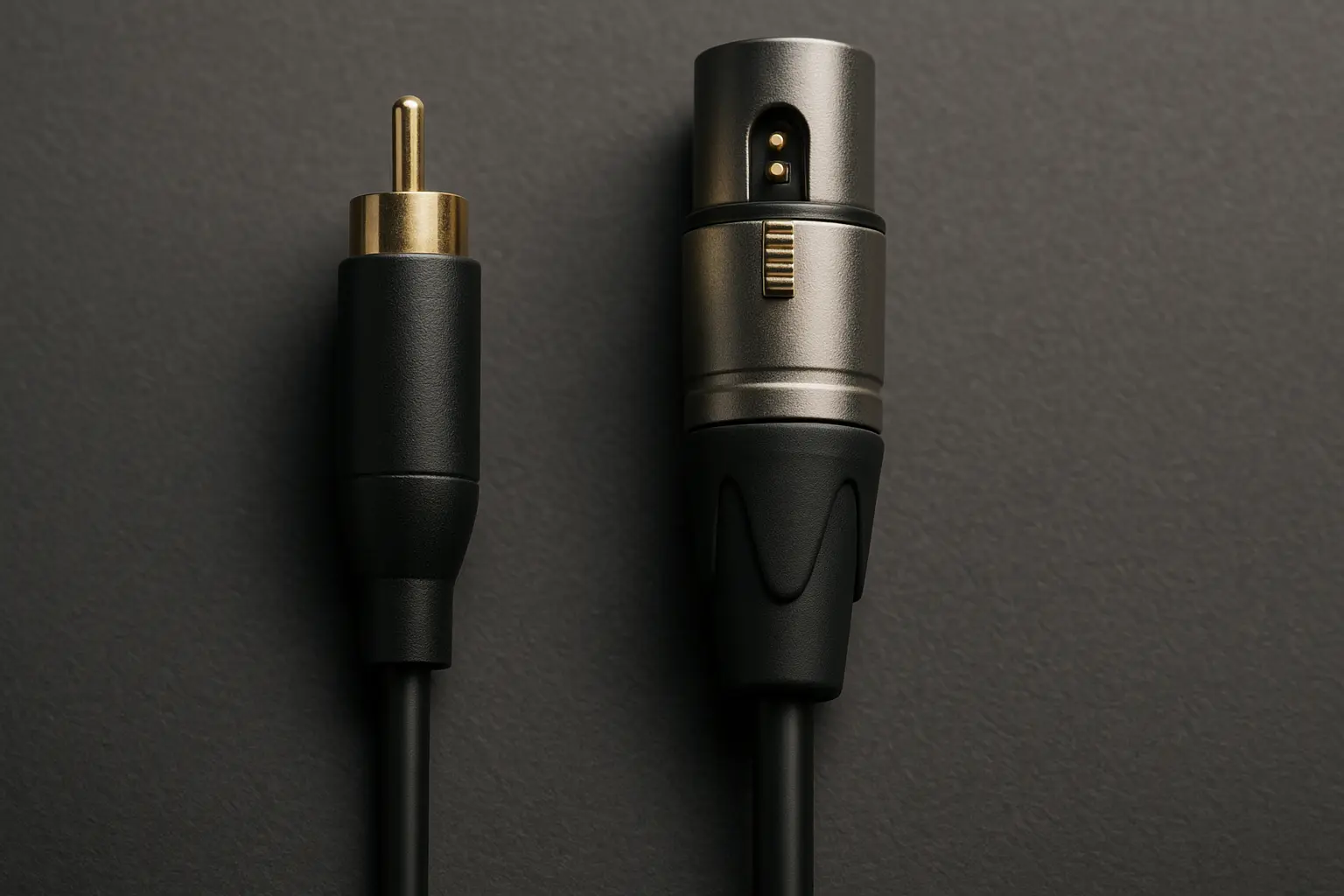
When people ask about RCA vs XLR sound quality, what they’re really asking is how the signal travels. RCA uses a simple path; XLR uses a smarter one. That design change is what makes XLR so much quieter and cleaner in tough environments.
1.1 RCA: Simple and Familiar
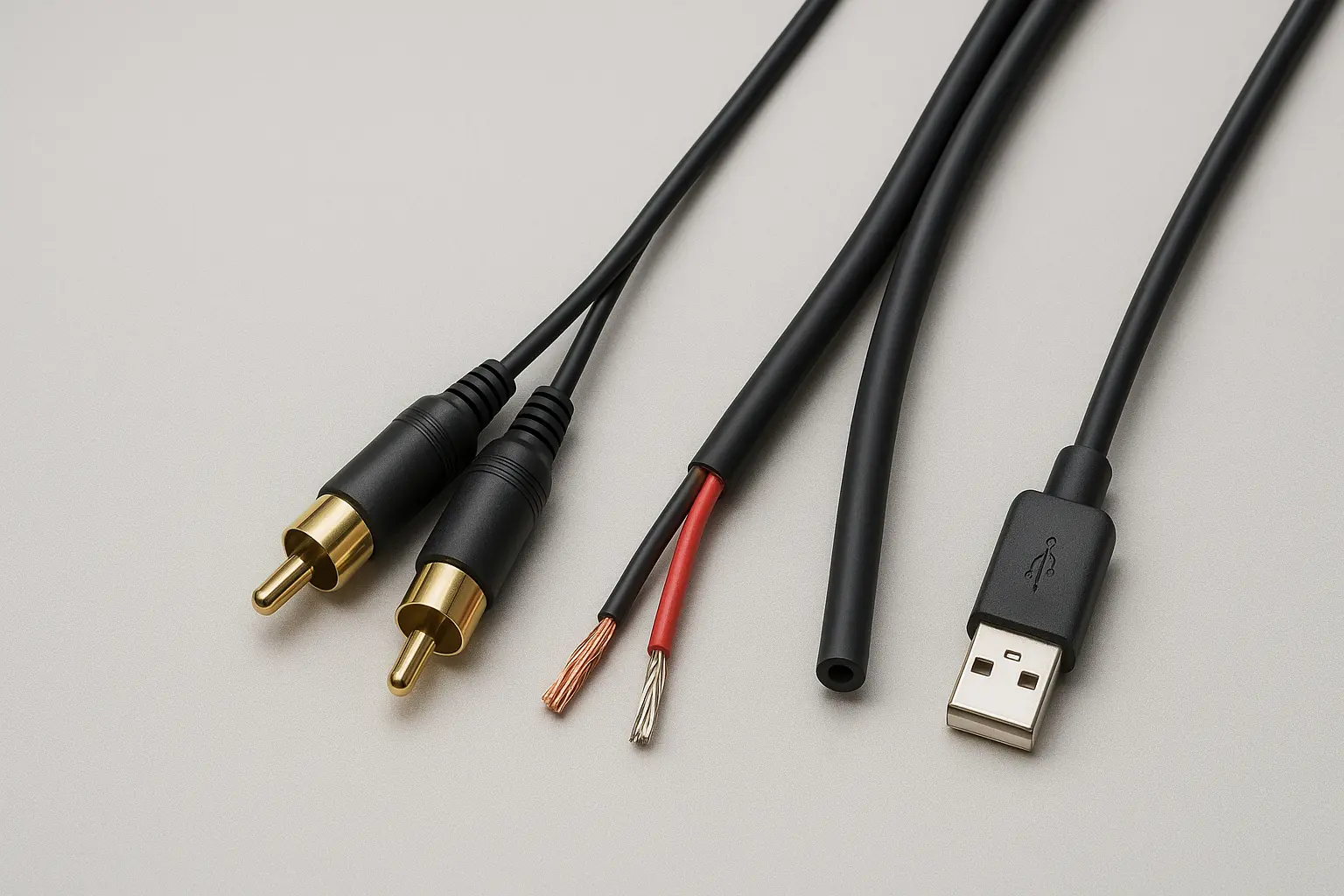
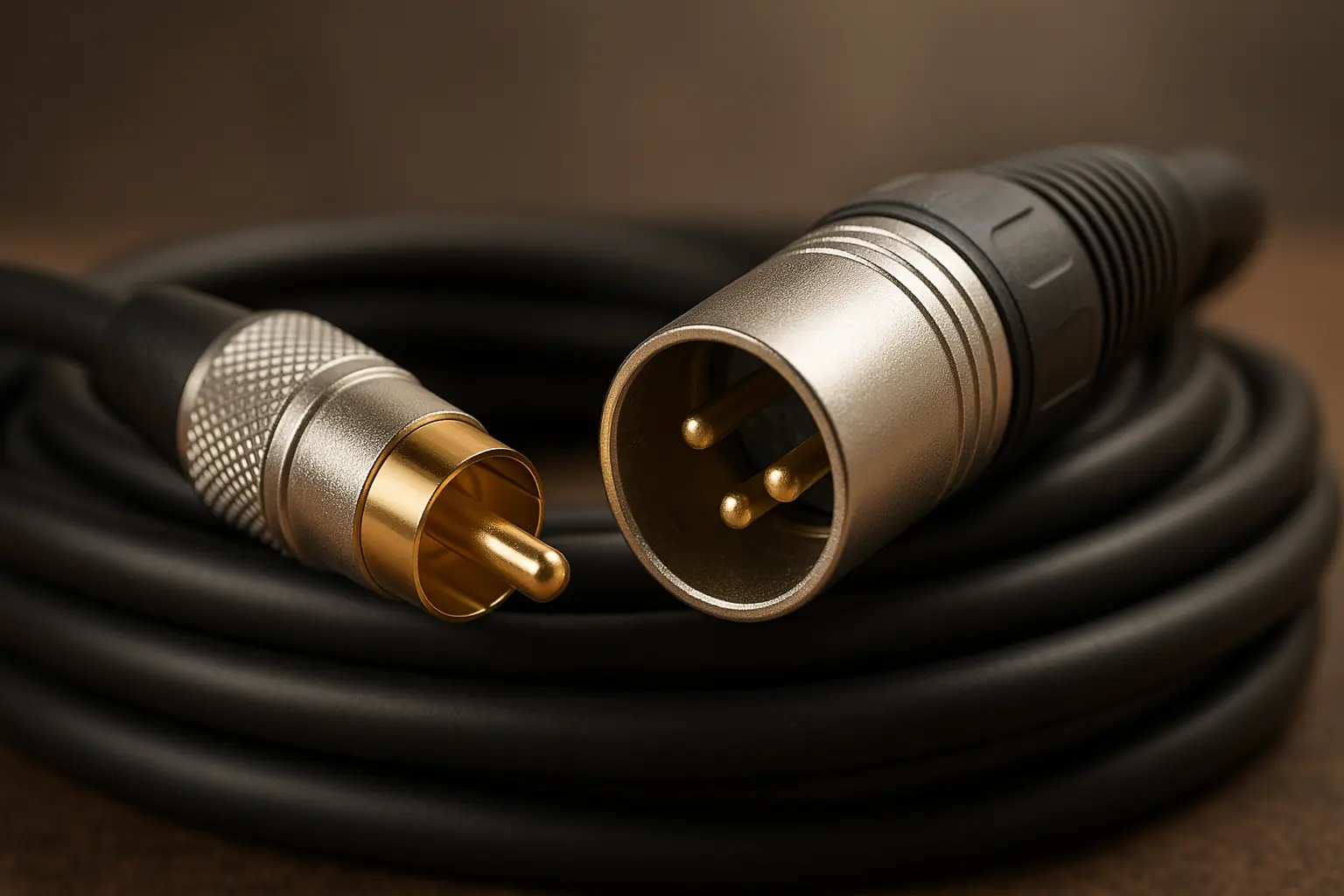
RCA connectors are everywhere — TVs, CD players, stereo amps, and subwoofers.
Each RCA cable carries two wires:
- The center pin sends the signal.
- The outer ring is both the ground and the shield.
That “double duty” design makes RCA cheap and easy to use but also sensitive to interference. Electrical noise from Wi-Fi routers, power strips, or LED lights can slip into the ground wire, producing hum or hiss.
This is why most audio engineers keep RCA cables under 3 meters (10 feet). Longer cables are more likely to collect unwanted noise.
1.2 XLR: Built for Professional Use
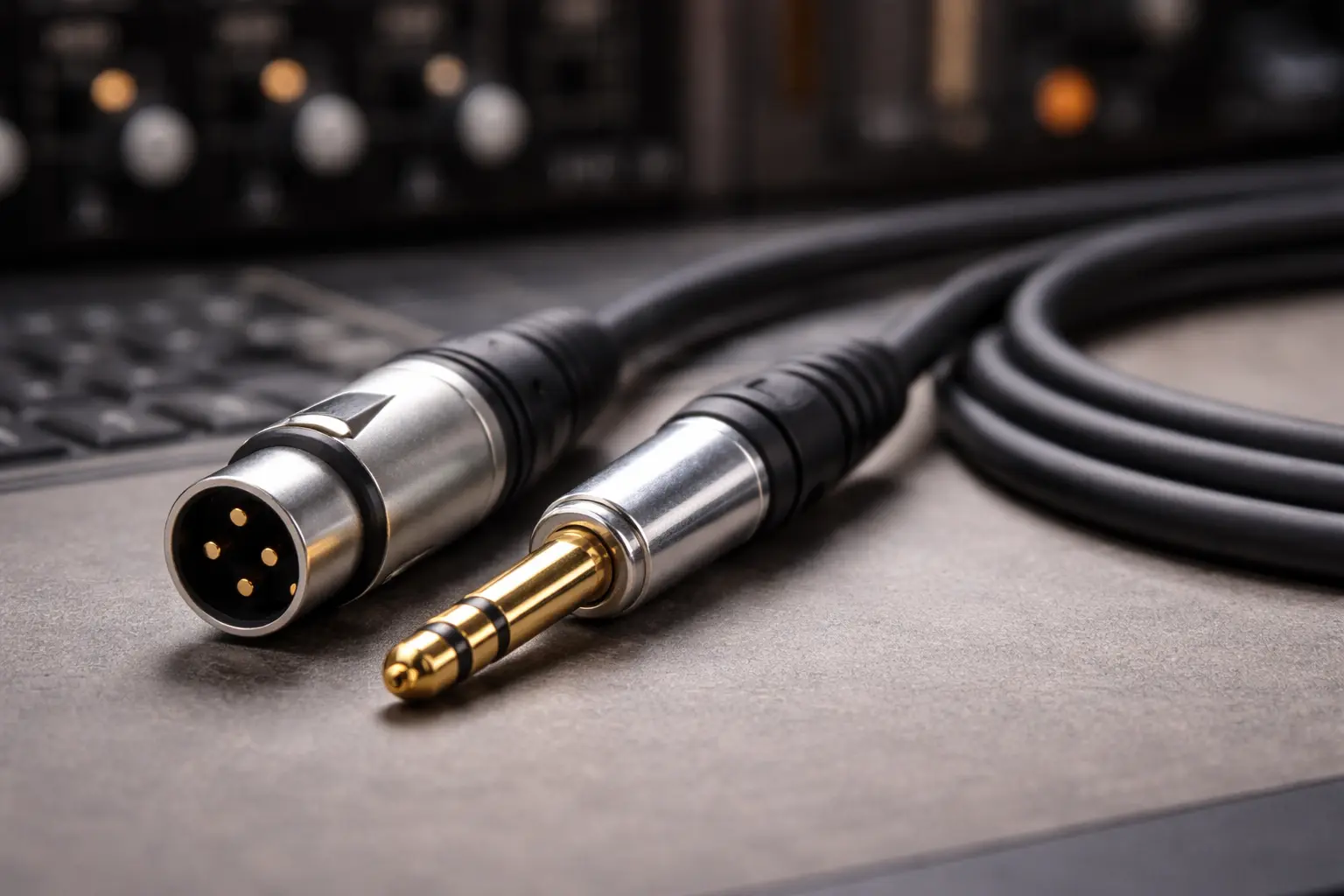
XLR connectors look tougher for a reason. They’re used in studios, concerts, and theaters — places full of power lines, stage lights, and digital gear that can leak noise into cables.
An XLR cable has three conductors:
- Pin 1 – Ground (shield)
- Pin 2 – Hot (+ signal)
- Pin 3 – Cold (– signal)
When a signal travels through an XLR line, the receiving device flips one side of the signal back into phase. Any noise picked up along the way cancels out. This process, called common-mode rejection, is what makes balanced audio so quiet.
Balanced XLR lines can run over 100 meters (300 feet) without losing clarity, making them perfect for long runs or noisy environments.
1.3 True Balanced vs Pseudo-Balanced
Not every XLR jack guarantees “balanced” audio inside.
- True balanced gear has two identical signal paths that work in opposite phase. This setup cancels noise completely.
- Pseudo-balanced gear drives only one side actively, while the other side uses a resistor. It still helps, just not as much.
- Some consumer products add XLR ports for looks, but the signal is still unbalanced like RCA.
If you plug an RCA cable into a “fake balanced” device, don’t expect miracles — the internal design matters as much as the connector.
- RCA vs XLR Sound Quality: Measured and Heard
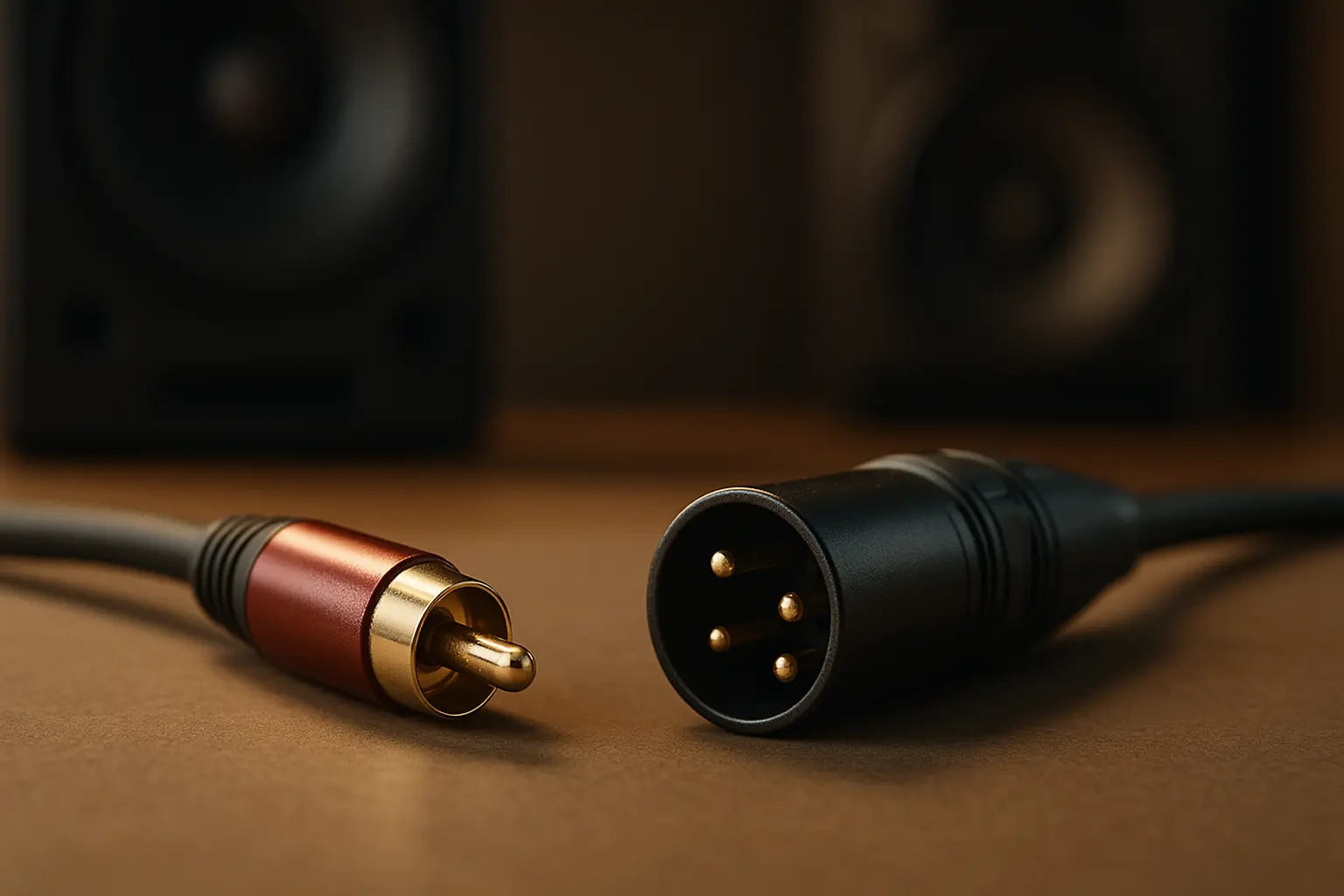
Let’s get practical. On paper, XLR cables perform better. But can people actually hear the difference? The answer depends on the environment.
2.1 Noise Floor and Signal-to-Noise Ratio
When tested in labs and on forums like Audio Science Review, balanced XLR setups measure 6–10 dB quieter than RCA ones.
That gap might sound small, but in quiet rooms or high-gain setups (like studio monitors), it’s noticeable.
Reddit and AVS Forum users often mention that switching to XLR kills hum or buzz instantly. One comment summed it up:
“I replaced my RCA subwoofer cable with an XLR one — instant silence. The hum that bugged me for years was gone.”
2.2 Cable Length and Signal Stability
Cable length is another key difference:
- RCA cables work best under 3 m (10 ft). Longer runs can roll off high frequencies and add noise.
- XLR cables can run 100 m (300 ft) or more without issues, thanks to their balanced design.
For U.S. OEM system builders — especially in theaters, churches, or corporate AV setups — XLR is the safe bet.
2.3 Output Voltage and Loudness
XLR and RCA also carry different voltage levels.
- RCA outputs: –10 dBV (≈ 0.316 V)
- XLR outputs: +4 dBu (≈ 1.23 V)
That’s about 6 dB louder, which can make XLR sound more dynamic. But it’s mostly a level difference, not a tonal one. Always match volume when comparing; louder often “feels” better, even if the quality is the same.
- Real-World Experiences from Listeners and Engineers
Online discussions about RCA vs XLR sound quality often reveal more truth than marketing brochures. Here are a few real-world examples.
3.1 Subwoofer Hum Gone with XLR
A home-theater user described fighting a constant 60 Hz hum from his subwoofer. He tried new outlets, surge protectors, and even different amps. Nothing helped — until he switched to an XLR connection. The noise vanished.
That’s a textbook ground loop problem, which balanced cables prevent by separating signal ground from chassis ground.
3.2 PC Noise in Desktop Speakers
Another user running studio monitors from his computer heard faint digital crackles when scrolling or moving the mouse. The noise came from RFI bleeding through the USB and power lines. Switching to balanced TRS-to-XLR cables solved it completely.
3.3 Long-Cable Stage Setup
A DJ working a large venue used 10 m RCA lines between his mixer and amplifiers. The result: hiss, static, and weak bass. Replacing them with 10 m XLRs made the sound clean and punchy again. Long runs plus stage lighting and power lines make XLR the obvious choice.
- What It Means for OEM Designers and Manufacturers
For audio manufacturers and system integrators, the RCA vs XLR question is really about product reliability and end-user experience.
4.1 Jingyi Audio’s OEM Experience
Jingyi Audio, founded in 1992, has supplied high-quality connectors and cables to major audio brands around the world. Their products are built for both consumer and professional applications.
Key features include:
- 99.99% oxygen-free copper (OFC) for low resistance
- Layered shielding to block EMI and RFI
- Gold-plated contacts for corrosion protection
- Strong strain relief for long product life
These details matter for U.S. OEM partners who want consistency and durability across production batches.
You can see more on site_5615465d-0395-48c6-b01f-dc3d38213fc5.
4.2 Building for Noisy Environments
Homes and studios today are filled with wireless routers, LED lights, and computer gear. All of them emit electrical noise.
That’s why OEM engineers increasingly choose balanced designs by default. XLR cables with braided copper shields and foil layers can keep noise out, even in tight racks or installations.
4.3 Balancing Cost and Performance
RCA connectors are cheap and compact, which is great for entry-level gear.
But in many cases, XLR pays for itself by reducing customer complaints and returns caused by hum or interference.
In the premium home-theater and pro-audio markets, XLR has also become a mark of quality — customers expect to see it on better equipment.
- How to Choose: RCA or XLR?
Here’s a simple guide to help you decide which connection works best for your setup.
|
Condition |
Use RCA |
Use XLR |
|
Cable length |
Under 3 m (10 ft) |
Over 3 m (10 ft) |
|
Electrical noise nearby |
Minimal |
Moderate to high |
|
Device outputs |
Consumer gear only |
Pro or studio gear |
|
Budget priority |
Low cost |
Higher performance |
|
Sound difference |
Negligible in clean setups |
Noticeable in noisy setups |
Quick Rule of Thumb
- Both devices have XLR ports → Use XLR
- Setup is short and quiet → RCA works fine
- Long cables or hum present → Go XLR
- Designing new OEM gear → Add balanced outputs
Balanced systems don’t make the sound “magically better,” but they keep it cleaner and more consistent in real-world conditions.
- Where Audio Design Is Heading
The line between professional and home audio keeps getting thinner.
Many people now build home studios, while home-theater systems use gear that once belonged only in recording rooms.
6.1 U.S. Market Trends
Across the United States, audio OEMs are adding balanced outputs to new products — not only for mixers and amplifiers but also for powered speakers, subwoofers, and AV processors.
Reasons include:
- Rising demand for noise-free setups in home studios
- Growth in “prosumer” audio (home users who want pro-level gear)
- Easier integration with existing studio infrastructure
For U.S. distributors and integrators, this trend means consistent XLR availability will soon be a basic requirement.
6.2 Jingyi Audio’s Next Step
To meet this growing need, Jingyi Audio continues improving its connectors and cables with:
- New compact XLR modules for smaller devices
- Better plating materials for humid environments
- Improved shielding to resist interference in high-density racks
The goal is simple: stable, reliable audio connections that match the performance expectations of modern studios and OEM clients.
FAQs About RCA vs XLR Sound Quality
- Does XLR always sound better than RCA?
Not necessarily. In short, clean setups, they can sound identical. The big difference comes when noise or long cables are involved. - Can I use RCA-to-XLR adapters?
Yes, but they don’t make the signal balanced. They just change the plug type. - Why does XLR sound louder?
XLR outputs usually send a higher voltage signal (about 6 dB louder). If you match volume correctly, the tonal quality is nearly the same. - Do I need XLR for my home theater?
If you hear hum or need to run cables across the room, yes. Otherwise, RCA will do the job just fine. - What should OEM designers remember?
Plan for the customer’s environment. If your gear will live near computers, LED lights, or long cables, XLR is the smarter choice.
Final Thoughts
The RCA vs XLR sound quality debate isn’t about one being “good” and the other “bad.”
They’re simply built for different worlds.
- RCA fits short, simple, consumer setups.
- XLR excels in professional or high-noise environments.
For audio manufacturers and integrators, offering both gives customers flexibility and confidence.
And with Jingyi Audio’s years of OEM experience, U.S. partners can count on durable, well-built connectors that deliver quiet, stable sound — wherever they’re used.
References
- Chord Company – XLR vs RCA: Which Is Best?
https://chord.co.uk/xlr-vs-rca/ - SVS Sound Experts – Best Audio Cables for Subwoofers & Hi-Fi
https://www.svsound.com/blogs/subwoofer-setup-and-tuning/xlr-vs-rca - Ooberpad – XLR vs RCA: Which Audio Connection Is Best for You?
https://www.ooberpad.com/blogs/audio-video-tips/xlr-vs-rca - Audio Science Review Forum – Which One Is Better: RCA vs XLR?
https://www.audiosciencereview.com/forum/index.php?threads/which-one-is-better-rca-vs-xlr.34942/ - Jingyi Audio – Professional OEM Audio Connectors & Cables
https://site_5615465d-0395-48c6-b01f-dc3d38213fc5