



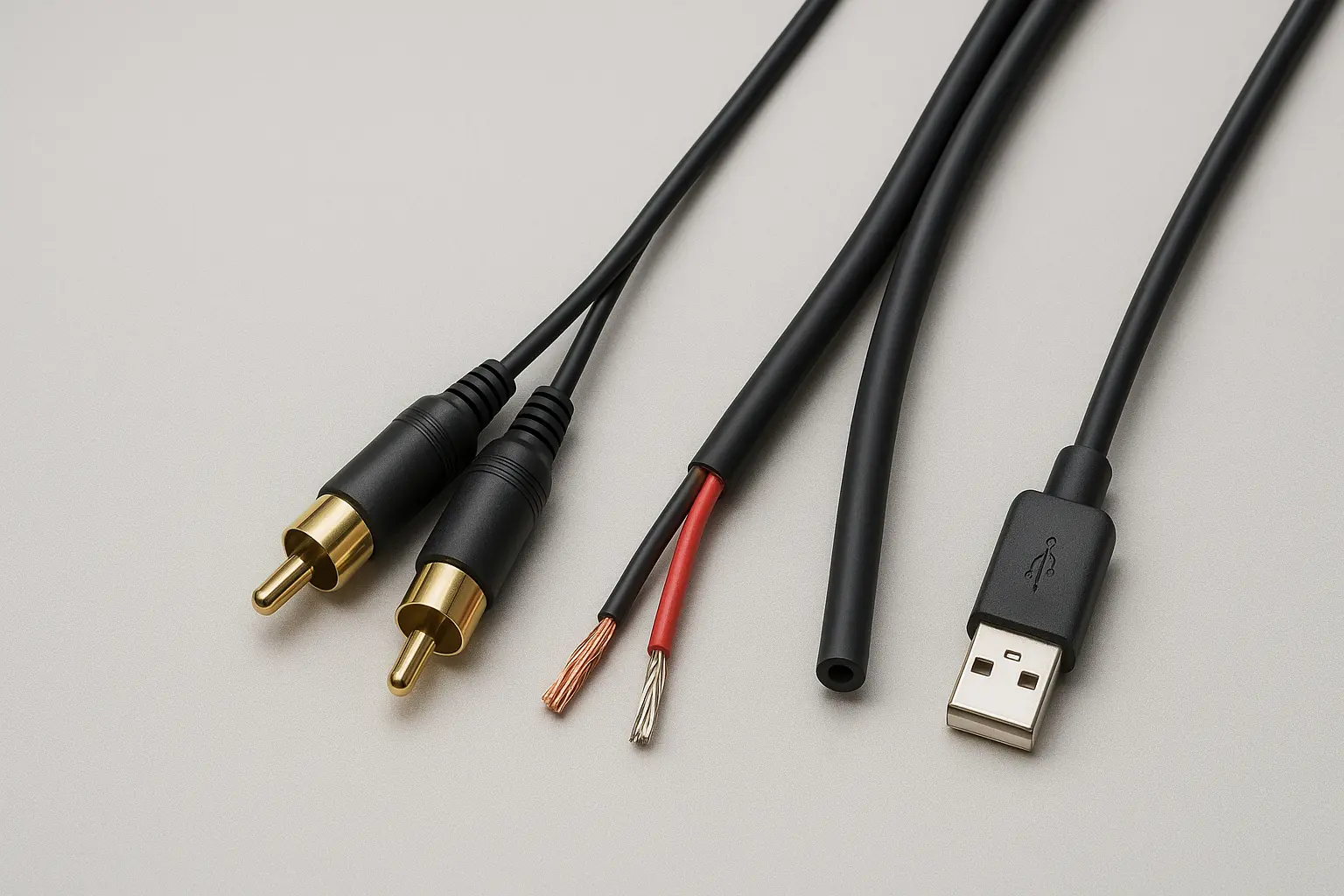
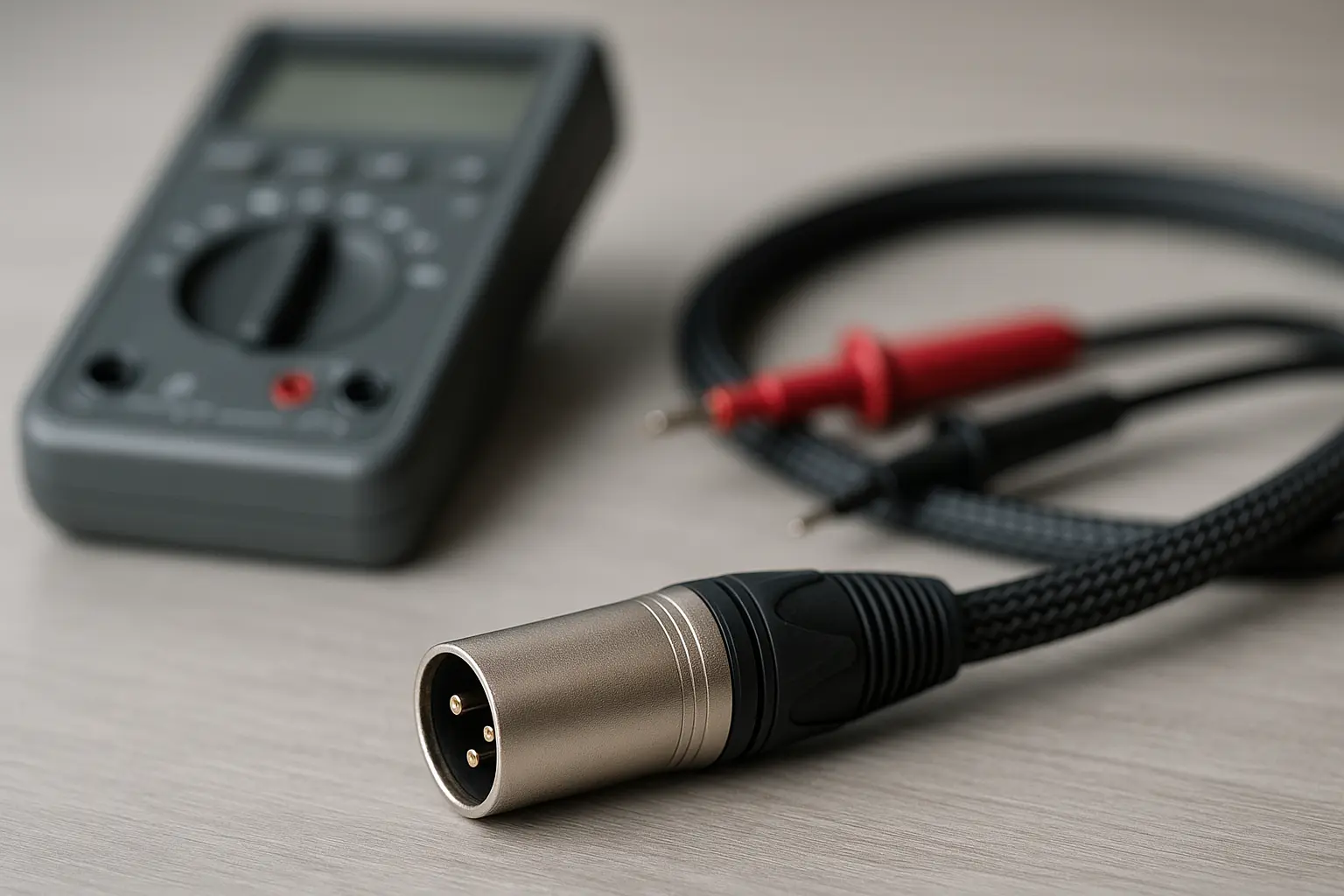
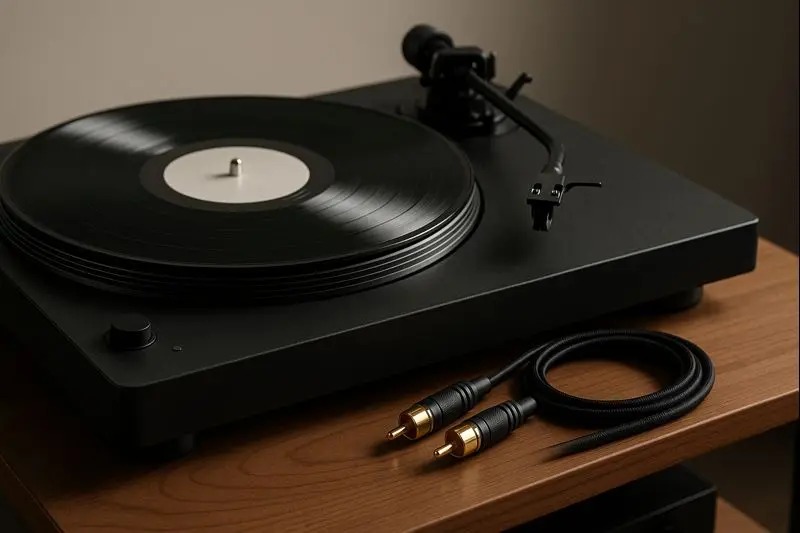
The Essential Audio Cable Types and Their Uses in 2025
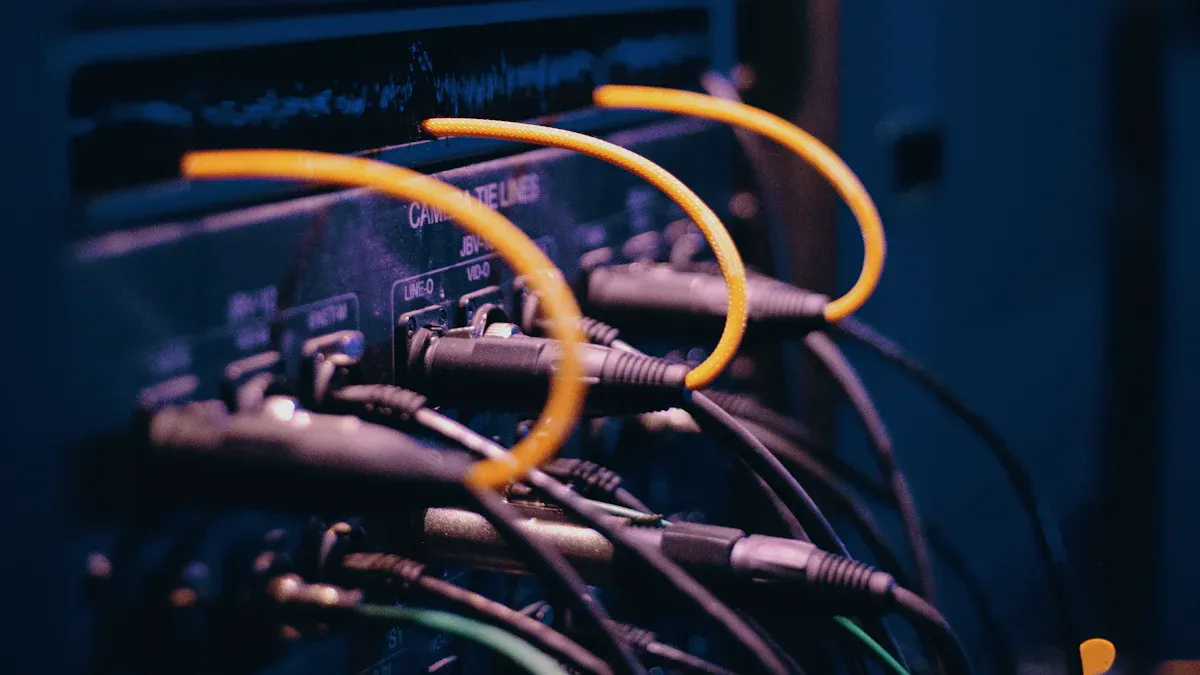
Audio cables form the backbone of modern audio systems, ensuring precise sound transmission across diverse devices. Their importance has surged due to advancements in audio technology and growing consumer demand for high-performance setups. Several factors highlight this trend:
- The digital audio cable market is on track to grow from USD 1.2 billion in 2024 to USD 2.5 billion by 2033, driven by rising interest in high-fidelity audio experiences.
- Home entertainment systems and professional audio sectors have expanded significantly, increasing the need for reliable microphone cables, speaker cables, and headphone cables.
- Rapid urbanization and higher disposable incomes in regions like Asia-Pacific, particularly in countries such as China and Thailand, contribute to the demand for products like made in Thailand audio cables.
This growing reliance on quality cables emphasizes their role in delivering superior sound performance.
Key Takeaways
- Learn the difference between analog and digital audio cables. Analog cables carry sound as smooth waves, while digital cables send data in 1s and 0s for clear sound.
- Use balanced cables for professional audio setups. They block noise and keep sound clear over long distances, perfect for microphones and studios.
- Pick the right cable for your gear. Each cable has a job, like XLR for microphones or USB for digital devices, to work best.
- Buy good-quality cables for better sound and longer use. Stronger cables cost more but improve sound and last longer.
- Get cables that work with future tech. Choose ones that can connect to new devices to keep your system up-to-date.
The Basics of Audio Cables: Analog vs. Digital and Balanced vs. Unbalanced
Analog vs. Digital Audio Cables
Audio cables fall into two primary categories: analog and digital. Analog cables transmit sound as continuous electrical signals, closely mimicking the original audio waveform. Digital cables, on the other hand, carry sound as binary data, ensuring precise reproduction of the original audio.
Technical testing reveals measurable differences in performance between these two types. Analog cables exhibit distinct electrical properties that influence sound quality. For instance, variations in impedance and capacitance can affect the clarity and warmth of the audio signal. Digital cables, such as USB cables, demonstrate performance improvements based on length. Shorter USB cables reduce jitter and distortion, enhancing the analog output of digital-to-analog converters (DACs).
Analog cables, like RCA and XLR, are ideal for traditional setups, offering compatibility with older equipment. Digital cables, including USB and optical, excel in modern systems, delivering high-fidelity sound with minimal interference.
Balanced vs. Unbalanced Connections
Balanced and unbalanced connections differ in their design and application. Balanced connections use two conductors for differential signaling, effectively canceling out noise through common-mode rejection. Unbalanced connections rely on a single conductor, making them more susceptible to interference.
| Aspect | Balanced Connections | Unbalanced Connections |
|---|---|---|
| Signal Type | Uses two conductors for differential signaling, reducing noise from interference. | Uses a single conductor, more susceptible to noise. |
| Noise Immunity | High, due to common-mode rejection ratio (CMRR) that cancels out interference. | Low, as it does not cancel out noise effectively. |
| Application | Essential for low-level signals like microphones; effective over long distances. | Suitable for short connections in home audio. |
| Connector Type | Typically uses XLR connectors for reliability. | Often uses RCA connectors, less robust. |
Balanced connections are essential for professional audio setups, especially for microphones and long cable runs. Unbalanced connections work well for home audio systems, where shorter distances reduce the risk of noise interference.
Analog Audio Cable Types and Their Applications
TS Cables: Ideal for Instruments
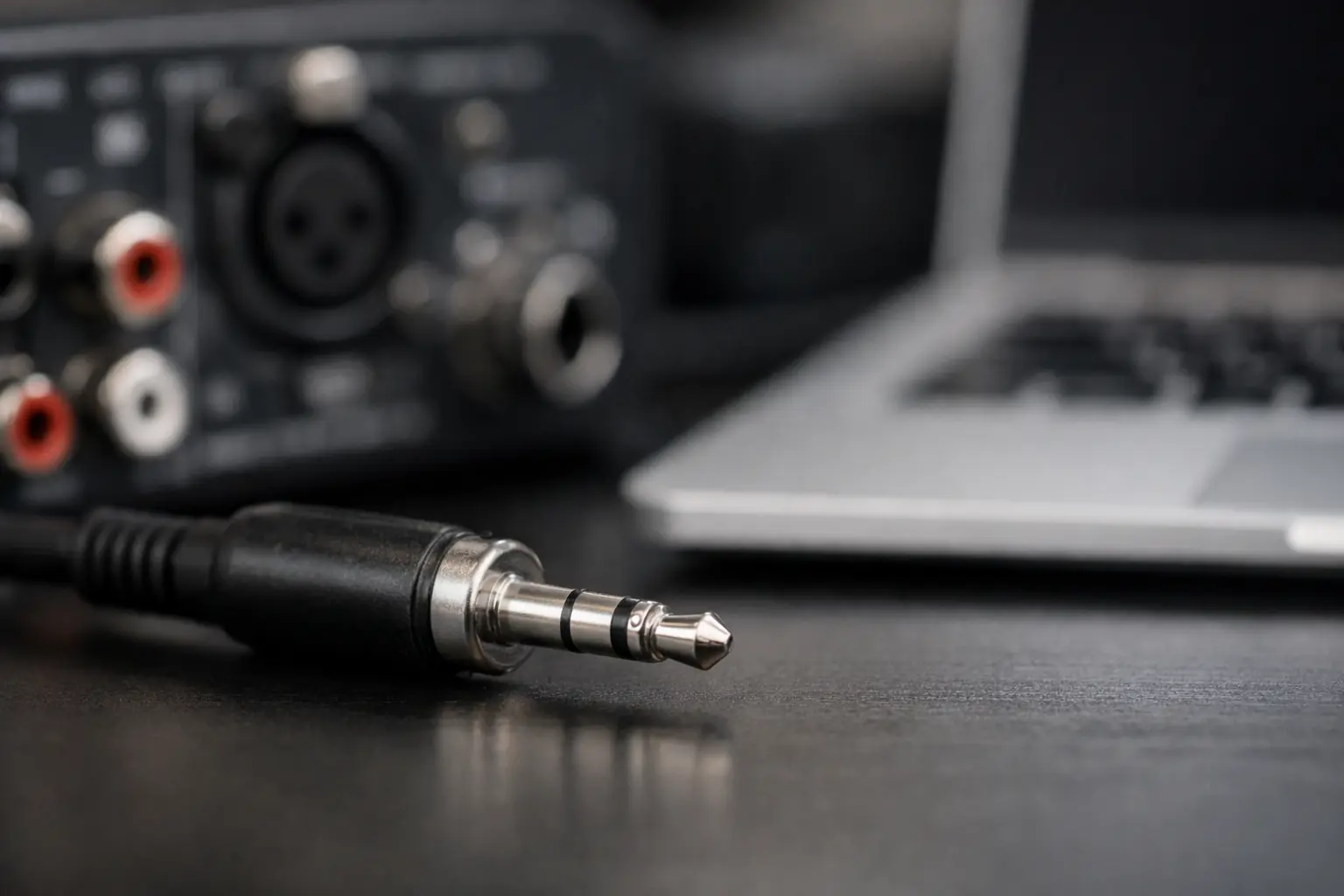
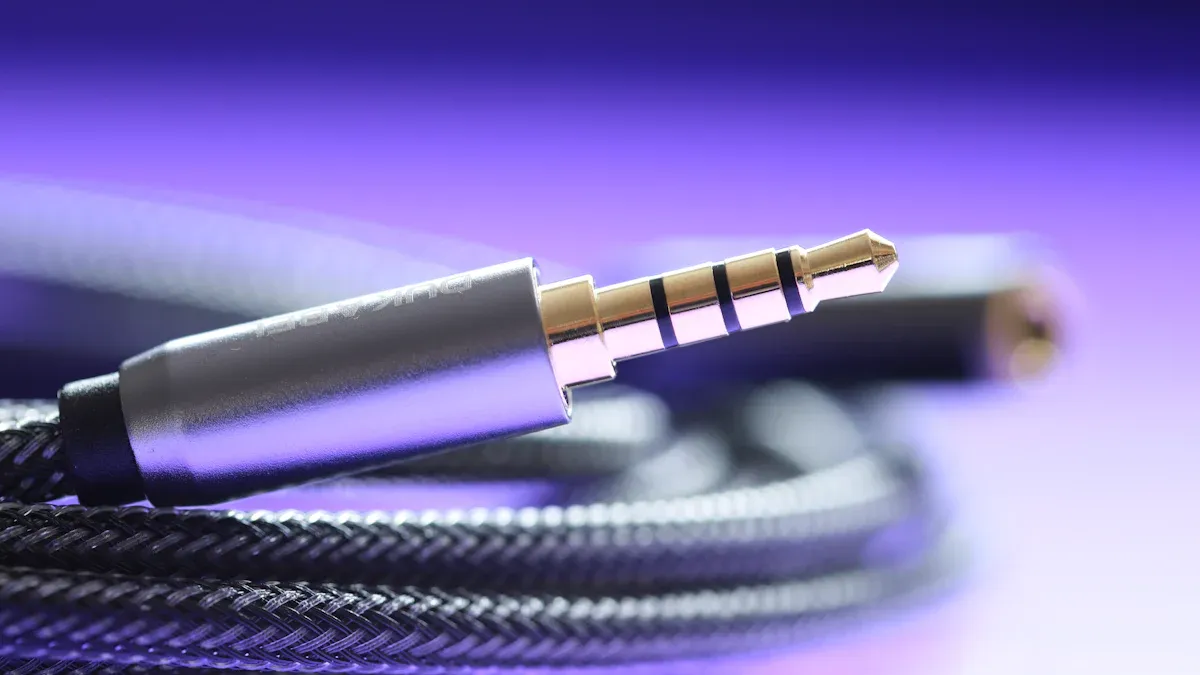
TS cables, short for Tip-Sleeve cables, are essential for connecting musical instruments like guitars and keyboards. These cables are specifically designed for mono unbalanced transmissions, making them ideal for setups where simplicity and reliability are paramount.
- Structure: TS cables consist of two conductors separated by insulation. The tip carries the audio signal, while the sleeve serves as the ground line.
- Applications: Musicians frequently use TS cables to connect electric guitars to amplifiers or keyboards to audio interfaces. Their straightforward design ensures consistent performance in live and studio environments.
- Considerations: While TS cables are often confused with TRS cables, their mono connection capability makes them less suitable for stereo or balanced audio setups. Selecting the right type of audio cable significantly influences sound quality, emphasizing the importance of understanding their specific use cases.
Tip: For optimal sound transmission, ensure the TS cable length matches the requirements of your setup. Longer cables may introduce signal degradation, especially in unbalanced connections.
TRS Cables: Balanced and Stereo Connections
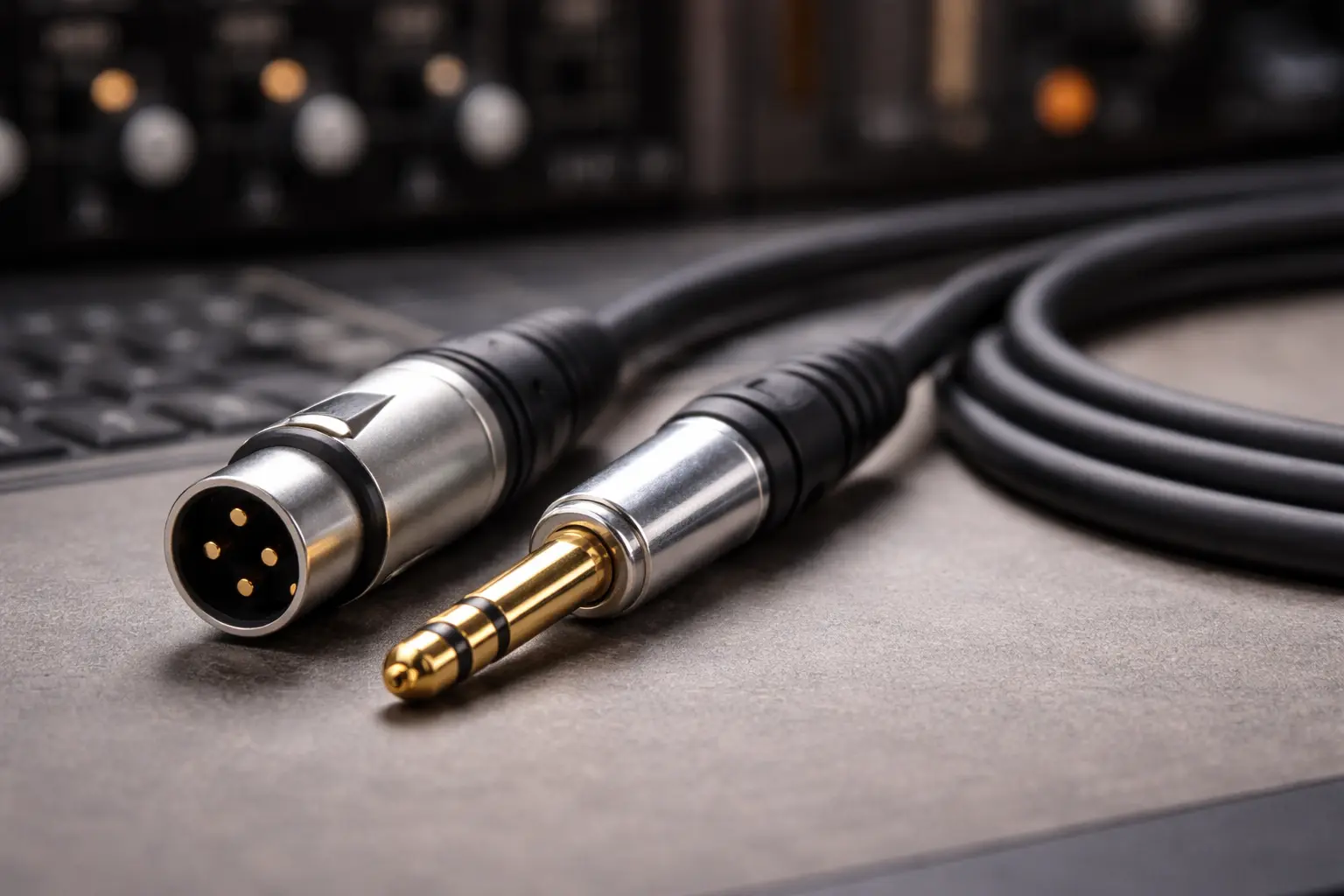
TRS cables, or Tip-Ring-Sleeve cables, offer versatility in audio setups by supporting both balanced mono and unbalanced stereo connections. Their design minimizes noise interference, making them indispensable for professional audio systems.
- Performance: TRS cables excel in preserving audio clarity over long distances. They are commonly used to connect audio interfaces to studio monitors, ensuring accurate sound reproduction during mixing and monitoring.
- Design: These cables feature three conductors—positive, negative, and ground—when used for balanced mono connections. Alternatively, they can carry stereo audio by utilizing two conductors for left and right channels.
- Applications: TRS cables are widely employed in professional setups, including connecting audio equipment to video cameras and editing consoles. Technological advancements, such as improved shielding and reduced signal loss, have further enhanced their reliability.
Note: When choosing TRS cables, consider the specific requirements of your audio system. Balanced connections are ideal for reducing noise, while stereo configurations are perfect for delivering immersive sound experiences.
XLR Cables: Professional Audio and Microphones
XLR cables are synonymous with professional audio setups, offering unmatched reliability and performance for microphones and other equipment. Their robust design and balanced connection capabilities make them a staple in studios and live performances.
- Performance Metrics: Blind ABX testing has demonstrated that XLR cables can influence sound quality, particularly with low-level microphone signals. High-quality cables prevent signal degradation, ensuring pristine audio transmission.
- Directional Properties: Some studies have noted slight performance variations based on the directional properties of drawn wire, highlighting the importance of cable design in achieving optimal results.
- Applications: XLR cables are essential for connecting microphones to mixers, patch systems, and other audio equipment. Their ability to maintain signal integrity over long distances makes them ideal for professional environments.
Tip: Invest in high-quality XLR cables to avoid sound degradation in complex setups. Reliable cables ensure consistent performance, even in demanding conditions.
RCA Cables: Home Audio and Consumer Electronics
RCA cables have remained a cornerstone of home audio and consumer electronics for decades. Their enduring popularity stems from their versatility, affordability, and compatibility with a wide range of devices. These cables, often recognized by their red, white, and yellow connectors, are primarily used for transmitting analog audio and video signals.
Key Features and Applications
RCA cables excel in connecting components like speakers, amplifiers, and receivers in home audio systems. They ensure seamless signal transmission, making them indispensable for setups that rely on analog connections. Despite the rise of digital alternatives, RCA cables continue to hold a strong position in the market due to their reliability and ease of use.
- Home Entertainment Systems: RCA cables play a vital role in linking older audio equipment, such as CD players and turntables, to modern amplifiers and speakers. This compatibility ensures that users can enjoy high-quality sound without replacing their existing devices.
- Consumer Electronics: Televisions, gaming consoles, and DVD players often utilize RCA cables for audio and video output. Their straightforward design simplifies the connection process, making them a user-friendly option for households.
Market Insights
The consumer electronics market highlights the relevance of RCA cables in today's audio setups. The following table summarizes their market presence and performance:
| Aspect | Details |
|---|---|
| Market Presence | RCA cables maintain a strong presence in the market despite newer technologies. |
| Compatibility | They are versatile and compatible with a wide range of audio and video equipment. |
| Affordability | RCA cables are known for their affordability and reliability. |
| Relevance | They remain a staple in households, especially where older equipment is still in use. |
Performance Considerations
While RCA cables are widely used, performance reviews suggest that differences in sound quality among various brands are often minimal. For most users, standard RCA cables deliver satisfactory results, especially when paired with a digital signal processor for calibration. Premium cables may offer slight improvements, but these are typically negligible in everyday applications.
Tip: When selecting RCA cables, prioritize build quality and shielding to minimize interference. This ensures consistent performance, particularly in environments with multiple electronic devices.
RCA cables continue to serve as a reliable and cost-effective solution for home audio and consumer electronics. Their ability to bridge the gap between older and newer technologies makes them an essential component in many households.
Digital Audio Cable Types and Their Features
USB Cables: Versatile and Widely Used
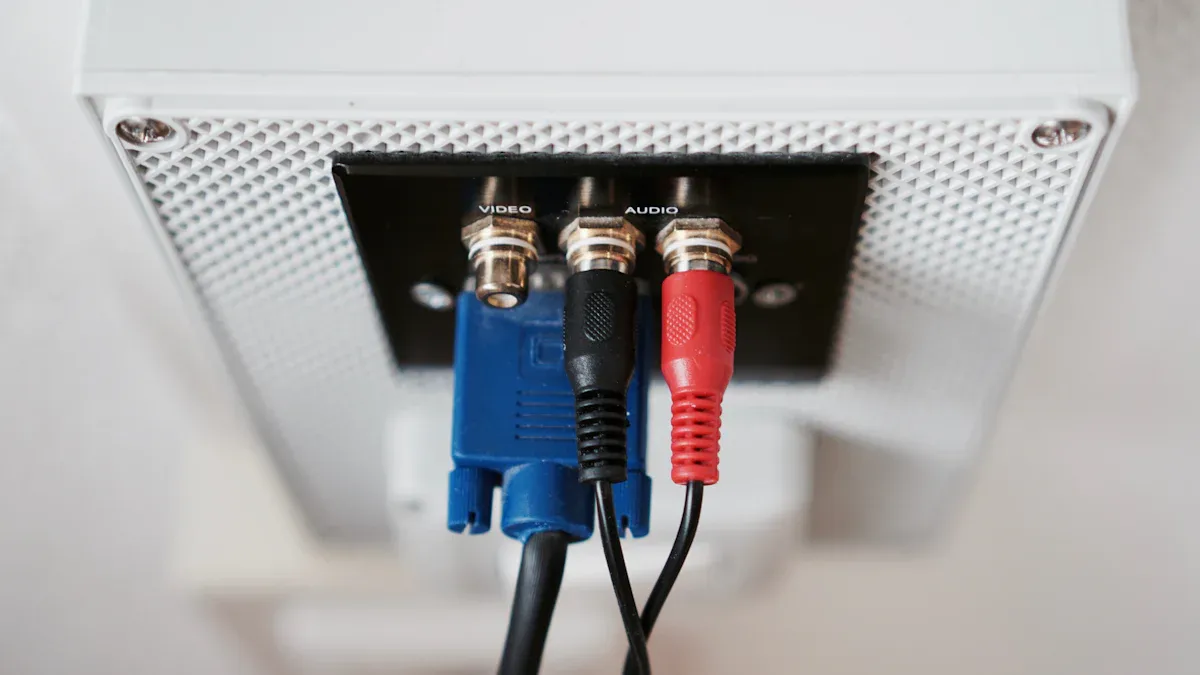
USB cables have become a cornerstone of modern audio setups due to their versatility and widespread compatibility. These cables support both audio and data transmission, making them indispensable for connecting devices such as audio interfaces, microphones, and digital-to-analog converters (DACs).
Key Features
- Universal Compatibility: USB cables work seamlessly with computers, tablets, and smartphones, ensuring easy integration into diverse audio systems.
- High-Speed Data Transfer: USB cables enable rapid data transmission, reducing latency during audio playback and recording.
- Power Delivery: Many USB cables also provide power to connected devices, eliminating the need for separate power sources.
Applications
USB cables are widely used in home studios and professional environments. Musicians rely on them to connect MIDI controllers to computers, while podcasters use them for high-quality microphone recordings. Their ability to handle both audio and data makes them ideal for setups requiring real-time processing.
Tip: Shorter USB cables often deliver better performance by minimizing jitter and distortion, enhancing audio fidelity in critical applications.
Optical/Toslink Cables: High-Quality Digital Audio
Optical cables, commonly referred to as Toslink cables, are renowned for their ability to transmit digital audio signals using light. This unique approach ensures exceptional sound quality and immunity to interference, making them a preferred choice for audiophiles and professionals.
Performance Benchmarks
- Long-Distance Transmission: Toslink cables maintain signal integrity over extended distances, making them suitable for large venues and home theaters.
- Resistance to Interference: These cables are immune to radio frequency (RFI) and electromagnetic interference (EMI), ensuring distortion-free audio.
- Superior Sound Quality: By transmitting audio as light signals, Toslink cables avoid the degradation associated with electrical connections.
Applications
Toslink cables are commonly used to connect devices like Blu-ray players, soundbars, and gaming consoles to audio receivers. Their ability to deliver high-fidelity sound makes them ideal for setups prioritizing audio clarity.
- Pro Tip: When setting up a home theater, Toslink cables can enhance the listening experience by providing impeccable sound quality without interference.
MIDI Cables: Connecting Musical Instruments
MIDI cables play a vital role in the world of music production by enabling communication between electronic musical instruments and computers. Unlike other audio cables, MIDI cables transmit data rather than sound, allowing musicians to control and synchronize devices.
Key Features
- Data Transmission: MIDI cables send information such as note, velocity, and timing, enabling precise control over musical instruments.
- Low Latency: These cables ensure real-time communication, critical for live performances and studio recordings.
- Durability: High-quality MIDI cables are designed to withstand frequent use, ensuring reliability in demanding environments.
Applications
MIDI cables are essential for connecting keyboards, drum machines, and synthesizers to computers or audio interfaces. They are widely used in music production, allowing artists to create complex arrangements and control multiple devices simultaneously.
Note: Pairing MIDI cables with compatible software can unlock advanced features, enhancing creativity and workflow efficiency.
Specialized Audio Cables for Specific Needs
Speaker Cables: Powering Your Speakers
Speaker cables are critical for transmitting amplified audio signals from amplifiers to speakers. Their design ensures minimal signal loss, preserving sound quality and delivering consistent performance. These cables are essential in both home audio systems and professional sound setups, where power and clarity are paramount.
The performance of speaker cables depends on factors such as gauge, material, and resistance. Lower gauge numbers, such as 12 AWG, offer better conductivity and reduced resistance, making them suitable for high-power applications. Materials like oxygen-free copper enhance signal transmission by minimizing resistance and distortion. Silver-plated copper, while more expensive, provides superior conductivity for audiophiles seeking the highest sound fidelity.
| Cable Type | Gauge (AWG) | Material | Resistance Impact |
|---|---|---|---|
| 12 AWG | 12 | Copper/Oxygen-free | Lower resistance, better signal |
| 16 AWG | 16 | Copper | Higher resistance, more signal loss |
| Silver-plated Copper | N/A | Silver-plated Copper | Best conductivity, higher cost |
Speaker cables are indispensable in scenarios requiring high-quality audio output, such as live concerts and home theaters. Selecting the right cable ensures optimal performance, especially in setups with long cable runs or high-power demands.
Tip: For long distances, use lower-gauge cables to minimize resistance and maintain sound quality.
Instrument Cables: Guitars and Keyboards
Instrument cables are designed to connect musical instruments, such as electric guitars and keyboards, to amplifiers or audio interfaces. These cables prioritize durability and signal integrity, ensuring reliable performance in both live and studio environments.
The construction of instrument cables typically includes a single conductor for the audio signal and a shield to protect against electromagnetic interference (EMI). This shielding is crucial for maintaining signal clarity, especially in environments with multiple electronic devices.
Specialized use cases highlight the importance of instrument cables in professional audio setups:
- A/C Cables: Essential for power distribution in live productions.
- Insert/Y Cables: Useful for splitting or combining signals in complex audio configurations.
- MIDI Cables: Critical for connecting MIDI devices in both live and studio settings.
Musicians often rely on high-quality instrument cables to ensure consistent sound output. Premium cables with enhanced shielding and robust connectors reduce noise and improve durability, making them a worthwhile investment for professionals.
Note: Regularly inspect instrument cables for wear and tear to avoid signal degradation during performances.
Choosing the Right Audio Cable for Your Setup
Equipment Compatibility and Requirements
Selecting the right audio cable begins with understanding equipment compatibility. Each audio system has unique requirements, and cables must align with these specifications to ensure optimal performance. Compatibility testing results highlight key considerations:
| Aspect | Recommendation |
|---|---|
| Cable Type | Use shielded cables for environments with external noise and interference. |
| Signal Integrity | Ensure proper wiring pairings and groupings to maintain signal integrity. |
| Shielding | Employ metallic shielding to reduce electromagnetic interference. |
System synergy plays a vital role in cable selection. Different cables perform variably depending on the audio system used. Audiophiles often recommend testing the sound of stock cables before upgrading. This approach helps identify desired improvements and ensures the new cable complements the system's characteristics.
Tip: For setups in noisy environments, prioritize cables with robust shielding to minimize interference and maintain signal clarity.
Balancing Budget and Quality
Balancing cost and performance is crucial when choosing an audio cable. Higher-quality cables often justify their price through durability and enhanced sound clarity. Features like gauge, shielding, and balanced connections significantly impact quality.
| Aspect | Description |
|---|---|
| Cost | Higher quality cables are more expensive but offer better durability and performance over time. |
| Quality | Features like gauge, shielding, and type (balanced vs. unbalanced) significantly impact quality. |
| Investment Value | Investing in high-quality cables can reduce the need for replacements, enhancing long-term value. |
Musicians and audiophiles frequently opt for reputable brands to ensure reliability. Popular choices include:
- Mogami - Known for exceptional sound clarity and durability.
- Canare - Offers excellent noise reduction features.
- Pro Co - Balances quality and cost effectively.
Note: Investing in premium cables reduces replacement frequency, making them a cost-effective choice in the long run.
Future-Proofing Your Audio System
Future-proofing an audio system requires selecting cables that adapt to evolving technologies. Flexible and scalable networked digital audio solutions simplify setups by replacing multiple cables with a single network cable. This approach reduces clutter and costs while ensuring compatibility with future advancements.
| Evidence Description | Key Points |
|---|---|
| Flexible and scalable networked digital audio solution | Adapts to evolving needs, ensuring audio investments last over time. |
| Commitment to innovation | Regular updates integrate latest advancements, reducing need for hardware replacements. |
| Simplification of audio setup | Replaces multiple cables with a single network cable, reducing clutter and costs. |
| Alignment with latest trends | Seamless integration of new technologies keeps setups modern and effective. |
Regular updates to cable designs ensure alignment with industry trends. Audiophiles benefit from cables that integrate seamlessly with new technologies, keeping their systems modern and effective.
Pro Tip: Choose cables from manufacturers committed to innovation. This ensures your audio system remains compatible with future advancements.
Understanding the different types of audio cables and their specific uses is essential for achieving optimal sound quality. High-quality cables enhance signal transmission, reduce interference, and improve overall system performance. Factors like material conductivity and cable geometry play a critical role in delivering superior audio experiences. Investing in premium cables ensures better efficiency and longevity for audio components.
For reliable and high-performance solutions, NINGBO JINGYI ELECTRONIC Co., LTD. offers a wide range of audio cables. Lynn, Manager of the Foreign Trade Department, can assist with inquiries. Explore their offerings on their Facebook page.
FAQ
What is the difference between analog and digital audio cables?
Analog cables transmit sound as continuous electrical signals, while digital cables carry sound as binary data. Analog cables, such as RCA and XLR, are ideal for traditional setups. Digital cables, like USB and Toslink, deliver high-fidelity sound with minimal interference, making them suitable for modern systems.
Why are balanced connections better for professional audio setups?
Balanced connections use two conductors and cancel out noise through common-mode rejection. This design ensures clear audio transmission over long distances, making them essential for microphones and professional environments. Unbalanced connections, in contrast, are more prone to interference and work best for short distances.
How do I choose the right cable for my audio system?
Start by identifying your equipment's compatibility and requirements. Consider factors like cable type, shielding, and length. For noisy environments, select cables with robust shielding. Investing in high-quality cables ensures better durability and performance, enhancing your audio experience.
Are expensive audio cables worth the investment?
Premium cables often provide better shielding, durability, and signal clarity. While the differences may be subtle in some setups, high-quality cables reduce interference and last longer. For professional or high-fidelity systems, the investment can significantly improve performance.
Can I use one type of cable for all audio devices?
No single cable works universally for all devices. Each cable type serves specific purposes. For example, XLR cables are ideal for microphones, while USB cables connect digital devices. Understanding your setup's needs ensures you select the most suitable cable for optimal performance.