




The Rise Of Hybrid 1/4 to XLR Cables Versatility In Multi System Stage Setups
Audio professionals increasingly rely on hybrid 1/4 to XLR cables to connect diverse systems seamlessly. These cables ensure smooth integration between instruments, mixers, and amplifiers. Their durability, compatibility, and superior signal quality enhance performance in live setups. Unlike traditional options like an XLR to XLR cable, they adapt to evolving needs with greater efficiency. From bridging analog and digital devices to replacing a 1/4 to 1/4 jack cable, they simplify operations. Additionally, modern innovations, such as the XLR to type C audio cable, complement their versatility, making them indispensable in any stage setup.
Key Takeaways
- 1/4 to XLR cables link audio devices for clear sound. They help reduce noise and are great for live shows or studios.
- These cables are strong and built to last. They are dependable for people who work with audio often. Good cables improve sound and last longer.
- 1/4 to XLR cables make tricky audio setups easier. They connect old and new systems, working well with many devices.
Understanding 1/4 to XLR Cables
What Are 1/4 to XLR Cables?
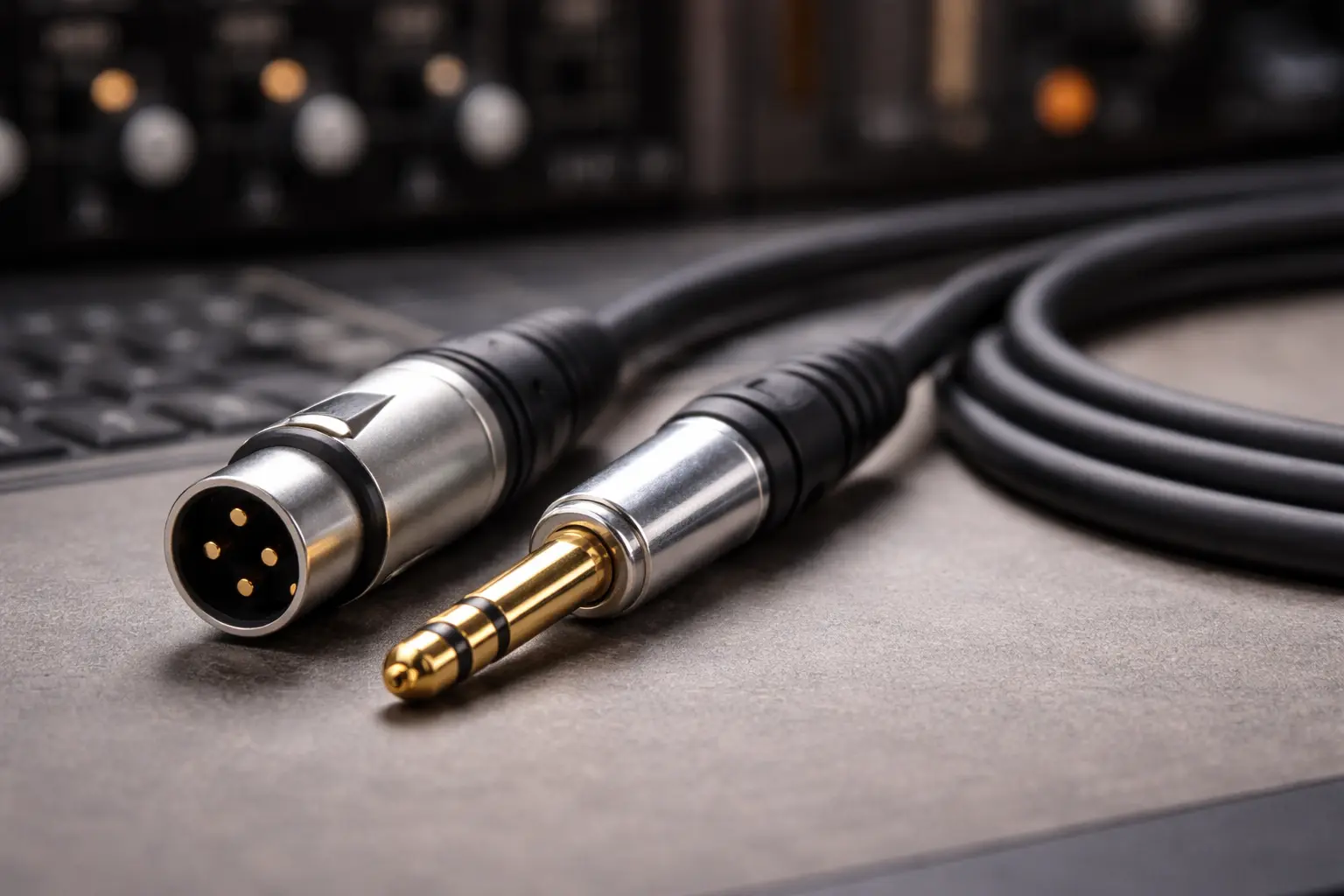
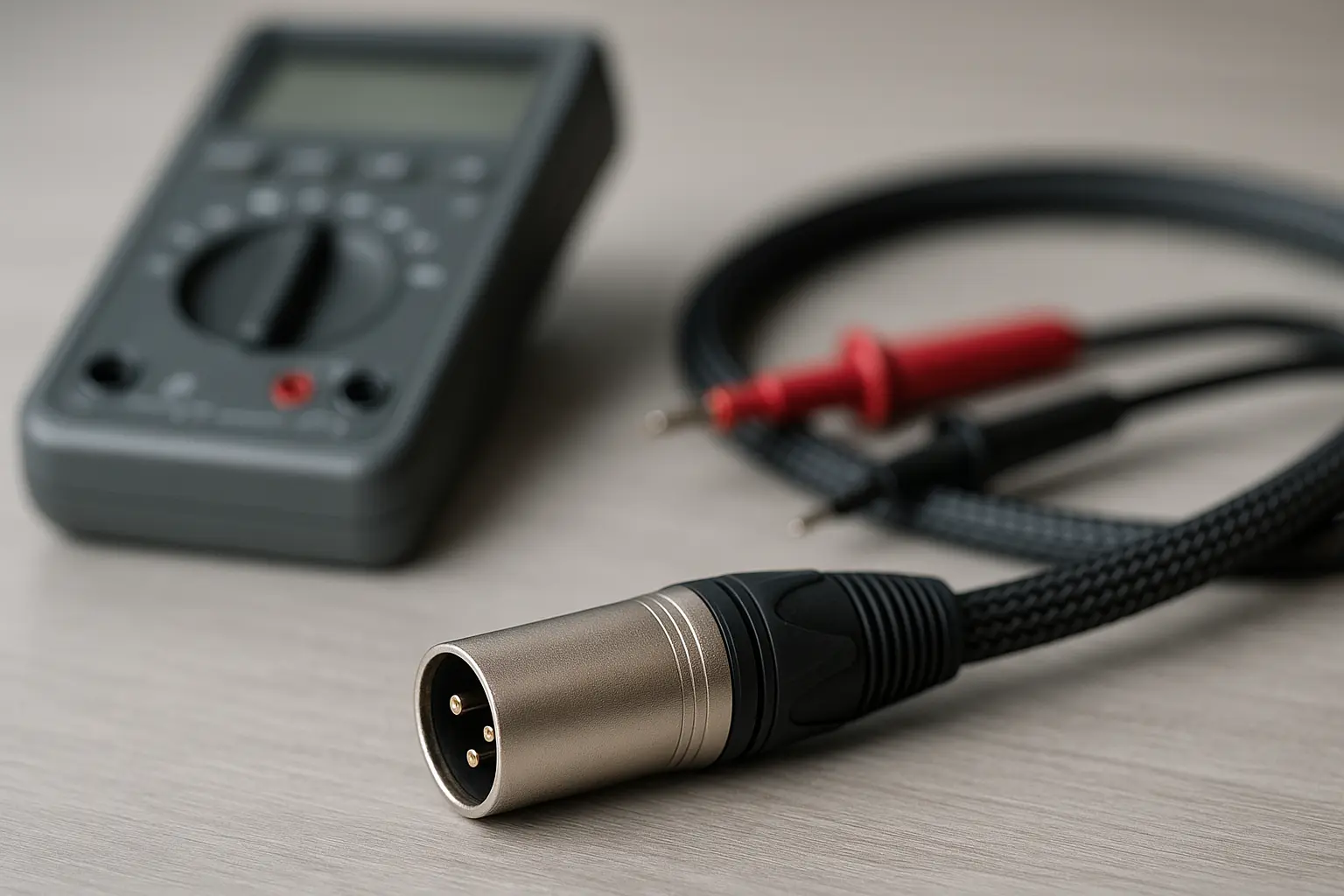
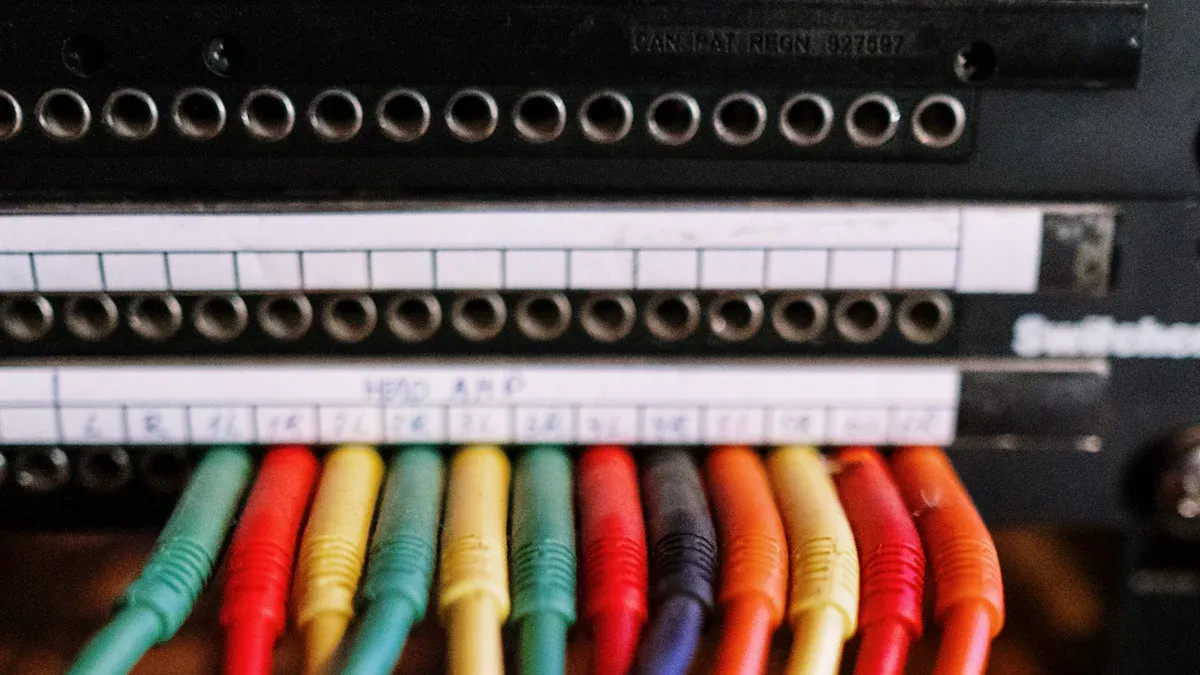
1/4 to XLR cables are hybrid audio connectors designed to bridge devices with different input and output types. The 1/4-inch connector, often found on instruments like guitars and keyboards, pairs seamlessly with the XLR connector, which is common in professional audio equipment such as microphones and mixers. This combination allows audio professionals to connect diverse systems without compromising signal quality.
The evolution of these cables reflects the growing demand for versatile audio solutions. For instance:
| Cable Type | Key Features | Year Introduced |
|---|---|---|
| XLR | Locking mechanism, improved insulation | 1950s |
| 1/4" TRS | Versatile for instruments and audio gear | 1950s onwards |
The hybrid design of 1/4 to XLR cables simplifies complex setups, making them essential in both live performances and studio environments.
How Do 1/4 to XLR Cables Work in Audio Systems?
These cables function by transmitting audio signals between devices with different connector types. The 1/4-inch connector typically handles unbalanced signals, while the XLR connector supports balanced signals, which reduce noise interference. When paired, they ensure smooth signal transmission, even in challenging environments like crowded stages or noisy studios.
The rise of the music production industry and the demand for high-quality audio transmission have driven the popularity of these cables. Their ability to connect instruments, mixers, amplifiers, and other devices highlights their versatility. By bridging analog and digital systems, they enable seamless integration across diverse audio setups.
Tip: Using high-quality 1/4 to XLR cables, such as those from NINGBO JINGYI ELECTRONIC Co., LTD., ensures durability and optimal performance in professional settings.
Key Features and Benefits of 1/4 to XLR Cables
Durability and High-Quality Construction
1/4 to XLR cables are built to endure the demands of professional audio environments. Their robust construction ensures they can handle frequent use without compromising performance. Manufacturers subject these cables to rigorous testing to meet the highest standards of durability. Key attributes include:
- Resistance to wear and tear from daily handling.
- Longevity, providing years of reliable sound quality.
- Ability to maintain exceptional performance under challenging conditions.
These features make them a dependable choice for live performances, studio recordings, and other demanding applications. NINGBO JINGYI ELECTRONIC Co., LTD. exemplifies this commitment to quality by producing cables designed for heavy-duty use while delivering crystal-clear audio.
Compatibility with a Wide Range of Devices
The hybrid design of 1/4 to XLR cables allows seamless integration across various audio systems. These cables connect instruments, mixers, amplifiers, and other equipment effortlessly. Their versatility eliminates the need for multiple adapters, simplifying complex setups. Audio professionals value their ability to bridge analog and digital systems, ensuring compatibility with both modern and legacy devices. This adaptability makes them an essential tool for musicians, sound engineers, and event technicians.
Superior Signal Transmission and Noise Reduction
High-quality 1/4 to XLR cables excel in delivering superior signal transmission while minimizing noise interference. Their advanced technical specifications ensure optimal performance in any environment. For example:
| Feature | Description |
|---|---|
| Shield Type | 98% Braided |
| Connector Plating | Gold |
| Conductors | OFC conductors, 22 gauge |
| Noise Reduction | Twin conductive PVC inner shields and noise-reducing yarn wrap reduce outside noise interference. |
| Signal Quality | Superior signal quality over both short and long distances. |
| Applications | Suitable for live stage performance, studio recording, and various audio setups. |
These features ensure that audio signals remain clear and free from distortion, even in noisy environments. By choosing cables from trusted manufacturers like NINGBO JINGYI ELECTRONIC Co., LTD., users can achieve professional-grade sound quality.
Portability and Ease of Use in Stage Environments
1/4 to XLR cables are designed with portability in mind. Their lightweight and flexible construction make them easy to transport and deploy in dynamic stage setups. The connectors fit securely, ensuring stable connections during performances. This ease of use allows audio professionals to focus on delivering exceptional sound without worrying about technical issues. Whether for a small gig or a large concert, these cables provide the reliability and convenience needed for seamless operation.
Tip: Keeping a set of high-quality 1/4 to XLR cables on hand ensures readiness for any audio challenge, enhancing efficiency and performance.
Applications of 1/4 to XLR Cables in Multi-System Stage Setups
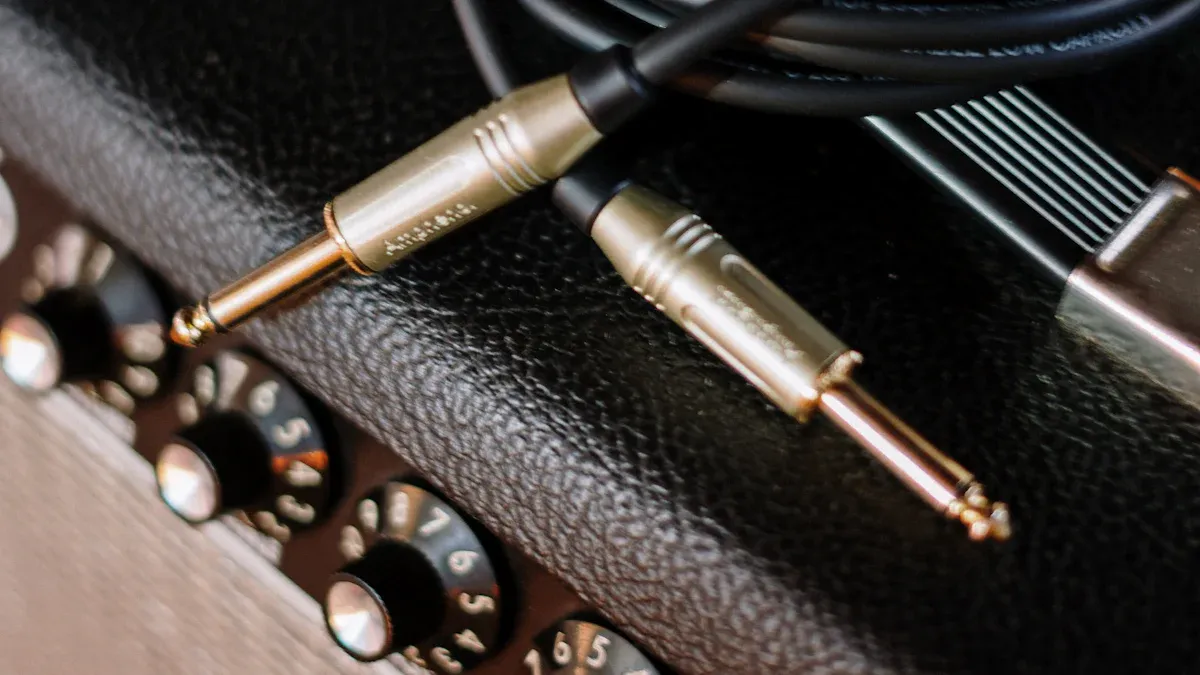
Connecting Instruments to Mixers and Amplifiers
1/4 to XLR cables play a vital role in connecting musical instruments to mixers and amplifiers. Instruments like electric guitars, keyboards, and synthesizers often feature 1/4-inch outputs, while mixers and amplifiers rely on XLR inputs for balanced signal transmission. These cables bridge the gap, ensuring seamless integration between devices.
Musicians benefit from the ability to maintain signal integrity during live performances. The balanced XLR connection reduces noise interference, even in high-volume environments. This feature is particularly useful for large venues where sound clarity is critical. By using high-quality cables, such as those offered by NINGBO JINGYI ELECTRONIC Co., LTD., performers can achieve consistent audio output without technical disruptions.
Note: Always test connections before performances to ensure optimal sound quality and avoid last-minute issues.
Bridging Analog and Digital Audio Systems
Modern audio setups often combine analog and digital systems, creating challenges for compatibility. 1/4 to XLR cables simplify this process by acting as a bridge between these two formats. Analog devices, such as traditional instruments and vintage mixers, connect effortlessly to digital interfaces and processors through these hybrid cables.
This capability is essential for sound engineers who work with diverse equipment. For example, a studio might use analog microphones alongside digital recording software. The cables ensure smooth signal transmission, preserving audio quality across formats. Their versatility makes them indispensable for professionals managing complex setups.
| Scenario | Solution | Benefit |
|---|---|---|
| Analog instrument to digital mixer | 1/4 to XLR cable connection | Seamless integration |
| Vintage equipment to modern interface | Hybrid cable compatibility | Preserved audio fidelity |
Enhancing Live Performances and Studio Recordings
Live performances and studio recordings demand precision and reliability. 1/4 to XLR cables enhance both by delivering clear, distortion-free audio. During live events, these cables ensure stable connections between instruments, microphones, and sound systems. Their durability withstands the rigors of stage setups, including frequent plugging and unplugging.
In studio environments, the cables contribute to high-quality recordings. They minimize noise interference, allowing engineers to capture clean audio tracks. Musicians and producers rely on these cables to maintain consistency across sessions, ensuring professional-grade results.
Tip: Invest in cables with gold-plated connectors for improved conductivity and reduced signal loss during critical performances or recordings.
Adapting to Complex and Dynamic Audio Setups
Dynamic audio setups often involve multiple devices, varying signal types, and unpredictable configurations. 1/4 to XLR cables adapt to these challenges with ease. Their hybrid design accommodates diverse equipment, enabling quick adjustments during live events or studio sessions.
For example, a sound engineer managing a concert might need to connect a guitar to a mixer while simultaneously linking a microphone to an amplifier. These cables streamline the process, reducing setup time and ensuring compatibility. Their flexibility makes them a go-to solution for professionals handling intricate audio systems.
Callout: NINGBO JINGYI ELECTRONIC Co., LTD. offers cables designed for adaptability, ensuring reliable performance in even the most demanding scenarios.
Industry Trends and Innovations in 1/4 to XLR Cables
Advances in Hybrid Cable Technology
The hybrid cable industry has witnessed remarkable advancements, driven by the need for integration, efficiency, and superior performance. Innovations in materials, such as precious metal hybrid conductors, have enhanced sonic characteristics, delivering a more detailed and transparent listening experience. Engineers now focus on precise conductor matching to improve audio quality, making hybrid cables a preferred choice for professionals.
| Key Trends | Description |
|---|---|
| Focus on Integration and Efficiency | Demand for integrated solutions in telecommunications and energy management is increasing. |
| Sustainability Initiatives | Growing emphasis on environmentally friendly practices is influencing hybrid cable adoption. |
| Technological Advancements | Innovations in smart technologies and materials are enhancing hybrid cable performance. |
| Global Market Expansion | Emerging markets are showing rising demand for hybrid cables, creating new opportunities. |
| Collaborative Opportunities | Partnerships among industry stakeholders are improving product availability and effectiveness. |
These trends highlight the industry's commitment to meeting the evolving needs of audio professionals and consumers.
Meeting the Needs of Modern Audio Professionals
Modern audio professionals demand cables that deliver high-quality audio transmission and adapt to diverse setups. Hybrid cable technology addresses these needs by offering advanced shielding techniques to reduce interference and ensure clarity.
- Advances in cable design enhance sonic integration, providing a richer audio experience.
- Compatibility with both analog and digital systems supports seamless transitions in complex setups.
- The rise of home studios has increased demand for durable and reliable cables, catering to remote work environments.
These innovations empower professionals to achieve superior sound quality, whether in live performances or studio recordings.
Sustainability and Eco-Friendly Manufacturing Practices
Sustainability has become a cornerstone of cable manufacturing. Companies now prioritize eco-friendly materials and energy-efficient processes to reduce environmental impact.
| Aspect | Details |
|---|---|
| Eco-friendly Materials | Introduction of bio-based and recyclable cable materials by leading manufacturers. |
| Manufacturing Process | Energy-efficient processes that prioritize low carbon emissions and maximum recycling. |
| Challenges | Issues with controlling material quality and carbon emissions during manufacturing. |
| Innovations | Development of advanced halogen-free flame-retardant compounds for improved fire safety. |
| Technology Integration | Implementation of AI and IoT to optimize resource usage and reduce waste. |
| Recycling Programs | Establishment of closed-loop recycling programs for end-of-life cable management. |
These practices not only align with global sustainability goals but also appeal to environmentally conscious consumers.
Contributions of NINGBO JINGYI ELECTRONIC Co., LTD. to the Industry
NINGBO JINGYI ELECTRONIC Co., LTD. has emerged as a leader in hybrid cable innovation. The company combines cutting-edge technology with sustainable practices to produce high-quality 1/4 to XLR cables. Their products feature advanced shielding, durable construction, and eco-friendly materials, ensuring reliability and performance. By addressing the needs of modern audio professionals, the company continues to set industry benchmarks.
Callout: NINGBO JINGYI ELECTRONIC Co., LTD. exemplifies excellence in hybrid cable manufacturing, offering solutions that balance innovation and sustainability.
Tips for Choosing the Right 1/4 to XLR Cables
Identifying Your Audio System’s Requirements
Selecting the right 1/4 to XLR cables begins with understanding your audio system's specific needs. Each setup requires cables that match its technical specifications, such as connector type, cable length, and signal type. For example, a live performance setup may demand longer cables with robust shielding to minimize interference, while a studio environment might prioritize shorter cables for better signal integrity. Evaluating these requirements ensures seamless integration and optimal performance across devices.
Balancing Performance, Quality, and Budget
Balancing performance, quality, and budget is crucial when choosing cables. High-quality cables often provide better durability and signal transmission, reducing the risk of failures during critical applications. However, aligning your investment with your system's needs can help avoid overspending. The table below highlights key considerations:
| Key Consideration | Description |
|---|---|
| Specifications | Align your investment with the required voltage rating, flexibility, and length of the cables needed. |
| Long-term performance | Opt for higher-quality cables to avoid failures, especially in critical applications, as they may save costs in maintenance and downtime. |
By considering these factors, audio professionals can achieve a balance that meets both their technical and financial goals.
Evaluating Trusted Brands and Warranty Options
Trusted brands often deliver superior quality and reliability. Reputable manufacturers, such as NINGBO JINGYI ELECTRONIC Co., LTD., offer cables designed to meet professional standards. Additionally, warranties provide assurance against manufacturing defects and ensure long-term value. When evaluating options, prioritize brands with a proven track record and comprehensive warranty policies. This approach minimizes risks and guarantees consistent performance.
Maintenance Tips to Maximize Cable Longevity
Proper maintenance extends the lifespan of 1/4 to XLR cables and ensures consistent performance. Following these expert tips can help:
- Use high-quality cables to ensure clear sound transmission and minimal interference.
- Choose cables with proper shielding and robust connectors to prevent noise and degradation over time.
- Opt for the shortest cable length necessary to maintain signal integrity and reduce potential interference.
Regularly inspecting cables for wear and storing them properly also prevents damage. These practices contribute to reliable performance and reduce the need for frequent replacements.
1/4 to XLR cables have proven to be indispensable in modern audio setups. Their versatility and reliability simplify multi-system stage configurations while enhancing audio performance. Professionals seeking durable and high-quality solutions should consider options from NINGBO JINGYI ELECTRONIC Co., LTD. These cables ensure seamless integration and superior sound quality for any project.
FAQ
What makes 1/4 to XLR cables different from standard audio cables?
1/4 to XLR cables combine two connector types, enabling seamless integration between instruments and professional audio equipment. Their hybrid design ensures compatibility and superior signal transmission across diverse systems.
Can 1/4 to XLR cables work with both analog and digital devices?
Yes, these cables bridge analog and digital systems effectively. Their versatility allows smooth signal transmission, making them ideal for modern setups with mixed equipment.
How do I maintain my 1/4 to XLR cables for long-term use?
Store cables in a dry, cool place. Avoid sharp bends or excessive pulling. Regularly inspect connectors for wear to ensure consistent performance and durability.
Tip: Use cable organizers to prevent tangling and extend the lifespan of your cables.