

The Ultimate Guide to 3.5 mm Male to Male Stereo Audio Cable for U.S. OEM Buyers (2025 Edition)
Key Takeaways
- The 3.5 mm male to male stereo audio cable is still widely used in the U.S. for cars, gaming PCs, home audio, and studio gear.
- This guide explains how to judge cable quality through conductor materials, shielding, connector design, and electrical performance.
- Real stories from Reddit, Amazon, Audio Science Review, and PC gaming users help show what people actually deal with—good and bad.
- We compare major brands like UGREEN, Vention, and ZZYZX and explain how Jingyi Audio (site_5615465d-0395-48c6-b01f-dc3d38213fc5) fits into the supply chain for U.S. distributors.
- Includes an OEM-focused checklist for bulk orders, private label packaging, and common U.S. import expectations.
Introduction
The 3.5 mm male to male stereo audio cable might seem like a simple part of the audio world, but in the United States, it’s still one of the most common ways to plug one device into another. Millions of older cars still rely on AUX ports. PC gamers want stable, low-latency sound. Many home studios use small mixers, DACs, and portable amps that still depend on 3.5 mm jacks.
For U.S. OEM buyers, distributors, automotive aftermarket suppliers, and electronics brands, choosing or sourcing the right cable is no longer just about price. It’s about reliability, noise control, build quality, and whether a supplier can support custom packaging or private label production.
This guide covers the technical basics, real user experiences, and what matters most when ordering bulk quantities for the American market.
What Is a 3.5 mm Male to Male Stereo Audio Cable?
How It Works
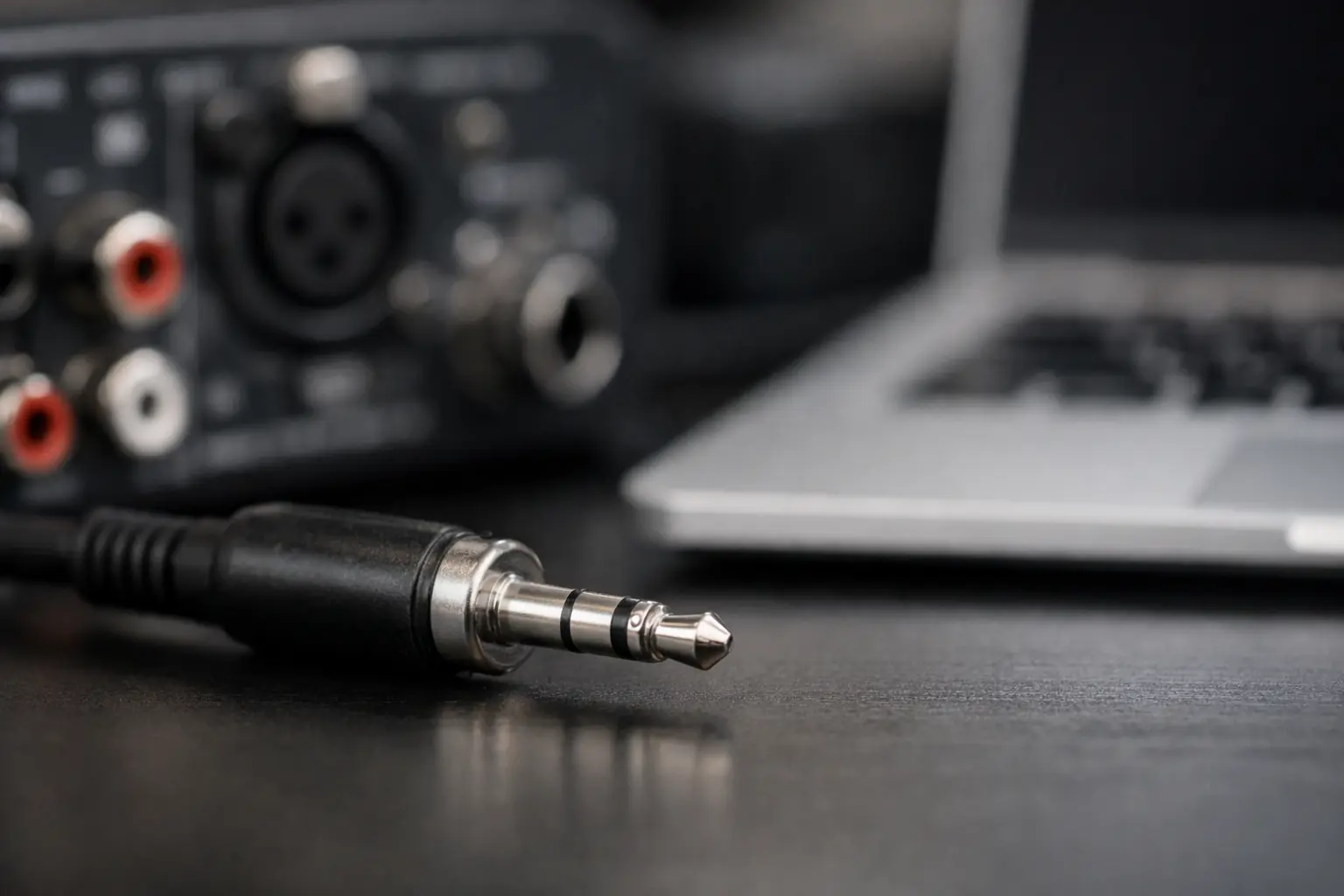
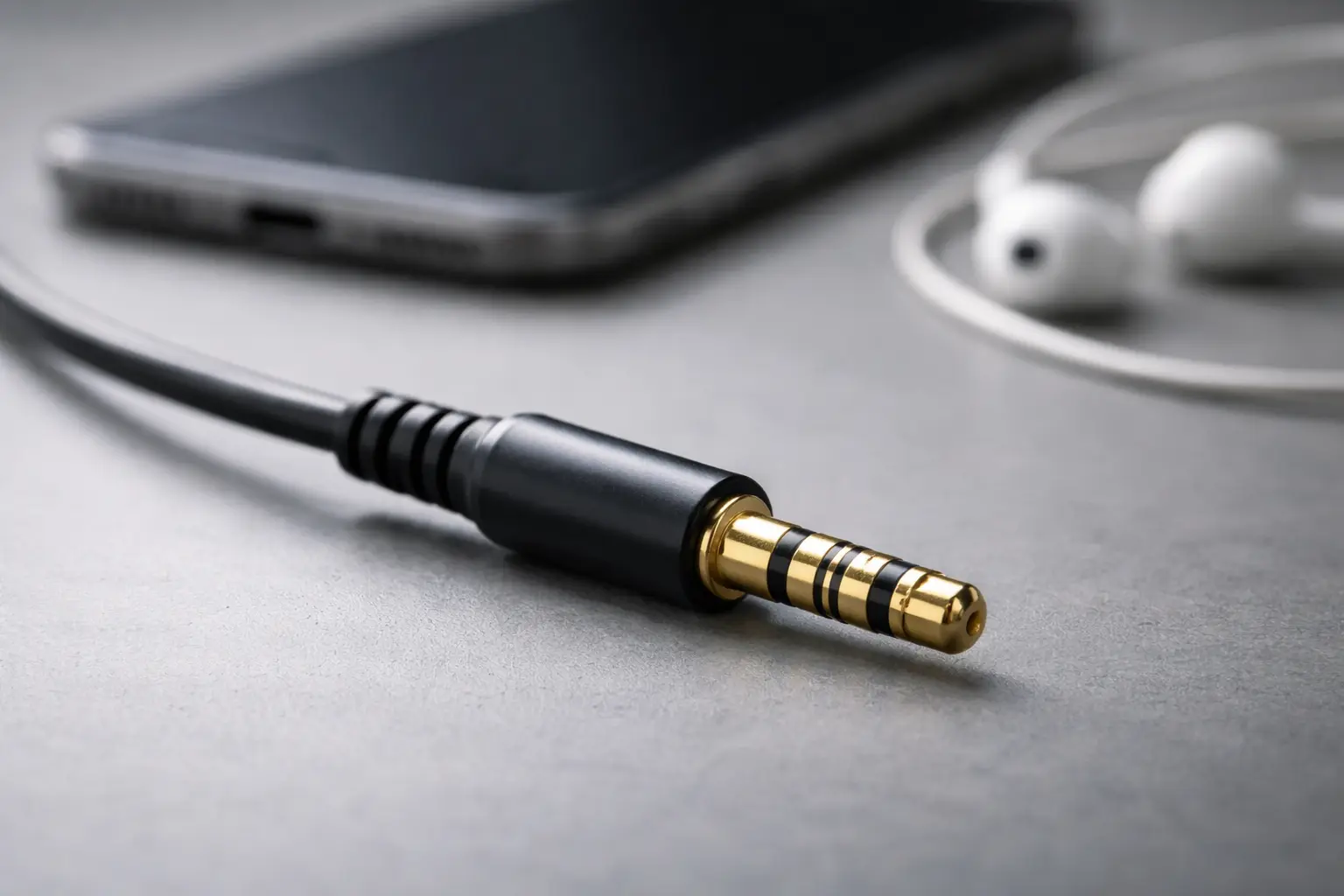
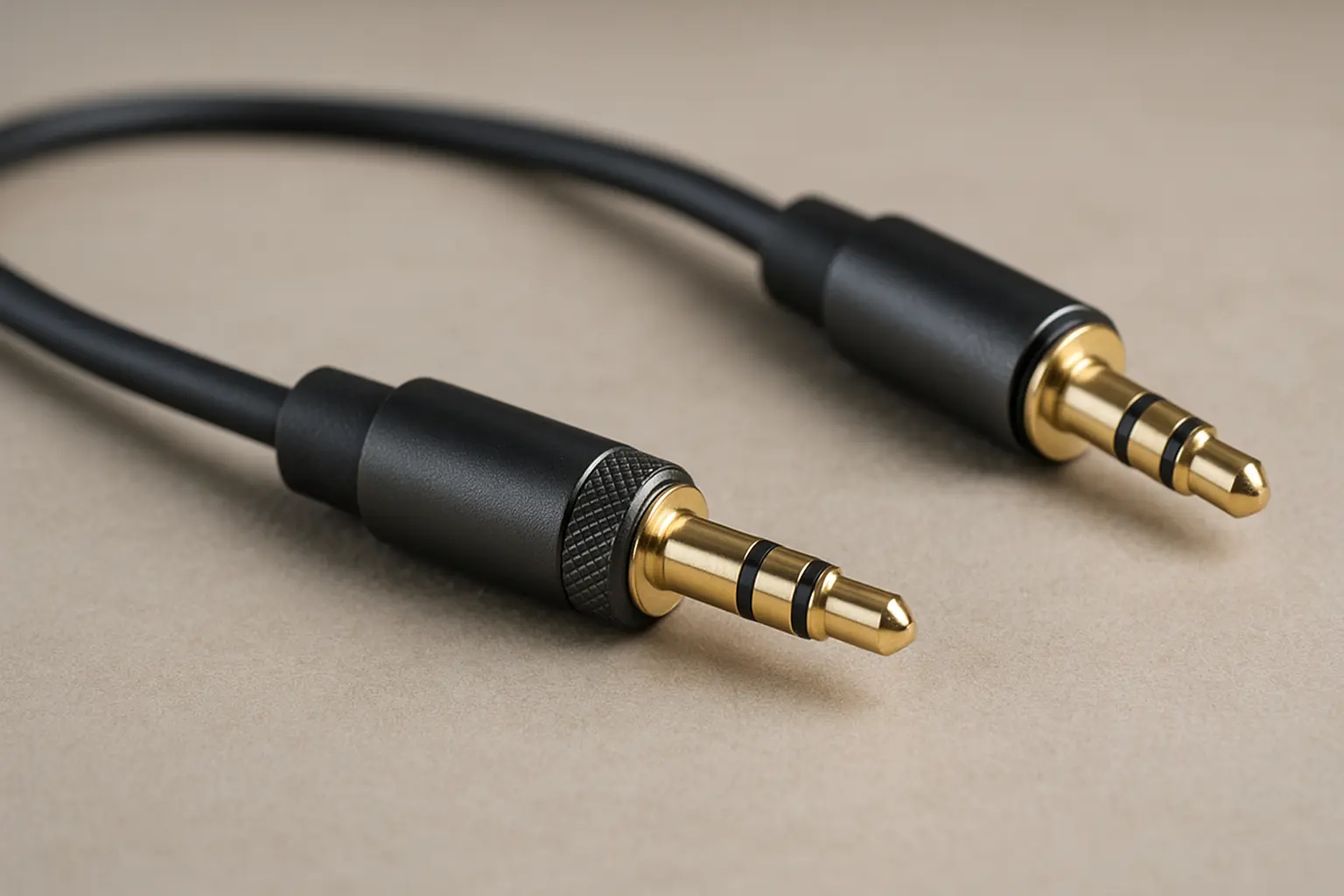
A 3.5 mm male-to-male cable uses a familiar TRS plug:
- Tip = Left audio
- Ring = Right audio
- Sleeve = Ground
It sends analog sound with no delay, which is why many gamers and studio users still prefer it over wireless alternatives.
Why People Still Use It
Even though many phones dropped the headphone jack:
- Most U.S. cars built before 2020 still use AUX
- PC motherboards still include a 3.5 mm port
- Studio gear hasn’t fully moved to USB-C
- Gamers want stable audio without delay
- Bluetooth can lag, cut out, or compress music
A well-made cable still does the job simply and reliably.
Why the 3.5 mm Aux Cable Still Matters in the U.S. Market
U.S. Automotive Market
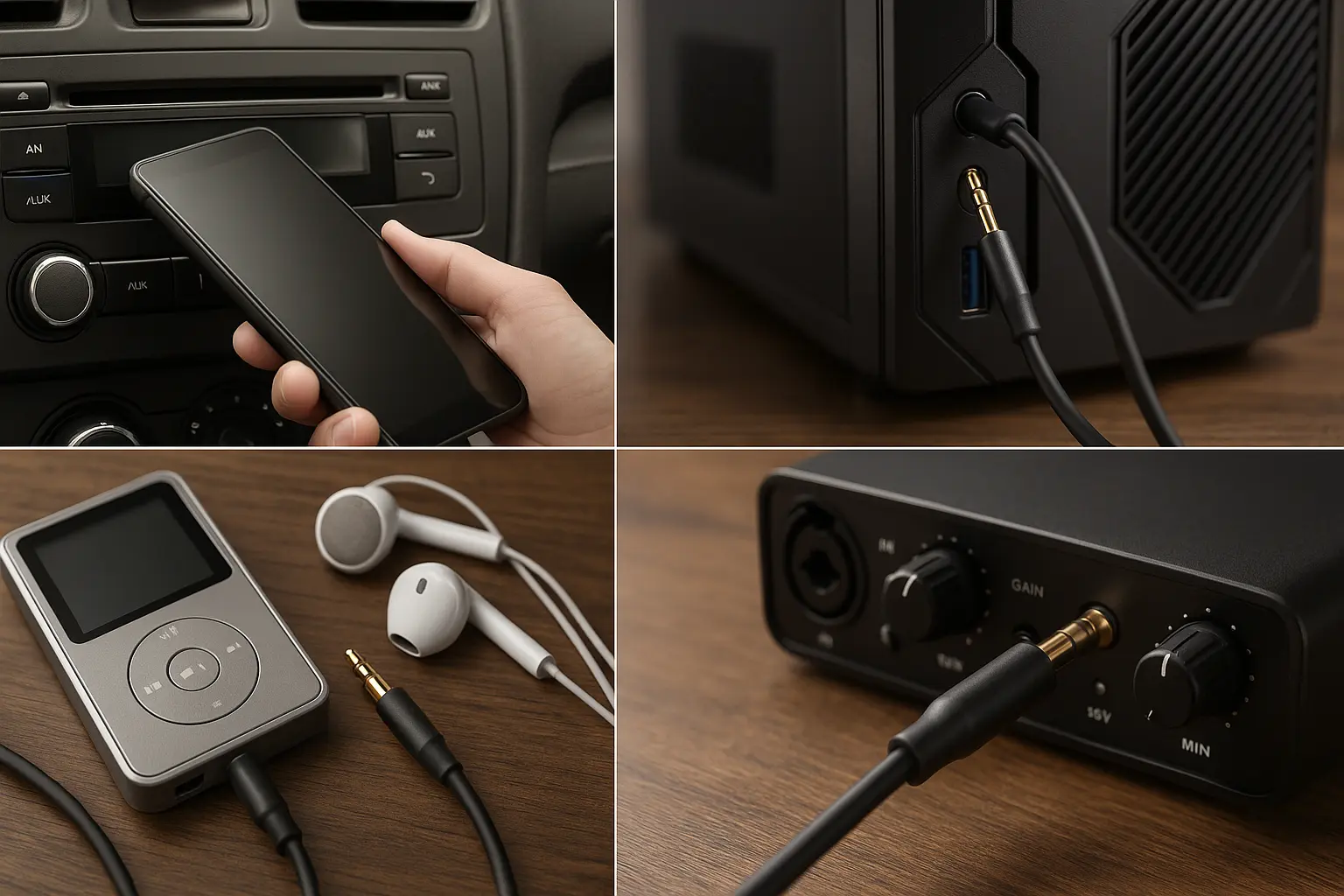
The U.S. has a huge number of older vehicles, and many of them still depend on AUX-in ports. Drivers use these cables to:
- Play music
- Route navigation audio
- Connect older MP3 devices
- Use a phone in cars without Bluetooth
This keeps the cable active in auto parts stores, gas stations, and online marketplaces.
PC Gaming and Streaming
Gaming PCs are noisy electronic environments. GPUs, power supplies, and Wi-Fi modules can leak interference. A good cable helps:
- Reduce buzzing
- Avoid static
- Provide clean voice chat
- Keep audio in sync with gameplay
Gamers in the U.S. still buy AUX cables regularly for mixers, amps, and streaming setups.
Home Audio and Small Studios
Portable amps, DACs, mixers, and small controllers still use 3.5 mm for quick patching.
Studios often keep several on hand because they’re cheap, universal, and easy to replace.
Consumer Habits
Even if people own newer gear, they often have older devices they don’t want to throw out. This creates steady repeat demand for AUX cables in the U.S. retail market.
Engineering Factors That Influence Cable Quality
This section separates “cheap cables” from those that hold up in real-world use.
Conductor Materials: OFC vs CCA
- OFC (Oxygen-Free Copper)
- Lower resistance
- Longer lifespan
- Better overall stability
- Preferred by most American distributors
- CCA (Copper-Clad Aluminum)
- Cheaper
- Breaks faster
- Less consistent performance
Most OEM customers in the U.S. skip CCA when ordering for retail shelves.
Shielding Quality
Shielding prevents noise from reaching the audio signal.
|
Type |
Layers |
Noise Protection |
Best For |
|
Foil |
1 |
Basic |
Short low-risk use |
|
Foil + Braid |
2 |
Strong |
Cars, gaming PCs |
|
Quad Shield |
4 |
Very strong |
Studio, premium OEM lines |
Real Reddit experiences show that upgrading from a single-shield to a dual-shield cable often removes buzzing while charging a phone in the car.
Connector Design
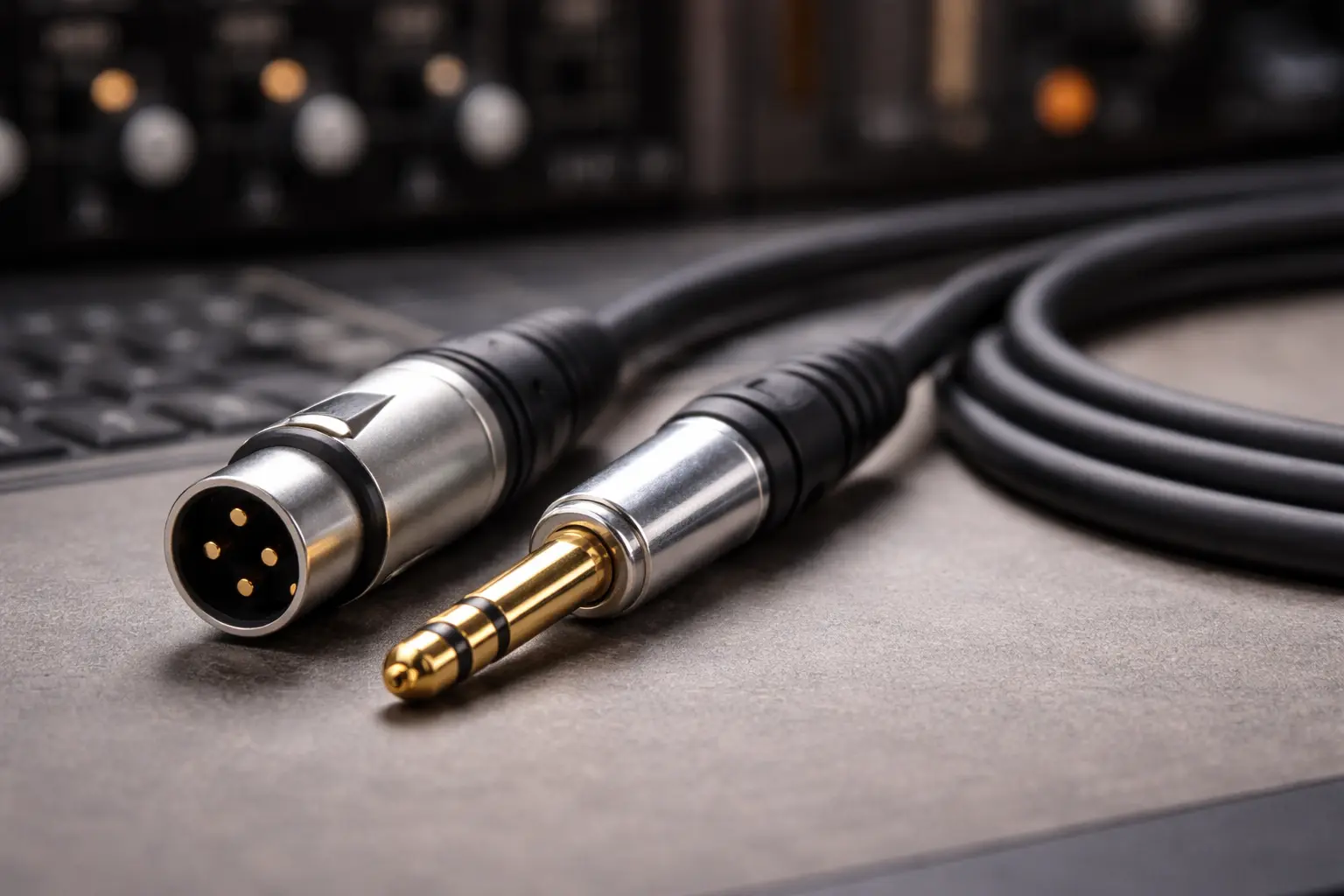
Good connectors include:
- Metal housing (aluminum/zinc)
- Gold-plated tips
- Thick strain relief
- Firm plug fitment
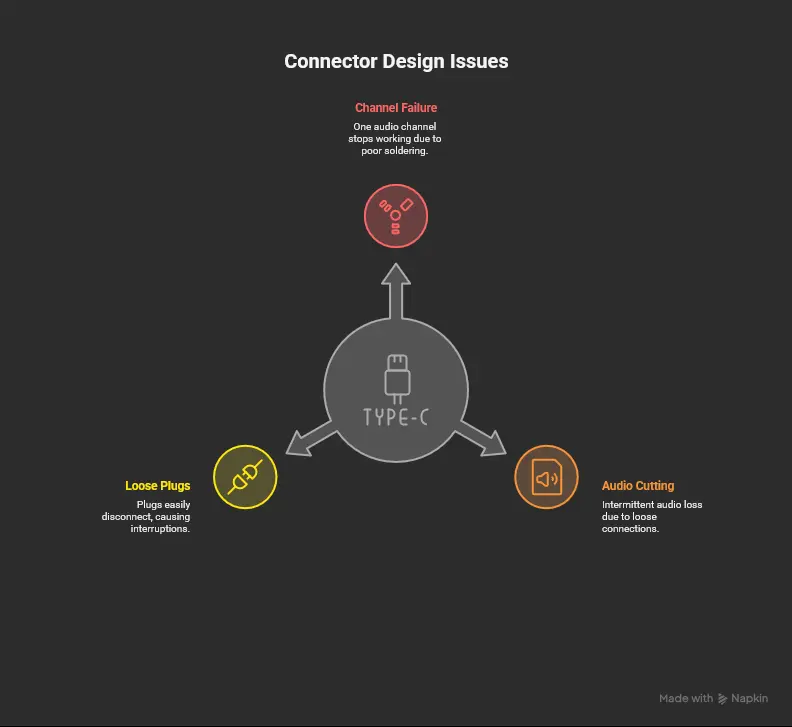
Many Amazon reviews complain about cheap solder work inside the connector, which causes:
- One channel to fail
- Audio cutting in and out
- Loose plugs
A strong OEM vendor should improve solder reinforcement to reduce these issues.
Electrical Specs U.S. Buyers Often Request
OEM customers in the U.S. commonly check:
- Capacitance: under 100 pF/m
- Resistance: under 0.1 Ω/m
- Shielding coverage: around 95% or better
- Optional ferrite cores for noise-heavy PC setups
Providing these numbers builds trust with distributors.
Real Social Media Case Studies
Reddit: r/CarAV
A user described a high-pitched buzz whenever they charged their phone in the car. They switched to a dual-shield cable and wrote:
“Noise gone right away.”
Reddit: r/pcgaming
A gamer’s GPU whine leaked into their audio through a basic AUX cable. After switching:
“The interference finally stopped. The old cable just wasn’t shielded well.”
Amazon U.S. Reviews
Common complaints across brands include:
- The cable becoming stiff and cracking
- Loose connectors
- Channels failing after a few months
- Buzzing in older cars
These issues often point to weak soldering or poor shielding.
Audio Science Review (ASR)
Members often say that a cable won’t “boost audio quality,” but a poorly made one can introduce noise. This is why OEM QC matters so much.
Competitive Landscape
UGREEN
- Reliable
- Widely trusted on Amazon
- Good materials and solid QC
- Limited OEM customization
Vention
- Known for low prices
- Mixed performance in shielding
- More cosmetic than technical
- Also limited OEM support
ZZYZX
- Unusual branding
- Hard to search online
- Inconsistent performance
- Not ideal for private label or distribution
How Jingyi Audio Differs
Jingyi Audio mixes strong engineering with flexible OEM support. Customers can request:
- Custom lengths
- Personalized branding
- Color choices
- Strong shielding
- Metal housings
- Better solder reinforcement
For U.S. distributors who want something better than entry-level brands but still affordable, this is a useful middle ground.
Why Jingyi Audio Works Well for OEM Buyers in the U.S.
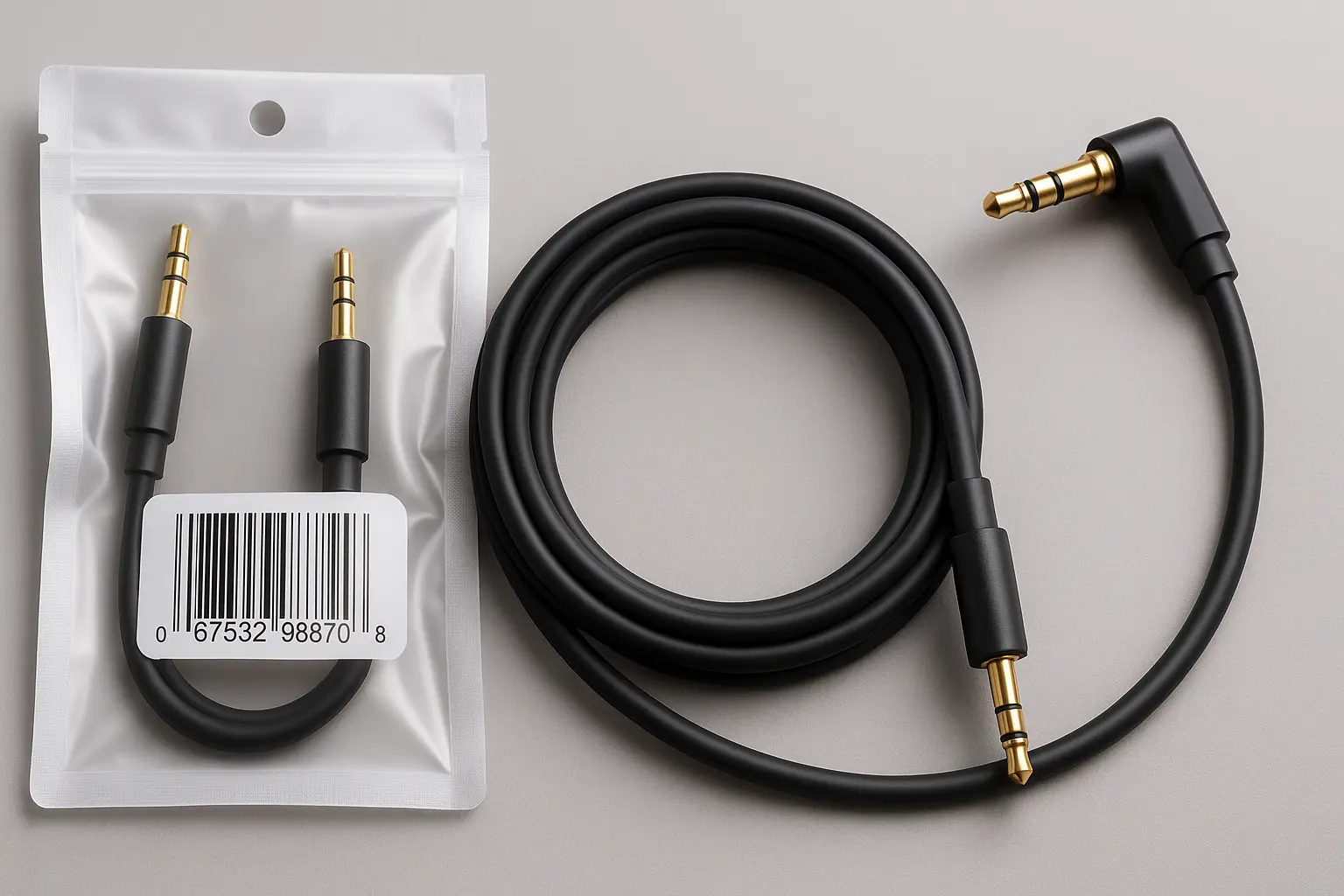
Custom Production
Options include:
- Short cables for DACs
- Standard 1–2 meter lengths
- Long runs for car systems
- Right-angle plugs
- Nylon or soft-touch jackets
- Retail packaging with barcodes
Strong Build Quality
Many OEM customers choose Jingyi because the cables:
- Handle bending without cracking
- Reduce buzzing in cars or PCs
- Feel solid in hand
- Hold tight in the port
QC Improvements
Jingyi increased testing for:
- Connector pull strength
- Bending stress
- Solder durability
- Plug fit consistency
Flexible Jacket Options
Some buyers think braided cables are too stiff. Jingyi now offers TPE jackets, which bend easily and protect device ports.
OEM Buyer’s Checklist for 3.5 mm Cables
|
Category |
What to Ask Your Supplier |
|
Conductor |
99.99% OFC preferred |
|
Shielding |
At least dual-shield |
|
Electrical Specs |
Capacitance & resistance values |
|
Connector |
Gold-plated, metal body |
|
Strain Relief |
Thick molded support |
|
Certifications |
RoHS, CE, FCC |
|
Packaging |
Retail-ready or FBA-ready |
|
MOQ |
Usually 500–5,000 units |
|
Lead Time |
About 2–4 weeks |
This list helps U.S. buyers avoid the weak spots seen in many low-end cables online.
U.S. GEO Notes: What American Buyers Care About
Shipping Options
Most customers prefer shipments to:
- Los Angeles
- Long Beach
- Seattle
These ports help keep lead times short.
Amazon FBA
Many U.S. distributors want:
- FBA-approved packaging
- Correct UPC barcodes
- Individual bags with clear labeling
Retail Expectations
In American stores, customers look for:
- Braided or soft-touch jackets
- Strong metal plugs
- Simple language packaging
- Clear length markings
Regulations
Most U.S. distributors need:
- RoHS certification
- FCC documentation
- California Prop 65 compliance
This improves acceptance in retail chains.
Future Trends (2025–2030)
Long Life in the Automotive Market
Older cars will keep AUX cables in demand for many years.
Studios and Creators Still Rely on Analog
Portable gear and small mixers still use 3.5 mm connections.
Higher Shielding Will Become Standard
As electronics grow more powerful, noise control becomes more important.
OEM Buyers Will Expect More Transparency
Buyers increasingly want clear electrical specs and better QC reports.
Conclusion
The 3.5 mm male to male stereo audio cable still has a long life ahead in the U.S. market. Cars, PCs, small studios, and legacy audio equipment keep demand steady, and many buyers prefer a simple wired connection over wireless options.
For OEM customers, choosing the right supplier matters. Strong shielding, durable connectors, solid QC, and flexible packaging options all shape how well a cable performs once it reaches American users.
Suppliers like Jingyi Audio that focus on engineering and customization are well-positioned to support distributors, automotive shops, electronics brands, and Amazon sellers throughout the United States.
FAQs
- Does cable length affect sound?
Longer cables tend to pick up more noise. Most people stick to 3–4 feet.
- Why do some cables buzz in cars?
Phone charging systems and alternators create noise. Better shielding helps reduce it.
- Are braided cables always better?
They’re tougher, but some are too stiff. TPE jackets are a softer option.
- Can OEM buyers request custom packaging?
Yes. Many suppliers support barcode labels, color printing, and FBA-ready bags.
- Does OFC make a difference?
Yes. It lasts longer and reduces resistance.
- Why does one audio channel sometimes fail?
Often due to weak solder inside the connector.
- Are right-angle plugs useful?
Yes, especially in tight car dashboards or behind a PC.
Citations
- Reddit – r/CarAV, r/pcgaming discussions
- Amazon U.S. customer reviews on aux cables
- Audio Science Review forum thread on 3.5mm cables
- Head-Fi community discussions
- https://site_5615465d-0395-48c6-b01f-dc3d38213fc5