

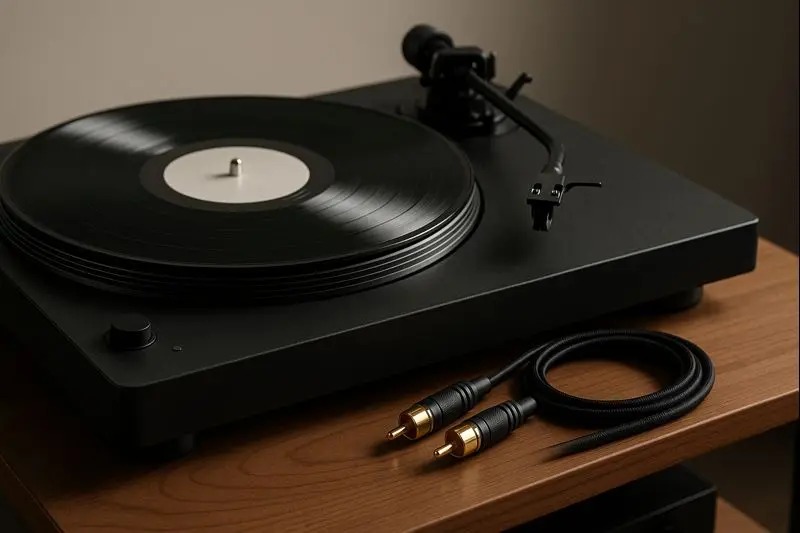
The Ultimate Guide to Pro Audio Cables for 2025: A Practical Look for U.S. Buyers and OEM Clients
Key Takeaways
- Pro audio cables still matter in studios, live venues, broadcast rooms, churches, and U.S. commercial AV projects—even as Dante and other networked systems become more common.
- Real stories from r/livesound and r/audioengineering show that people who work with audio every day care most about tough jackets, good shielding, easy-to-fix connectors, and overall durability.
- U.S. companies that need private-label cables often turn to OEM makers like Jingyi Audio (site_5615465d-0395-48c6-b01f-dc3d38213fc5), who supply OFC copper, star-quad options, and stable production from both China and Thailand.
- Actual performance differences come from shielding quality, capacitance, conductor size, and connector reliability—not exotic marketing claims.
- Analog lines are not disappearing; instead, audio rigs now mix XLR, TRS, speakON, and Cat6 more than ever.
Introduction
If you walk into any working studio, live music venue, broadcast truck, or large AV installation in the U.S., you’ll see one thing in common: cables everywhere. Even with networked audio taking a bigger share of large systems, pro audio cables still carry microphones, instruments, monitoring feeds, and speaker lines every day.
For U.S. B2B buyers, integrators, and private-label brands, the challenge isn’t only picking the right cable—it’s finding suppliers who can deliver consistent quality, meet certification needs, and keep stock steady throughout long projects. This guide breaks down what actually matters in cable performance, what working engineers say online, and how OEM suppliers fit into the bigger picture.
What Counts as a Pro Audio Cable?
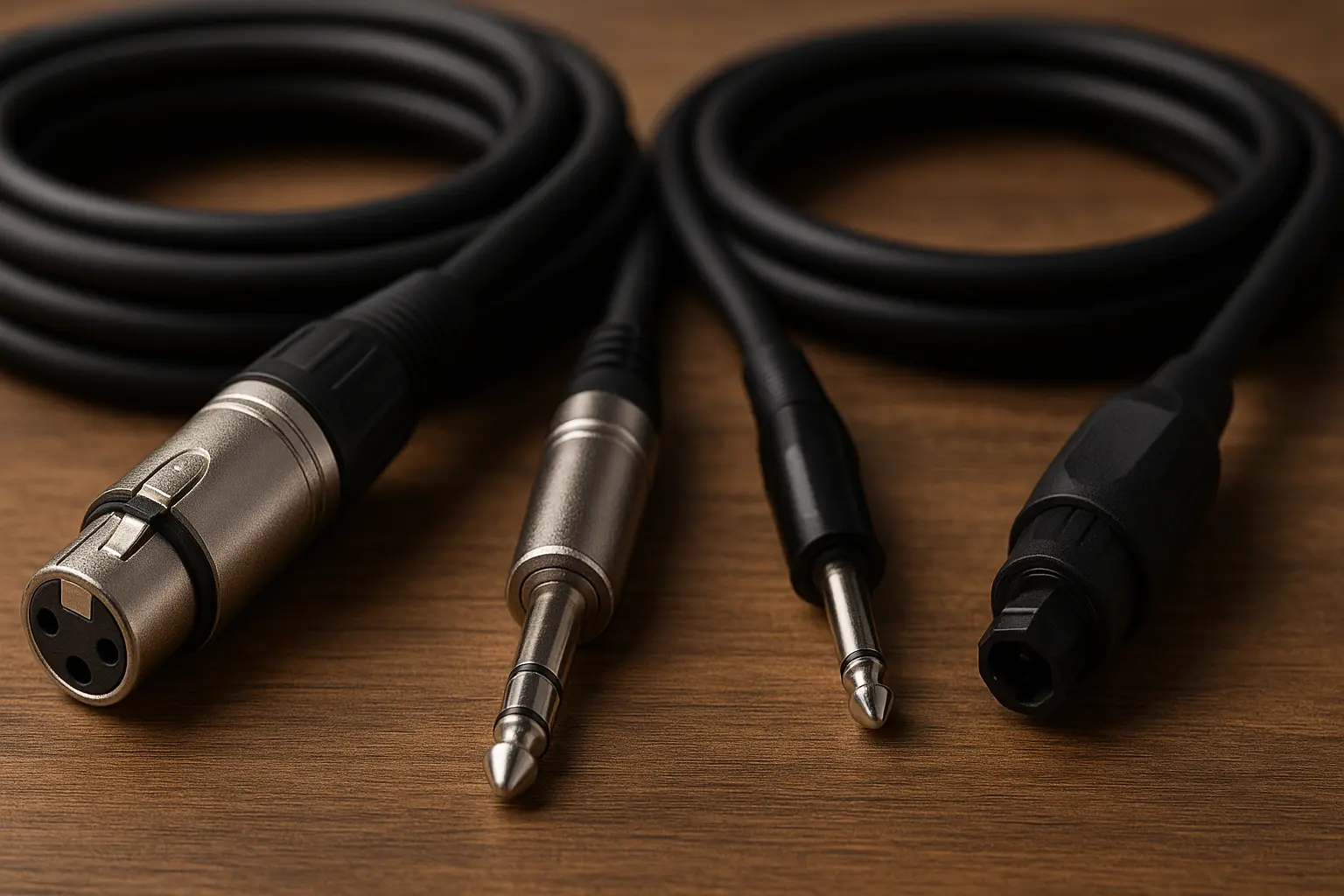
Pro audio cables are built for professional use, meaning they need to handle noise, wear, and long sessions without falling apart. They come in a few main types.
Balanced and Unbalanced Lines
Balanced cables (XLR or TRS) use two signal wires and a shield. Because both wires pick up noise in similar amounts, the receiving gear cancels that noise out. That’s why balanced lines stay clean over long distances.
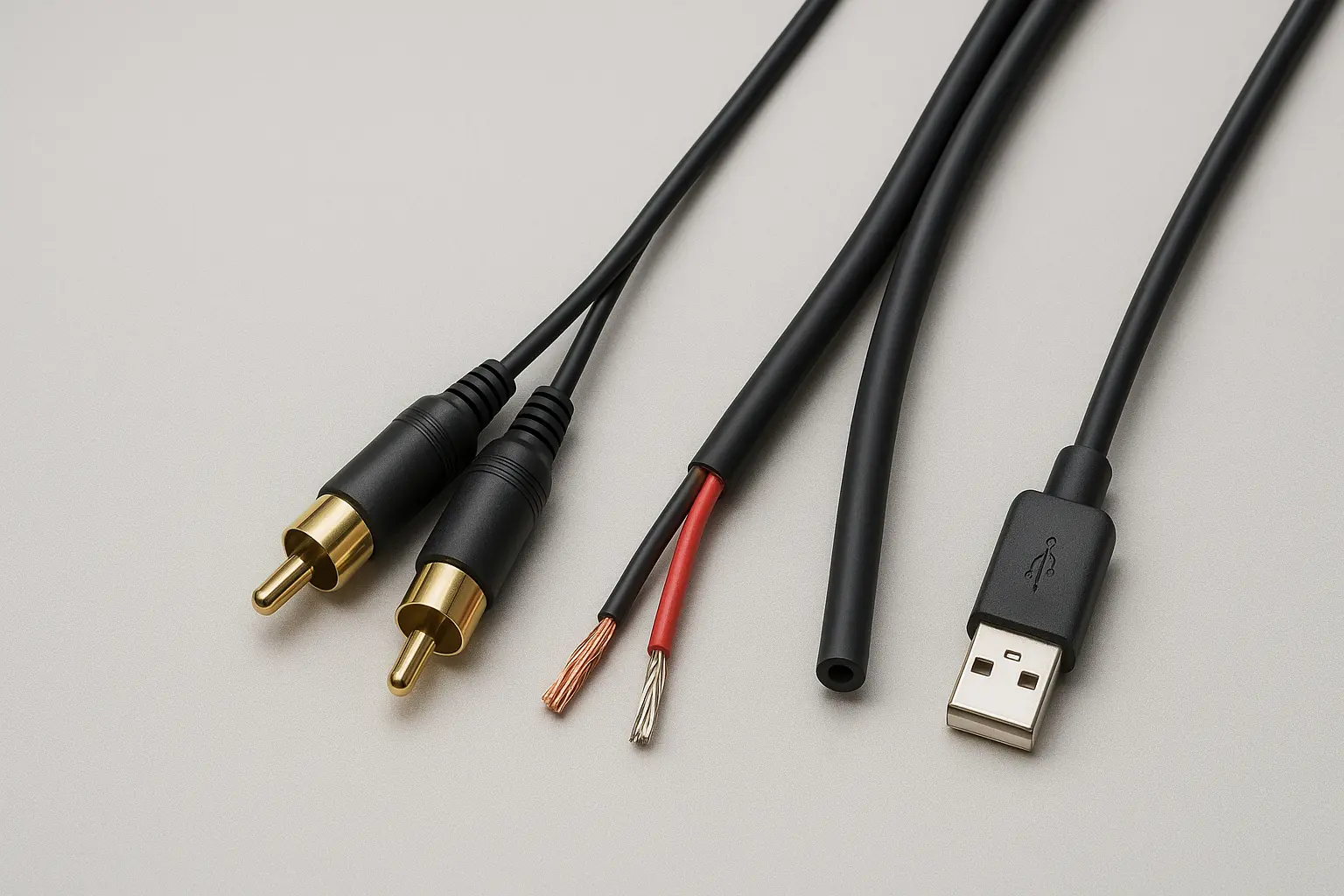
Unbalanced cables (TS or RCA) use one signal wire. They’re fine for guitars and short connections but are much more sensitive to interference.
Common Cable Styles
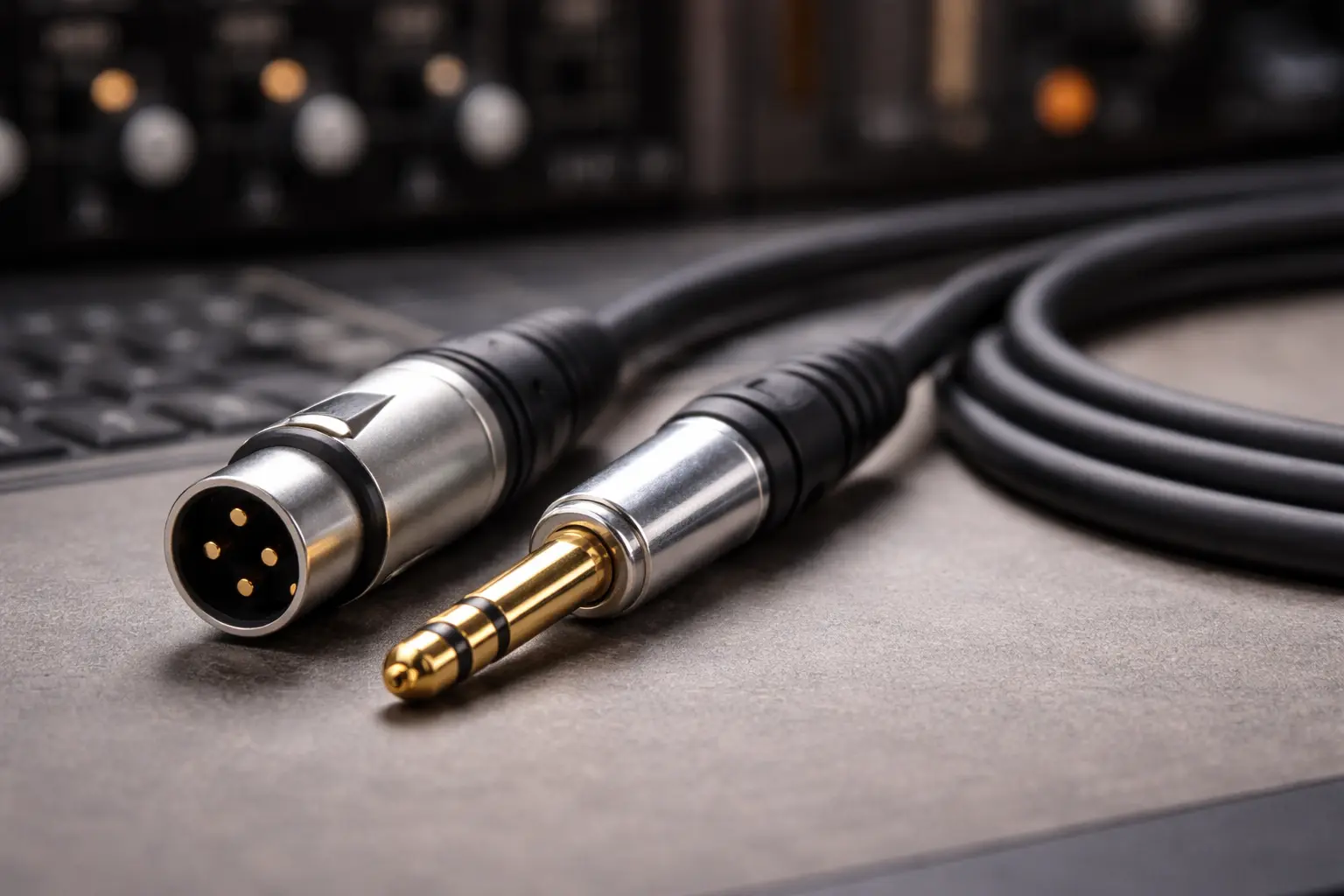
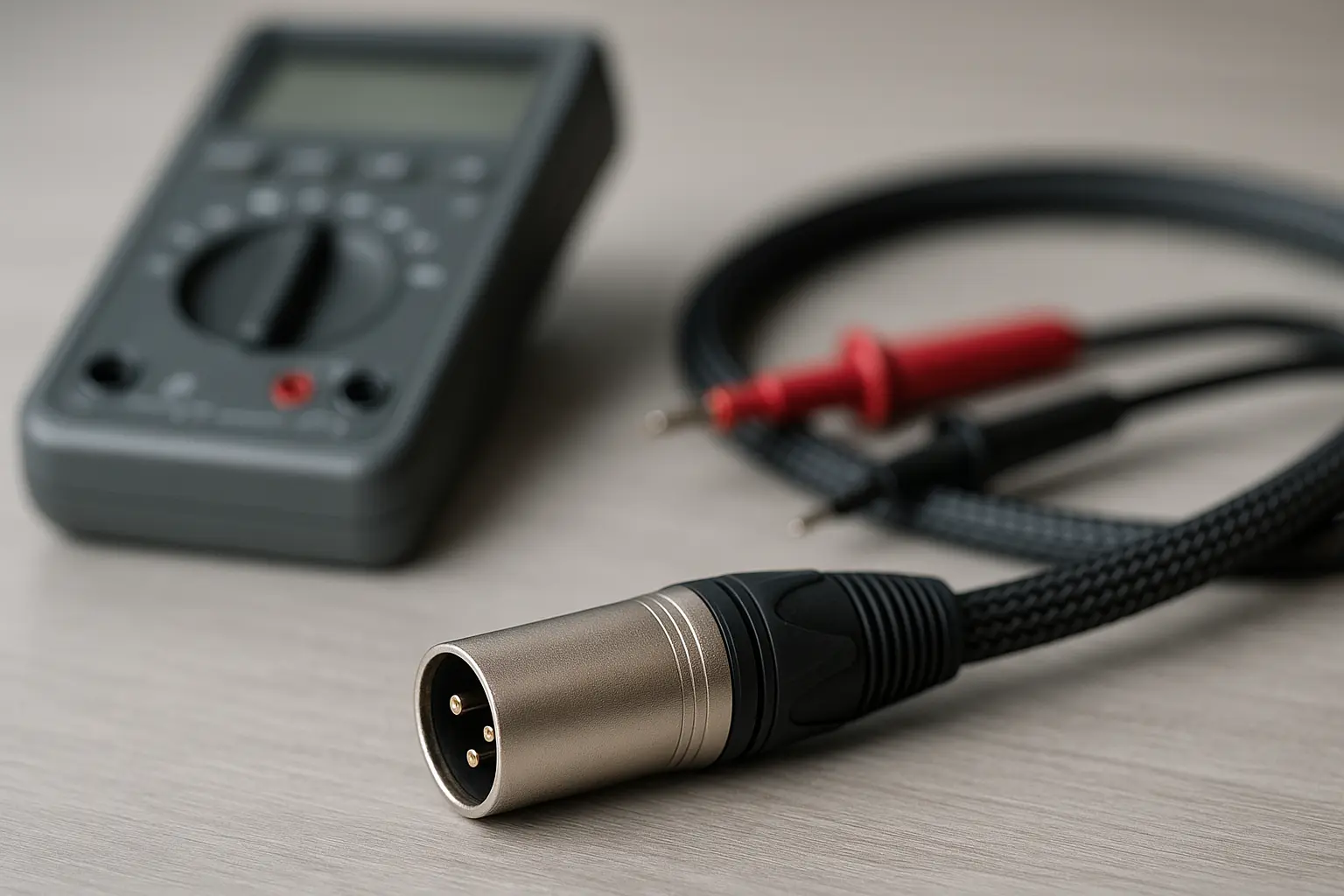
- XLR microphone cables
- TRS balanced patch cables
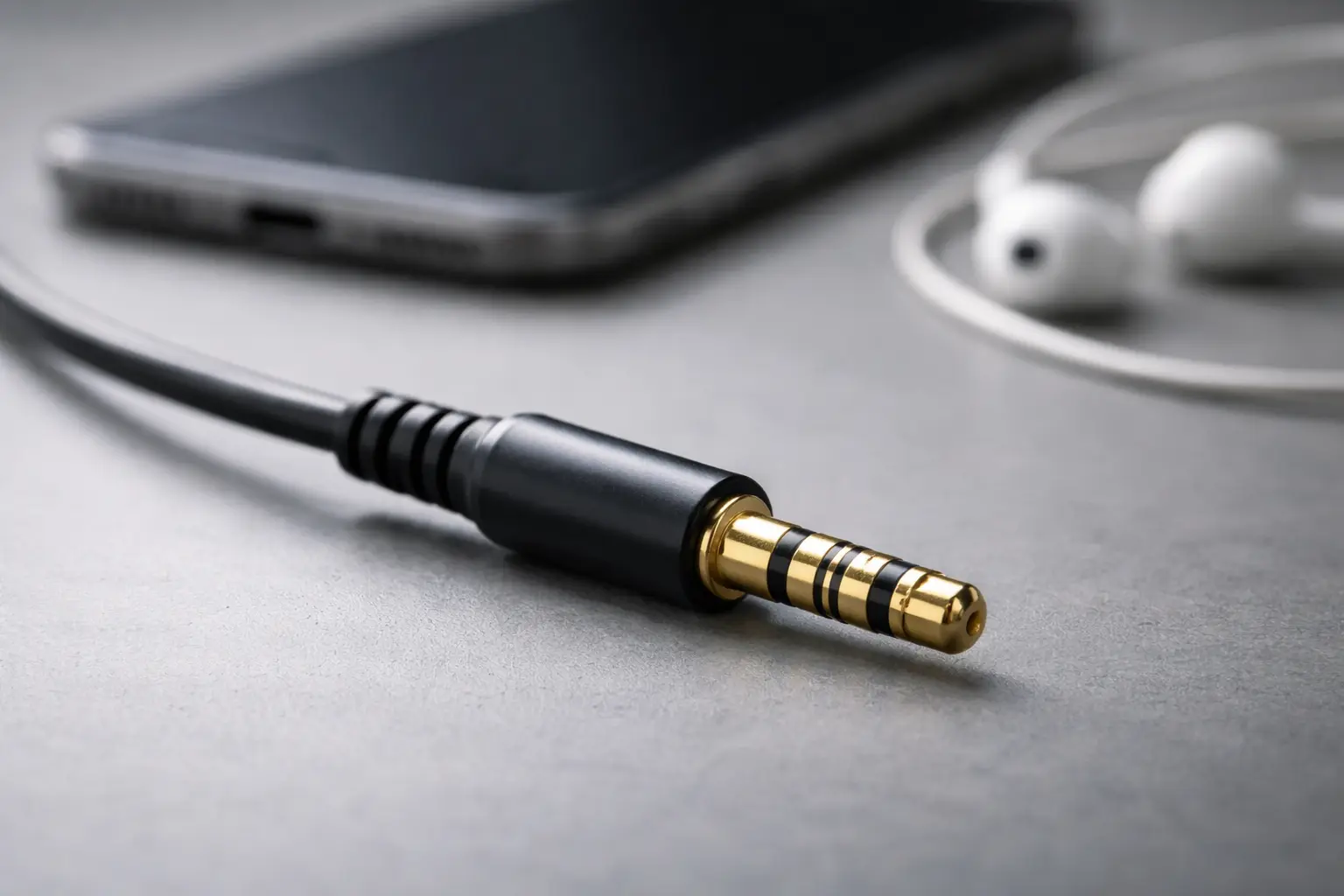
- TS guitar/instrument cables
- speakON speaker cables
- AES/EBU and S/PDIF digital lines
- Cat6/Cat6A for Dante and other networked systems
These cover nearly every audio situation, from a podcast setup to a multi-room studio.
The Real Engineering Behind Cable Performance
Copper Quality
Most serious manufacturers use OFC (oxygen-free copper). Jingyi Audio, for example, uses 99.99% OFC, which supports stable conductivity and helps prevent long-term corrosion. You don’t need “exotic” metal blends—good copper and solid geometry do the job.
Shielding Types
Noise is the enemy of clean audio, especially around power lines, lighting systems, or wireless gear.
Braided shield
- Strong and flexible
- Good protection
- Popular in touring and studio work
Foil shield
- Full coverage
- Ideal for installation or snake cables
- Less suitable for daily bending
Spiral shield
- Very flexible
- Used mainly for guitar cables
- Moderate noise protection
If a system is noisy, shielding is almost always the first place to look.
Capacitance
Capacitance (measured in pF/m) affects high-frequency response. It matters most in high-impedance guitar setups, where long or high-capacitance cables can dull the tone.
A Reddit guitarist summed it up well:
“My long cheap cable made the top end disappear. A lower-capacitance one fixed it right away.”
In low-impedance balanced lines (XLR, TRS), capacitance rarely affects sound in any noticeable way.
Conductor Size (AWG)
AWG affects resistance. Lower AWG (thicker copper) is better for speaker lines because it keeps the amplifier and speaker behaving predictably. Using thin cable for speakers is a common cause of weak or muddy sound.
What Working Engineers Say Online
Insights From r/livesound
People who run local venues, theaters, and touring rigs often share the same frustrations:
- Cheap molded connectors break without warning
- Thin jackets split after a few months of use
- Poor shielding causes buzz around dimmers or LED walls
- speakON is far safer than quarter-inch plugs for speakers
One popular comment reads:
“If a cable fails once during a show, I’m never trusting that brand again.”
Live sound is unforgiving, which is why these comments matter.
Insights From r/audioengineering
Studio engineers talk more about clean signal paths and repairability. Many mention:
- Star-quad is useful when interference is high
- Good connectors fix more problems than fancy copper
- Most cable “sound differences” vanish in blind tests
- Noise is almost always a grounding problem, not a cable issue
These discussions show that the basics—shielding, connectors, and build quality—matter more than branding.
What U.S. AV Installers Say
U.S. integrators for churches, schools, hotels, and corporate buildings have their own priorities:
- UL/ETL compliance
- Plenum or riser jackets
- Stable SKUs for multi-phase installations
- Bulk cable reels with clear labeling
- Reliable OEM suppliers for private-label lines
This group often buys hundreds or thousands of identical cables, so supply consistency matters just as much as performance.
OEM and Supply-Chain Realities for the U.S. Market
Why U.S. Brands Use OEM Production
U.S. distributors, integrators, and e-commerce cable brands often work with OEM factories because:
- Prices stay reasonable
- Specs can be customized
- QC testing is consistent
- Large batches are easier to schedule
- Branding options (printing, jackets, laser marking) are available
Unlike big consumer labels, pro audio brands often need small-to-medium batches with specific builds, which makes OEM manufacturing a natural fit.
Jingyi Audio as an Example
Jingyi Audio stands out because it has over three decades of experience making connectors and cables for pro audio brands worldwide. Key strengths include:
- Full product ecosystem: XLR, TRS, speakON-style connectors, microphone cables, instrument cables, snakes, and Cat6
- High-purity OFC conductors
- Shielding options for both touring and installation
- Private-label and ODM work for U.S. brands
- Production lines in China and Thailand
The dual-country setup is valuable for American buyers who want to reduce tariff exposure or need better shipping flexibility.
What U.S. Buyers Should Check
If you’re sourcing cables for resale or installation, you’ll want to see:
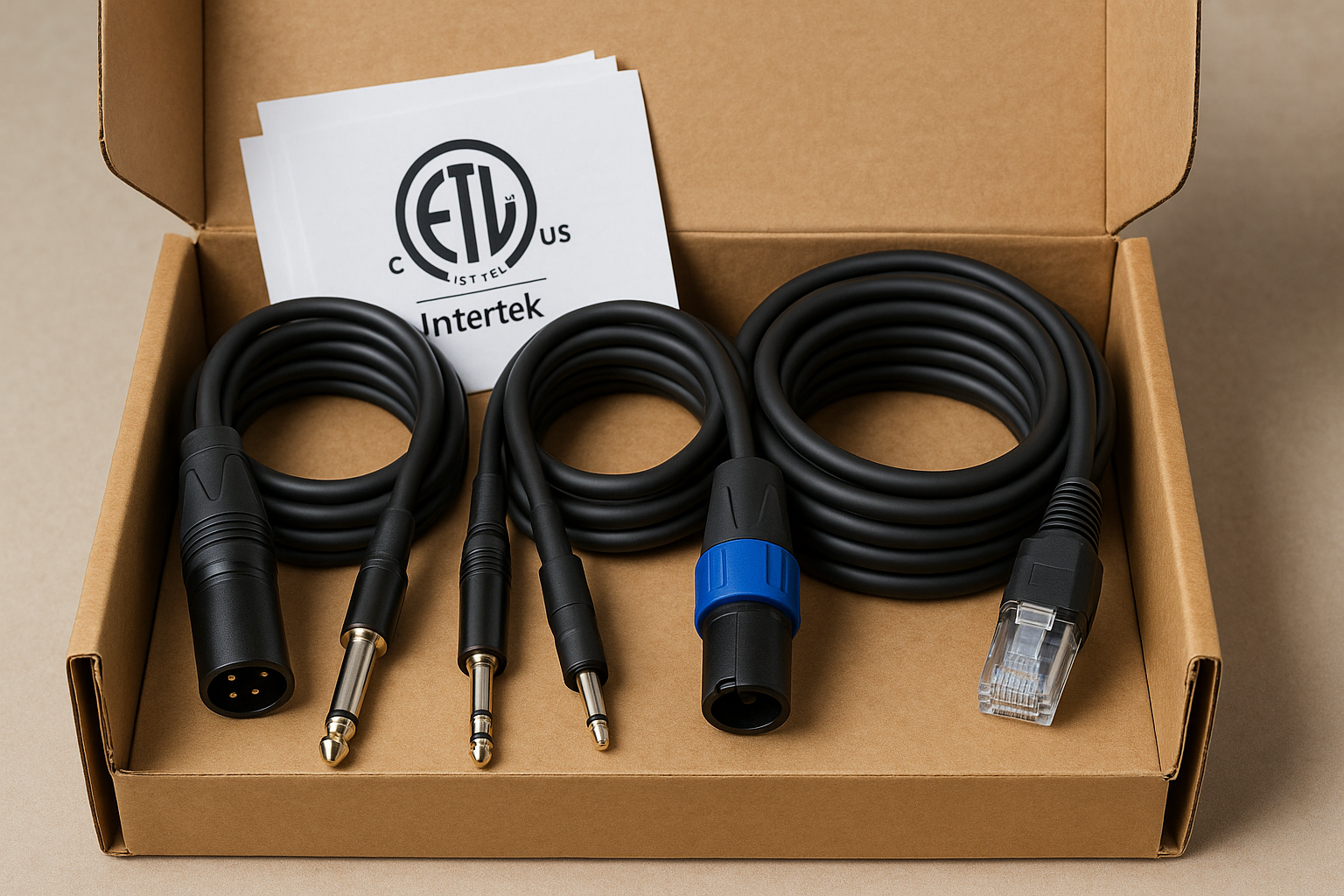
- UL and ETL paperwork
- Finished-product samples
- Pull-test and bend-cycle data
- Long-term access to the same SKUs
- Clear MOQ and lead-time guidelines
- Custom packaging options
These checks protect you from unexpected delays during large commercial projects.
Understanding Cable Types in Real-World Use
Studio Microphone Cables
Good mic cables need:
- Braided shields
- Strong strain relief
- Connectors that can be repaired
- Star-quad if interference is an issue
Studios often re-patch constantly, so flexibility and build quality are important.
Guitar and Instrument Cables
These should be:
- Low-capacitance
- Easily coilable
- Strong enough to handle stage movement
Many guitarists change cables more often than they replace strings—stage life is rough.
Speaker Cables
Speaker lines must:
- Use thick conductors (12–14 AWG)
- Use speakON connectors when possible
- Handle high current without overheating
Using an instrument cable for speakers is a fast way to damage gear.
Digital Audio Lines
These follow specific electrical standards:
- AES/EBU: 110 ohm
- S/PDIF: 75 ohm
- ADAT: optical
They either work or they don’t—there’s no “tone.”
Dante and Networked Audio
Many new U.S. installations rely on Dante, which means:
- Cat6 or Cat6A
- Shielded cable in noisy buildings
- Durable etherCON connectors for touring
- Higher bend tolerance for portable racks
Network cables are becoming as important as XLRs.
How to Choose the Right Cable
Studios
- Low-noise cables
- Repairable connectors
- Flexible jackets
Touring and Live Events
- Braided shielding
- Reinforced boots
- Jackets that survive daily coiling
Broadcast & Installations
- Foil shield for long runs
- Plenum or riser jackets
- Low capacitance for long distances
U.S. Integrators & Contractors
- Certified cables
- Bulk availability
- Custom labeling
- Predictable deliveries
These needs differ from musicians or hobbyists, so integrators often require OEM-grade consistency.
Why Build Quality Matters More Than Marketing Claims
Connectors and strain relief cause more failures than copper purity. Good cables use:
- Metal shells
- Strong clamps
- Jackets that resist tearing
Jingyi Audio’s connector line, for example, is designed to match the mechanical behavior of well-known brands used in touring rigs. This matters when you’re on the road, where a single failure can interrupt a show.
Where the Market Is Moving
Analog lines aren’t disappearing; they’re sharing space with network cables. Trends include:
- Hybrid analog + Cat6 snakes
- Ruggedized Ethernet for portable systems
- Weather-resistant cables for outdoor venues
- More U.S. brands launching private-label lines via OEM factories
These shifts make cable sourcing a long-term planning issue—not just a technical one.
Recommendations for U.S. B2B Buyers
When to Choose Premium (Mogami, Canare)
- Vocal recording
- Broadcast studios
- High-interference areas
When OEM Makes Sense
- Retail product lines
- Church and school AV upgrades
- Stadium and arena installations
- Touring inventories
- Large enterprise projects
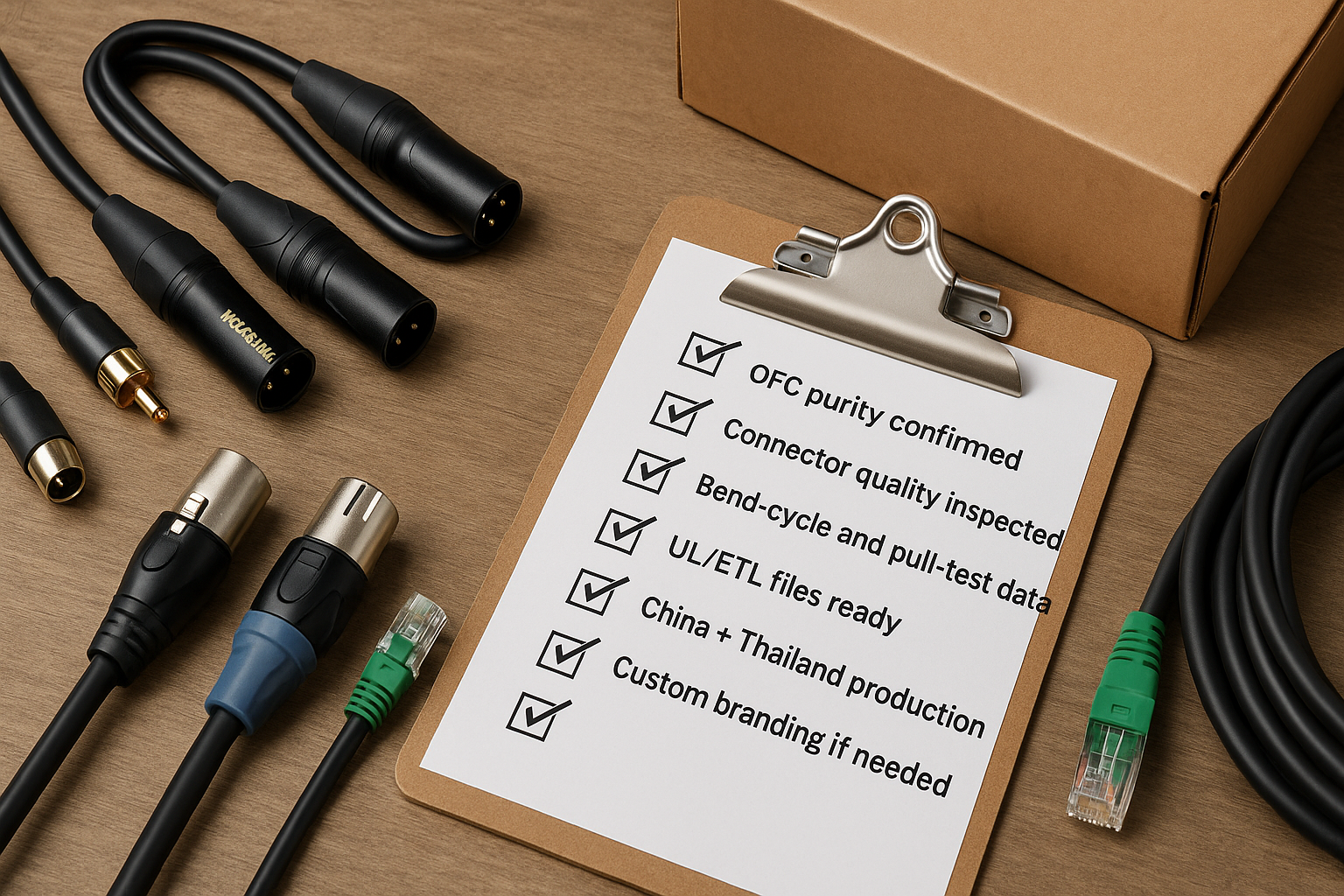
A Simple OEM Checklist
- OFC purity confirmed
- Connector quality inspected
- Bend-cycle and pull-test data
- UL/ETL files ready
- China + Thailand production available
- Custom branding if needed
Final Thoughts
Pro audio cables may seem simple, but the details matter when you’re running a studio or outfitting a building. With more systems mixing analog and networked audio, choosing the right gear—and the right supplier—can save time, reduce noise issues, and keep your installations running smoothly. OEM makers like Jingyi Audio help U.S. buyers build dependable product lines, supply large projects, and keep stock steady even during busy seasons.
FAQs
Do expensive cables sound better?
Not usually. Build quality matters more than price in most cases.
What cable type should I use for long runs?
Balanced XLR or TRS, or AES/EBU for digital.
Is star-quad worth it?
Yes, if the room has lots of lighting or wireless interference.
Does Dante replace analog cables?
No. Microphones, instruments, and speakers still depend on analog lines.
What should U.S. OEM buyers check first?
Certification documents, QC testing data, and long-term production stability.
Citations
- https://site_5615465d-0395-48c6-b01f-dc3d38213fc5
- https://www.reddit.com/r/livesound/
- https://www.reddit.com/r/audioengineering/
- https://mogamicable.com
- https://www.sweetwater.com/shop/cables