


The Ultimate Guide to Speaker Manufacturers: From OEM Giants to Boutique Artisans
KEY TAKEAWAYS
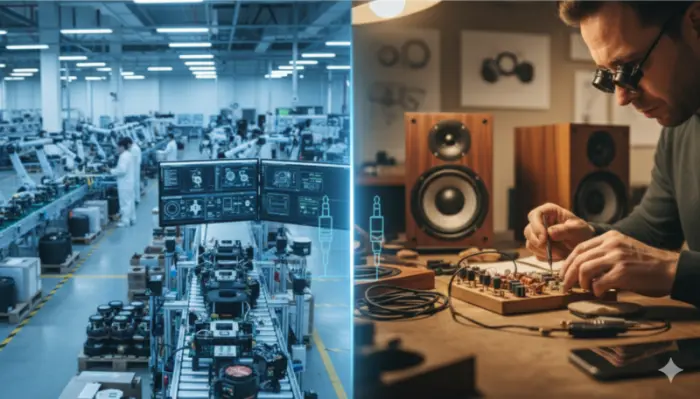
• The Hidden Reality: Most beloved speaker brands don't actually make their own products—over 70% rely on specialized OEM/ODM partners, creating a complex but fascinating global network
• Four Manufacturing Types: The industry splits into invisible OEM giants, vertically integrated powerhouses, boutique artisans, and component specialists—each serving different market needs
• Technology Shift: Smart speakers, 3D audio, and wireless connectivity are changing manufacturing demands, requiring more sophisticated components and engineering than ever before
• Quality Beyond Brands: Understanding the actual manufacturer behind your favorite speakers helps you make smarter purchases and business partnerships
• The Future Insight: Innovation increasingly comes from specialized component manufacturers solving next-generation audio challenges, not just famous consumer brands
When you see "Sony" or "Bose" on a speaker, you're seeing only part of the story. Behind every audio device lies a complex global network of specialized manufacturers, each playing a key role in bringing sound to life. This guide pulls back the curtain on the speaker manufacturing industry, revealing who truly makes the products we love and how to spot genuine quality and innovation.
The speaker manufacturing landscape has changed dramatically over the past decade. With the global speaker market projected to reach $495 billion by 2030, driven by smart speaker growth and immersive audio demands, understanding this network has never been more important for consumers, businesses, and audiophiles alike.
Breaking Down the Manufacturing Landscape: The Four Types of Speaker Manufacturers
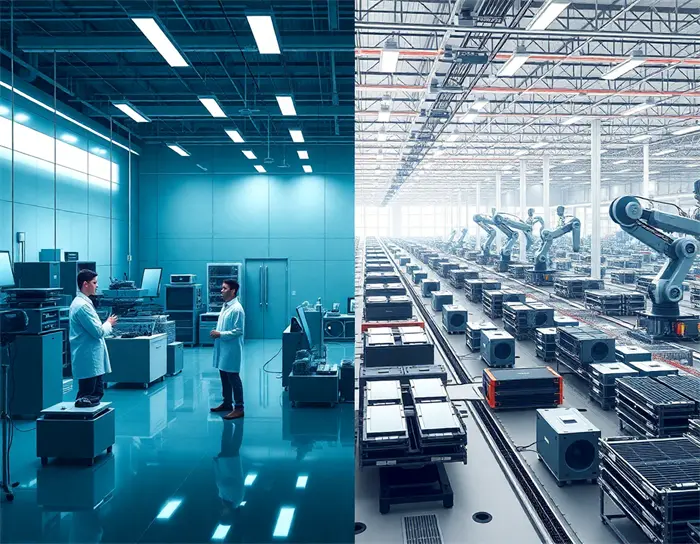
The speaker manufacturing industry operates on a sophisticated four-tier system, each serving specific market needs and customer types. Understanding these categories helps anyone looking to make informed decisions about audio products or partnerships.
The Invisible Giants: OEM and ODM Speaker Manufacturers
Original Equipment Manufacturers (OEMs) and Original Design Manufacturers (ODMs) represent the backbone of the global speaker industry, yet they remain largely unknown to consumers. These companies specialize in producing speakers and audio components for other brands, often handling everything from initial design to final assembly.
MISCO Speakers represents this category perfectly. Founded in 1949, this Minneapolis-based company has built a reputation as America's premier "custom audio solutions partner." What makes MISCO particularly noteworthy is their specialization in high-value, low-volume applications across aerospace, medical, and military sectors. Their tagline "American Partner in Sound" directly addresses modern supply chain concerns, offering domestic manufacturing as an alternative to overseas production.
MISCO's approach demonstrates the sophisticated capabilities of modern OEMs. Rather than simply assembling existing designs, they provide complete engineering solutions, from acoustic modeling to custom driver development. Their website showcases detailed case studies of problem-solving for clients with unique audio challenges—a far cry from mass-market consumer products.
On the global stage, China dominates the OEM/ODM landscape with companies like Rasantekaudio and MR Audio offering wide-ranging "one-stop procurement" services. These manufacturers have evolved beyond simple contract manufacturing to become innovation partners, often leading advances in wireless technology, smart integration, and cost optimization.
The OEM model's strength lies in specialization and scale. By focusing solely on manufacturing excellence, these companies can achieve quality and cost efficiencies that even major brands struggle to match in-house.
The All-in-One Powerhouses: Vertically Integrated Speaker Brands
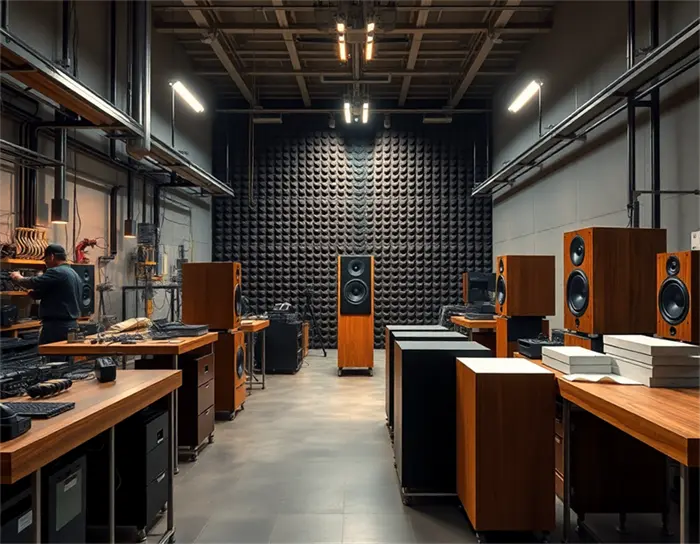
Vertically integrated manufacturers control every aspect of production, from initial concept to final sale. This approach offers unmatched quality control and brand coherence but requires significant capital investment and expertise across multiple disciplines.
Dynaudio stands as a premier example of successful vertical integration. The Danish company's commitment to "true high-end Danish hi-fi" runs through every aspect of their operation. Their website's "Dynaudio Magazine" doesn't just market products—it educates readers about acoustic principles, demonstrating deep technical expertise that only comes from hands-on manufacturing experience.
What sets Dynaudio apart is their willingness to share manufacturing insights. Articles like "How to Calculate Speaker Loudness" showcase the technical depth behind their products while establishing authority in the field. This transparency builds trust with both consumers and industry professionals.
Dynaudio's vertically integrated approach allows them to optimize every component for their specific acoustic signature. Their drivers, crossovers, and cabinets are designed as a unified system rather than assembled from off-the-shelf parts. This integration shows in their consistent performance across product lines and their ability to innovate at the system level.
The trade-off is scale and cost. Vertically integrated manufacturers typically serve premium market segments where customers value performance and uniqueness over price optimization.
The Masters of Craft: Boutique and High-End Audio Manufacturers
At the pinnacle of speaker manufacturing sits a small group of artisan manufacturers who put uncompromising performance above market considerations. These companies often handcraft products using exotic materials and proprietary technologies.
Marten represents this category's obsessive attention to detail. As described passionately by audiophile blogger Real HiFi Help, Marten speakers embody "Swedish engineering at its finest, with a dedication to natural sound reproduction that borders on fanatical." The company's use of ceramic drivers and complex cabinet construction reflects a manufacturing philosophy where cost considerations take a backseat to acoustic perfection.
Similarly, Wilson Audio has built a reputation for speakers that can cost more than luxury cars. Their manufacturing process involves hand-selecting materials, precision machining of exotic alloys, and acoustic testing that can take weeks per unit. This approach works economically only because their target customers value ultimate performance above all else.
These boutique manufacturers often drive industry innovation despite their small scale. Techniques pioneered in high-end manufacturing eventually filter down to mainstream products, making these companies vital for the industry's technical advancement.
The Unsung Heroes: Component Specialists in Speaker Manufacturing
Perhaps the most overlooked yet vital category consists of companies that manufacture the building blocks of great speakers. These component specialists create the connectors, cables, drivers, and other parts that enable the final product.
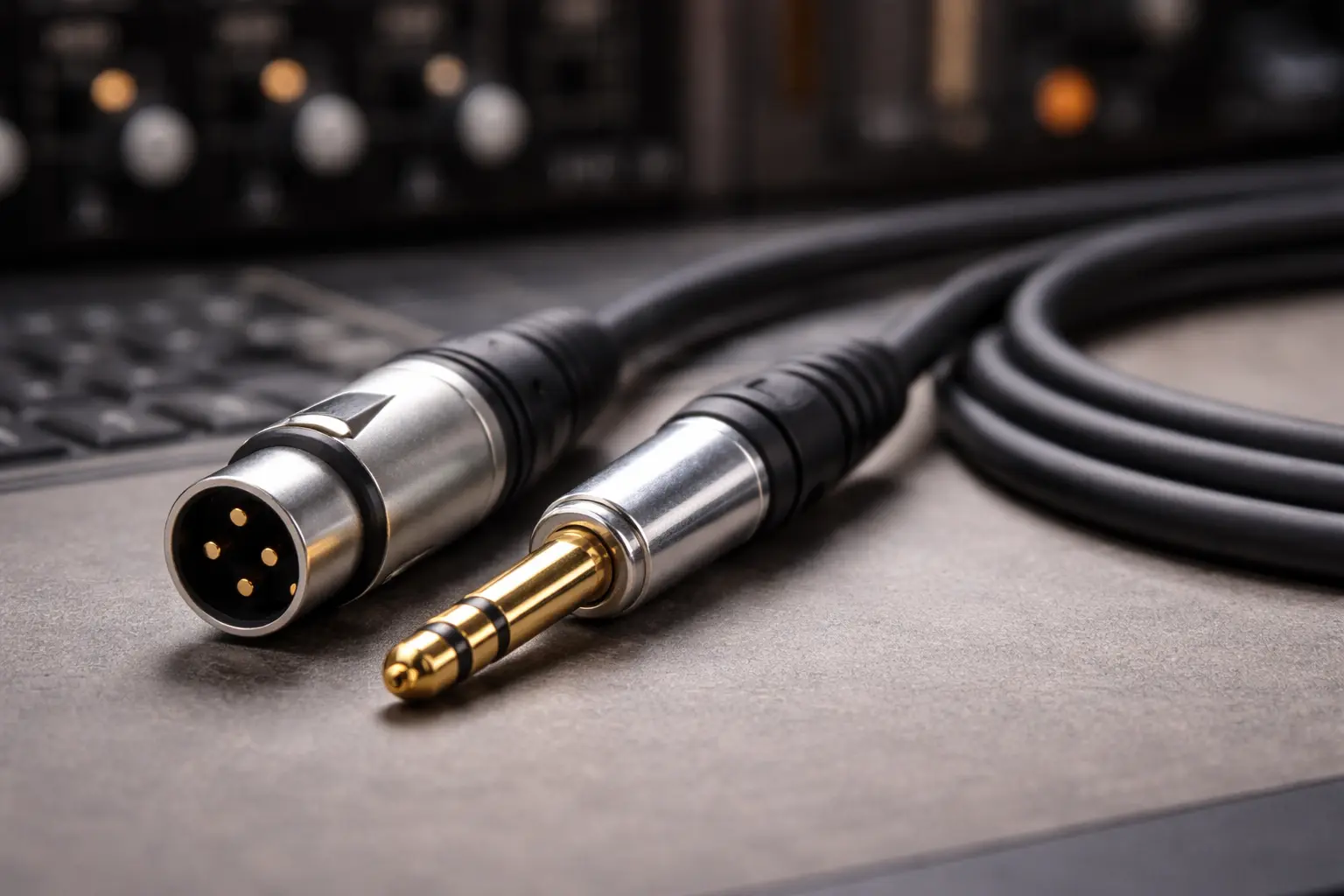
Ningbo Jingyi Audio represents this category's importance. Founded in 1992, this Chinese company began by perfecting XLR connectors—those professional audio connections that ensure reliable signal transfer. Over three decades, they've evolved into a "one-stop professional audio OEM/ODM manufacturer," supplying everything from 99.99% oxygen-free copper cables to precision-machined support brackets.
What makes Jingyi Audio particularly strategic is their dual-facility approach. While maintaining their primary operations in Ningbo (near China's major shipping ports), they've established a second facility in Thailand. This "China Plus One" strategy directly addresses modern supply chain resilience concerns while maintaining cost competitiveness.
The company's evolution from connector specialist to wide-ranging component supplier shows how successful manufacturers adapt to industry needs. Their recent launch of the consumer brand "ZZYZX" also demonstrates the natural progression from B2B component supplier to B2C brand presence.
Component specialists like Jingyi Audio enable innovation across the entire industry. When audio companies need custom solutions—whether it's a specialized connector for harsh environments or ultra-pure copper cables for high-end applications—these manufacturers provide the expertise and scale that individual brands cannot maintain internally.
How to Choose the Right Speaker Manufacturer for Your Needs
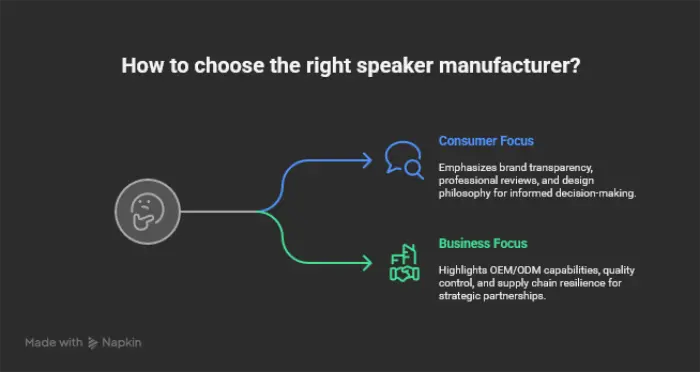
Selecting the appropriate manufacturer depends entirely on your specific requirements, whether you're a consumer seeking the best audio experience or a business looking for a production partner.
For the Savvy Consumer: Looking Beyond the Brand Name
Modern consumers face an overwhelming array of speaker choices, with marketing often obscuring the actual quality and value proposition. Understanding the manufacturer behind your favorite brands enables more informed decision-making.
Start by researching professional reviews from established sources like What Hi-Fi?, which conducts systematic testing in dedicated acoustic environments. Their methodology, developed over nearly 50 years of speaker evaluation, provides objective performance data that cuts through marketing noise.
Pay attention to a brand's design philosophy and manufacturing approach. Companies that invest heavily in proprietary technology and transparent communication about their processes typically deliver superior long-term value. For instance, when Dynaudio explains their crossover design philosophy or Marten details their ceramic driver development, they're demonstrating genuine technical expertise.
Country of origin can provide valuable context but shouldn't be the primary determining factor. Chinese manufacturers like those supplying major global brands often exceed the quality of products assembled in traditionally "premium" locations. The key is understanding the specific manufacturer's quality systems and certifications.
For Businesses and Innovators: A Complete OEM Partner Selection Guide
Choosing an OEM/ODM manufacturing partner requires systematic evaluation across multiple criteria. The wrong choice can result in quality issues, supply chain disruptions, and significant financial losses.
1. Proven Track Record and SpecializationEvaluate how long the manufacturer has been in business and their specific expertise in your product category. A company like MISCO, with 75 years of experience in custom audio solutions, brings institutional knowledge that newer manufacturers cannot match. Look for case studies demonstrating successful projects similar to your requirements.
2. Engineering and Customization CapabilitiesDistinguish between manufacturers that merely assemble existing designs (OEM) versus those capable of creating custom solutions from scratch (ODM). Review their engineering staff credentials, in-house testing facilities, and examples of proprietary innovations. Companies offering wide-ranging design services can become valuable long-term partners rather than simple suppliers.
3. Quality Control and International CertificationsVerify adherence to relevant international standards such as RoHS (environmental compliance), ISO 9001 (quality management), and industry-specific certifications. Request facility tours and quality system documentation. The investment in proper certifications indicates a manufacturer's commitment to long-term partnerships.
4. Supply Chain Resilience and Geographic DiversificationModern manufacturers must demonstrate ability to mitigate supply chain risks. Jingyi Audio's Thailand facility expansion represents proactive supply chain diversification, enabling them to serve clients requiring non-China sourcing while maintaining competitive pricing and quality.
5. Communication and Cultural AlignmentSuccessful collaboration requires clear communication and mutual understanding of project requirements. Evaluate the manufacturer's project management capabilities, English proficiency (if relevant), and time zone compatibility for ongoing support.
The Future of Sound: Technology Trends Redefining Speaker Manufacturing
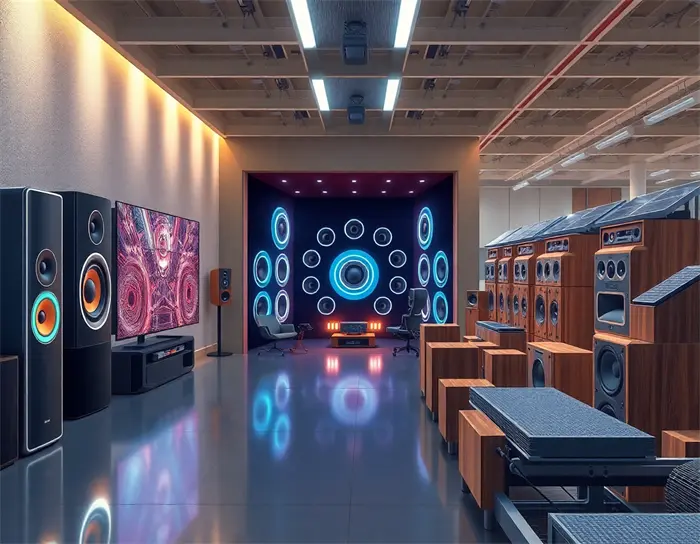
The speaker manufacturing industry is undergoing its most significant transformation since the introduction of digital audio. Understanding these trends helps manufacturers, brands, and consumers prepare for the next decade of audio evolution.
Smart Speaker Integration and Traditional Audio Manufacturing
The explosive growth of smart speakers—projected to reach a $35 billion market by 2030—has fundamentally altered manufacturing requirements. Traditional speaker manufacturers now face a choice: integrate smart technology or focus on the high-fidelity niche where pure audio performance remains paramount.
Companies like Amazon, Google, and Apple have redefined consumer expectations, making voice control and wireless connectivity standard features rather than premium options. This shift forces traditional manufacturers to either develop internal capabilities for smart integration or partner with technology companies.
Interestingly, this challenge has created opportunities for specialized manufacturers. Companies that can seamlessly integrate traditional acoustic excellence with modern smart features are commanding premium pricing in the market. The key is maintaining audio quality while adding complex electronics—a manufacturing challenge that requires both acoustic and digital expertise.
Immersive Audio Revolution: 3D Sound and Manufacturing Complexity
Technologies like Dolby Atmos, Spatial Audio, and 3D sound processing are creating entirely new manufacturing requirements. Unlike traditional stereo speakers, immersive audio systems require precise driver placement, complex crossover networks, and sophisticated digital signal processing.
This complexity is driving demand for more sophisticated manufacturing capabilities. Creating a convincing three-dimensional soundstage requires multiple drivers operating in perfect synchronization, demanding precision assembly techniques and quality control processes that exceed traditional two-channel systems.
The manufacturing implications extend beyond assembly complexity. Component suppliers must provide matched driver sets with tighter tolerances, cable manufacturers must ensure phase-coherent signal transmission across multiple channels, and final assembly requires acoustic testing in specialized environments.
For manufacturers, this represents both challenge and opportunity. Companies that can master immersive audio manufacturing will command premium pricing, while those stuck in traditional stereo approaches may find themselves relegated to commodity market segments.
Sustainability and Environmental Compliance in Speaker Manufacturing
Environmental regulations are increasingly shaping manufacturing processes and material selection. The European Union's RoHS directive, restricting hazardous substances, is now standard globally, while newer regulations address product lifecycle and recyclability.
Forward-thinking manufacturers are proactively addressing sustainability concerns. This includes developing recyclable cabinet materials, eliminating rare earth elements where possible, and designing products for easy disassembly and component recovery.
Sustainability initiatives also create competitive advantages. Manufacturers demonstrating genuine environmental responsibility often win contracts with environmentally conscious brands and qualify for government incentives in various markets.
The Symphony of Manufacturing Behind Every Speaker
The global speaker manufacturing network represents one of the most sophisticated examples of modern industrial collaboration. Every speaker that brings us joy—whether a budget Bluetooth device or a six-figure audiophile masterpiece—exists through the coordinated efforts of component specialists, design engineers, assembly technicians, and quality control experts scattered across the globe.
Understanding this network enables better decisions. Consumers can look beyond brand names to understand true value and quality. Businesses can identify the right manufacturing partners for their specific needs. Audiophiles can appreciate the incredible engineering that transforms electrical signals into emotional experiences.
The future belongs to manufacturers who can navigate the complex intersection of traditional acoustic excellence, modern smart technology, and sustainable practices. As audio technology continues evolving toward ever more immersive and intelligent experiences, the manufacturing symphony will only become more complex and remarkable.
The next time you hear your favorite music, remember: you're not just listening to a speaker—you're experiencing the culmination of global manufacturing expertise, decades of acoustic research, and countless hours of engineering refinement. That's the true magic behind every great speaker manufacturer.
Frequently Asked Questions
Q: What's the main difference between a speaker brand and a speaker manufacturer? A: A speaker brand is the company that markets and sells speakers to consumers (like Sony or Bose), while the manufacturer is the company that physically produces the speaker or its components. Often, these are different companies—many popular brands rely on specialized OEM/ODM manufacturers for actual production while focusing on design, marketing, and customer service.
Q: Are speakers manufactured in China of good quality? A: Absolutely. China hosts some of the world's most advanced speaker manufacturing facilities and supplies components to virtually every major global audio brand. Quality depends on the specific manufacturer's processes, certifications, and quality control systems—not geographic location. Many Chinese OEM manufacturers exceed the quality standards of products assembled in traditionally "premium" countries.
Q: How has the rise of smart speakers affected traditional audio manufacturers? A: Smart speakers have created both disruption and opportunity. Many traditional manufacturers now integrate voice assistants and wireless connectivity to remain competitive, while others have doubled down on the high-end audiophile market where pure sound quality trumps smart features. The key is choosing a clear strategic position rather than trying to compete directly with tech giants on smart features alone.
Q: What should I look for in a high-end speaker manufacturer? A: Look for companies with clear design philosophies backed by proprietary technology and transparent communication about their manufacturing processes. High-end manufacturers like Dynaudio or Marten invest heavily in acoustic research and often design custom drivers, crossovers, and cabinets specifically for their acoustic signature rather than assembling off-the-shelf components.
Q: How do I verify if an OEM speaker manufacturer is reliable for business partnerships? A: Evaluate their track record (years in business, client testimonials), technical capabilities (engineering staff, testing facilities), quality certifications (ISO, RoHS compliance), and supply chain resilience (multiple facilities, risk mitigation strategies). Companies like MISCO or Jingyi Audio demonstrate reliability through long operational histories, industry certifications, and strategic facility locations.
Citations
1. Grand View Research. (2024). "Global Smart Speakers Market Size, Share & Trends Analysis Report By Product, By Application, By Region, And Segment Forecasts, 2024-2030."
2. What Hi-Fi?. (2025). "Best Hi-Fi Speakers 2025: Budget to Premium Stereo Speakers." Available at: https://www.whathifi.com/best-buys/hi-fi/best-hi-fi-speakers
3. MISCO Speakers. (2025). "Custom Audio Solutions & OEM Speaker Manufacturer." Available at: https://www.miscospeakers.com/
4. Dynaudio. (2025). "Official Website for High-End Danish Loudspeakers." Available at: https://dynaudio.com/
5. Real HiFi Help. (2024). "Top 100 Speaker Brands IMO (Not Models)." Available at: https://realhifihelp.wordpress.com/top-100-speaker-brands-imo-not-models/