



The Ultimate Guide to XLR-to-Type C Cables: Bridging Analog and Digital Audio Systems
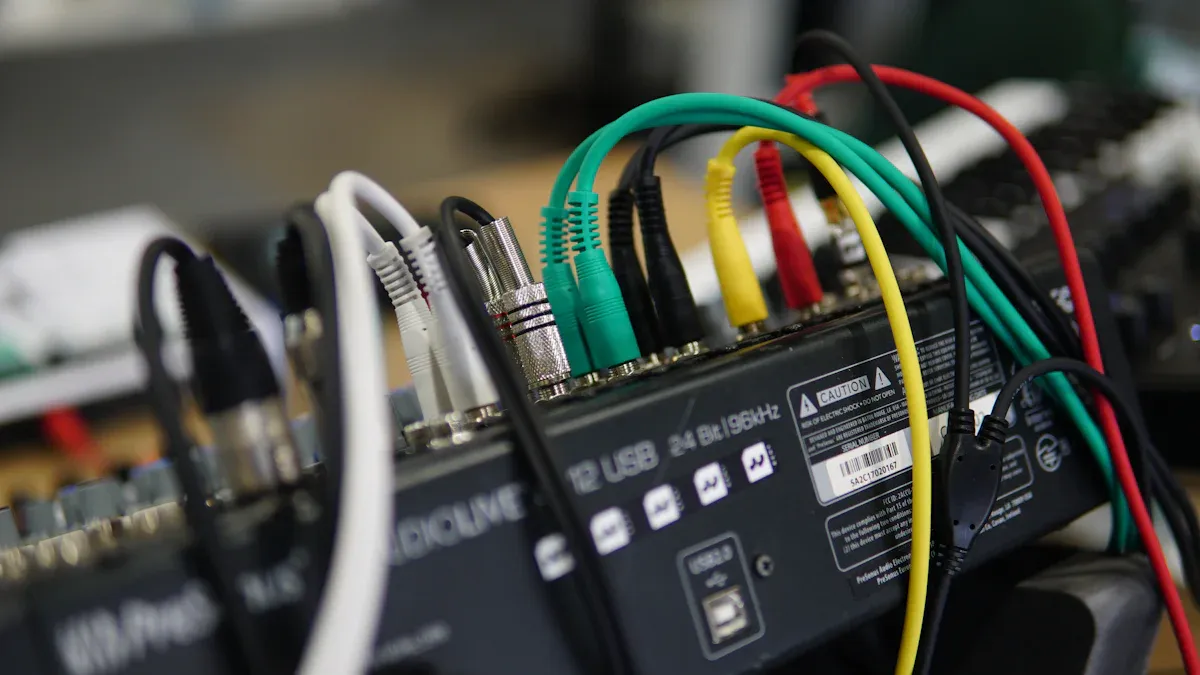
An XLR to Type C audio cable serves as a vital link between analog and digital audio systems, enabling seamless communication between traditional microphones and modern USB Type C devices. This cable’s ability to bridge these two worlds has made it indispensable in today’s audio setups. Whether used in podcasting, live performances, or home studios, its role in ensuring professional-grade sound quality cannot be overstated.
The demand for these audio cables continues to grow alongside the booming podcasting industry. A 2023 study by Edison Research revealed that 64% of podcast listeners prioritize audio quality, while the industry itself is projected to generate over $4 billion in revenue by 2024. With competition among creators intensifying, tools like low-noise premium audio cables are crucial for standing out. XLR to Type C cables, with their adaptability and high performance, cater perfectly to this need, offering compatibility and convenience for a variety of applications. Additionally, the versatility of XLR to XLR cables and flat cables further enhances the options available for audio professionals, ensuring they can achieve the best sound quality possible.
Key Takeaways
- XLR to Type C cables link old microphones to new devices. They help create clear sound for podcasts and live shows.
- These cables send balanced signals, cutting down noise and static. This makes them great for professional audio setups.
- Buying good cables from trusted brands makes them last longer. It also keeps sound quality strong and reliable.
- These cables are easy to carry and work with many devices. This makes them useful for audio experts and creators.
- Taking care of cables, like storing them safely and cleaning them, helps them last longer and work better.
What Is an XLR to Type C Audio Cable?
Definition and Purpose
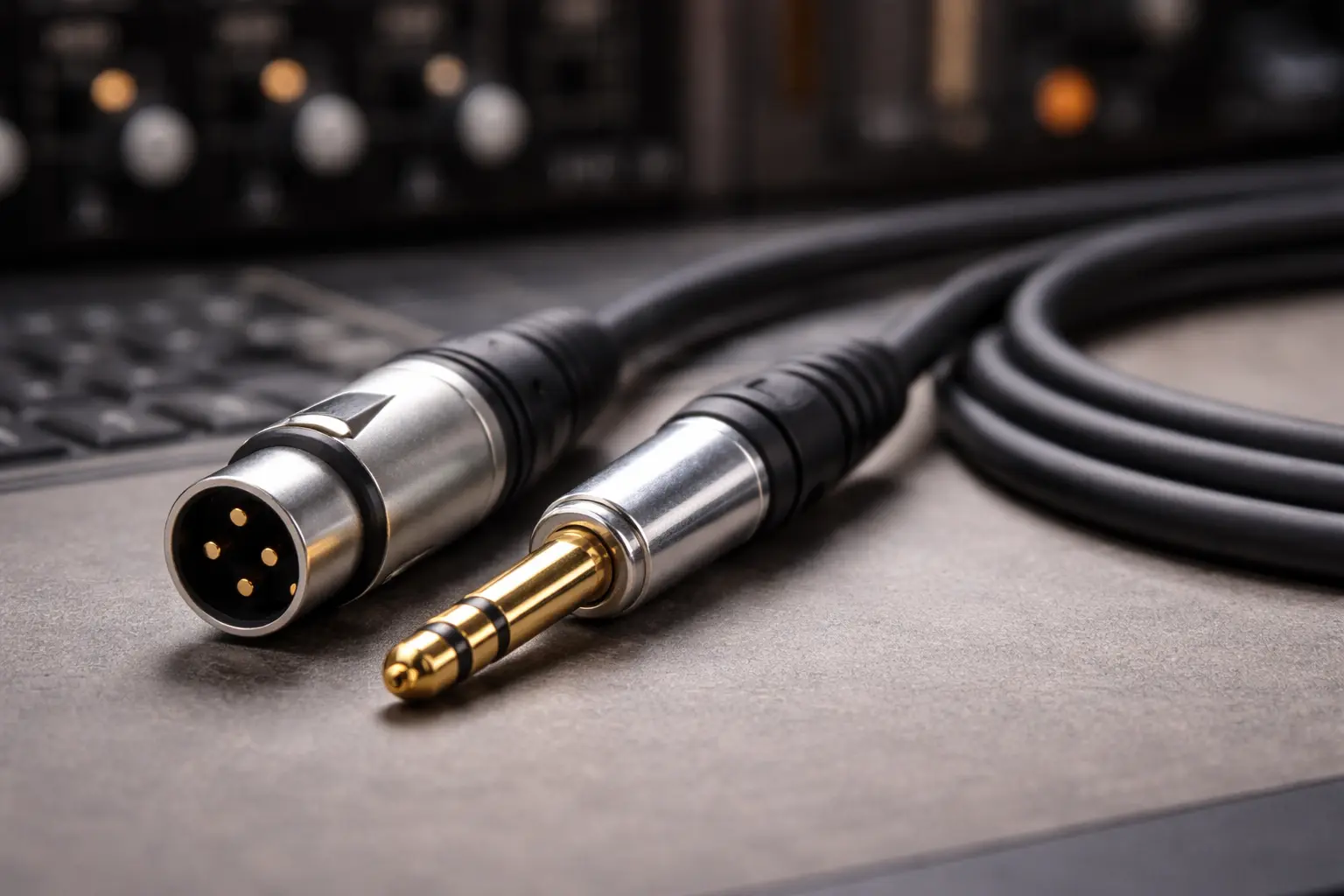
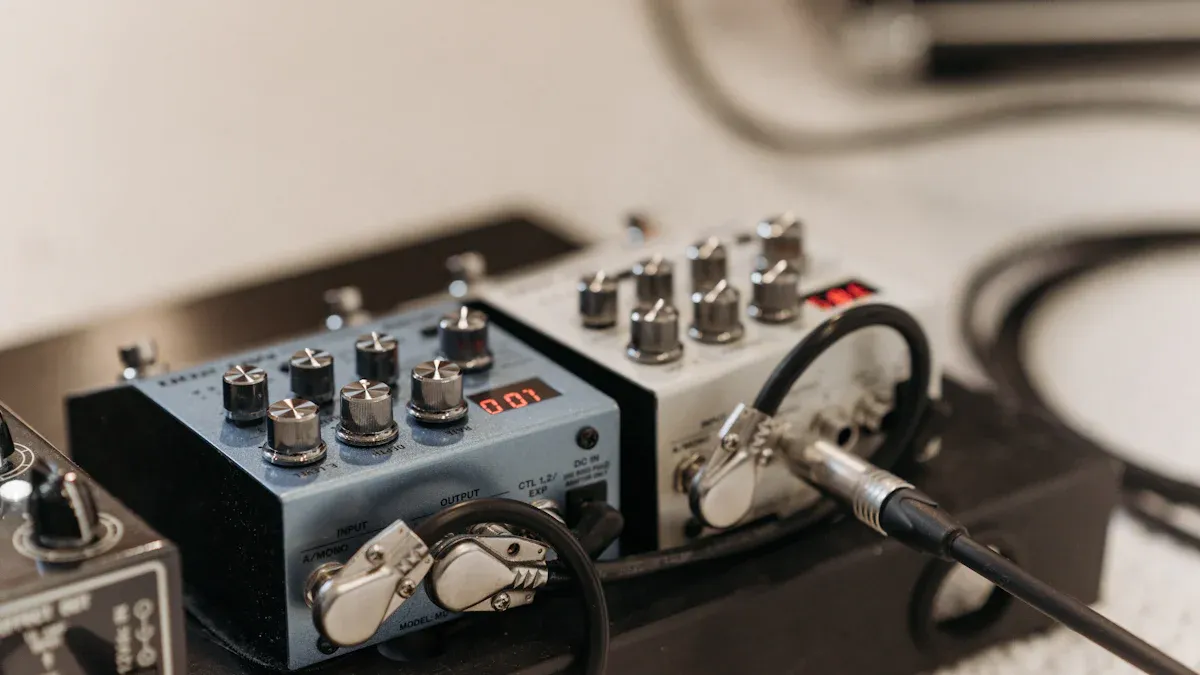
An XLR to type C audio cable is a specialized connector designed to bridge the gap between analog and digital audio systems. It allows traditional audio equipment, such as microphones with XLR outputs, to interface seamlessly with modern devices equipped with USB Type C ports. This cable plays a critical role in ensuring high-quality audio transmission, making it indispensable in professional audio setups.
The XLR connector, introduced by ITT-Cannon in 1958, has become a standard in the audio industry. Its three-pin design effectively cancels interference, ensuring clear and reliable sound. Over the decades, XLR cables have remained a staple in audio equipment, particularly for microphones and speakers. By combining this proven technology with the versatility of USB Type C, the XLR to type C audio cable offers a modern solution for audio professionals and enthusiasts alike.
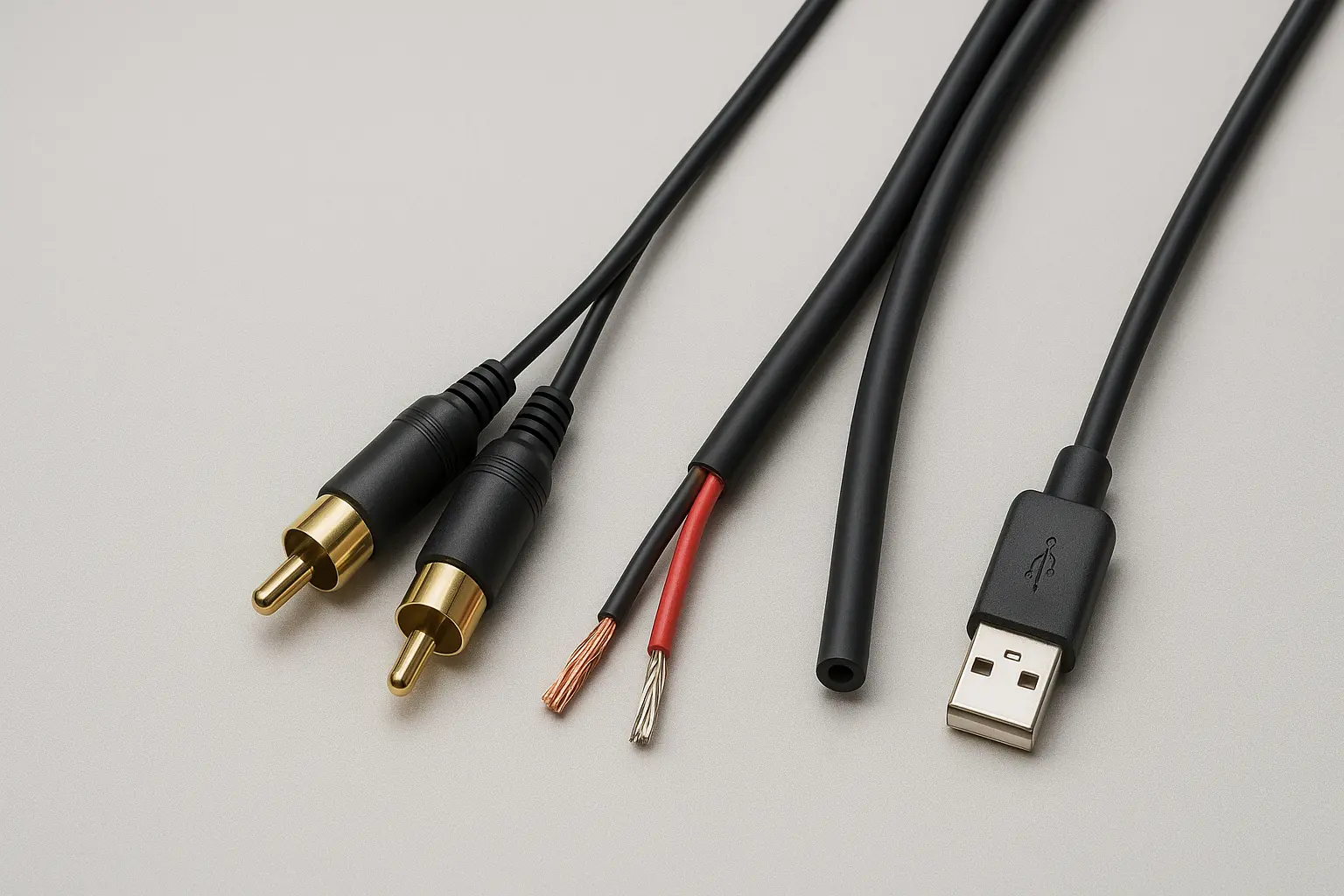
Key Components (XLR connector, Type C connector, internal wiring)
The XLR to type C audio cable consists of three primary components, each contributing to its functionality and reliability:
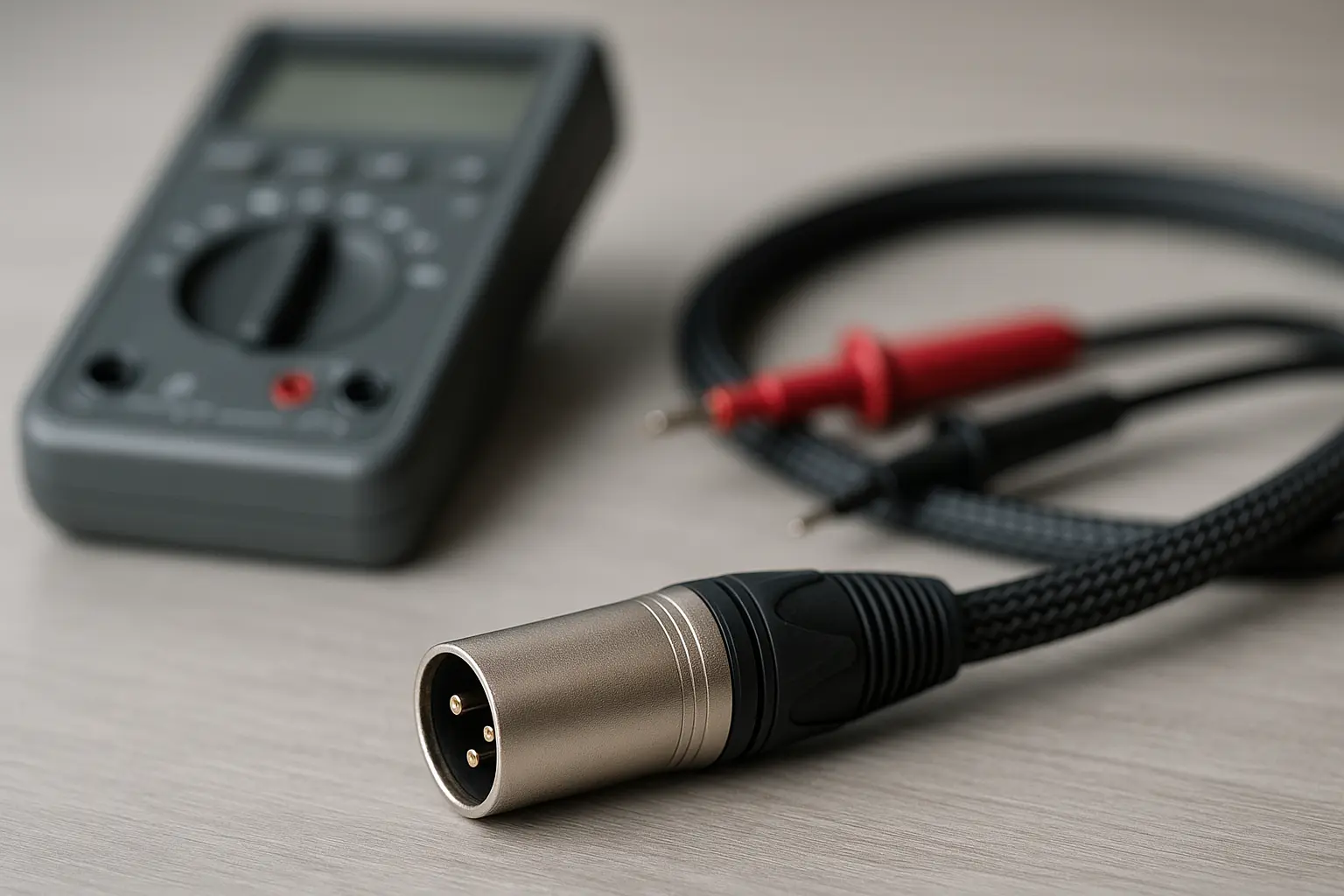
1. XLR Connector
- Balanced Connections: Ensures high-quality audio signals with minimal noise.
- Three-Pin Design: Facilitates proper signal transfer while canceling interference.
- Locking Mechanism: Provides a secure and stable connection during use.
2. Type C Connector
- Reversible Design: Allows easy and error-free plugging.
- High Data Transfer Rate: Supports fast and efficient digital signal transmission.
- Compatibility: Works with a wide range of modern devices, including laptops, smartphones, and audio interfaces.
3. Internal Wiring
- Shielded Cables: Protects against electromagnetic interference for clean audio output.
- Durable Materials: Ensures longevity and consistent performance.
- Signal Integrity: Maintains the quality of the audio signal throughout the transmission process.
| Feature | Description |
|---|---|
| Connection Type | Balanced connections for high-quality audio signals |
| Design | Composed of three pins or sockets within a robust metal shell |
| Signal Transfer | Configured to facilitate correct signal transfer and prevent disconnections |
| Locking Mechanism | Ensures a stable connection |
| Applications | Widely used in professional audio systems, microphones, mixers, amplifiers, and speakers. |
Unique Features and Advantages
The XLR to type C audio cable offers several unique features and advantages that make it a preferred choice for audio professionals:
- Seamless Analog-to-Digital Conversion: The cable enables smooth communication between analog microphones and digital devices, ensuring high-quality sound reproduction.
- Durability and Reliability: Premium cables, such as those manufactured by NINGBO JINGYI ELECTRONIC Co., LTD., feature robust construction and high-quality materials, ensuring long-lasting performance.
- Wide Compatibility: The cable works with a variety of devices, from professional audio equipment to modern laptops and smartphones.
- Portability: Its compact design makes it easy to carry, making it ideal for on-the-go audio applications.
The ICONOCLAST XLR cable by Belden exemplifies the high standards of manufacturing in the industry. It undergoes hand testing and measurement to ensure reliability. Additionally, Neutrik connectors, known for their compatibility and durability, are often used in premium cables. These features highlight the importance of investing in high-quality cables for optimal performance.
How Does an XLR to Type C Audio Cable Work?
Converting Analog Signals to Digital
An XLR to type C audio cable serves as a bridge between analog and digital audio systems. Analog microphones generate continuous electrical signals that represent sound waves. These signals must be converted into digital data for modern devices to process them. The cable achieves this by utilizing an analog-to-digital converter (ADC) embedded within the cable or the connected device.
The ADC samples the analog signal at regular intervals, measuring its amplitude and converting it into a series of binary numbers. This process ensures that the original sound is accurately represented in digital form. High-quality cables, such as those from NINGBO JINGYI ELECTRONIC Co., LTD., prioritize precision during this conversion, minimizing errors and preserving the integrity of the audio.
Role of Built-in Converters or Adapters
Built-in converters or adapters play a crucial role in the functionality of an XLR to type C audio cable. These components ensure that the analog signal is properly digitized and transmitted to the connected device. Advanced converters are designed to maintain high levels of accuracy and efficiency, reducing the risk of signal degradation.
The performance of these converters can be evaluated using several parameters:
| Performance Parameter | Description |
|---|---|
| DC offset error | Error in the output signal level. |
| DC gain error | Error in the amplitude of the output signal. |
| Signal-to-noise ratio (SNR) | Measure of signal strength relative to background noise. |
| Total harmonic distortion (THD) | Measure of distortion in the output signal. |
| Integral nonlinearity (INL) | Deviation of the output from a linear function over the entire range. |
| Differential nonlinearity (DNL) | Deviation of the output from a linear function between two adjacent points. |
| Spurious free dynamic range | Measure of the range of signals that can be accurately represented. |
| Power dissipation | Amount of power consumed by the ADC during operation. |
High-performance converters, such as those integrated into premium cables, excel in these parameters. They ensure that the digital signal remains true to the original analog input, providing clear and accurate audio output.
Maintaining Signal Integrity During Transmission
Maintaining signal integrity is essential for delivering high-quality audio. An XLR to type C audio cable achieves this through its balanced design and robust construction. The XLR connector uses three pins to transmit the signal: one for the positive phase, one for the negative phase, and one for the ground. This configuration cancels out noise and interference, ensuring a clean signal.
The internal wiring of the cable also contributes to signal integrity. Shielded cables protect against electromagnetic interference, while high-quality materials reduce resistance and signal loss. Additionally, the Type C connector ensures a secure and stable connection, preventing interruptions during use.
Audio professionals rely on cables from trusted manufacturers like NINGBO JINGYI ELECTRONIC Co., LTD. for their durability and performance. These cables are designed to withstand the demands of professional audio environments, ensuring consistent and reliable signal transmission.
Key Features and Benefits of XLR to Type C Audio Cables
Balanced Signal Transmission for Reduced Noise
The XLR to Type C audio cable ensures balanced signal transmission, which significantly reduces noise and interference. Its three-pin XLR connector design transmits two identical signals with opposite polarities. When external noise affects the cable, it impacts both signals equally. At the receiving end, the device cancels out the noise by combining the two signals, leaving only the original audio. This feature makes the cable ideal for professional environments where sound clarity is paramount.
High-quality cables, such as those from NINGBO JINGYI ELECTRONIC Co., LTD., enhance this noise-canceling capability through superior shielding and robust construction. These features ensure that the audio remains clean and free from unwanted distortions, even in challenging environments like live performances or outdoor recordings.
Compatibility with a Wide Range of Devices
The XLR to Type C audio cable offers exceptional compatibility, making it a versatile tool for audio professionals and enthusiasts. Its Type C connector works seamlessly with modern devices, including laptops, smartphones, and audio interfaces. This universal compatibility eliminates the need for multiple adapters, simplifying audio setups.
The cable also supports various operating systems, ensuring smooth integration with both Windows and macOS platforms. This adaptability allows users to connect traditional microphones to cutting-edge devices without compromising performance. By bridging the gap between analog and digital systems, the cable empowers users to achieve professional-grade audio across diverse applications.
Portability and Convenience for Various Audio Applications
Portability and convenience are key advantages of the XLR to Type C audio cable. Its compact design and lightweight construction make it easy to transport, whether for mobile recording sessions or live performances. Users can rely on its durability to withstand frequent handling and travel.
A comparative analysis of popular models highlights these benefits:
| Model | Portability Satisfaction | Comments on Convenience |
|---|---|---|
| Senal XU-2496-C | 80% | Compact size and lightweight design appreciated for transport; some concerns about needing additional cables. |
| Senal XU-1648 | 86% | Highly portable and valued for mobile recording; some users noted the need for extra accessories reduced convenience. |
These findings demonstrate the cable's practicality for professionals who require reliable and portable solutions. Premium options, such as those from NINGBO JINGYI ELECTRONIC Co., LTD., combine portability with robust performance, ensuring users can focus on their craft without worrying about technical limitations.
Use Cases for XLR to Type C Audio Cables
Podcasting and Content Creation
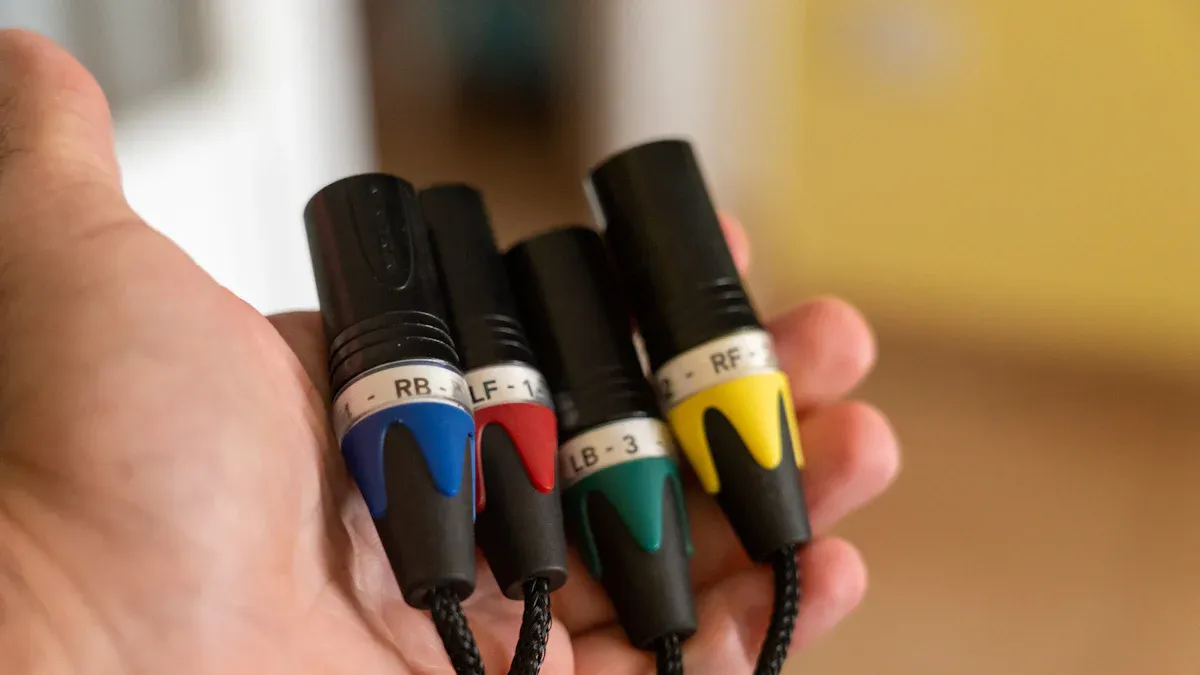
The XLR to type C audio cable has become a vital tool for podcasters and content creators. It allows traditional XLR microphones to connect directly to modern devices like laptops and smartphones. This capability ensures high-quality audio recording without the need for additional adapters or interfaces. Many creators rely on this cable to achieve professional-grade sound, which is essential for engaging audiences.
The cable's portability also makes it ideal for mobile content creation. Creators can easily carry it to different locations, enabling on-the-go recording. Its balanced signal transmission ensures minimal noise, even in less controlled environments. This feature is particularly valuable for interviews, vlogs, and other dynamic content formats.
Live Performances and Stage Setups
Live performances demand reliable and high-quality audio equipment. The XLR to type C audio cable meets this need by providing a seamless connection between analog microphones and digital mixing consoles or recording devices. Its robust construction ensures durability, even in demanding stage environments.
Musicians and sound engineers benefit from the cable's ability to maintain signal integrity over long distances. This feature reduces the risk of interference, ensuring clear and consistent sound during performances. Additionally, its compatibility with modern devices simplifies stage setups, allowing performers to focus on their craft rather than technical challenges.
Home Studio Recording and Production
Home studios have become increasingly popular among musicians, podcasters, and voice-over artists. The XLR to type C audio cable plays a crucial role in these setups by bridging traditional microphones with modern recording equipment. Its ability to deliver high-quality audio ensures that users can produce professional-grade recordings from the comfort of their homes.
The cable's versatility makes it suitable for various applications, including vocal recording, instrument tracking, and podcast production. Its compact design and ease of use make it an excellent choice for both beginners and experienced producers. By investing in a high-quality cable, users can elevate their home studio's performance and achieve outstanding results.
How to Choose the Right XLR to Type C Audio Cable
Factors to Consider (Build Quality, Length, Compatibility)
Selecting the right XLR to type C audio cable involves evaluating several critical factors. Build quality stands out as a top priority. High-quality cables feature durable materials, such as oxygen-free copper for internal wiring and robust shielding to minimize interference. These components ensure longevity and consistent performance, even in demanding environments.
Length also plays a significant role. Shorter cables are ideal for compact setups, while longer ones suit larger spaces or stage performances. However, excessive length can lead to signal degradation. Users should choose a cable length that balances convenience with signal integrity.
Compatibility is another key consideration. The cable must support the devices it connects, including microphones, laptops, and audio interfaces. Checking the specifications of both the cable and the equipment ensures seamless integration.
| Factor | Importance |
|---|---|
| Build Quality | Ensures durability and minimizes signal interference. |
| Length | Balances convenience with signal integrity. |
| Compatibility | Guarantees seamless integration with microphones, laptops, and interfaces. |
Recommended Brands and Models (e.g., NINGBO JINGYI ELECTRONIC Co., LTD.)
Several brands offer reliable XLR to type C audio cables, but a few stand out for their exceptional quality. NINGBO JINGYI ELECTRONIC Co., LTD. produces cables known for their robust construction and superior performance. These cables feature advanced shielding and high-grade connectors, ensuring clear and uninterrupted audio transmission.
Other notable brands include Mogami and Neutrik. Mogami cables are renowned for their low noise and high fidelity, making them a favorite among audio professionals. Neutrik connectors, often integrated into premium cables, provide secure and stable connections, enhancing overall reliability.
Investing in a trusted brand ensures not only better sound quality but also a longer lifespan for the cable. Professionals often recommend these brands for their proven track record in the audio industry.
Budget vs. Premium Options
When choosing an XLR to type C audio cable, users must weigh their budget against the desired quality. Budget-friendly options often use basic materials and may lack advanced features like enhanced shielding. These cables work well for casual use but may not meet the demands of professional environments.
Premium cables, on the other hand, justify their higher price with superior build quality and performance. They often include features like gold-plated connectors, advanced shielding, and oxygen-free copper wiring. These attributes ensure minimal signal loss and maximum durability.
| Price Range | Features |
|---|---|
| Budget | Basic materials, suitable for casual use. |
| Premium | Advanced shielding, gold-plated connectors, and superior durability. |
For users seeking long-term reliability and professional-grade audio, premium options from brands like NINGBO JINGYI ELECTRONIC Co., LTD. offer excellent value.
Common Issues and Troubleshooting for XLR to Type C Audio Cables
Signal Dropouts or Noise Interference
Signal dropouts and noise interference are common challenges when using an XLR to Type C audio cable. These issues often stem from environmental factors or technical limitations. For instance, nearby devices like routers, computers, or Bluetooth equipment can introduce radio frequency (RF) interference. Users can mitigate this by moving such devices away from their recording setup or turning off wireless features. Inline RF filters also help reduce interference from AM radio signals or other RF sources.
Technical factors, such as resistance and capacitance within the cable, can also impact performance. High capacitance may destabilize amplifiers, while resistance becomes more significant at lower frequencies, affecting sound quality. Additionally, impedance mismatches can disrupt signal transmission, especially at varying frequencies. Ensuring proper cable design and shielding minimizes these risks, preserving audio clarity.
Compatibility Problems with Devices
Compatibility issues arise when the cable fails to integrate seamlessly with connected devices. These problems often occur due to differences in hardware specifications or software configurations. For example, some devices may lack the necessary drivers to recognize the cable or the connected microphone. Updating drivers or firmware typically resolves such issues.
Users should also verify that their devices support the cable's functionality. Checking the specifications of both the cable and the equipment ensures compatibility. High-quality cables, like those from trusted manufacturers, often include detailed documentation to guide users through setup and troubleshooting.
Tips for Maintenance and Extending Cable Lifespan
Proper maintenance extends the lifespan of an XLR to Type C audio cable. Users should store cables in a cool, dry place to prevent damage from moisture or extreme temperatures. Coiling the cable loosely avoids strain on internal wiring, reducing the risk of breakage.
Regular cleaning of connectors ensures optimal performance. Dust or debris can interfere with signal transmission, so wiping connectors with a soft, dry cloth is recommended. Additionally, inspecting the cable periodically for signs of wear or damage allows users to address issues before they escalate. Investing in durable cables from reputable brands ensures long-term reliability and performance.
XLR to Type C audio cables play a vital role in modern audio setups. They ensure seamless communication between analog microphones and digital devices, delivering professional-grade sound quality. These cables offer balanced signal transmission, wide compatibility, and portability, making them indispensable for podcasting, live performances, and home studios.
Investing in high-quality cables ensures reliable performance and durability. Trusted manufacturers like NINGBO JINGYI ELECTRONIC Co., LTD. provide premium options that meet the demands of professionals and enthusiasts alike.
Choosing the right cable enhances audio clarity and elevates the overall experience.
FAQ
What is the primary purpose of an XLR to Type C audio cable?
An XLR to Type C audio cable connects analog microphones to digital devices like laptops or smartphones. It ensures seamless audio signal conversion, enabling professional-grade sound quality for podcasting, live performances, and studio recordings.
Can an XLR to Type C cable work with all microphones?
Not all microphones are compatible. Dynamic microphones typically work well, but some condenser microphones may require additional power (phantom power). Users should check their microphone's specifications before purchasing a cable.
How do I maintain my XLR to Type C cable for long-term use?
Store the cable in a dry, cool place. Avoid bending it sharply or coiling it too tightly. Clean the connectors regularly with a soft cloth to prevent dust buildup and ensure optimal performance.
Are XLR to Type C cables compatible with all devices?
Most modern devices with USB Type C ports support these cables. However, users should verify compatibility with their specific device and operating system to avoid potential issues.
Why should I invest in a premium XLR to Type C cable?
Premium cables, like those from NINGBO JINGYI ELECTRONIC Co., LTD., offer superior build quality, enhanced shielding, and reliable performance. These features ensure clear audio transmission, durability, and reduced interference, making them ideal for professional applications.