

The Ultimate OEM Buyer’s Guide to 3.5 mm to 2 RCA Cable (U.S. B2B Edition)
Key Takeaways for U.S. OEM Buyers
- The 3.5 mm to 2 RCA Cable still sells extremely well in the U.S. because RCA inputs remain common in speakers, amps, hospitality AV systems, and older home theater setups.
- American buyers focus heavily on reliability, consistent quality, and clear compliance documents—not fancy “audiophile” features.
- Most user complaints online come from weak shielding, poor connector materials, and fragile strain-relief sections.
- OFC copper, dual shielding, and brass connectors form the core of a dependable cable.
- Manufacturers like Jingyi Audio can support private-label brands and distributors with stable production, branding options, and packaging tailored for the U.S. retail and Amazon FBA markets.
Why This Cable Still Matters for the U.S. Market
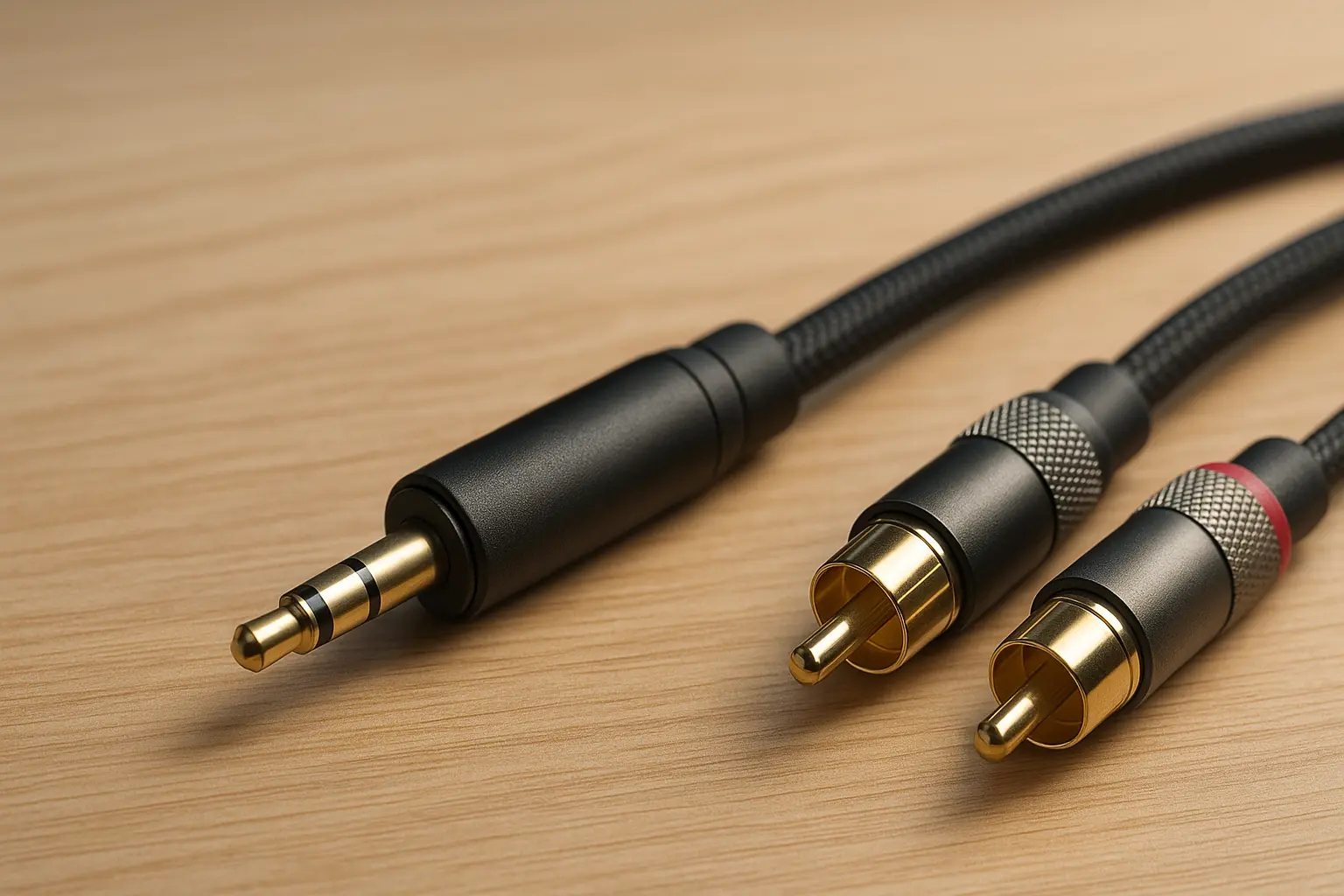
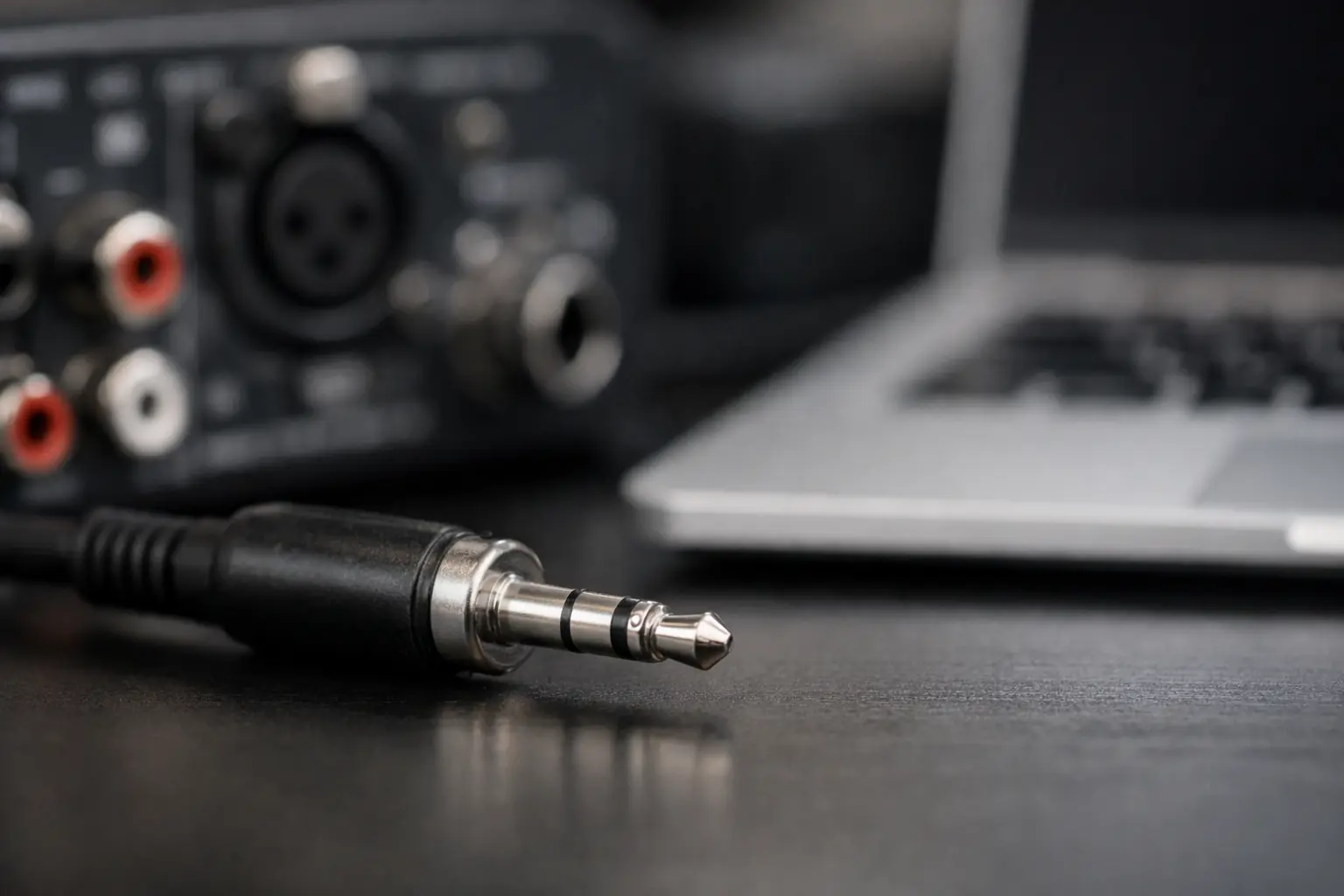
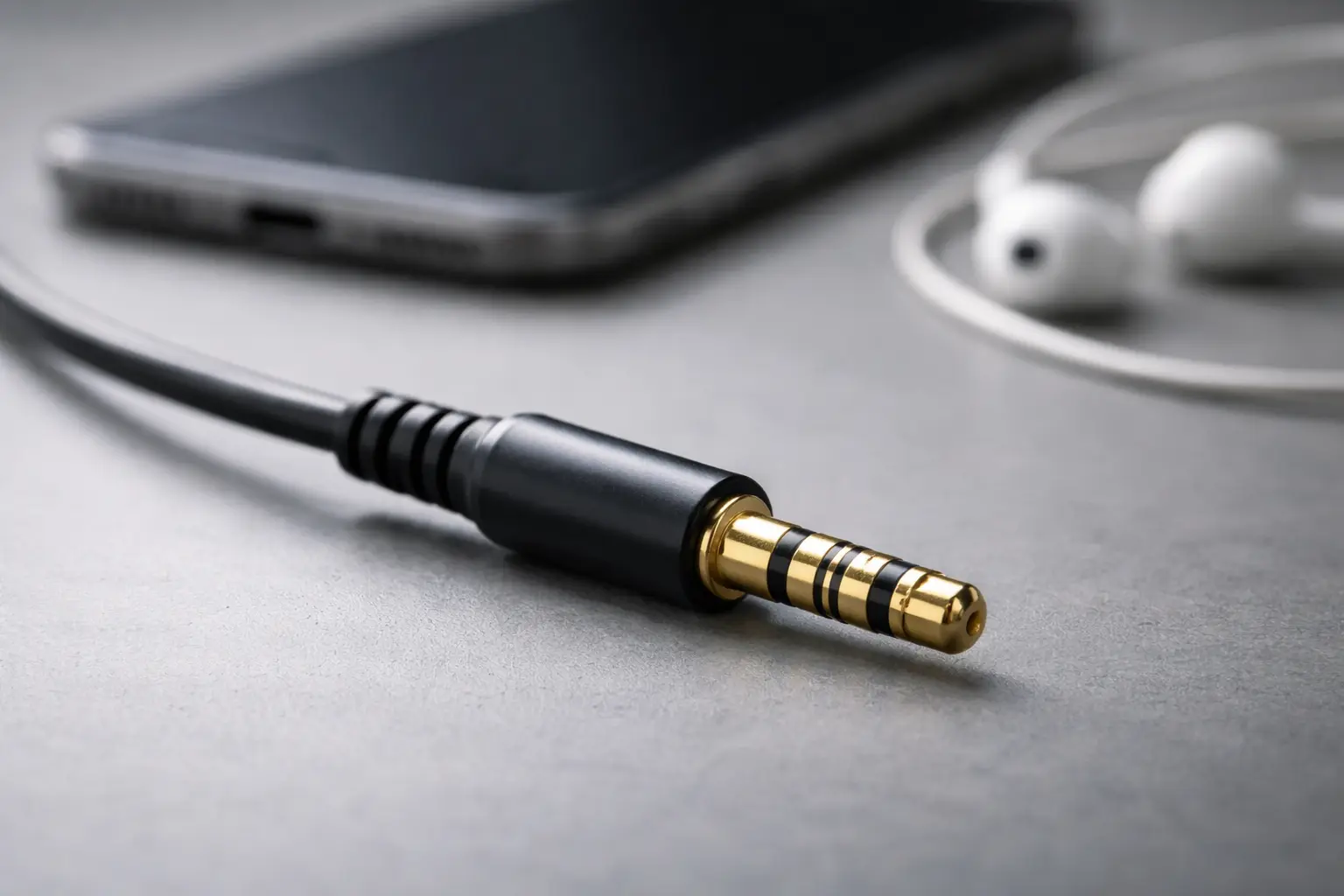
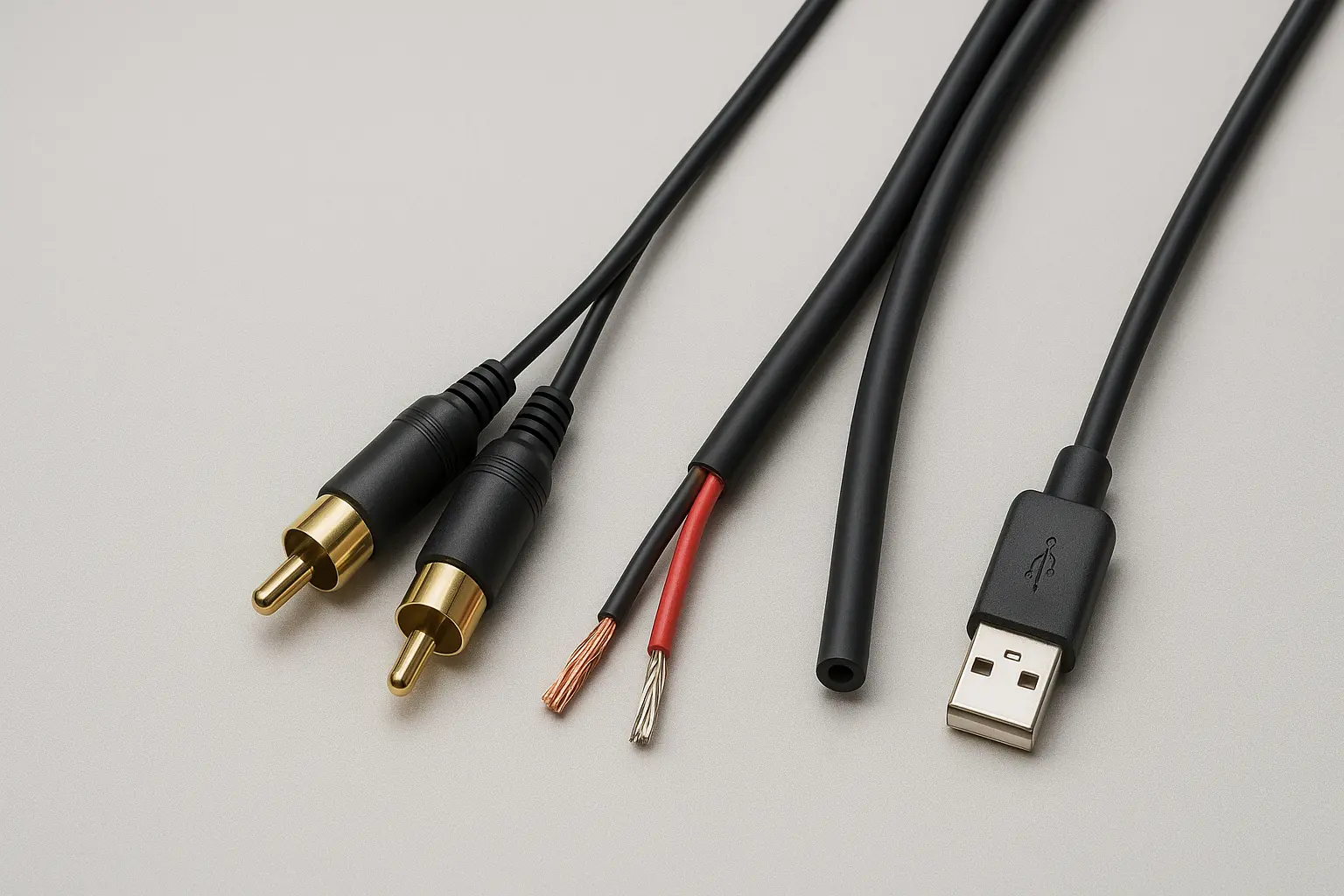
Even as HDMI and wireless audio get more attention, the 3.5 mm to 2 RCA Cable remains a steady seller across the country. A big reason is that many amplifiers, soundbars, mixers, and older TVs still rely on RCA inputs.
On top of that, installers in schools, churches, hotels, and conference rooms run into RCA connections every day.
In short:
If you’re a U.S. distributor or a private-label audio brand, this cable isn’t going anywhere.
What Determines Cable Quality in Real Use
Although the cable looks simple, the engineering behind it affects noise, reliability, and overall customer satisfaction. Most Amazon reviews and Reddit discussions show a repeating pattern: people complain about hum, static, or loose connectors.
Below is what matters most.
Copper Conductors: Why Purity Matters
The type of copper used influences resistance and long-term stability.
TPC (Entry-Level Copper)
- Cheaper
- Not consistent
- Common in low-cost mass-market cables
OFC (99.99% Oxygen-Free Copper)
- Clean signal transmission
- Excellent for short RCA runs
- The standard choice for U.S. audio brands
- Used by Jingyi Audio for OEM clients
OCC / Higher-Purity Copper
- Mostly marketing for this cable type
- Adds cost without clear benefits for short lengths
For OEM orders targeting the U.S., OFC is usually the right balance of cost and performance.
Shielding: The Real Difference Between Good and Bad Cables
Most negative reviews online—especially on AVSForum and Reddit—point to noise issues:
- humming
- buzzing
- interference from chargers
- mouse-movement noise from PCs
- whining sounds in cars
These problems often come from weak shielding.
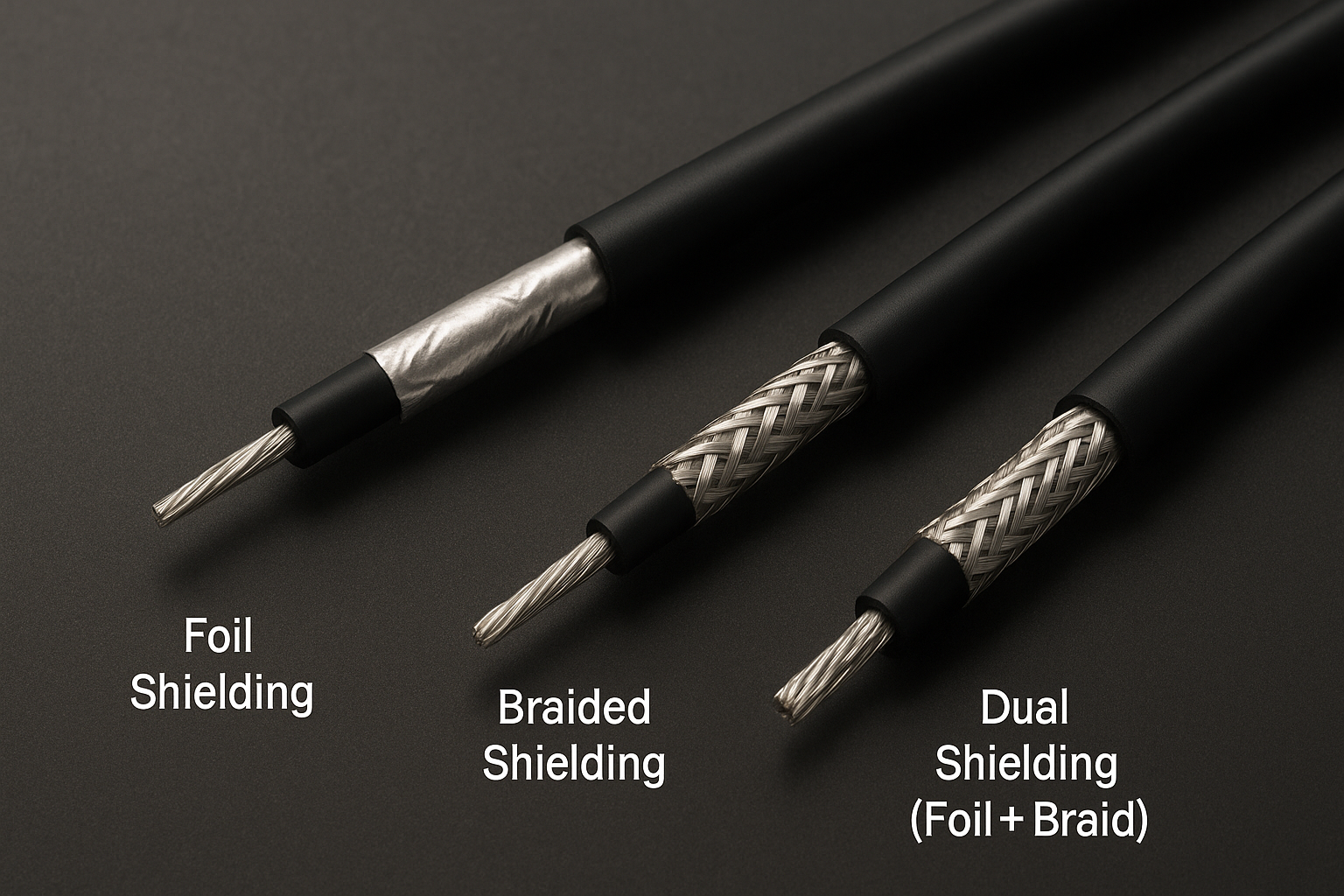
Foil Shielding
- Blocks some high-frequency interference
- Inexpensive
- Not enough in noisy environments like PC desks or cars
Braided Shielding
- Better at blocking low-frequency hum
- More durable
Dual Shielding (Foil + Braid)
- Best overall performance
- Strong noise control
- Preferred by installers in offices and hospitality projects
If your customers install sound systems in hotels, schools, or corporate AV rooms, dual shielding should be non-negotiable.
Connector Build Quality: A Major Source of Returns
If a cable breaks, it usually happens at the connector head.
A reliable OEM cable should use:
- Brass connectors, not steel
- Gold plating for areas with high humidity (Florida, Louisiana)
- Nickel plating for high-use environments (K-12 schools, rental companies)
- Machined plugs instead of stamped ones
- Thick molded strain relief
- Optional spring reinforcement for premium lines
Weak connectors lead to:
- channels cutting in and out
- loose fits
- crackling noises
- a higher return rate on Amazon
This is one area where Jingyi Audio performs well because of controlled tooling and stable materials.
Jacket Materials and Durability for U.S. Conditions
Different customers prefer different jackets:
PVC
- Durable
- Budget-friendly
- Works well for most retail cable lines
TPE
- More flexible
- Better for colder climates
Nylon Braided
- Strong and visually appealing
- Popular with Amazon private-label brands
- Can be stiff in certain temperatures
For OEM orders, offering multiple jacket styles helps brands expand their product lines with minimal engineering changes.
Cable Length Guide for U.S. Installers
Different use cases demand different lengths:
- 6 ft — Most popular in consumer retail
- 10–12 ft — Common for home theater and office setups
- 15 ft — Works well if dual shielding is used
- >25 ft — Requires careful shielding; unbalanced analog isn’t ideal at this length
In large rooms (Texas churches, California university halls), installers often run into noise problems if the RCA line is too long. Dual shielding helps reduce complaints.
Real U.S. Examples from Social Media
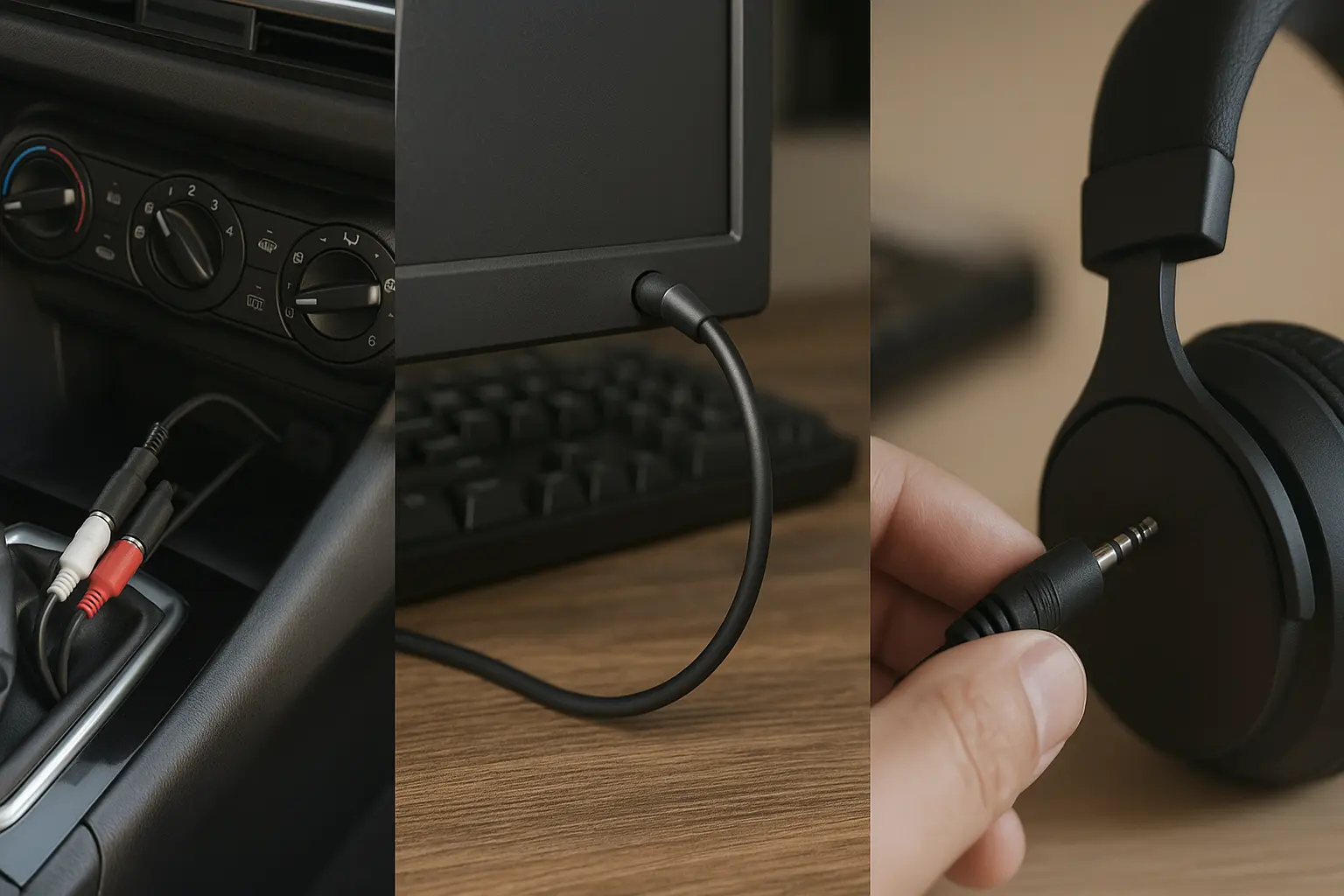
To write a realistic guide, it helps to look at how people actually talk about these cables.
Case: Ground Noise in Cars
Drivers often report a whining sound that changes with engine RPM.
Common cause? The phone is charging while connected through a cheap 3.5mm to RCA cable.
Fixes that users mention:
- using a better-shielded cable
- adding a ground-loop isolator
- using an isolated USB charger
Case: Static on Desktop Computers
PC setups often cause:
- buzzing
- clicking
- interference when moving the mouse
This usually happens when the cable lies close to power bricks, GPUs, or USB hubs.
A properly-built dual-shield cable minimizes these issues.
Case: Channels Dropping Out
People on Head-Fi often complain about one channel vanishing unless they twist the plug.
This comes from low-quality connectors or weak strain relief.
OEM brands can easily avoid this by choosing better connector builds.
What U.S. Buyers Actually Want from OEM Suppliers
Based on procurement habits from distributors, installers, and private-label brands, these needs appear again and again.
Consistent Quality Between Shipments
American buyers quickly notice variations in:
- connector color
- copper grade
- cable stiffness
- overall assembly style
Consistency matters more than “premium sound.”
Durability for Heavy Use
Hotels, schools, and corporate AV rooms need cables that withstand:
- frequent plugging and unplugging
- bending
- rolling carts
- untrained hands
These environments destroy weak cables in weeks.
Compliance Documents
Large buyers often ask for:
- RoHS
- REACH
- California Prop 65 labeling
- Lead-free solder documentation
Jingyi Audio supports these requirements.
Retail and Amazon FBA Packaging Options
Popular packaging formats:
- polybags with barcodes
- clamshell packages
- box packaging with artwork
- QR codes for manuals
- anti-tangle ties
- FBA carton labeling
Many suppliers cannot offer this; Jingyi Audio can.
Brand Customization
Common OEM requests include:
- custom connector shells
- printed logos
- custom jacket colors
- specific lengths
- retail packaging with full graphics
- serialized or batch-coded labels
These help U.S. brands build recognition.
How Jingyi Audio Supports OEM and Private-Label Clients
For buyers who need stable production and predictable quality, here’s what sets Jingyi Audio apart:
- 99.99% OFC copper across all OEM lines
- Dual-shield, low-noise cable design
- Brass connectors for stability
- Injection-molded strain relief
- Custom lengths from 1 to 50 ft
- Retail-ready packaging options
- RoHS & REACH compliance
- Consistent QC processes
- Decades of manufacturing experience
This combination makes it easier for U.S. brands to grow without worrying about product failures or inconsistent batches.
A Practical OEM Checklist for Buyers
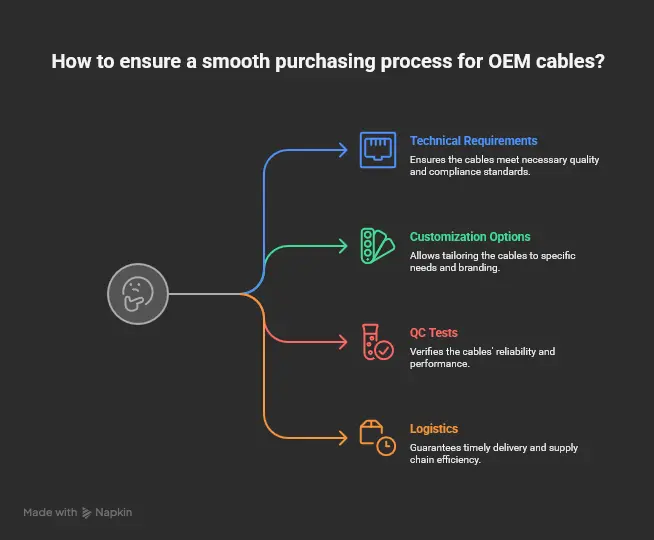
This section makes purchasing decisions smoother.
Technical Requirements
- OFC copper
- Dual shielding
- Brass connectors
- Molded strain relief
- RoHS / REACH compliant
Customization
- Length options
- Jacket colors
- Connector styles
- Logo printing
- Retail packaging
QC Tests
- resistance testing
- continuity testing
- pull test
- bending test
- visual inspection
Logistics
- clear lead times
- stable supply
- flexible MOQ
- FBA carton labeling
This checklist is extremely helpful for procurement teams building long-term cable lines.
Closing Thoughts
The 3.5 mm to 2 RCA Cable is far from obsolete.
It continues to be a trusted tool in homes, cars, studios, classrooms, and professional AV spaces across the U.S.
For distributors and private-label brands, the real challenge isn’t selling the cable—it’s sourcing one that avoids noise issues, feels solid in the hand, and remains consistent from order to order.
Working with a stable OEM partner such as Jingyi Audio helps you build dependable product lines, reduce returns, improve your reviews, and create long-term trust with your customers.
References & Source Citations
Below are several public sources where U.S. users discuss real-world issues related to the 3.5 mm to 2 RCA Cable, including noise, wiring problems, and product quality. These links help verify common complaints and patterns mentioned in this guide.
- AVSForum – Noise, RCA hum, and cable quality discussions
https://www.avsforum.com/threads/any-sound-degradation-from-using-a-3-5mm-to-dual-rca-cable.1527897/ - AudioScienceReview – RCA cable measurements and shielding conversations
https://www.audiosciencereview.com/forum/index.php?threads/3-5mm-to-rca-cables-for-dac-amp-interconnect.52747/ - Head-Fi – User reports about channel dropouts and build quality of 3.5 mm to RCA cables
https://www.head-fi.org/threads/do-the-3-5mm-to-dual-rca-cables-degrade-sound-quality.569338/ - ShowMeCables – Basic technical explanation of 3.5mm-to-RCA adapters
https://www.showmecables.com/blog/post/3-5mm-stereo-male-to-dual-rca-female-adapter -
WhatHiFi Forum – Real user recommendations and reliability feedback
https://forums.whathifi.com/threads/recommended-3-5mm-to-rca-interconnect.112933/