


Top 10 Low-Noise XLR Cables for Professional Studio Recording: A 2025 Buyer's Guide
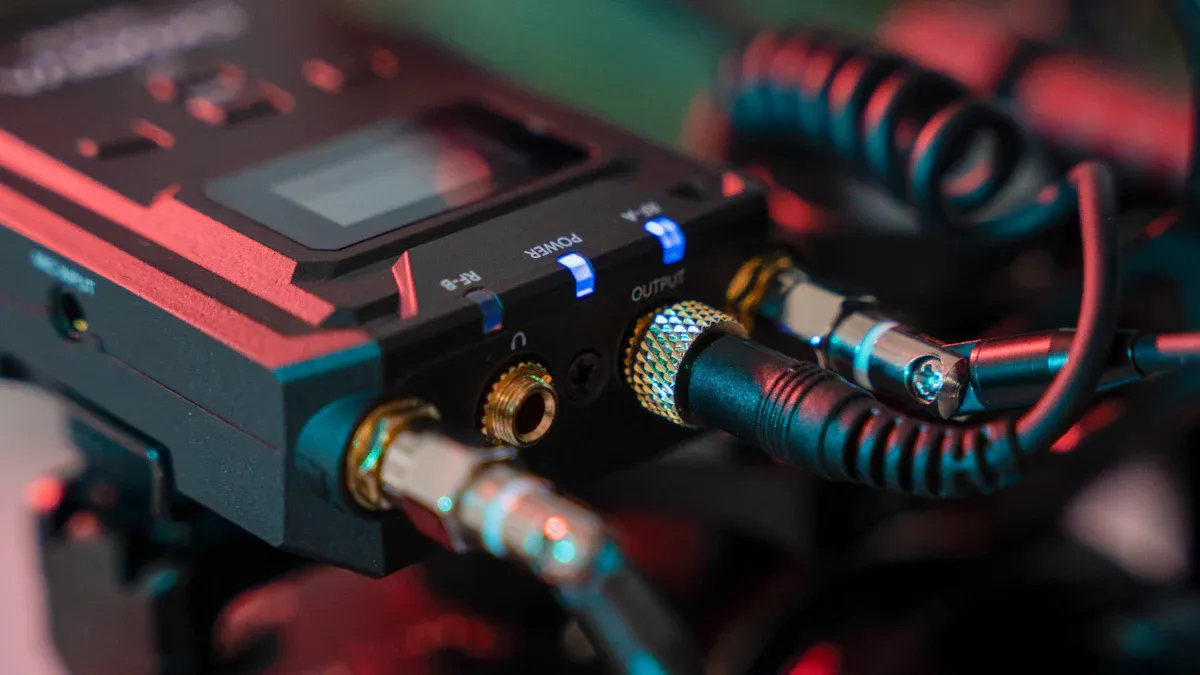
Low-noise XLR cables are essential for professional-grade audio recording. They reduce interference, ensuring clear sound quality. The growing demand for high-fidelity audio and the rise of live streaming highlight their importance. A low-noise premium audio cable delivers unmatched performance, making it indispensable for studios, live performances, and home recording setups.
Key Takeaways
- Quiet XLR cables are important for clear sound in recordings. They block noise and improve audio quality.
- Pick a cable based on your studio's needs. Check your gear and space to choose the right one.
- Buying good cables means they last longer and work better. Find a balance between price and quality for the best deal.
What Are Low-Noise XLR Cables?
Definition and Purpose
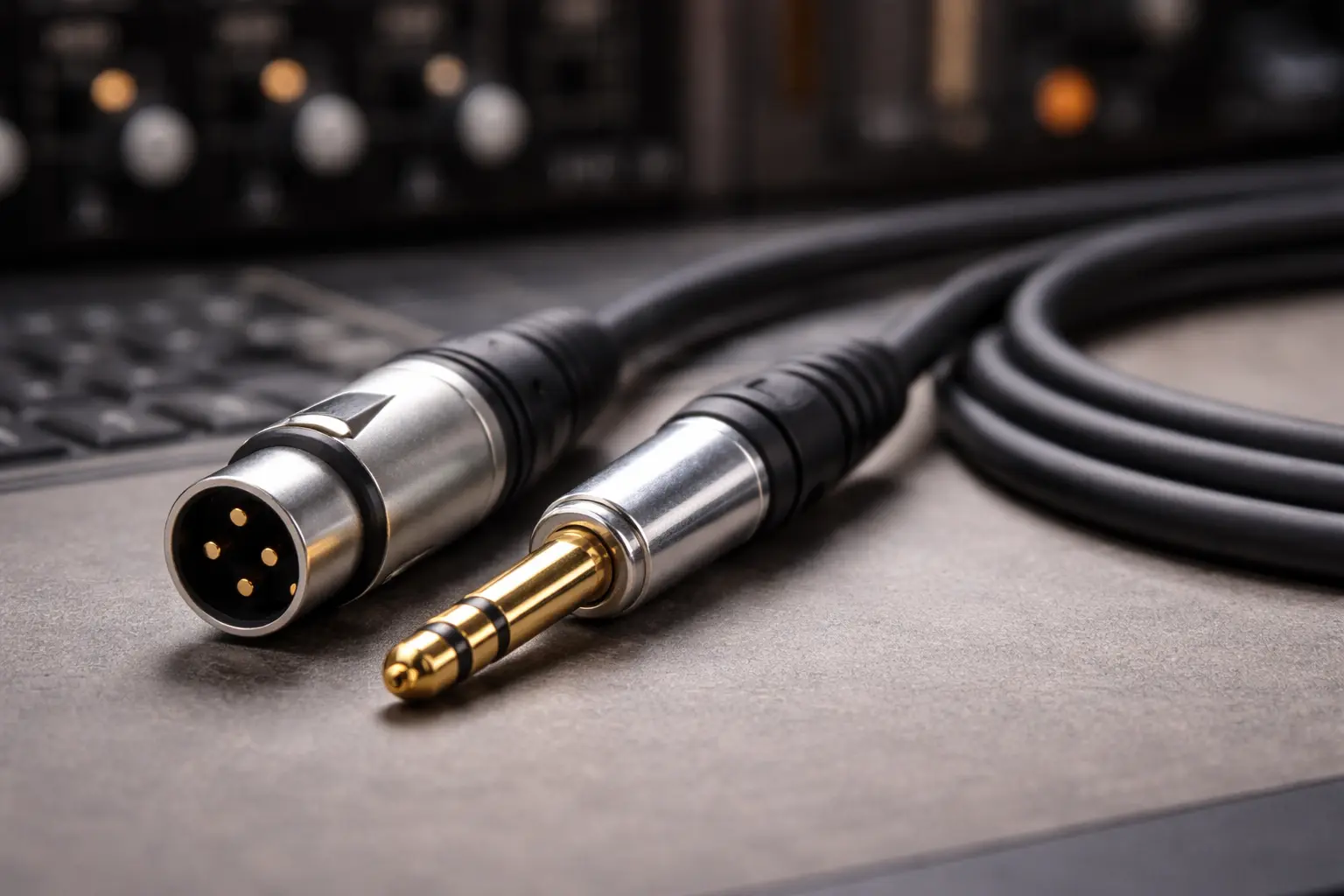
Low-noise XLR cables are specialized audio cables designed to deliver clean and interference-free sound. These cables utilize a three-pin connector system for balanced audio transmission, ensuring high-quality sound output. Their balanced configuration cancels out unwanted interference by transmitting identical audio signals with opposing polarities across two wires. This design makes them ideal for professional audio environments, including studio recordings and live performances.
Several industry standards highlight their effectiveness. Balanced cables, unlike unbalanced ones, reject noise more efficiently due to equal impedance across signal wires. Star quad XLR cables, featuring four copper wires, offer superior noise rejection, particularly in large venues or systems with long cable runs. Mogami cables, known for their reliability, provide noise-free performance but come at a premium cost.
Benefits for Professional Studio Recording
Low-noise XLR cables enhance studio recording by delivering superior audio quality. Their construction blocks electromagnetic interference (EMI) and radio frequency interference (RFI), ensuring clear sound even in noisy environments. Effective shielding, such as braided or foil designs, protects the conductor from external signals. Additionally, their durability and locking mechanisms prevent accidental disconnections, making them suitable for heavy use.
These cables adapt to various audio equipment, including microphones, mixing boards, and amplifiers. Their ability to maintain signal fidelity under demanding conditions makes them indispensable for professional studios.
How They Minimize Noise and Interference
Low-noise XLR cables reduce ambient noise through advanced engineering. High-quality materials, such as copper conductors and robust shielding, minimize EMI and RFI. The twisted pair design in balanced cables cancels out interference by ensuring equal impedance. Star quad configurations further enhance noise rejection, making them ideal for complex setups.
Connector quality also plays a vital role. Well-constructed connectors ensure secure connections, reducing the risk of signal degradation. These features collectively contribute to cleaner recordings and improved audio performance in professional settings.
Key Features of Low-Noise XLR Cables
Shielding and Noise Reduction
Effective shielding is a cornerstone of low-noise XLR cables. These cables employ advanced shielding techniques, such as braided copper or aluminum foil layers, to block external electromagnetic interference (EMI) and radio frequency interference (RFI). This shielding ensures that the audio signal remains clean and free from unwanted noise. The three-conductor design, which includes positive, negative, and ground wires, further enhances noise rejection by balancing the audio signal. This combination of shielding and balanced transmission makes these cables ideal for professional audio environments where signal clarity is paramount.
Conductor Quality and Signal Fidelity
The quality of the conductor directly impacts the fidelity of the audio signal. High-purity oxygen-free copper (OFC) conductors are commonly used in low-noise XLR cables due to their superior conductivity and minimal signal loss. Studies have shown that cables with OFC conductors exhibit improved frequency response and reduced crosstalk, ensuring accurate sound reproduction. For instance, cables with smaller conductor sections often show diminished performance, highlighting the importance of using high-quality materials. This focus on conductor quality ensures that low-noise XLR cables deliver consistent and reliable audio performance.
Durability and Longevity
Durability is essential for cables used in professional settings. Low-noise XLR cables are designed to withstand frequent use and harsh conditions. Features such as reinforced connectors, strain relief mechanisms, and robust outer jackets protect the cable from wear and tear. These design elements ensure that the cables maintain their performance over time, making them a cost-effective choice for studios and live performances.
Flexibility and Usability
Flexibility enhances the usability of low-noise XLR cables. A flexible cable is easier to route through complex setups and reduces the risk of damage from bending. Many cables feature soft yet durable outer jackets that allow for smooth handling without compromising durability. This flexibility makes them suitable for various applications, from studio recording to live sound reinforcement.
Price vs. Performance
Balancing cost and performance is crucial when selecting low-noise XLR cables. While premium cables often offer superior shielding, conductor quality, and durability, budget-friendly options can still provide excellent performance for less demanding applications. Evaluating the specific needs of the studio or setup helps determine the best investment. High-end cables may be ideal for professional studios, while mid-range or budget options can suffice for home recording setups.
Top 10 Low-Noise XLR Cables for 2025
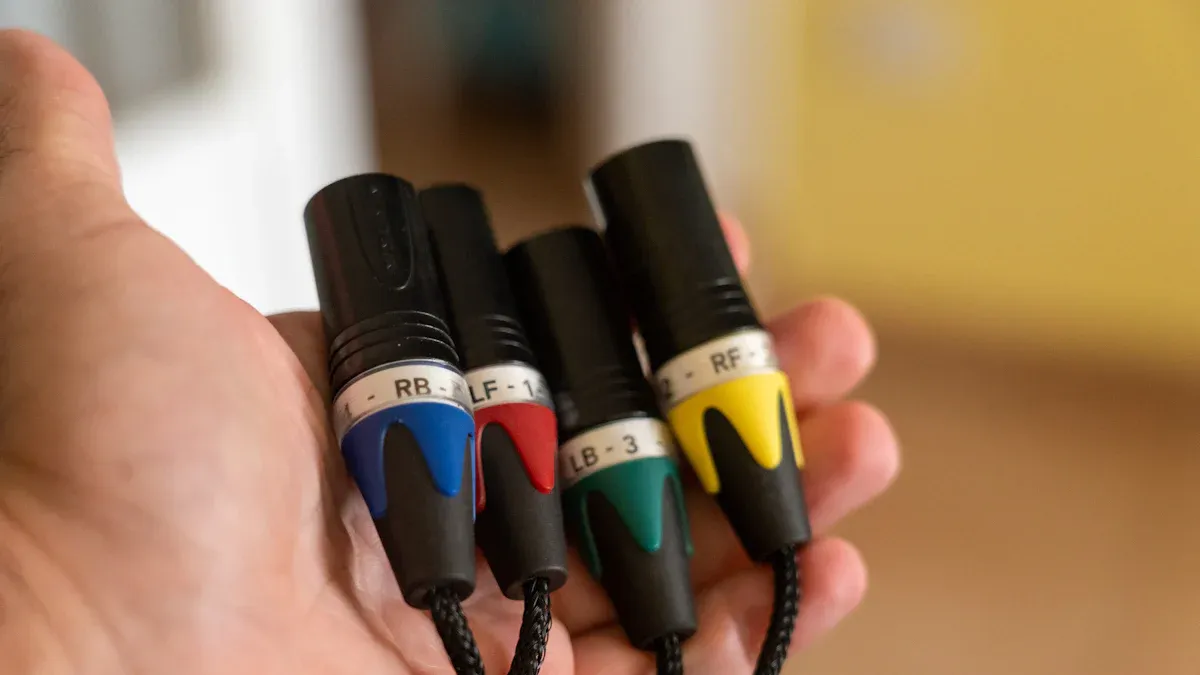
Best Budget Options
For those seeking affordable yet reliable solutions, several budget-friendly low-noise XLR cables stand out in 2025. These options balance cost and performance, making them ideal for home studios or casual recording setups:
- Mogami Silver Series XLR Microphone Cable: Known for its lifetime warranty, this cable offers excellent value without compromising on quality.
- Monster Performer 600 Microphone Cable: While slightly more expensive, it delivers high-quality sound and durability.
- Planet Waves Classic Series XLR Microphone Cable: A durable and reasonably priced option, perfect for occasional use.
Budget cables often feature essential components like oxygen-free copper conductors and balanced designs. These features ensure low impedance and noise reduction, even at lower price points.
| Feature | Description |
|---|---|
| Gold plating | Best-in-class gold plating on XLR connectors |
| Oxygen-free copper conductors | Ensures low impedance and noise reduction |
| Balanced cable design | Reduces interference and enhances sound clarity |
| Strain relief | Protects connectors from damage |
| Compatibility | Usable with studio monitors, dynamic, and condenser mics |
| Durability | Highly durable built for long-term use |
| Affordability | Dual cable pack is cheaper than single cable packs |
| Length availability | Available up to 35 feet in length |
Best Mid-Range Options
Mid-range low-noise XLR cables cater to professionals who need a balance between affordability and performance. These cables often feature enhanced shielding and superior conductor materials, ensuring better sound clarity and durability.
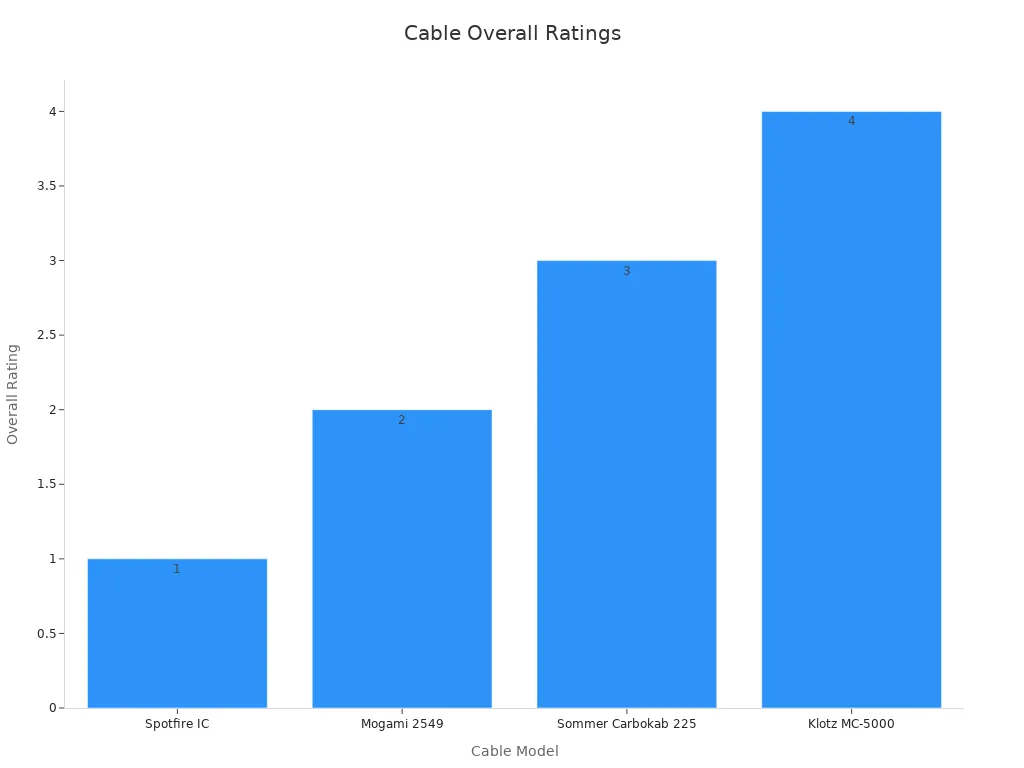
| Cable Model | Warmth | Transparency | Bass Quality | Overall Rating |
|---|---|---|---|---|
| Klotz MC-5000 | High | Low | Moderate | 4 |
| Mogami 2549 | Moderate | High | High | 2 |
| Sommer Carbokab 225 | Moderate | Moderate | Moderate | 3 |
| Spotfire IC | High | High | High | 1 |
The Klotz MC-5000 stands out for its warmth and overall performance, while the Spotfire IC excels in transparency and bass quality. These cables are ideal for semi-professional studios or live performances requiring consistent sound quality.
Best High-End Options
High-end low-noise XLR cables are designed for audiophiles and professional studios where sound quality is paramount. These cables incorporate premium materials and advanced engineering to deliver unmatched performance.
| Specification | Details |
|---|---|
| Conductors | 99.99% pure copper dual center conductors for untainted audio signals. |
| Shielding | Braided gold cotton outer jacket for noise blocking and flexibility. |
| Signal Integrity | High conductivity copper enhances warmth and detail in audio. |
| Noise Rejection | Low-loss third conductor helps reject RFI and EMI interference. |
Premium options like Mogami Gold Studio cables and Canare Star Quad cables offer exceptional noise rejection and signal fidelity. These cables are perfect for critical recording sessions and high-end audio setups.
Detailed Pros and Cons of Each Cable
Each cable model has unique strengths and weaknesses. Below is a summary of the pros and cons for some of the top-rated cables:
| Aspect | Pros | Cons |
|---|---|---|
| Performance | Good for balanced differential signaling, improving noise levels. | N/A |
| Build Quality | Robust XLR connectors, good construction. | N/A |
| Price | Very affordable for audiophile standards. | N/A |
| Sound Quality | Good sound quality, suitable for various audio setups. | N/A |
| Aspect | Pros | Cons |
|---|---|---|
| Performance | Maintains quality sound with no noise change. | N/A |
| Build Quality | Nice build quality, feels solid, and durable. | N/A |
| Price | Affordable compared to other options. | N/A |
| Sound Quality | Produces clear sound, good quality for recordings. | N/A |
| Aspect | Pros | Cons |
|---|---|---|
| Performance | Good performance in both live and studio setups. | N/A |
| Build Quality | Excellent construction, including heat shrink over solder connections. | N/A |
| Price | Very affordable for audiophile standards. | N/A |
| Sound Quality | Remarkable performance and sound quality. | N/A |
Ideal Use Cases for Each Cable
- Budget Options: Suitable for home studios, podcasting, and casual recording setups.
- Mid-Range Options: Ideal for semi-professional studios, live performances, and small venues.
- High-End Options: Best for professional studios, critical recording sessions, and high-fidelity audio systems.
Each category of low-noise XLR cables serves a specific purpose, ensuring that users can find the right cable for their needs.
Comparison of Low-Noise XLR Cables
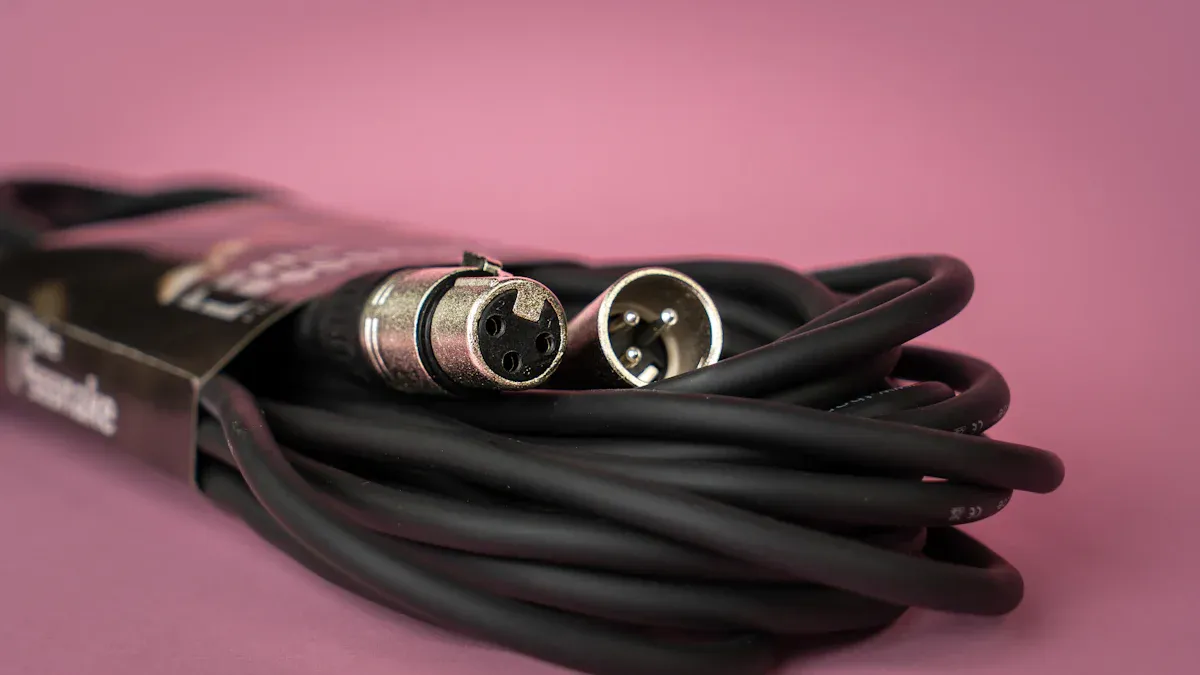
Key Specifications and Features
Low-noise XLR cables are engineered to deliver clean and interference-free audio, making them indispensable in professional audio setups. Their three-pin balanced connection (ground, positive, and negative) effectively cancels out unwanted noise, ensuring high-quality sound transmission over long distances. This design is particularly beneficial in environments with significant electromagnetic interference.
Additional shielding, such as braided copper or aluminum foil, further enhances their ability to block mechanical and radio frequency interference. This feature ensures reliable audio signals even in challenging conditions. These cables also excel in noisy environments, maintaining signal clarity and fidelity. Their robust construction and advanced materials make them a preferred choice for studio recordings, live performances, and other professional applications.
Budget, Mid-Range, and High-End Comparisons
Budget low-noise XLR cables, such as the Mogami Silver Series, offer reliable performance for casual recording setups. These cables typically feature basic shielding and oxygen-free copper conductors, making them suitable for home studios or podcasting.
Mid-range options, like the Klotz MC-5000, strike a balance between affordability and performance. They often include enhanced shielding and superior conductor materials, ensuring better sound clarity and durability. These cables are ideal for semi-professional studios and small venues.
High-end cables, such as the Mogami Gold Studio, provide unmatched performance for critical recording sessions. Their premium materials, advanced shielding, and superior noise rejection capabilities make them the top choice for professional studios and audiophiles. These cables excel in maintaining signal integrity and delivering pristine audio quality.
Each category of low-noise XLR cables serves specific needs, ensuring users can find the right solution for their audio setup.
How to Choose the Best Low-Noise XLR Cable
Evaluating Your Studio Needs
Selecting the right low-noise XLR cable begins with understanding the specific requirements of your studio. Each setup has unique demands, influenced by the type of equipment and the recording environment. For instance, a home studio with minimal interference may not require the same level of shielding as a professional studio. Balanced cables are essential for eliminating interference and maintaining audio clarity. Additionally, the materials and length of the cable should align with the studio's layout and equipment placement. A longer cable may introduce signal loss, so choosing the appropriate size is critical. Budget considerations also play a significant role in narrowing down options.
Balancing Cost and Quality
Finding the right balance between cost and quality ensures a worthwhile investment. While premium cables often deliver superior performance, budget-friendly options can meet the needs of less demanding setups. High-quality cables typically feature advanced shielding, oxygen-free copper conductors, and durable connectors. These features enhance signal fidelity and longevity. However, users should avoid overspending on features that may not benefit their specific use case. Evaluating the studio's requirements and comparing available options helps identify a cable that offers the best value for its price.
Testing and Assessing Cables Before Purchase
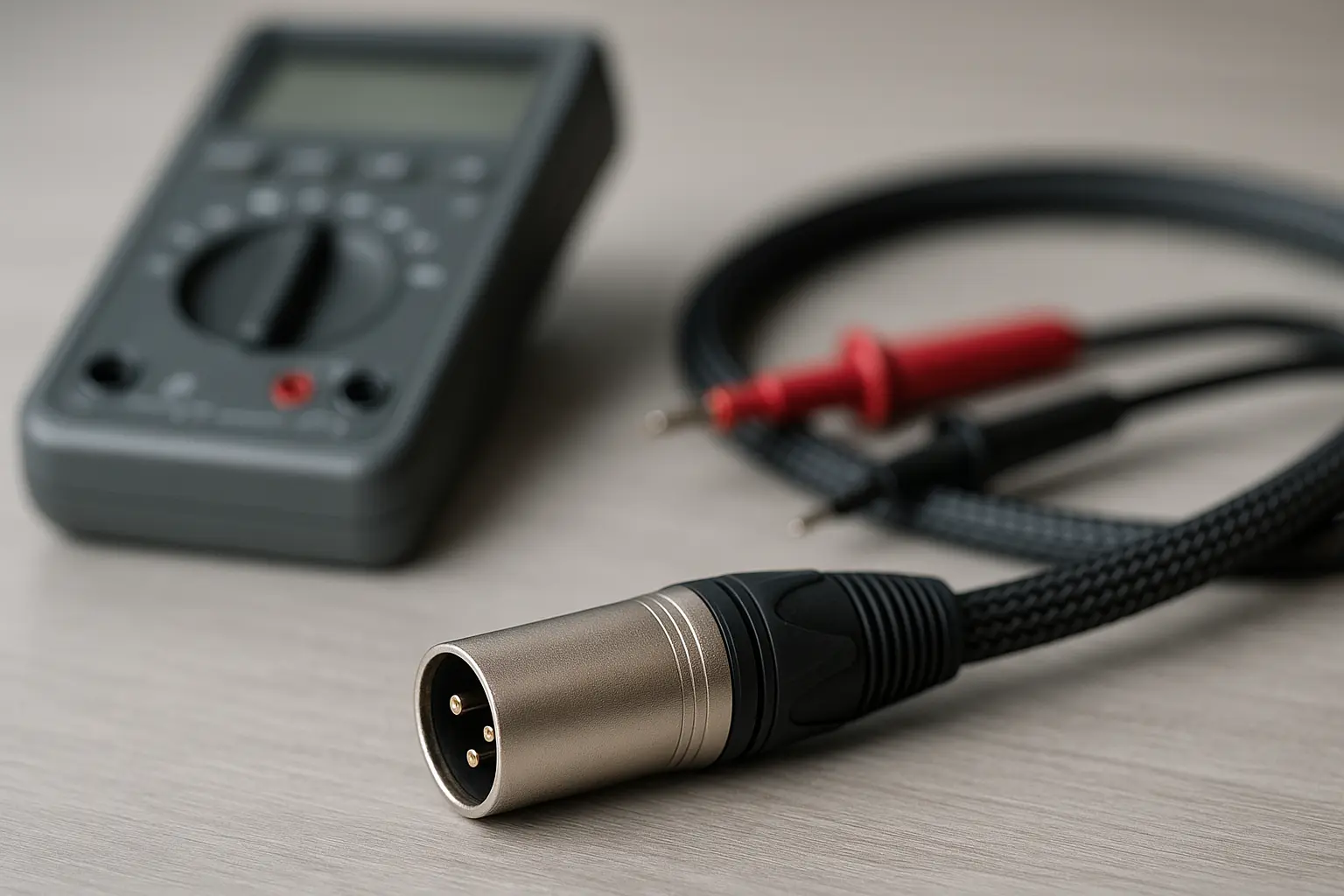
Testing cables before purchase ensures they meet performance expectations. Shield cable-induced noise tests can reveal how well a cable blocks interference. Blind tests, where a friend swaps cables without revealing their identity, help eliminate bias during evaluation. An A-B-A test, which involves switching between two cables and back again, provides a clear comparison of sound quality. Additionally, playing audio over time allows users to notice subtle differences in performance. These methods ensure that the chosen cable delivers the desired audio clarity and reliability.
Investing in high-quality low-noise XLR cables ensures professional-grade audio clarity and durability. Market trends highlight the growing demand for cables that minimize interference, driven by advancements in technology and the need for high-fidelity sound.
| Category | Recommended Cable | Key Features |
|---|---|---|
| Best Overall | Mogami Gold Studio XLR Cable | Quad cabling, lifetime warranty, exceptional clarity. |
| Best Budget | GLS Audio Mic Cable Cords | Affordable, durable, dual insulated copper conductors. |
| Best Premium | AudioQuest Mackenzie XLR | Triple-balance geometry, cold-welded connectors, superior performance. |
Choosing the right cable depends on specific studio needs, but these options cater to diverse budgets and applications.
FAQ
What makes low-noise XLR cables different from standard XLR cables?
Low-noise XLR cables feature advanced shielding, high-quality conductors, and balanced designs. These elements reduce electromagnetic interference (EMI) and radio frequency interference (RFI), ensuring cleaner audio transmission.
How do I determine the right cable length for my studio?
Measure the distance between your equipment and add extra length for flexibility. Avoid excessively long cables, as they may introduce signal loss or degrade audio quality.
Tip: Use shorter cables for better signal integrity in compact setups.
Are high-end XLR cables worth the investment for home studios?
High-end XLR cables offer superior noise rejection and durability. However, for home studios with minimal interference, mid-range or budget options often provide sufficient performance at a lower cost.