

Top Microphone Cables for Live Performances in 2025
When I think about live performances, I know one thing for sure: a reliable microphone cable can make or break the show. It’s not just about connecting a mic to a sound system. A good cable ensures clear sound and keeps unwanted noise out. I’ve seen how the right choice can boost sound quality and keep everything running smoothly. Durability matters too. Performances can get rough, and cables need to handle the pressure. If you’re curious, check out this microphone cable guide for more insights.
Key Takeaways
- Pick strong materials like silver-coated copper for lasting use and clear sound.
- Use cables with braided or foil covers to stop noise and static.
- Get the right cable length for your stage to prevent knots and allow easy movement.
Key Factors to Consider When Choosing a Microphone Cable
Build Quality and Materials
When I shop for a microphone cable, the first thing I check is the build quality. A well-made cable lasts longer and performs better. Materials like silver-plated oxygen-free copper (OFC) and alloy shells are game-changers. They boost durability and protect the cable from wear and tear. Here's a quick breakdown:
| Material | Effect on Durability |
|---|---|
| Silver-Plated OFC Copper | High durability due to quality construction |
| Alloy Shells | Provides additional protection to the cable |
Premium materials like OFC also improve sound quality. They reduce signal loss and interference, making your audio crisp and clear. Plus, they’re flexible and easy to handle, even in tight setups.
| Advantage | Description |
|---|---|
| Improved sound quality | Higher electrical conductivity leads to minimal signal loss and high-quality audio transmission. |
| Greater durability | Less prone to corrosion and breakage, ensuring longer-lasting and reliable cables. |
| Less noise | Reduces electrical noise and interference, enhancing overall sound quality. |
| Flexibility | More flexible than other conductors, making handling and connection easier in tight spaces. |
Noise Rejection and Shielding
Noise can ruin a live performance. That’s why shielding is so important. I’ve found that cables with proper shielding block out interference from nearby electronics. Here are the most common types:
- Spiral-wrapped shield: Flexible but less effective against radio frequency interference (RFI).
- Braided shield: Offers excellent protection but can be pricey and prone to damage.
- Foil shield: Best for RFI rejection but fragile if mishandled.
For live performances, I recommend braided or foil shielding. They keep the sound clean and free from hums or buzzes.
Cable Length and Flexibility
Length matters more than you’d think. A short cable might limit your movement, while an overly long one can tangle easily. I always pick a length that suits the stage size. Flexibility is another must-have. A flexible cable is easier to manage and less likely to kink or break during setup.
Price and Value for Money
I believe in getting the best bang for my buck. While premium cables cost more, they often last longer and deliver better sound. Budget-friendly options can work too, but they might not hold up to heavy use. It’s all about finding the right balance between cost and quality.
Warranty and Customer Support
A solid warranty gives me peace of mind. If something goes wrong, I know the manufacturer has my back. Look for brands with good customer support. It shows they stand by their products and care about their customers.
Top Microphone Cables for Live Performances in 2025
Mogami Gold STAGE-30 XLR Microphone Cable
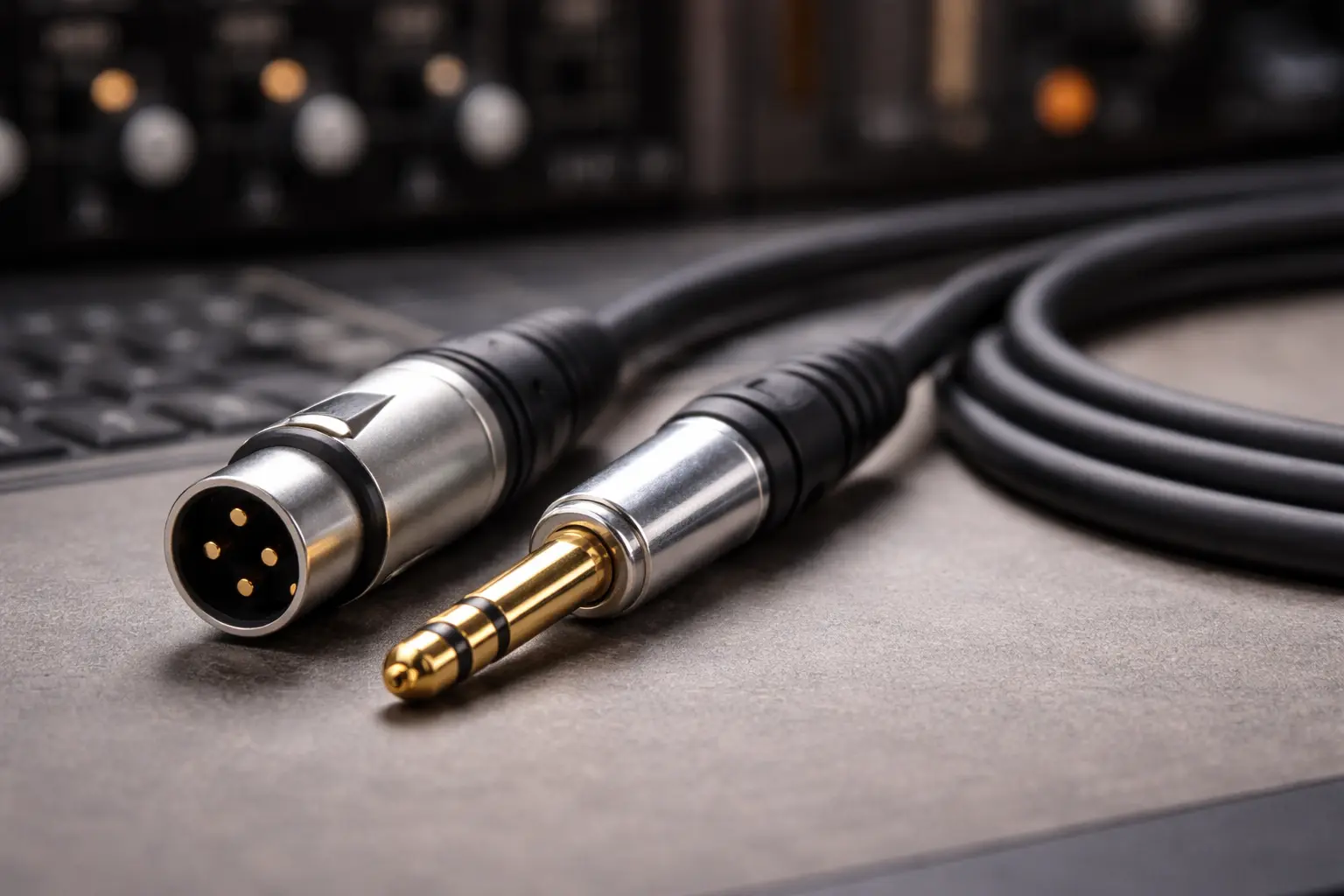
The Mogami Gold STAGE-30 is my go-to choice for live performances. It’s built for the stage, where cables face constant handling and wear. This microphone cable stands out with its exceptional flexibility and durability. The 105-strand core design makes it tough enough to handle the roughest gigs. I also love the gold contacts and straight connectors. They ensure a clean signal with minimal interference, so the audio always sounds pristine. If you’re a professional musician or audio tech, this cable won’t let you down.
Pro Co XLR Microphone Cable
Pro Co cables are all about reliability. I’ve used them for years, and they’ve never failed me. They’re built with high-quality materials that resist wear and tear. The connectors fit snugly, which prevents accidental disconnections during a performance. While they don’t have the premium features of higher-end cables, they deliver solid performance at a reasonable price. For anyone looking for a dependable microphone cable without breaking the bank, Pro Co is a smart pick.
Canare Star-Quad XLR Microphone Cable
The Canare Star-Quad is a favorite among audio professionals, and I can see why. Its unique star-quad design uses four smaller conductors instead of two. This clever setup reduces electromagnetic interference, keeping unwanted noise out of your audio. The result? Crystal-clear sound that’s perfect for live performances. If you’re serious about sound quality, this cable is worth every penny.
MCSproaudio XLR Microphone Cable
If you’re on a tight budget but still want a reliable cable, MCSproaudio has you covered. These cables are affordable yet surprisingly durable. They feature decent shielding to block out noise and deliver clear audio. While they might not last as long as premium options, they’re a great choice for beginners or hobbyists who don’t perform live often.
Planet Waves Classic Series XLR Microphone Cable
The Planet Waves Classic Series strikes a perfect balance between affordability and performance. It’s a great value for musicians on a budget, priced at just $18.99 for a 10-foot cable. Despite the low price, it doesn’t skimp on quality. The oxygen-free copper conductors ensure reliable signal transmission, while the low capacitance design minimizes signal loss. This cable is durable enough for casual use and delivers solid performance for the price.
Comparison of Top Microphone Cables
Durability and Build Quality
When it comes to durability, I always look for cables that can handle the wear and tear of live performances. The Mogami Gold STAGE-30 stands out here. Its 105-strand core design makes it incredibly tough, perfect for heavy use. The Pro Co XLR cable also impresses me with its snug connectors that stay secure during performances. For budget-conscious users, the Amazon Basics XLR Microphone Cable offers decent durability at a fraction of the cost. It’s not as rugged as the Mogami, but it holds up well for casual gigs.
Sound Quality and Noise Rejection
Sound quality is non-negotiable for me. The Canare Star-Quad is a clear winner in this category. Its star-quad design minimizes electromagnetic interference, delivering crystal-clear audio. The Mogami Gold STAGE-30 also shines with its gold contacts, ensuring a clean signal. On the budget side, the Planet Waves Classic Series does a solid job. It uses oxygen-free copper conductors to reduce signal loss, which is impressive for its price.
Price and Value
Finding the right balance between cost and quality can be tricky. For professionals, the Mogami Gold STAGE-30 is worth the investment. It’s pricey, but its durability and performance justify the cost. If you’re looking for something more affordable, the Amazon Basics XLR and CBL MLC20 are great options. They’re reliable enough for smaller gigs or less demanding setups.
Tip: Always consider how often you’ll use the cable. Spending a bit more upfront can save you money in the long run.
Choosing the right microphone cable can make all the difference in live performances. For premium quality, I’d go with the Mogami Gold STAGE-30. On a budget? The Planet Waves Classic Series is a solid pick. Always prioritize durability and sound quality. Trust me, it’s worth the investment for a flawless performance.
FAQ
What’s the best microphone cable for beginners?
I’d recommend the Planet Waves Classic Series. It’s affordable, durable, and delivers solid sound quality. Perfect for anyone starting out or performing casually.
How long should my microphone cable be?
It depends on your stage setup. For small stages, 10-15 feet works well. Larger stages might need 25-30 feet for better flexibility.
Do expensive cables really make a difference?
Yes, they do! Premium cables like Mogami Gold offer better durability, sound quality, and noise rejection. They’re worth it if you perform regularly or need top-notch audio.