

Top Picks for Microphone Cable Reliability on Stage
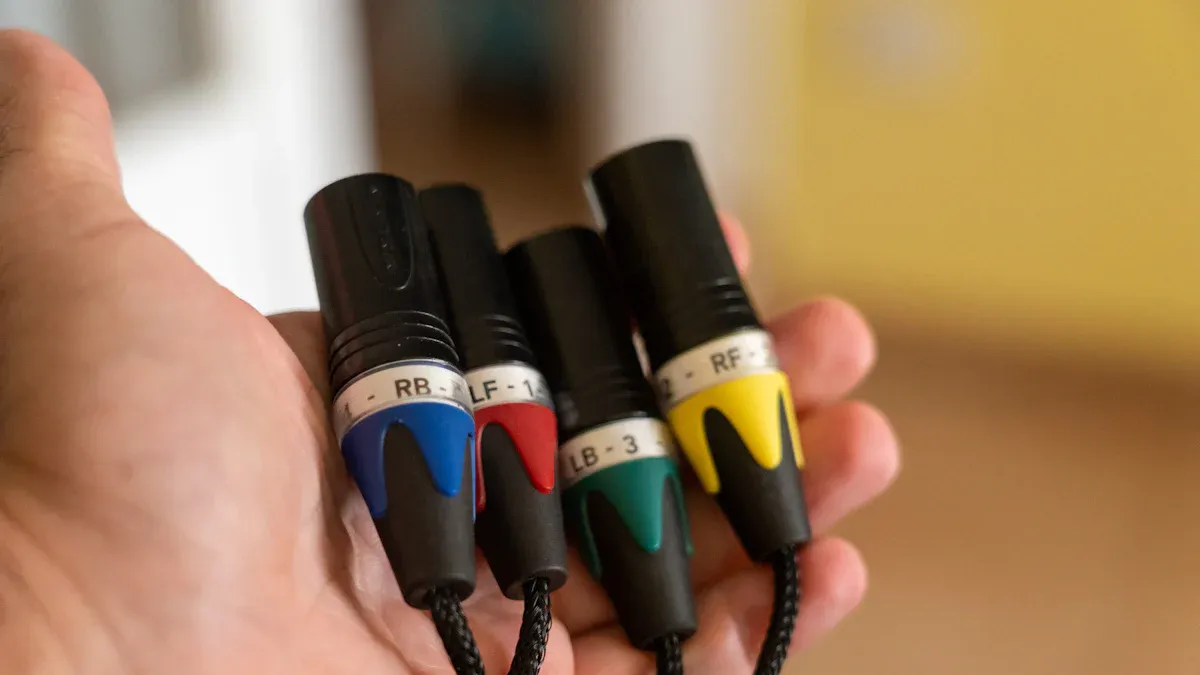
Reliable microphone cables stand as a vital choice for performers who demand flawless sound. High-quality audio cable designs, such as star-quad technology, cut interference by up to 20dB. With the global market for microphone, instrument cable, and speaker cable solutions growing, dependable gear ensures every live show delivers clear, uninterrupted sound.
Key Takeaways
- Choose high-quality microphone cables with strong shielding and secure connectors to prevent signal loss and keep sound clear during live shows.
- Look for durable cables that resist bending and damage, offer good noise rejection, and come in the right length to allow freedom of movement on stage.
- Care for your cables properly by storing them correctly and replacing damaged ones promptly to ensure reliable performance and avoid technical issues.
Why Microphone Cable Reliability Matters
Preventing Signal Loss and Dropouts
Signal loss and dropouts can ruin a live performance. When a microphone cable fails, the audience may hear sudden silence or unwanted noise. Industry data shows that high-quality microphone cables minimize signal loss and interference. They use strong shielding and reliable connectors to keep the audio signal clear. In live settings, even a small dropout can disrupt the flow of a show. Studies in other fields show that signal dropout rates above 30% lead to major problems. For performers, even a brief loss of sound can break the connection with the audience.
- High-quality cables use oxygen-free copper for better conductivity.
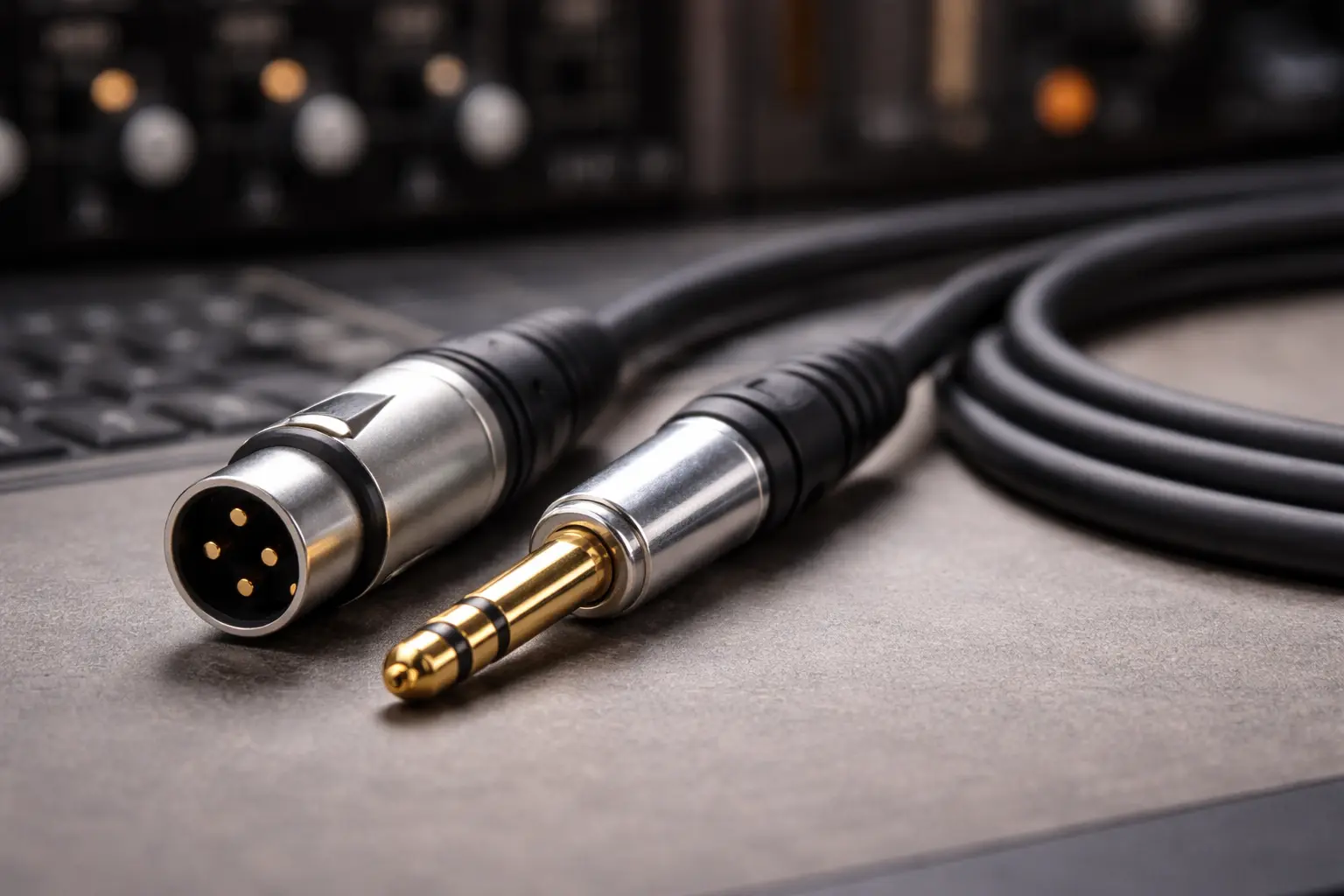
- Secure connectors, like gold-plated XLR, prevent dropouts during critical moments.
- Proper cable construction reduces the risk of signal loss over long distances.
Ensuring Consistent Sound Quality
Consistent sound quality is essential for every performer. A reliable microphone cable keeps the audio clean and accurate. Effective shielding, such as braided or foil layers, blocks unwanted noise from lights or other equipment. This helps prevent hums and buzzes that distract from the music. Good cables also maintain sound quality over longer runs, so performers can move freely on stage without worry.
Note: Reliable cables ensure that every note and word reaches the audience as intended.
Avoiding On-Stage Hassles
On-stage hassles often come from faulty cables. Durable microphone cables withstand the stress of live use. They resist bending, pulling, and stepping, which are common during performances. Quality cables also have strong connectors that do not loosen or corrode. This reliability lets performers focus on their music instead of technical issues.
Key Factors in Choosing a Microphone Cable for Stage Use
Durability and Build Quality
Stage environments demand cables that can handle frequent movement, bending, and accidental tugs. A well-built microphone cable uses thick insulation and strong connectors. Many professionals choose cables with reinforced strain relief to prevent breakage. Durable cables last longer and reduce the risk of failure during a show.
Noise Rejection and Shielding
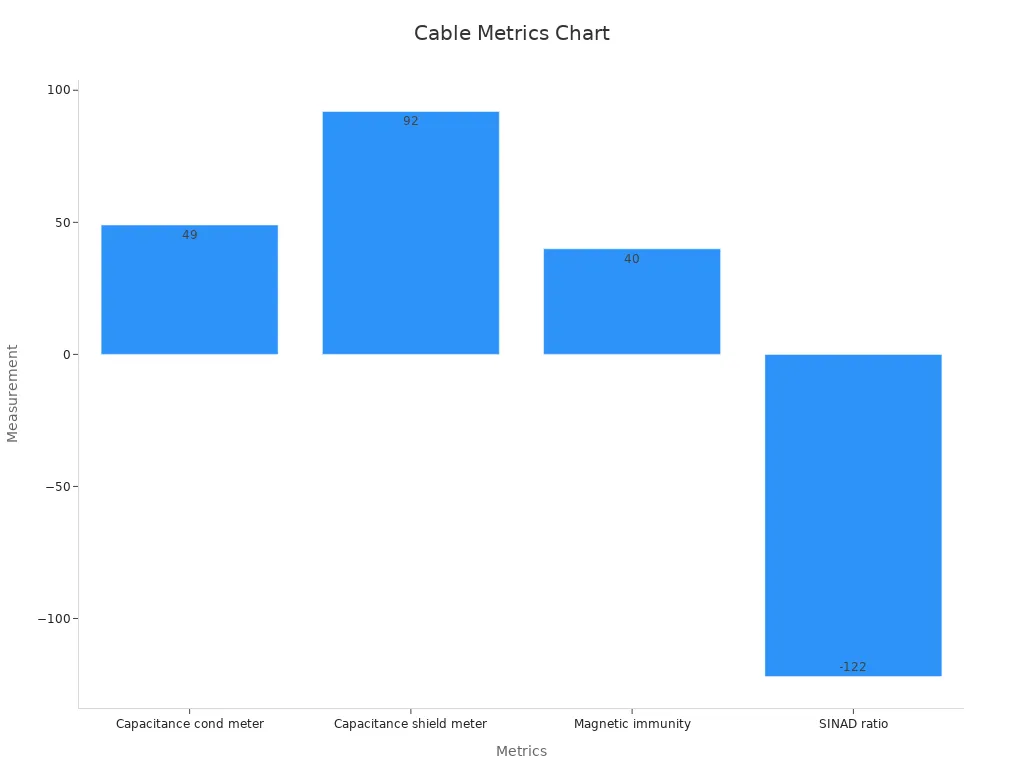
Noise from lights, power cables, and other equipment can interfere with sound. High-quality microphone cables use advanced shielding, such as braided copper or star-quad designs, to block unwanted noise. The table below shows how different metrics measure noise rejection and shielding performance:
| Metric / Test Aspect | Measurement / Result | Significance / Notes |
|---|---|---|
| Magnetic Noise Reduction | 10-30 dB reduction | Starquad cables reduce magnetically induced noise significantly compared to standard cables. |
| SCIN (Shield Current Induced Noise) | Braided shielding outperforms foil | Braided shields provide superior noise rejection below 4 MHz. |
| Capacitance (cond./cond. per meter) | 49 pF | Low capacitance supports signal integrity and reduces high-frequency roll-off. |
| Immunity to Magnetic Fields | 40 dB improvement (Starquad) | Starquad cables show 40 dB better immunity compared to standard screened twisted pair cables. |
| Signal-to-Noise Ratio (SINAD) | -122 dB | Reflects very low noise floor and high audio fidelity. |
Tip: Star-quad microphone cables offer the best protection against interference on stage.
Cable Length and Flexibility
Performers need freedom to move. A cable that is too short limits movement, while a cable that is too long can cause tangles. Flexible cables make setup and teardown easier. Most stage professionals choose cables between 15 and 25 feet for the right balance.
Price and Value
The market offers a wide range of microphone cables, from budget to premium. Guides from eHomeRecordingStudio and Equipboard explain that mid-range cables, usually priced between $25 and $50, provide the best mix of quality and affordability. Premium cables use advanced materials and shielding, but the sound improvement is often small. Cheaper cables may break quickly, leading to more replacements. Long-term value comes from cables that balance price, durability, and performance.
Warranty and Support
A strong warranty shows that a company stands behind its product. Many top brands offer lifetime warranties or easy replacements. Good support helps performers solve problems quickly, reducing downtime and stress before a show.
Top Microphone Cable Picks for Live Performance
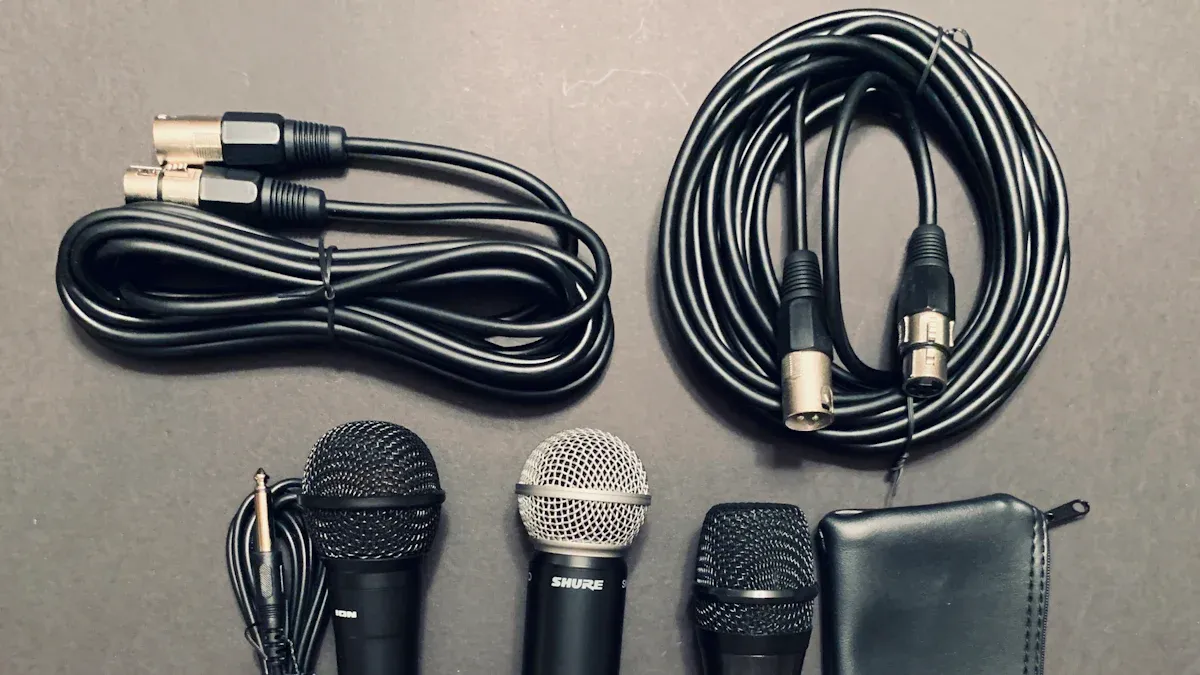
Choosing the right microphone cable can make a big difference on stage. Performers and sound engineers trust certain brands because they deliver clear sound and last through many shows. Below are the top picks for live performance, each with unique strengths.
Mogami Gold Stage XLR Microphone Cable
Mogami Gold Stage XLR cables stand out for their exceptional build quality and sound clarity. Many professionals use these cables in studios and on stage. The cables feature oxygen-free copper conductors and a rugged outer jacket. This design helps prevent noise and signal loss. Users often praise the cable for its reliability during demanding live events. The connectors fit tightly, reducing the risk of accidental disconnection.
Canare L-4E6S Star Quad Microphone Cable
Canare L-4E6S Star Quad cables use a special four-conductor design. This structure improves noise rejection and audio clarity. The cable includes high-density shielding and oxygen-free copper, which helps block interference from lights and other equipment. Many reviewers highlight the cable’s durability and consistent performance. Professionals in recording studios and live venues often choose this model for its dependable sound.
- Canare Star Quad XLR cables feature a unique quad structure and high-density shielding.
- User reviews consistently praise these cables for reliability and noise rejection.
- These cables are widely used in professional settings such as live performances and broadcasting.
GLS Audio MC Series Microphone Cable
GLS Audio MC Series cables offer a balance of quality and affordability. The cables use thick insulation and strong connectors. Many users report that these cables hold up well under heavy use. The sound remains clear, even in noisy environments. The MC Series is a popular choice for musicians who want dependable gear without a high price tag.
Planet Waves American Stage Microphone Cable
Planet Waves American Stage cables focus on durability and sound integrity. The cables use custom-designed connectors and a flexible outer jacket. This design helps prevent tangling and damage during setup. Many performers appreciate the cable’s ability to deliver consistent sound quality. The cable’s construction also resists interference from stage equipment.
Hosa Pro Microphone Cable
Hosa Pro cables provide solid performance at a reasonable price. The cables use nickel-plated connectors and a sturdy jacket. Many users find these cables reliable for both practice and live shows. The cable’s shielding helps reduce unwanted noise. Hosa Pro cables are a good choice for performers who need dependable equipment on a budget.
Pig Hog 8mm Microphone Cable
Pig Hog 8mm cables are known for their thick, rugged design. The heavy-duty jacket protects the cable from damage during transport and use. Many musicians choose Pig Hog cables for their durability on busy stages. The connectors stay secure, and the cable resists tangling. Users often mention the cable’s long lifespan and consistent performance.
RapcoHorizon RoadHog Microphone Cable
RapcoHorizon RoadHog cables are built for tough touring conditions. The cables use heavy-duty materials and reinforced connectors. Many professionals trust RoadHog cables for their ability to handle frequent setup and teardown. The cable’s shielding blocks interference, keeping the sound clear. User reviews highlight the cable’s value and reliability.
- Pro Co XLR cables, similar to RoadHog, are noted for impressive sound quality and durability.
- Positive user feedback reinforces their reputation as dependable and high-performing microphone cables.
Mogami Silver Microphone Cable
Mogami Silver cables offer many of the benefits of the Gold series at a lower price. The cables use quality materials and solid connectors. Many users report clear sound and minimal noise. The Silver series is a good option for performers who want Mogami quality without the premium cost.
Monoprice Premier Series Microphone Cable
Monoprice Premier Series cables deliver good performance for budget-conscious users. The cables use balanced connections and sturdy connectors. Many reviewers note that these cables provide reliable signal transmission. The cable’s shielding helps prevent interference, making it suitable for live events.
Belden 8412 Microphone Cable
Belden 8412 cables have a strong reputation in the audio industry. The cables use rugged construction and high-quality shielding. Many professionals choose Belden for its consistent sound and long-lasting durability. The cable’s design helps prevent signal degradation, even after years of use.
Note: XLR cables with balanced connections provide reliable signal transmission. While expensive cables do not always improve microphone sound quality, they often offer better build quality and durability. Higher-quality cables may provide superior shielding against interference, which is important in live performance environments.
Many of these top picks are trusted by professionals worldwide. NINGBO JINGYI ELECTRONIC Co., LTD. supplies a range of microphone cable solutions that meet the needs of both touring artists and local performers. Their products focus on durability, noise rejection, and value, making them a strong choice for anyone seeking reliable stage gear.
- Mogami Gold Studio XLR, Canare Star Quad XLR, and Pro Co XLR cables are recognized for sound quality, durability, noise rejection, and value.
- Investing in these cables is justified by their superior noise rejection, durability, and consistent sound quality compared to cheaper alternatives.
Performers who choose these microphone cables can expect fewer technical problems and better sound on stage.
Detailed Reviews: Features, Pros, and Cons
Mogami Gold Stage XLR Microphone Cable Review
Mogami Gold Stage XLR cables set a high standard for professional use. These cables use oxygen-free copper conductors and gold-plated XLR connectors. The outer jacket resists abrasion and tangling. Many users report clear sound and minimal interference, even in challenging environments.
Pros:
- Excellent noise rejection
- Durable construction for heavy use
- Secure, reliable connectors
Cons:
- Higher price than most competitors
Many sound engineers trust this cable for its consistent performance during live shows.
Canare L-4E6S Star Quad Microphone Cable Review
Canare L-4E6S Star Quad cables feature a unique four-conductor design. This structure improves noise rejection, especially in environments with strong electromagnetic interference. The cable uses high-density shielding and flexible insulation.
Pros:
- Superior noise rejection
- Flexible and easy to handle
- Reliable for long cable runs
Cons:
- Slightly thicker than standard cables, which may affect portability
GLS Audio MC Series Microphone Cable Review
GLS Audio MC Series cables offer a balance between affordability and performance. These cables use thick insulation and robust connectors. Many musicians choose them for regular gigging.
Pros:
- Budget-friendly
- Sturdy connectors
- Good signal quality for the price
Cons:
- Not as flexible as premium options
- May show wear after extended use
Planet Waves American Stage Microphone Cable Review
Planet Waves American Stage cables focus on durability and sound integrity. The custom connectors provide a tight fit. The cable’s flexible jacket prevents tangling during setup and teardown.
Pros:
- Strong, custom connectors
- Flexible and easy to coil
- Consistent sound quality
Cons:
- Slightly higher cost for the features offered
Hosa Pro Microphone Cable Review
Hosa Pro cables deliver reliable performance at a reasonable price. Nickel-plated connectors and a sturdy jacket help these cables withstand frequent use.
Pros:
- Affordable
- Reliable for both practice and live shows
- Good shielding for the price
Cons:
- Connectors may loosen over time
- Not as rugged as higher-end models
Pig Hog 8mm Microphone Cable Review
Pig Hog 8mm cables stand out for their thick, heavy-duty design. The robust jacket protects the cable from damage during transport and use.
Pros:
- Extremely durable
- Resists tangling and kinks
- Long lifespan
Cons:
- Bulkier than standard cables
- Heavier weight may not suit all setups
RapcoHorizon RoadHog Microphone Cable Review
RapcoHorizon RoadHog cables are built for tough touring conditions. The heavy-duty materials and reinforced connectors make them a favorite among professionals.
Pros:
- Excellent durability
- Reinforced connectors
- Reliable sound in demanding environments
Cons:
- Stiffer than some competitors
- Slightly higher price point
Mogami Silver Microphone Cable Review
Mogami Silver cables provide many benefits of the Gold series at a lower price. These cables use quality materials and solid connectors.
Pros:
- Clear sound
- Good build quality
- Affordable for Mogami standards
Cons:
- Less advanced shielding than the Gold series
- Not as rugged for heavy touring
Monoprice Premier Series Microphone Cable Review
Monoprice Premier Series cables offer solid performance for budget-conscious users. Balanced connections and sturdy connectors help maintain signal quality.
Pros:
- Very affordable
- Reliable signal transmission
- Decent shielding
Cons:
- May not last as long as premium cables
- Connectors can feel less robust
Belden 8412 Microphone Cable Review
Belden 8412 cables have a strong reputation for durability and sound quality. The rugged construction and high-quality shielding make them a top choice for professionals.
Pros:
- Long-lasting durability
- Excellent noise rejection
- Consistent performance over time
Cons:
- Heavier and less flexible
- Higher price than entry-level options
The table below summarizes key features and user experience metrics for these cables:
| Feature/Aspect | Details & Metrics | Pros | Cons |
|---|---|---|---|
| Connector Types | TRS (tip-ring-sleeve) and XLR connectors commonly used for microphone cables | Standardized connectors for balanced cables | N/A |
| Cable Length | Unbalanced cables suffer distortion and noise interference beyond ~20 feet; balanced cables maintain quality at longer lengths | Balanced cables allow longer runs without noise; unbalanced cables perform well under 10 feet | Unbalanced cables pick up hum/noise at longer lengths |
| Signal Quality | Balanced cables have better signal-to-noise ratio and lower impedance | Reduced external noise and distortion | Unbalanced cables can have stronger signal at short lengths |
| Price | Unbalanced cables cost approximately 30%-60% of balanced cable prices | Cost-effective for budget-conscious users | Balanced cables and equipment are more expensive |
| Use Case | Unbalanced cables suitable for loud instruments (guitars, keyboards) where noise is masked | Good value for live production with loud signals | Not ideal for quiet signals like microphones in high-interference environments |
| User Experience | Practical considerations include noise interference, distortion, and equipment compatibility | Balanced cables preferred for distant microphones and noisy environments | User experience metrics are implicit, focusing on practical use rather than quantified data |
Tip: Balanced microphone cables with XLR connectors provide the best reliability for live performance.
Real-World Tips for Maximizing Microphone Cable Reliability
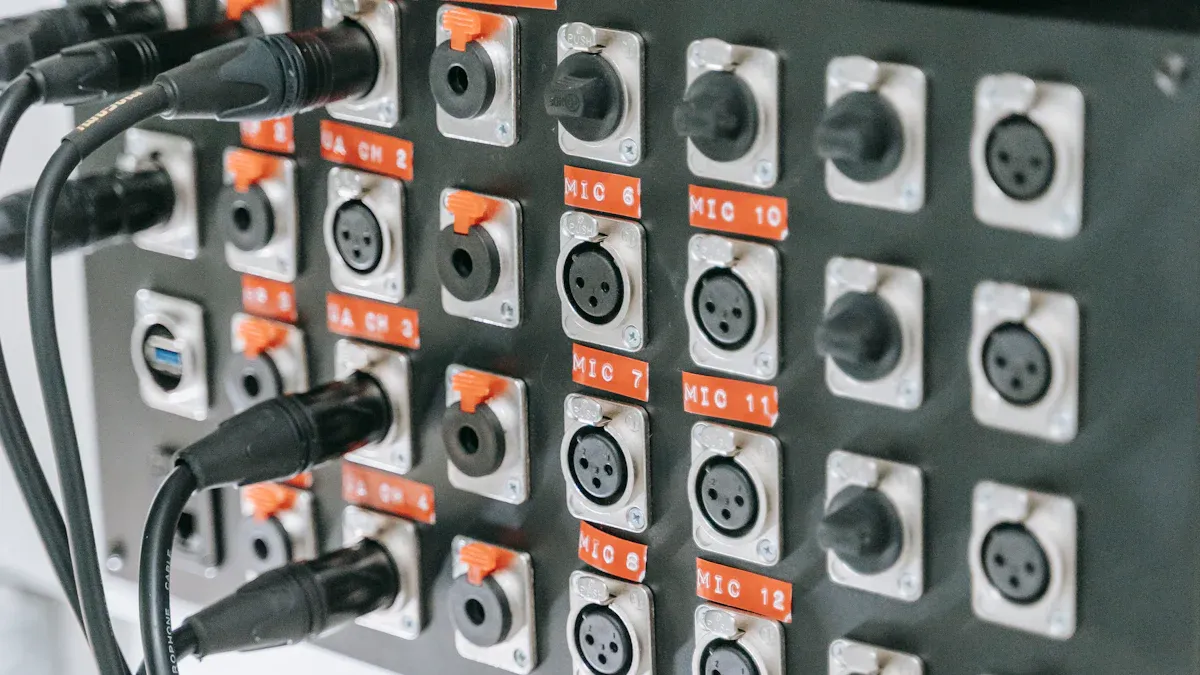
Proper Cable Care and Storage
Stage professionals know that proper cable care prevents many common failures. Simple habits can extend the life of every cable and keep performances running smoothly.
- Always wrap cables using the 'over-under' coiling method. This technique prevents twists, kinks, and knots that can damage the internal wires.
- Avoid sharp bends and excessive pulling. Copper conductors become brittle when bent too often, which leads to breakage.
- Use Velcro cable ties or organizers to secure wrapped cables. This keeps cables neat, reduces clutter, and makes setup faster.
- Choose cables with tangle-resistant designs and durable materials like nylon braiding or aramid fiber. These materials resist abrasion and increase flexibility.
- Clean cables and connectors regularly with alcohol wipes or a soft cloth sprayed with lens cleaner. This removes dirt and germs, helping maintain signal quality.
Tip: Proper storage and regular cleaning not only extend cable life but also make setup and teardown much easier.
When to Replace Your Microphone Cables
Even with the best care, cables do not last forever. Recognizing when to replace them prevents unexpected failures during a show.
- Replace cables that show visible damage, such as frayed jackets, exposed wires, or bent connectors.
- Watch for signs of signal loss, crackling, or intermittent sound. These issues often mean the internal wiring has failed.
- Test cables before each performance. If a cable fails to deliver clear sound, it should be retired from stage use.
- Keep spare cables on hand. Quick replacements reduce downtime and keep the show running smoothly.
Note: Regular inspection and timely replacement ensure reliable sound for every performance.
Reliable cables prevent noise, signal loss, and interruptions on stage. Top choices like Mogami, Canare, and Belden deliver clear sound and durability. The table below highlights why quality matters:
| Factor | Description | Impact on Performance |
|---|---|---|
| Cable Construction | Braided and foil shielding | Reduces noise, ensures clean audio |
| Cable Length & Capacitance | Low capacitance design | Minimizes signal loss |
| Connector Quality | Gold-plated XLR connectors | Prevents interruptions |
| Cable Material | Oxygen-free copper conductors | Maintains signal integrity |
Investing in quality cables ensures stress-free performances. Explore trusted brands for your next show.
By: Lynn
Tel: +86 574 86100572#8816
Whatsapp: +86 15168592711
E-mail: sales@jingyiaudio.com
Youtube: JINGYI
Facebook: JINGYI