



TRS Cable vs Instrument Cable: The Ultimate Guide to Getting the Right Sound in 2025

Introduction: Why the Right Cable Still Matters in 2025
You walk into a Guitar Center or open Amazon, and you’re faced with a wall of nearly identical black cables. Some say instrument cable, others say TRS cable. To the untrained eye, they look the same. But the wrong choice can mean noisy recordings, buzzing live shows, or even no sound at all.
In 2025, as more musicians set up home studios and perform live gigs, knowing the difference between TRS cable vs instrument cable is no longer optional—it’s essential. This guide breaks it all down so you’ll always pick the right cable for guitars, keyboards, audio interfaces, and beyond.
What is an Instrument Cable (TS)?

TS Cable at a Glance
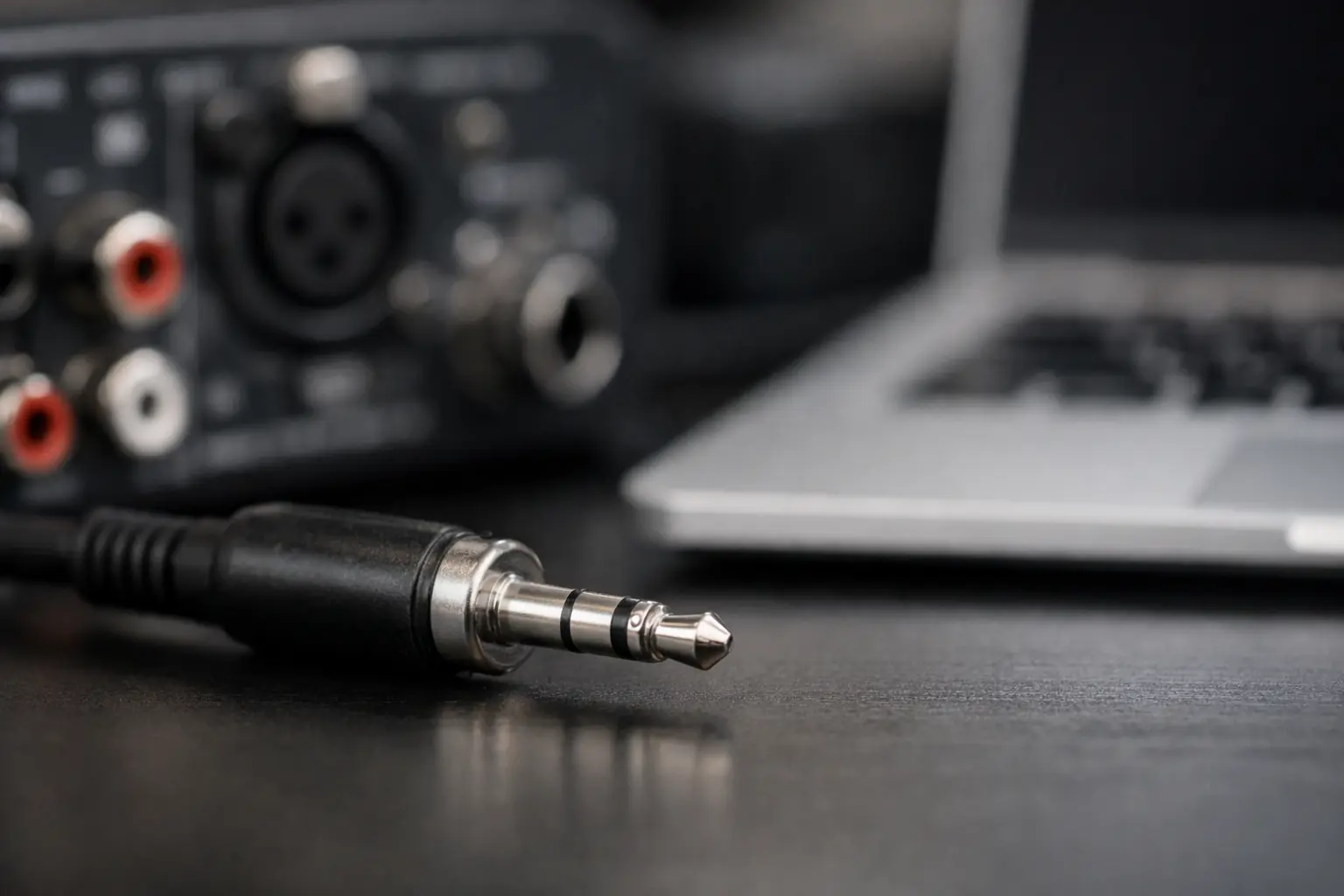
A TS cable (Tip-Sleeve) is what most people mean when they say guitar cable. It’s easy to spot—look at the plug, and you’ll see one black ring. That ring tells you there are only two conductors inside:
- Tip:Carries the audio signal
- Sleeve:Ground and shield
This simple setup makes TS cables unbalanced mono cables, which are perfect for guitars and basses.
Why Guitars and Basses Use TS Cables
Electric guitars, basses, and most pedals output unbalanced, high-impedance signals. TS cables are designed exactly for this. They’re:
- Reliable for short cable runs (under 20 feet)
- Affordable and widely available
- Compatible with amps and pedals without extra complexity
Common Mistakes with TS Cables
- Running them too long (over 25 feet) → more noise and hum.
- Accidentally using a speaker cableinstead → can damage amps.
- Thinking a TRS cable will “upgrade” guitar tone → it won’t.
What is a TRS Cable?
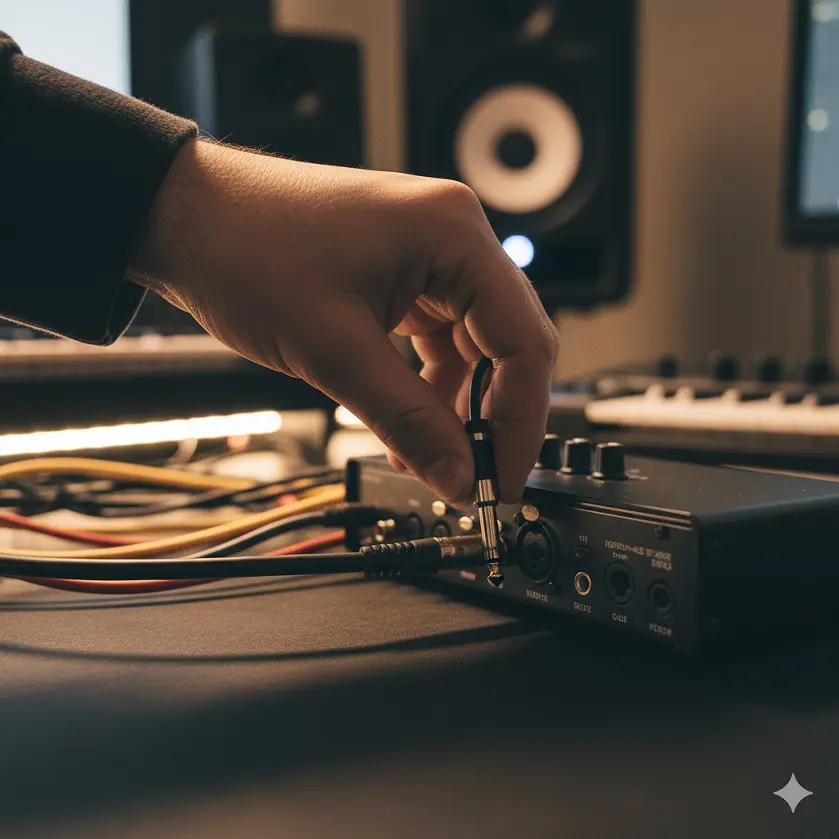
The Two Black Rings That Make the Difference
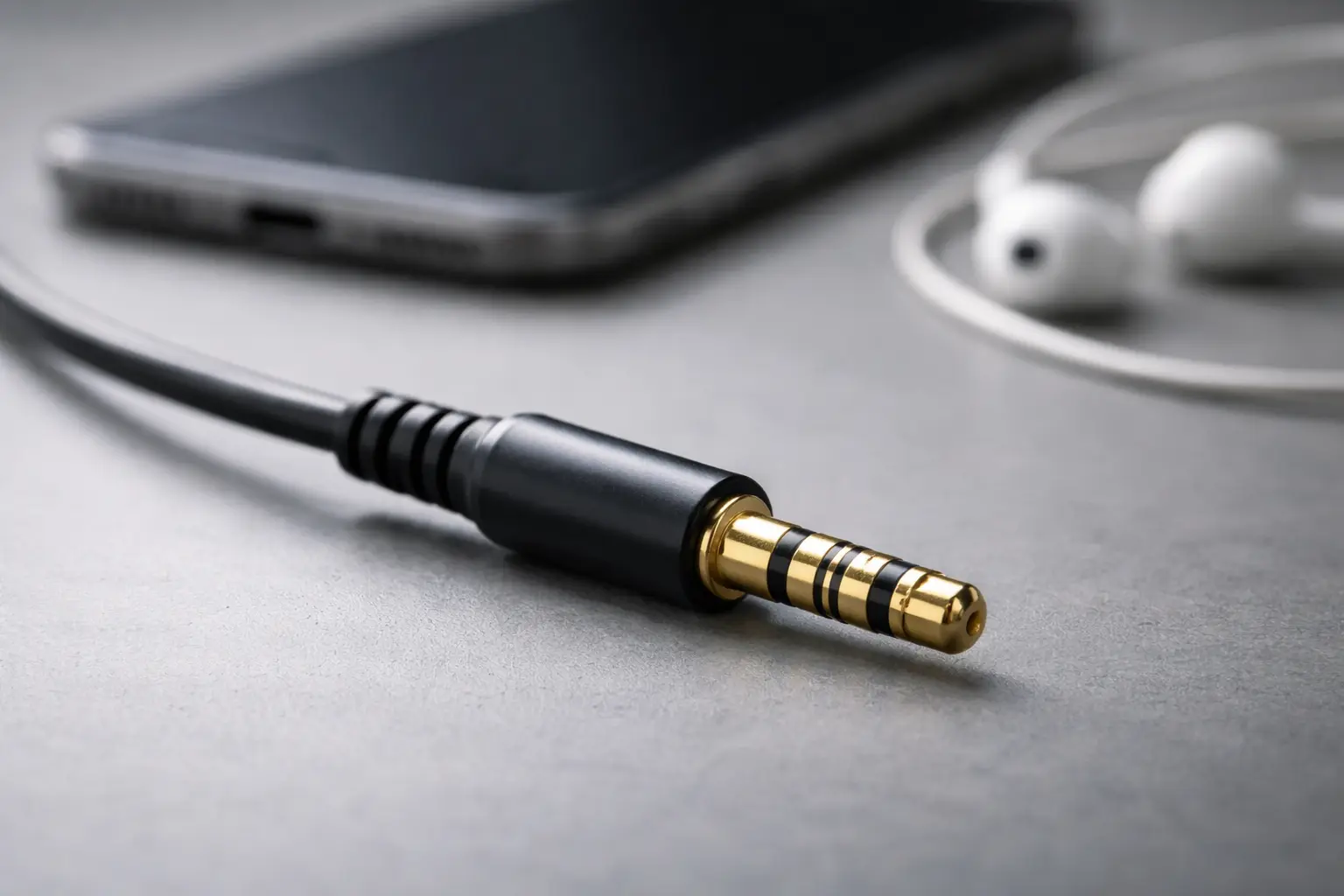
A TRS cable (Tip-Ring-Sleeve) looks almost identical to TS, but it has two black rings. This means it has three conductors:
- Tip:Signal (hot)
- Ring:Signal (cold or right channel)
- Sleeve:Ground/shield
This extra conductor unlocks powerful features TS cables can’t offer.
Two Jobs, One Cable
A TRS cable can carry two very different signal types, depending on your gear:
-
Balanced Mono (Pro Audio Use):Noise-resistant, ideal for long runs.
- Audio interfaces → studio monitors
- Mixing consoles → outboard gear
-
Unbalanced Stereo (Consumer Use):Two channels in one cable.
- Headphones
- Stereo outputs on keyboards and pedals
When TRS is Essential
- Setting up a home studio(interface to monitors)
- Running long cables on stage
- Using stereo outputs (synths, pedals, electronic drums)
Balanced vs Unbalanced: Why It Matters
The Problem with Unbalanced TS Cables
Unbalanced cables act like antennas. They easily pick up:
- The infamous 60Hz humfrom AC power
- Buzz from LED lights or dimmers
- Radio interference from phones
The longer the cable, the worse the problem.
How TRS Cancels Noise (Common-Mode Rejection)
Here’s the science behind balanced TRS cables:
- The device sends two copies of the same signal—one inverted.
- Noise affects both equally during the run.
- At the destination, the inverted copy is flipped back.
- Noise cancels out, leaving clean audio.
That’s why studios and live sound engineers swear by balanced TRS.
Choosing the Right Cable for Every Situation
Electric Guitars & Bass: Stick with TS
If you’re plugging a guitar or bass into an amp, always use TS. TRS doesn’t add benefits and may even cause issues with active pickups or onboard preamps.
Active Pickups & Pedals: Watch Out for TRS
Many active systems use the sleeve contact to complete the battery circuit. Insert a TRS plug, and the circuit stays open—your instrument won’t turn on.
Home Studios: TRS for Interfaces and Monitors
For clean, accurate sound:
- Interface TRS outputs→ Monitor TRS/XLR inputs
- Short runs are fine, but TRS becomes essential if your monitors are across the room.
Keyboards, Synths & Stereo Pedals: Decode Before You Plug
Some gear uses TRS jacks for stereo, not balanced. That means you’ll need a TRS-to-dual-TS (Y-cable) to send left and right to your mixer.
Pro tip: Always check your manual. The same TRS jack could mean different things on different instruments.
Quick Visual Guide: TS vs TRS
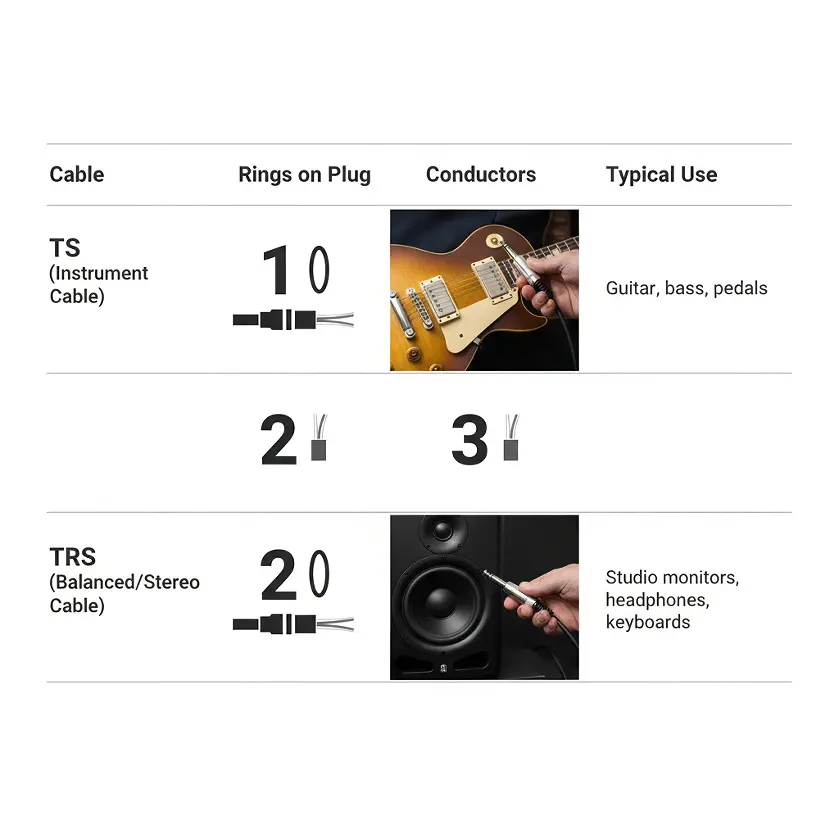
|
Cable |
Rings on Plug |
Conductors |
Typical Use |
|
TS (Instrument Cable) |
1 |
2 |
Guitar, bass, pedals |
|
TRS (Balanced/Stereo Cable) |
2 |
3 |
Studio monitors, headphones, keyboards |
Common Myths About TRS and TS Cables
-
Myth:TRS always sounds better.
Truth: Not on guitars. Only useful when gear supports balanced audio. -
Myth:TRS always means stereo.
Truth: Often it’s balanced mono. Depends on your gear. -
Myth:Using the wrong cable will fry your gear.
Truth: Usually it just won’t work right. The real danger is mixing up instrument vs speaker cables.
FAQs on TRS vs Instrument Cables
Q1: Can I use TRS for guitar?
Yes, but it adds no benefits. With active pickups, it may even stop the signal.
Q2: What happens if I plug TS into a TRS input?
It works, but the connection becomes unbalanced. Expect more noise.
Q3: How do I tell them apart quickly?
Count the rings: one = TS, two = TRS.
Q4: Are TRS cables always stereo?
No. They can be stereo or balanced mono depending on the gear.
Q5: Can the wrong cable damage my amp?
Not usually. But never use an instrument cable as a speaker cable—it can destroy your amp.
Q6: How long can I run TS vs TRS?
- TS: Keep under 20 feet.
- TRS: Safe up to 100 feet or more.
Conclusion: The Golden Rule of Cable Choice
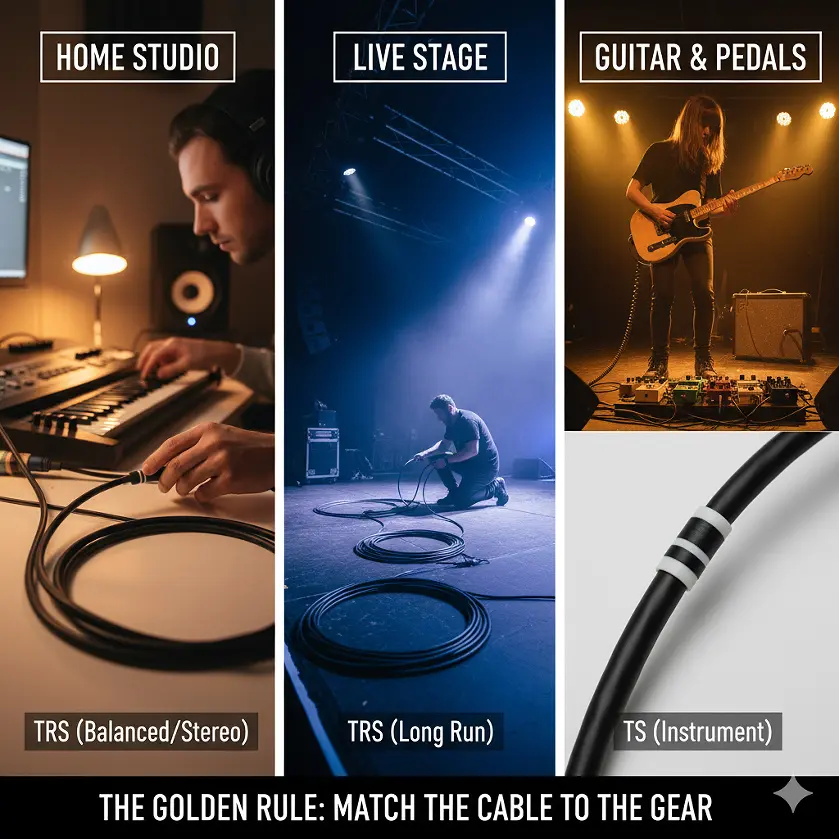
When it comes to TRS cable vs instrument cable, it’s not about which is “better.” It’s about matching the cable to the gear:
- TS cablesare perfect for guitars, basses, and pedals.
- TRS cablesare essential for balanced studio gear, long cable runs, and stereo signals.
Choose correctly, and you’ll eliminate noise, protect your gear, and get the best sound possible—whether you’re jamming at home, recording in your bedroom studio, or playing live on stage.