

What Are Speakon Cables? A Beginner’s Guide to Professional Audio Connections
Introduction
Have you ever wondered how live concerts deliver crystal-clear sound without a single crackle or dropout? The secret often lies not in the speakers themselves, but in the cables that link amplifiers to loudspeakers. Enter Speakon cables, the unsung heroes of professional audio. In this post, we’ll dive into what makes Speakon connectors unique, explore their types and benefits, and even share a bit of my own hands-on experience using them in a touring rig. By the end, you’ll understand why Speakon cables are considered the gold standard for audio pros and how you can get started with them—even if you’re new to the world of PA systems.
The Origins and Evolution of Speakon Connectors
A Brief History
The Speakon connector was introduced by Neutrik in 1987 as a solution to the growing demands of high-power audio applications. Prior to its invention, audio engineers relied on banana plugs, ¼″ TS jacks, or even bare-wire terminations—all of which were prone to accidental disconnection, polarity errors, and limited current capacity. To address these shortcomings, Neutrik created a twist-lock design capable of handling up to 30 A RMS continuously, ensuring secure, reliable connections on everything from concert stages to fixed installations12.
Personal Experience: I still remember my first gig using Speakon cables. During a festival setup, a thunderstorm rolled in, and our monitors were getting knocked around by wind gusts. Thanks to the twist-lock mechanism, none of the speaker leads came loose—unlike the demo rig next door, which suffered multiple dropouts that night.
Industry Adoption
Over the years, Speakon quickly became the industry standard for live sound reinforcement and installed PA systems. Today, virtually every professional touring company, theater, and house of worship uses Speakon cables for their speaker connections. Other manufacturers—including Switchcraft—produce compatible speaker twist connectors, but Neutrik remains the recognized originator and leader in product quality.
Anatomy of a Speakon Cable
Understanding why Speakon cables excel starts with dissecting their design.
The Twist-Lock Mechanism
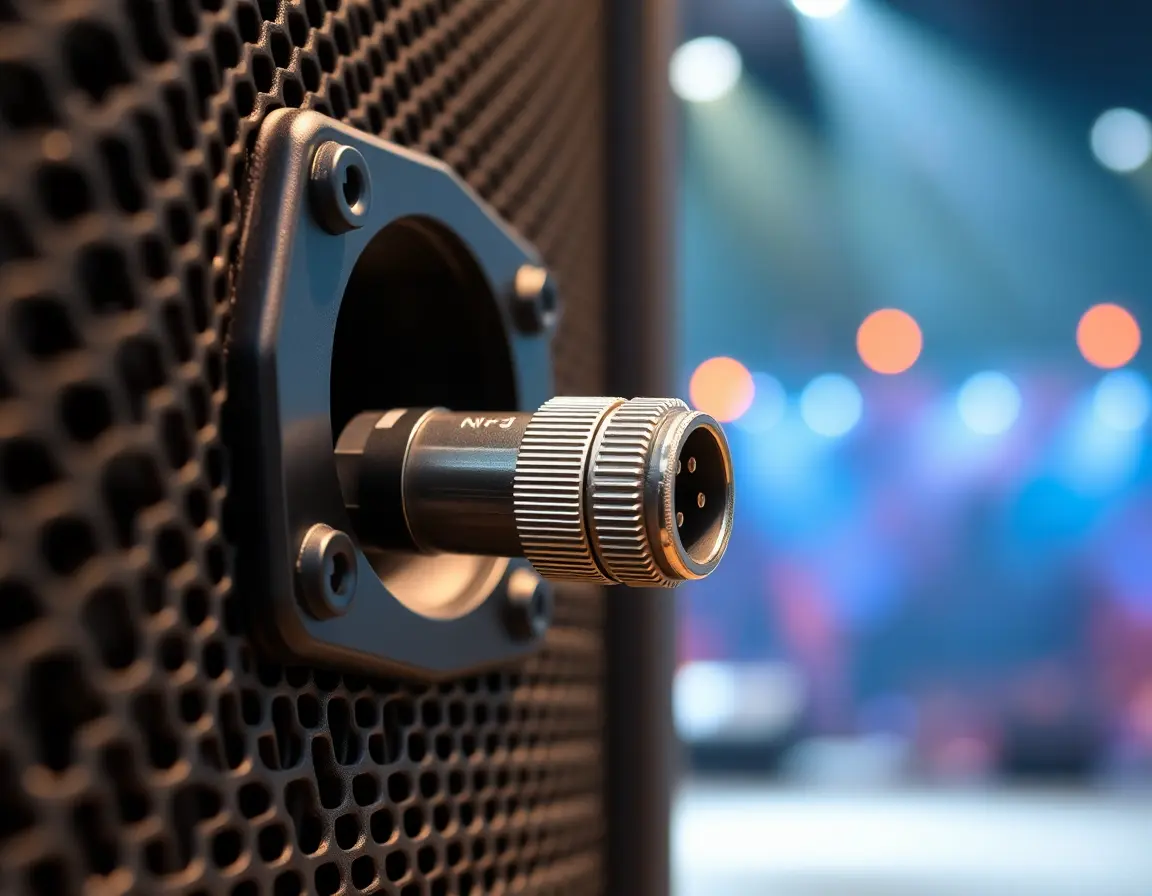
At the heart of every Speakon connector is its twist-lock system. You simply insert the male end into the female chassis socket, then rotate it ¼ turn until you hear a click. This action:
- Locks conductors firmly, resisting up to hundreds of pounds of pull force
- Prevents accidental unplugging, especially under stage-bounce conditions
- Ensures consistent electrical contact throughout a performance
Contact Configuration and Polarization
Speakon connectors employ concentric, ring-style contacts. Depending on the model, they support 2, 4, or 8 poles:
|
Connector |
Poles |
Conductors |
Typical Use Case |
|
NL2 |
2 |
2 |
Single-channel, passive speaker runs |
|
NL4 |
4 |
4 |
Bi-amped systems or stereo cabinets |
|
NL8 |
8 |
8 |
Tri-amped/quadramped, multi-driver speakers |
Tip: An NL2 male plug will fit into an NL4 female socket but only uses the +1/–1 contacts. Never force an NL4 into an NL2 socket or attempt cross-mating with incompatible models.
Materials and Durability
High-quality Speakon cables feature:
- 12–16 AWG copper conductorsfor optimal current capacity
- Flexible PVC or rubber jacketsrated for repeated flexing
- Self-cleaning contactsthat sweep away oxidation with each mate cycle
- Color-coded or numbered housingsto simplify stage labeling
Many pros swear by Neutrik’s speakON® Cable Connectors (e.g., the Neutrik NL4FC) for their superior strain relief and ease of assembly.
Why Choose Speakon Over Other Connectors?
Power Handling and Safety
Traditional speaker connections—like banana plugs or ¼″ TS jacks—were never designed for the high current demands of modern PA systems. Here’s how they compare:
|
Feature |
Speakon (NL4) |
¼″ TS Plug |
Banana Plug |
|
Rated Current |
≥30 A RMS |
≈7 A |
≈15 A |
|
Locking Mechanism |
Twist-lock (secure) |
Friction (often loose) |
Spring clip (pull-out risk) |
|
Short-Circuit Risk |
Low (enclosed) |
High (exposed contacts) |
Medium |
|
Polarity Clarity |
Keyed, color-coded |
Marked, but easy error |
Single-pole only |
Insight: When you’re driving a 500 W subwoofer at a festival, any slip in current capacity or accidental inversion of polarity can ruin your show. Speakon’s design virtually eliminates these risks.
Streamlined Stage Workflow
For stage crews, every second counts:
- Quick Mating:Twist, click, and go—no fumbling with exposed wires.
- Cable Management:With 4-pole (NL4) and 8-pole (NL8) options, you can run multiple signal runs through one multicore cable, reducing stage clutter.
- Error Reduction:Color-coding and keyed housings make mis-patching nearly impossible, even under dim lighting.
In contrast, standard ¼″ and banana plugs require manual tightening and offer no assurance of retention under tension or vibration.
Common Applications and Real-World Examples
Speakon cables shine in a variety of environments:
Live Concerts and Tours
From arena tours to club shows, Speakon cables are the backbone of speaker connections. Touring rigs often demand rapid deployment and teardown, with cables routed through truss structures, under risers, and along catwalks. The twist-lock design guarantees that once a speaker is “locked in,” it stays put—no matter how aggressive the stage theatrics.
Fixed Installations
Theaters, houses of worship, and nightclubs rely on Speakon for permanent installs. Their robust connectors withstand years of daily use, and field-replaceable cable connectors mean maintenance crews can swap out damaged leads without rewiring the entire system.
Bi-amping and Multi-amping Systems
For audiophiles or pros using separate amplifiers for low, mid, and high-frequency drivers (bi-amp, tri-amp, quad-amp configurations), NL4 and NL8 connectors simplify wiring:
- Bi-amp:NL4 runs one cable to LF and another to HF drivers.
- Tri-amp/Quad-amp:NL8 handles four conductors, perfect for three or four-way crossovers.
This multi-pole flexibility is hard to replicate with any other connector type.
DIY Speakon Cable Assembly and Maintenance
Building your own Speakon cables can save money and tailor lengths to your exact needs. Here’s how:
Tools and Materials
- Speakon cable connectors(e.g., NL4FC, NL4MM)
- 12–16 AWG speaker-grade cable(oxygen-free copper recommended)
- Wire strippers, soldering iron or screwdriver(depending on connector style)
- Heat-shrink tubingand cable ties for strain relief
Step-by-Step Assembly
- Prepare the Cable:Cut to length, remove outer jacket, and strip individual conductors.
- Install Strain Relief:Slide housing pieces onto the cable before termination.
- Terminate Conductors:
- Screw-clamp models:Insert stripped wire under the clamp and tighten.
-
Solder-cup models:Tin wires, heat the cup, and apply solder.
- Reassemble Connector:Fit the contact module into the housing, secure the locking collar, and shrink tubing for added protection.
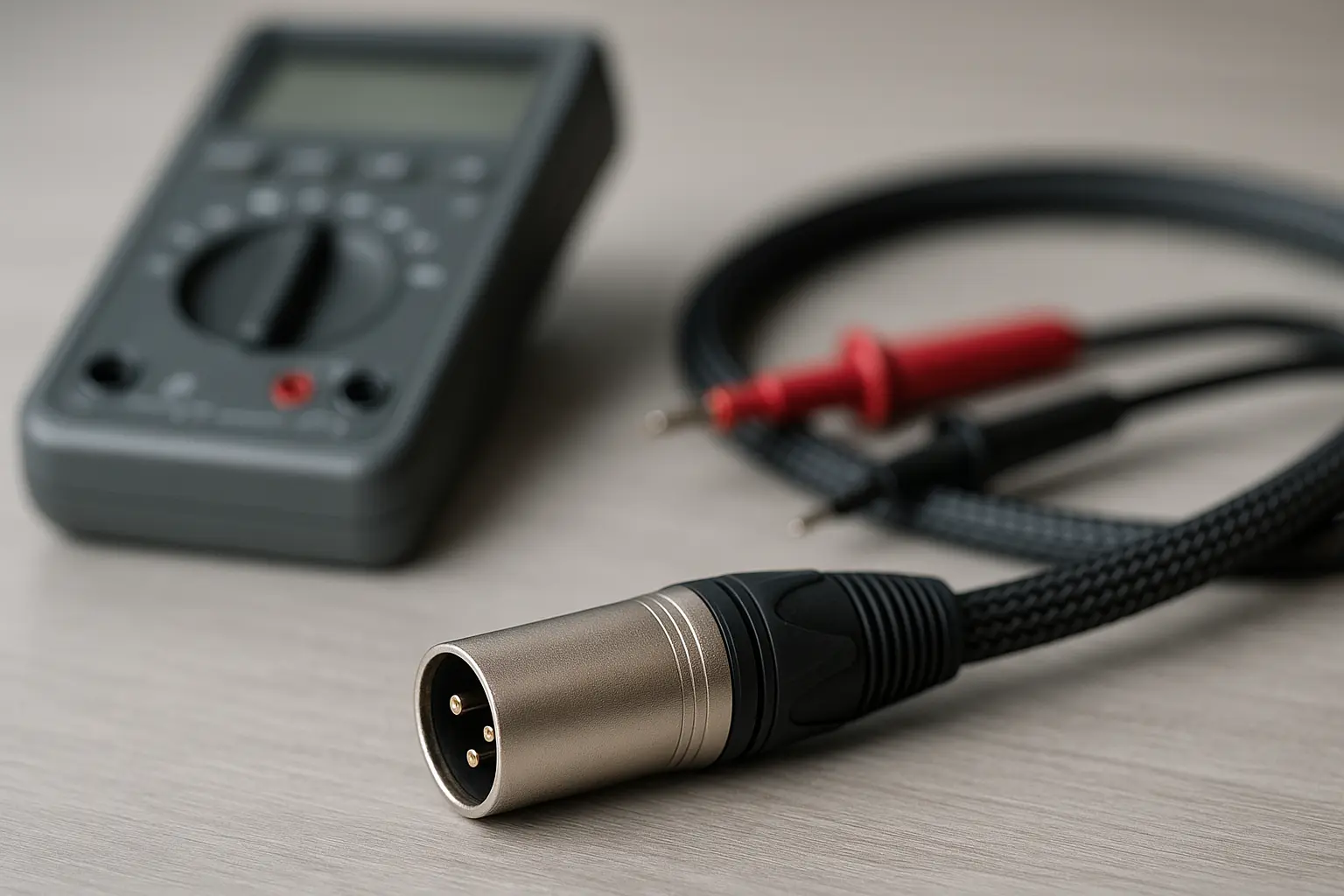
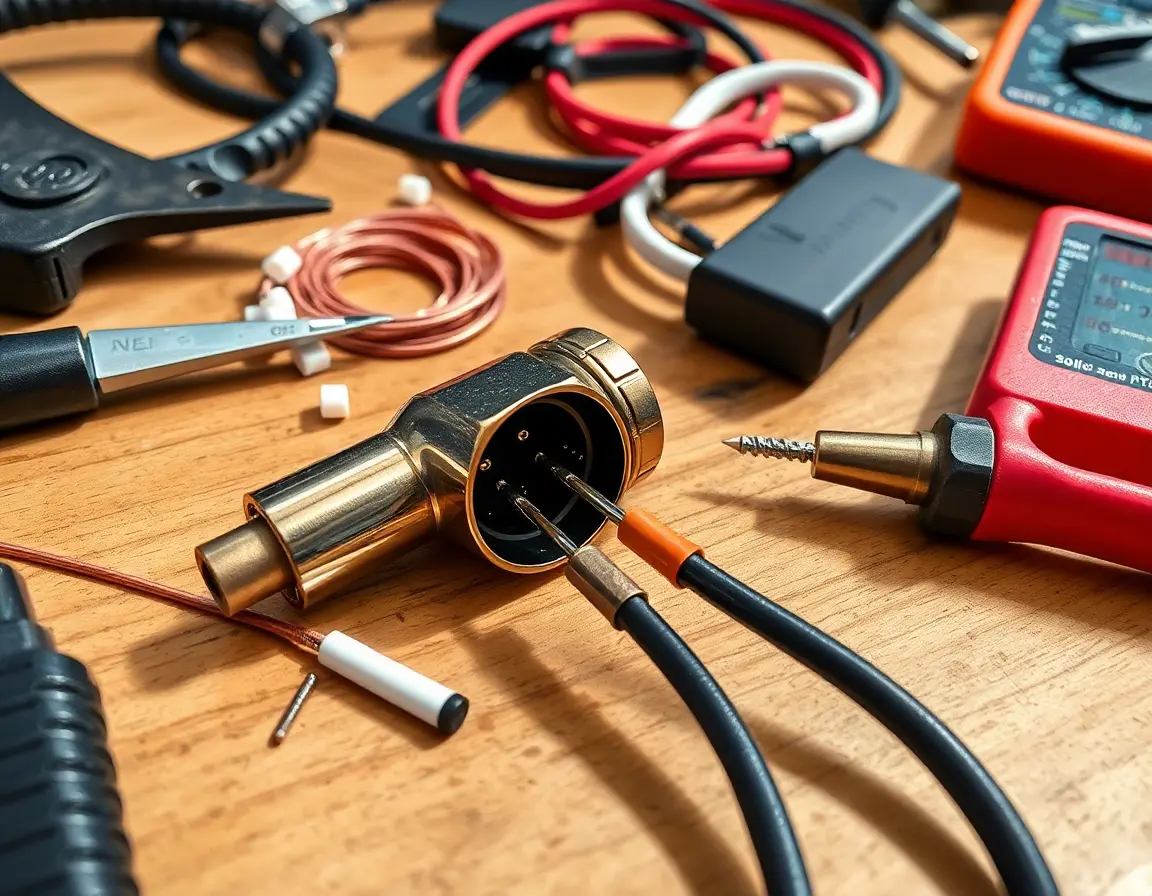
- Test:Use a multimeter to verify continuity and correct polarity (+1/–1, +2/–2, as needed).
Pro Tip: Label each cable end with a channel number or color-code sleeve to speed up patching on busy stages.
Troubleshooting Common Speakon Issues
Even the toughest connectors need occasional TLC. Here are fixes for typical headaches:
|
Issue |
Cause |
Solution |
|
Intermittent Cut-Out |
Worn contacts or debris in socket |
Blow out dust, clean with isopropyl alcohol |
|
Difficulty Mating |
Misaligned pins or damage |
Inspect connector, realign or replace contacts |
|
Hum or Buzz in Signal |
RF interference or grounding issue |
Re-route cable, add ferrite choke |
|
Cable Pull-Out |
Strain relief loose or missing |
Re-secure housing, use proper cable clamp |
Regularly inspect your connectors for bent pins, cracked housings, or loose locking collars. A little preventive maintenance goes a long way toward keeping the sound clean.
Speakon Variants and Related Technologies
Neutrik XX Series Enhancements
In 2019, Neutrik unveiled the XX Series, featuring:
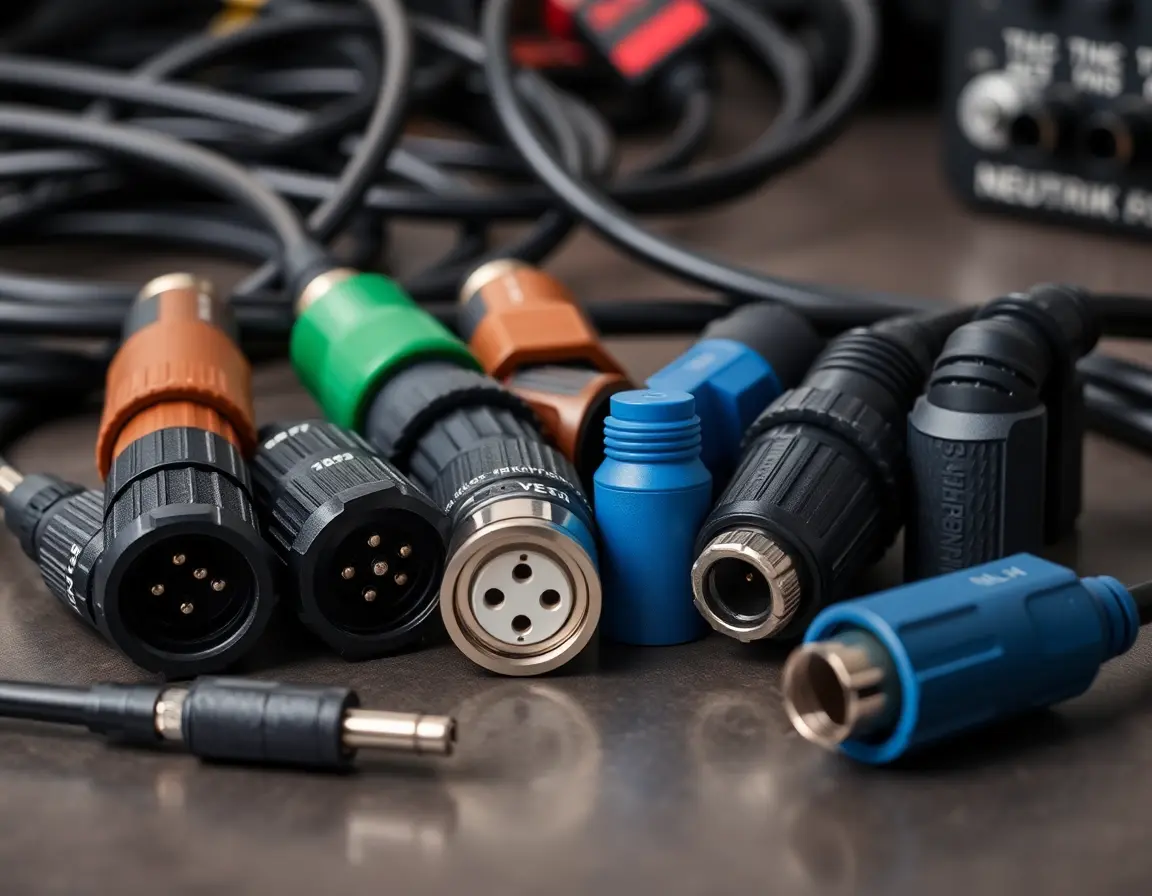
- Color-coded housings(brown for NL2, green for NL4) for instant pole identification
- Increased current ratingup to 37 A RMS, exceeding previous standards
- Ergonomic design improvements, simplifying assembly in dimly lit environments
Learn more in Neutrik’s XX Series product guide.
PowerCON—A Sibling Connector
PowerCON is Neutrik’s power-grade locking connector (20 A AC), visually and mechanically similar to Speakon but intended for mains power. Be aware that PowerCON A and B variants are incompatible to prevent dangerous mis-connections. For an overview, see “Understanding Speakon and PowerCON” by NMREvents.
Conclusion
From their groundbreaking twist-lock design in 1987 to modern refinements like the XX Series, Speakon cables have become the cornerstone of professional audio connections. Their high current capacity, reliable locking mechanism, and multi-pole flexibility make them indispensable for live events, fixed installations, and advanced bi-amp/tri-amp systems. Whether you’re an audio novice gearing up for your first gig or a seasoned engineer optimizing a large-scale PA system, mastering Speakon cables is a crucial step toward flawless sound delivery.
Next Steps:
- Try building your own Speakon cable using the DIY guide above.
- Share your first-hand experiences in the comments below—what challenges did you face, and how did you overcome them?
- Check out our recommended products, including the Neutrik NL4FCand Benchmark Speakon connectors, to elevate your setup today!
References:
Footnotes
- See the detailed history on Wikipedia’s Speakon connector page. ↩
- For real-world uses and wiring tips, visit Gollihur Music’s guide. ↩
- For combined Speakon/PowerCON insights, read NMREvents’ breakdown. ↩
Title: What Are Speakon Cables? Professional Audio Guide
Description: Discover everything you need to know about Speakon cables—from their history and design to real-world applications. This beginner-friendly guide explains why Speakon connectors are the go-to choice in professional audio, complete with expert tips and personal insights.
Keyword: what are speakon cables