




What Are TRS Cables Used For?
Simple Guide to Understanding and Using TRS Cables
Key Takeaways
- TRS cables have three conductors—Tip, Ring, and Sleeve—that lets them carry either balanced mono signals or stereo sound.
- They are different from TS cables (two conductors) and TRRS cables (four conductors).
- TRS cables help reduce noise in professional audio setups and are common for headphones, mixers, and effects loops.
- Choosing the right cable depends on your device and setup; using the wrong cable can cause noise or signal loss.
- Knowing how and when to use TRS cables can improve your audio quality and avoid common issues.
What Is a TRS Cable?
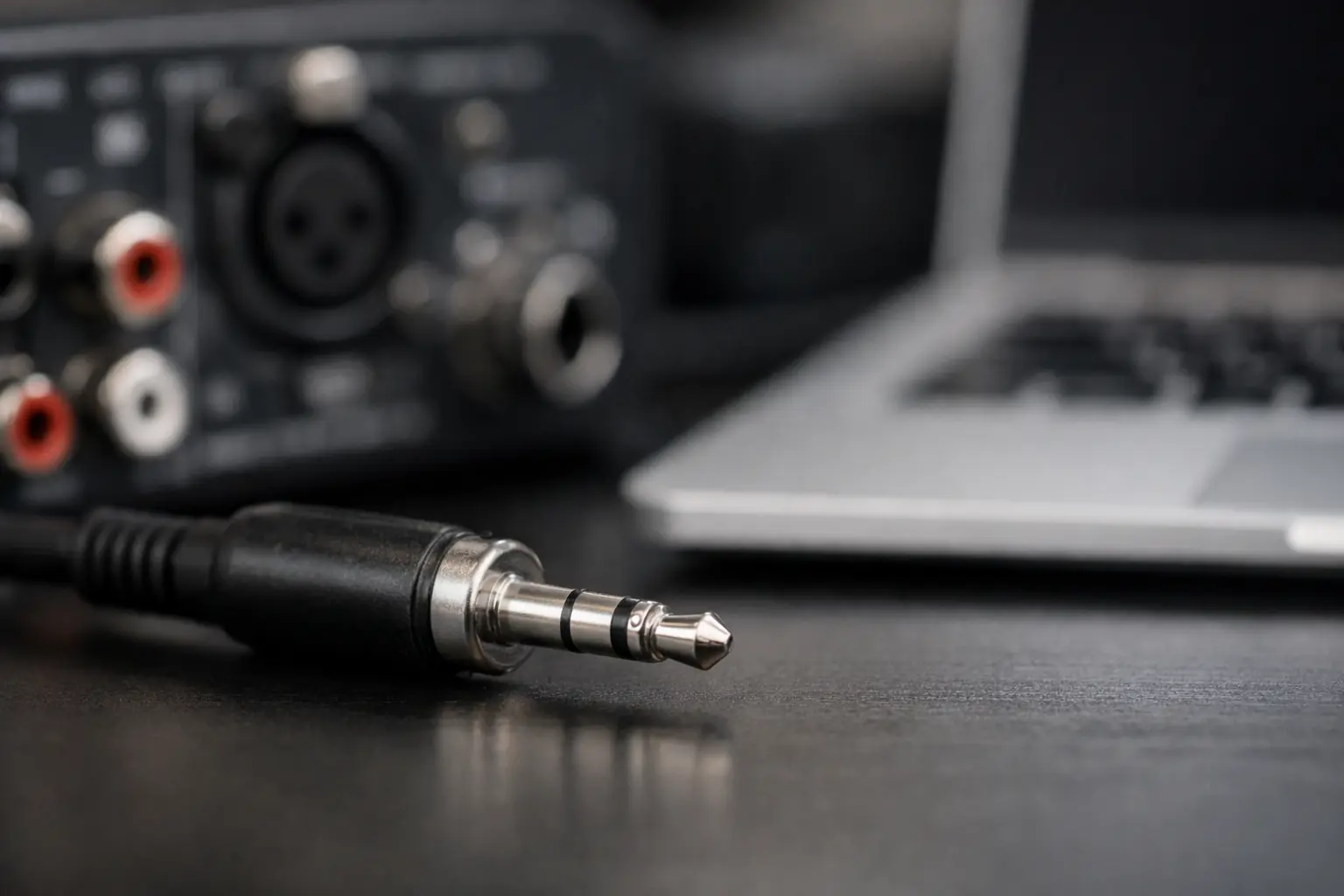
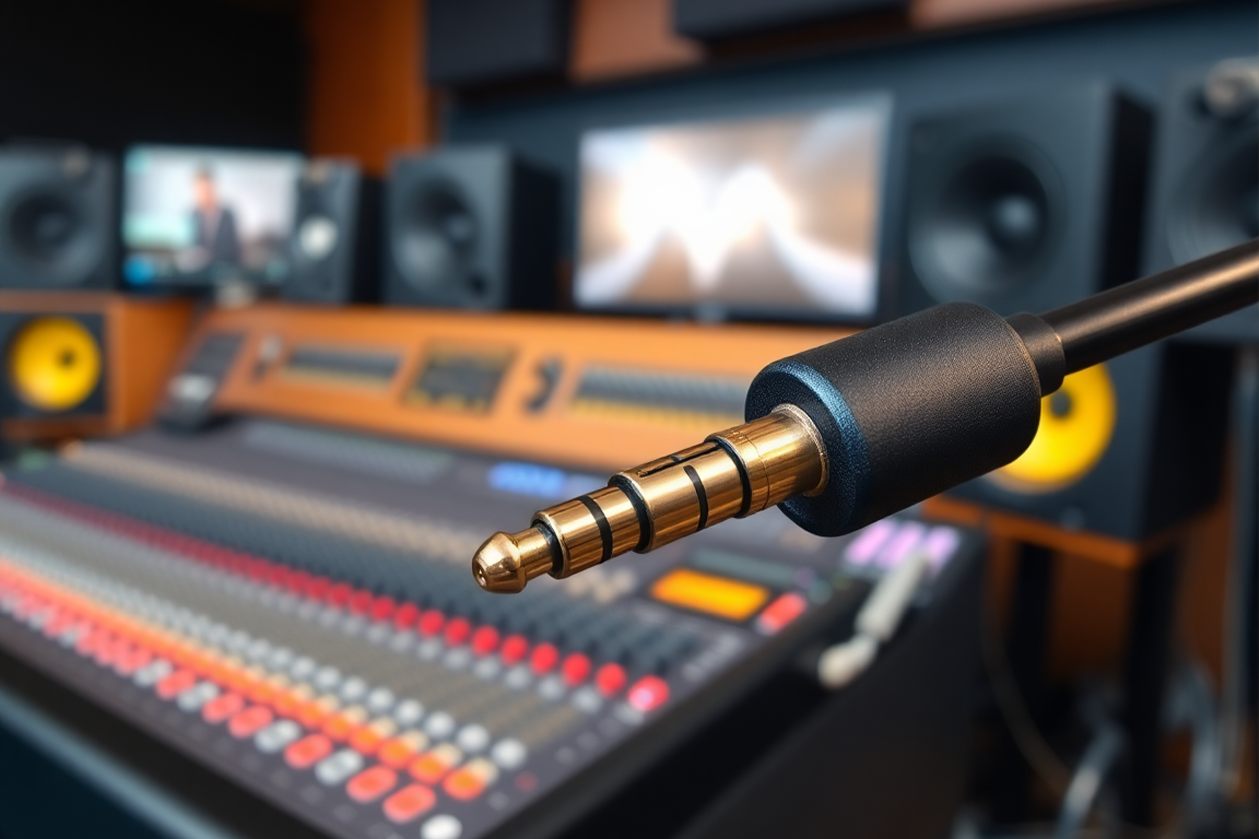
A TRS cable gets its name from its plug parts:
- Tip: first contact, carries one audio signal or the "hot" signal in balanced lines
- Ring: second contact, carries the second audio signal or the "cold" signal in balanced lines
- Sleeve: the ground or shield connection
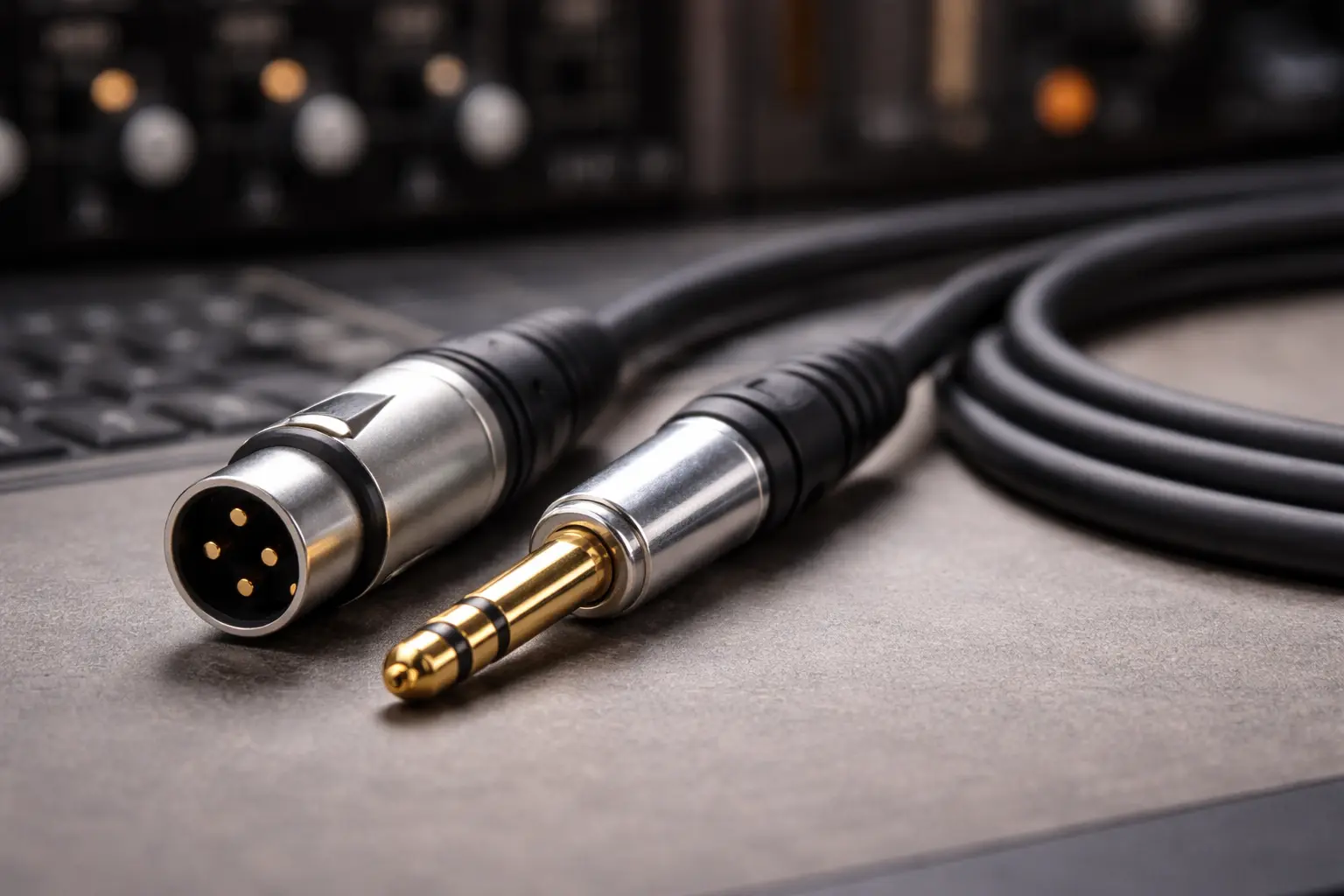
Thanks to these three conductors, TRS cables can carry two separate audio signals (stereo) or one balanced audio signal (mono with noise rejection). The common sizes are ¼ inch (6.35mm) used in professional gear and 3.5mm used widely in headphones and mobile devices.
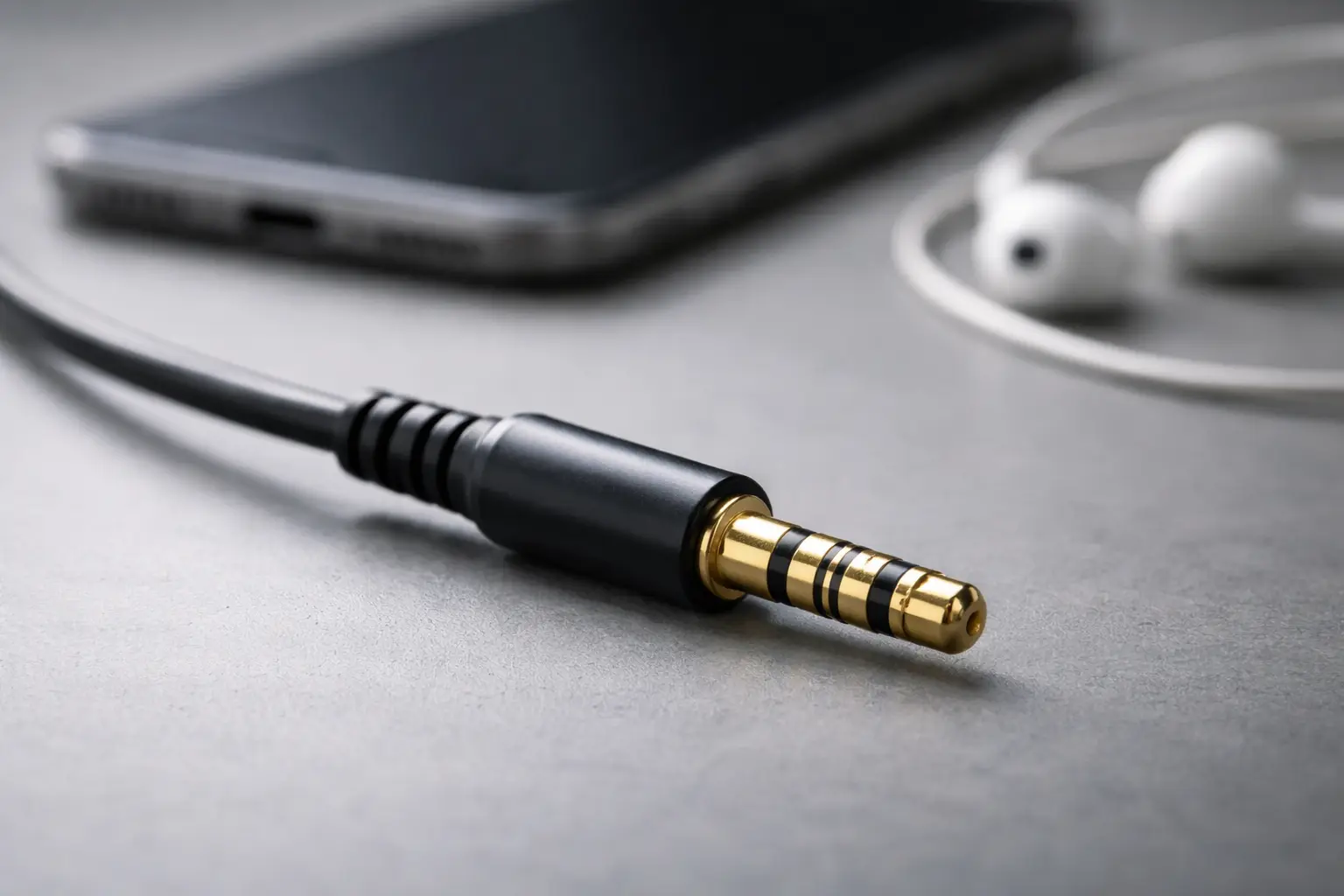
TS cables only have two conductors (Tip and Sleeve) and carry unbalanced mono signals, often used for electric guitars and simple instrument connections. TRRS cables have four conductors and are mainly for headsets that need both headphone audio and mic signals on one plug.
Difference Between TRS, TS, and TRRS Cables
|
Feature |
TS (Tip-Sleeve) |
TRS (Tip-Ring-Sleeve) |
TRRS (Tip-Ring-Ring-Sleeve) |
|
Conductors |
2 |
3 |
4 |
|
Signal type |
Unbalanced mono |
Balanced mono or stereo |
Stereo + mic (headphones with mic) |
|
Usage |
Electric guitar, unbalanced mono |
Pro audio balanced cables, stereo headphones |
Smartphone headsets, voice + stereo |
|
Noise resistance |
Low |
Higher (if balanced) |
Medium |
If you want cleaner sound or stereo audio from one cable, TRS is usually the answer. But if it’s a basic mono instrument cable, TS might be simpler and cheaper.
Four Main Uses for TRS Cables
-
Stereo Audio
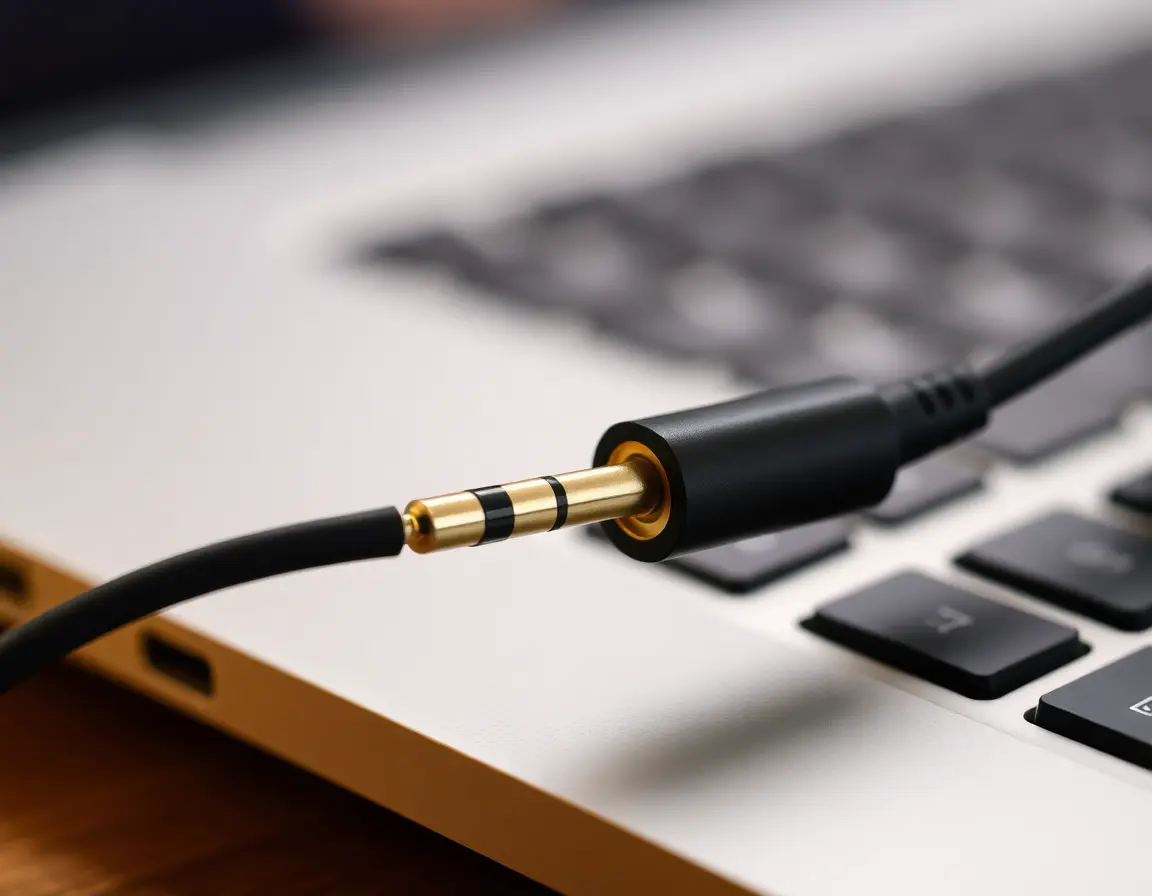
TRS cables carry left and right signals separately for headphones or stereo gear. You’ll find 3.5mm TRS cables on headphone jacks of phones, laptops, and portable players.
Example: Plugging your headphones into a phone or laptop uses a stereo TRS cable to carry sound to left and right ears.
-
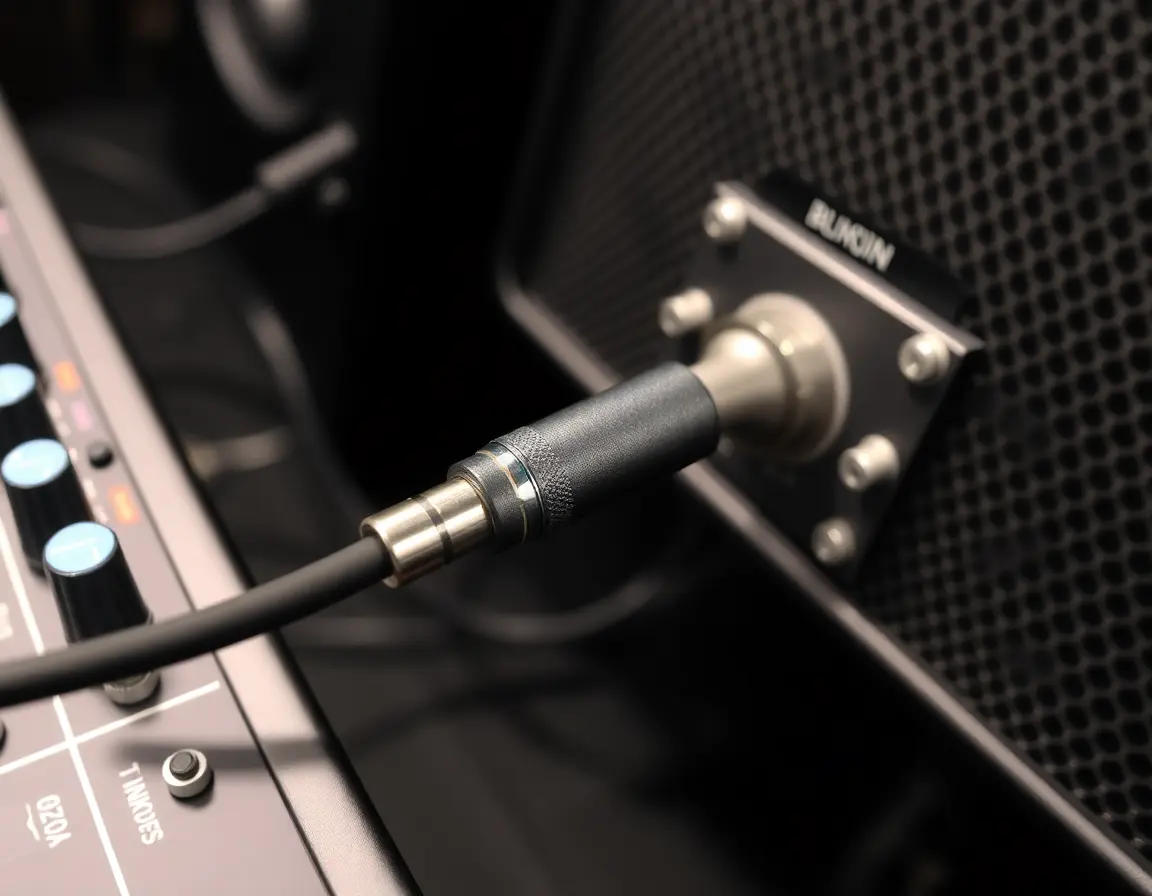
Balanced Mono Audio
In professional audio, a TRS cable can carry a balanced mono signal—Tip carries the positive signal, Ring the inverted negative signal, and Sleeve ground. This cancels out noise and hum, especially when cables run long distances.
Example: Connecting a mixer to powered speakers in a live show often uses balanced TRS cables for noise-free sound.
-
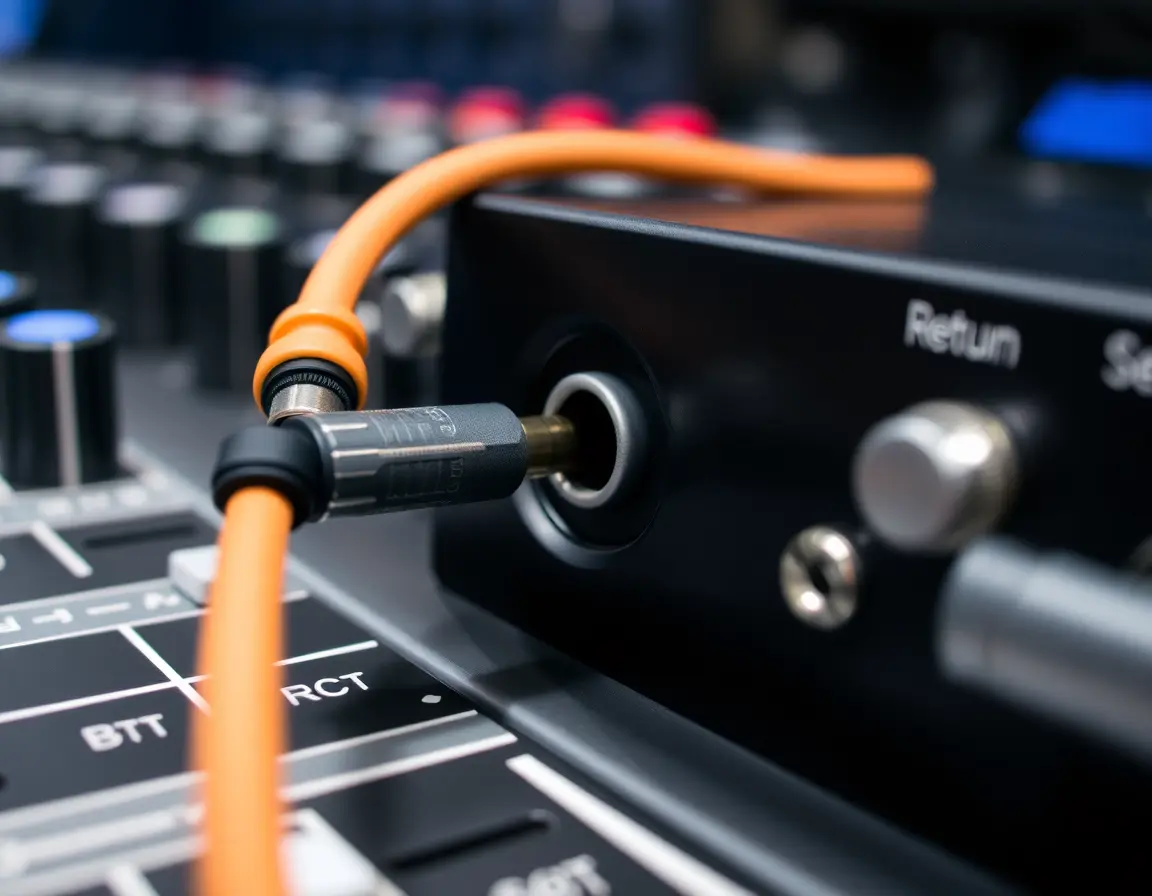
Insert Loops (Send/Return)
Mixing consoles use TRS cables on insert jacks to send the signal out to an effect pedal or processor (Tip) and bring it back processed (Ring), sharing a ground on the Sleeve.
Example: Using a compressor on a mixer channel with just one TRS cable for both send and return saves space and cables.
-
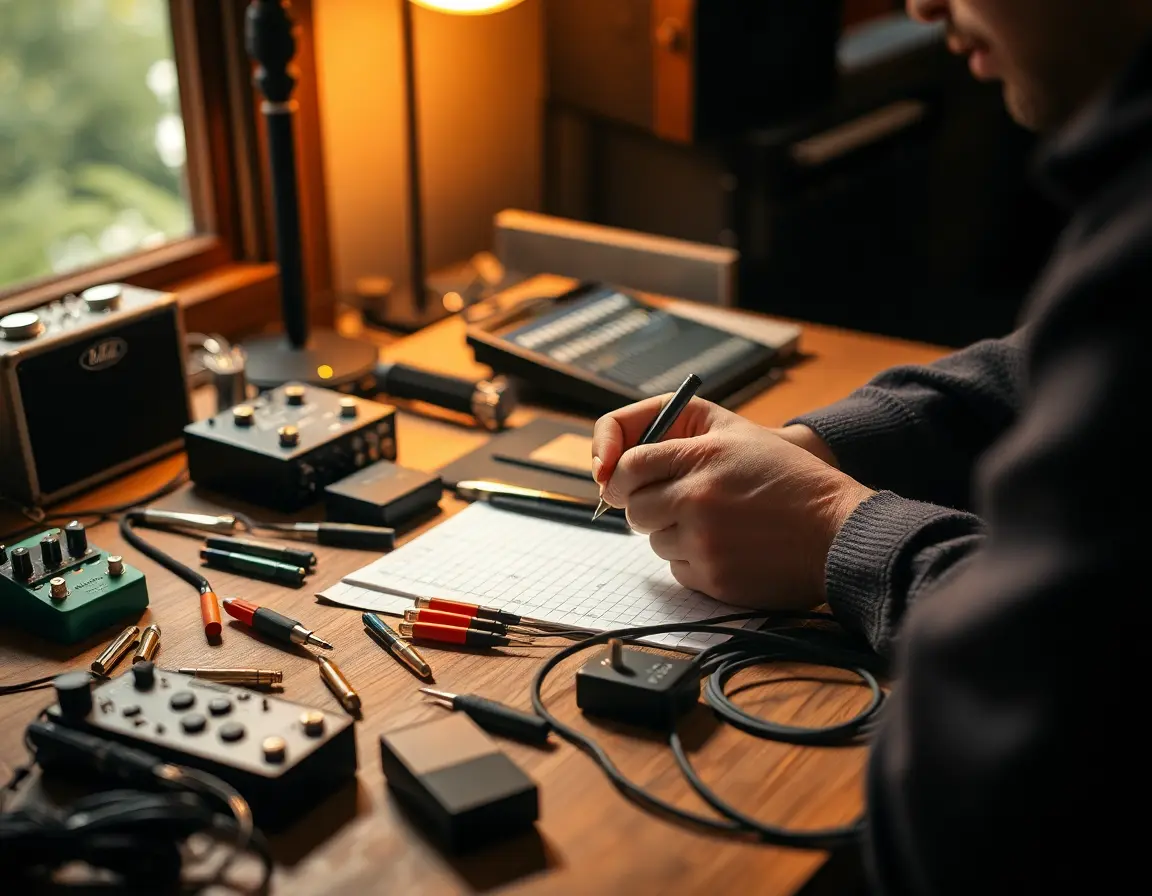
Special Cases and DIY
TRS cables are sometimes used for expression pedals or custom instrument connections, carrying control voltages or stereo outputs. If you’re building your own cables, you need to know correct wiring to avoid hum or signal loss.
Choosing and Using TRS Cables
- Make sure your gear supports balanced or stereo TRS cables, not just unbalanced TS cables. Using the wrong cable often causes no sound or noise.
- Look for quality cables with solid copper conductors and good shielding to avoid interference.
- Keep unbalanced TRS (stereo) runs short (under 3 meters). Balanced mono TRS cables can be much longer without noise.
- For pedalboards, angled plugs may save space; straight plugs work better for rack gear or studio setups.
- Label your cables if using them for insert loops to avoid hooking up send and return backwards.
Common Problems and Fixes
|
Problem |
Cause |
Fix |
|
Only one ear hears sound |
TRS plug not fully inserted or wrong cable |
Push plug in fully or switch to correct cable |
|
Signal or sound cuts out |
Loose or broken connector |
Test with a multimeter, fix or replace cable |
|
Noise, hum, buzz |
Using unbalanced cable over long distances |
Switch to balanced TRS or XLR cable |
|
Active instrument no sound |
Using TRS cable where TS is required |
Use TS cable as specified by instrument |
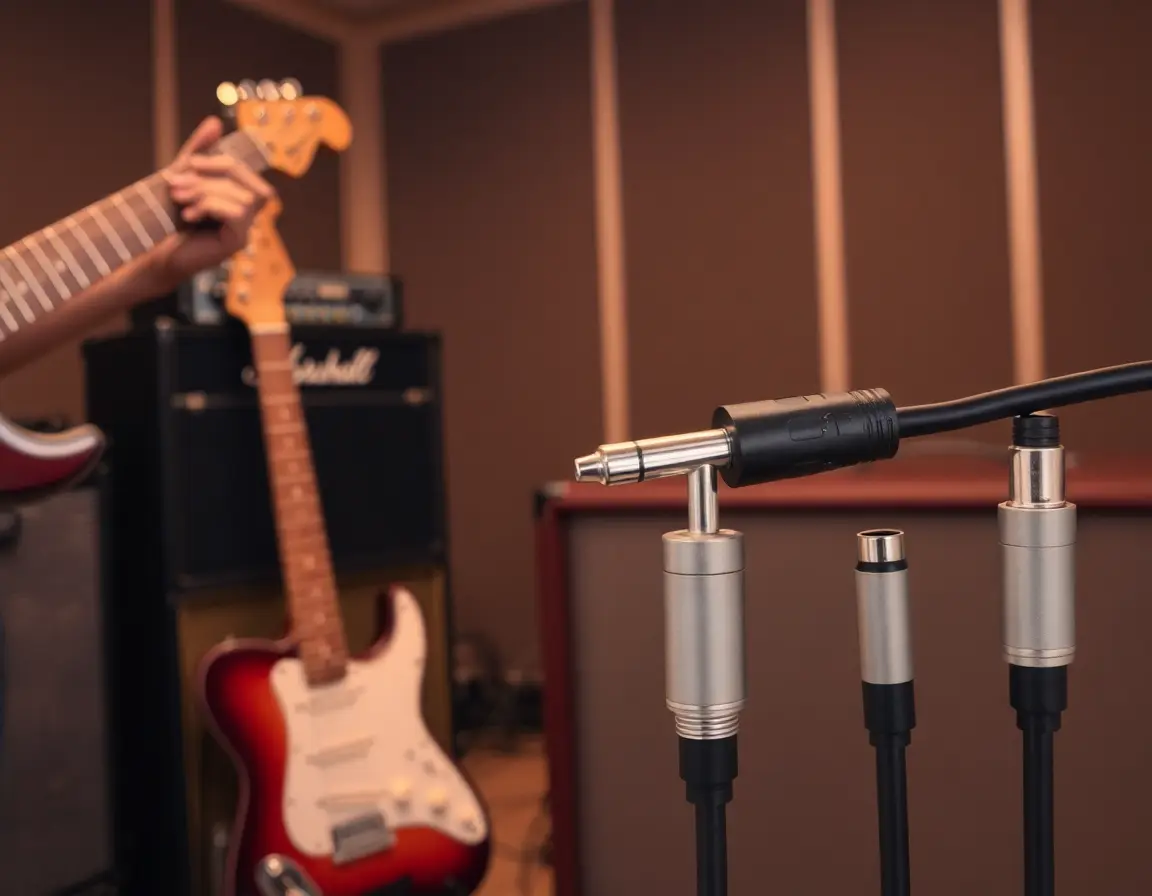
What About TRS vs TS for Guitars and Bass?
TS cables work fine for most electric instruments, as they carry an unbalanced mono signal, which is what guitars and basses output. TRS cables can cause problems if used in active systems or pedals expecting TS cables.
If you’re connecting stereo keyboards or effects, TRS cables are needed. For patching pedals with expression pedals, TRS cables also provide the needed third conductor.
Future and Other Uses
- TRS cables are still standard in professional audio spaces but wireless audio and digital options are growing.
- 4mm TRRRS connectors are gaining ground for balanced headphone connections with better sound quality.
- TRS connectors are also used in some MIDI and control voltage setups, especially in modular synthesizers.
Frequently Asked Questions (FAQ)
-
What are TRS cables used for?
They carry balanced mono audio or stereo signals in headphones, mixers, audio interfaces, and effects loops. -
Can TRS cables replace TS cables?
Sometimes, but not always. Some gear requires TS cables to work properly. -
Why do TRS cables reduce noise?
Because they carry balanced signals with two opposite polarity wires that cancel out interference. -
What size TRS cables exist?
The two most common are ¼ inch for professional audio and 3.5 mm for consumer audio. -
Can TRS cables carry microphone signals?
Yes, if the microphone and gear support balanced mono input. -
What happens if I use TS instead of TRS in a balanced input?
The signal will be unbalanced and may pick up noise or buzz. -
Are all TRS cables stereo?
No, they can carry balanced mono or stereo depending on the wiring. -
Can I use a TRS headphone on a TRRS phone jack?
Yes, you can, but you won't get microphone input. -
How do I know if my TRS cable is balanced or stereo?
Check device specs or test wiring. Balanced cables have one channel inverted on the ring. -
Is there a difference in sound quality between cheap and premium TRS cables?
Yes, better cables usually have improved shielding and materials that reduce noise and signal loss.
References
- When to Use TS or TRS Cables for Guitarists and Bassists
- What is a TRS Cable? - Mission Engineering
- 1/4" TS vs TRS cables? - Reddit Audio
- Cable Conundrum: WTF is TRS? - Noise Engineering
- TRS vs TRRS: Which Is Right for Your Audio Needs? - VCELINK
- Understanding TRS Connectors for Stereo Audio Signals - Lenovo
- Is there any reason not to use TRS cables for typically TS applications? - Music Stack Exchange
- TRS or XLR for studio monitors and why? - Gearspace
- TRS cables?? - Reddit Music Production
- The Basics Of Analog & Digital Cabling For Professional Audio - ProSoundWeb