


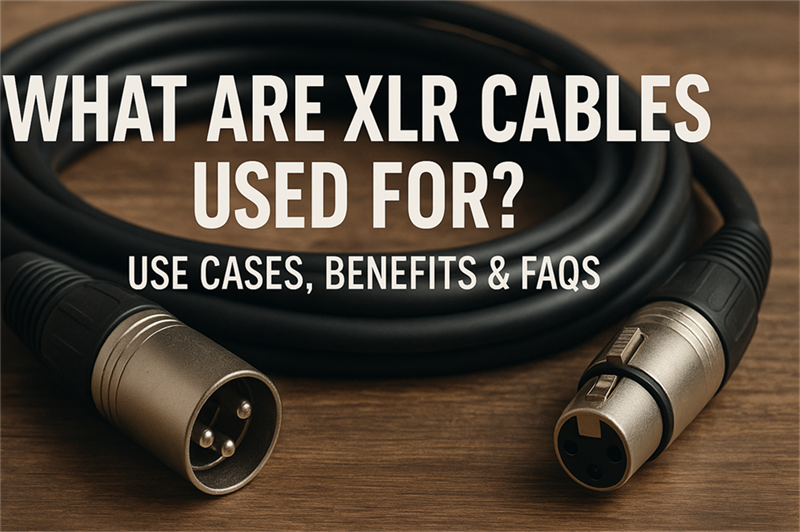
What Are XLR Cables Used For? Your Complete Guide
Key Takeaways
XLR cables send clear, balanced sound over long distances. They lock securely, work with phantom power, and connect audio gear, stage lights, intercoms, and more.
1. Why Does XLR Matter?
You’ve probably seen those sturdy, round plugs on mics and mixers. That’s XLR. It started in the 1950s for military comms but quickly found a home in studios and concert halls. Even today, when you want reliable, low-noise audio or digital control signals, XLR is the go-to choice.
2. How Do XLR Cables Work?
Each XLR cable has three wires inside:
● Pin 1 (Ground): Stops noise from entering the signal.
● Pin 2 (Hot): Carries the main audio signal.
● Pin 3 (Cold): Carries an inverted copy of the signal.
The two signal wires carry opposite polarity versions of the same audio. When interference hits the cable, both wires get affected equally. At the receiving end, the inverted signal flips back, canceling out the noise. This keeps your audio clean even over longer runs.
3. What Variants of XLR Cables Exist?
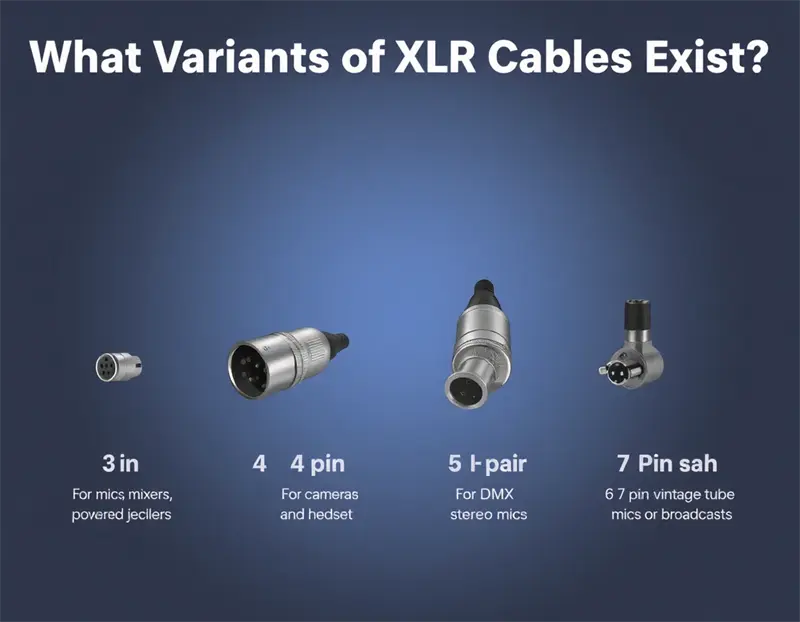
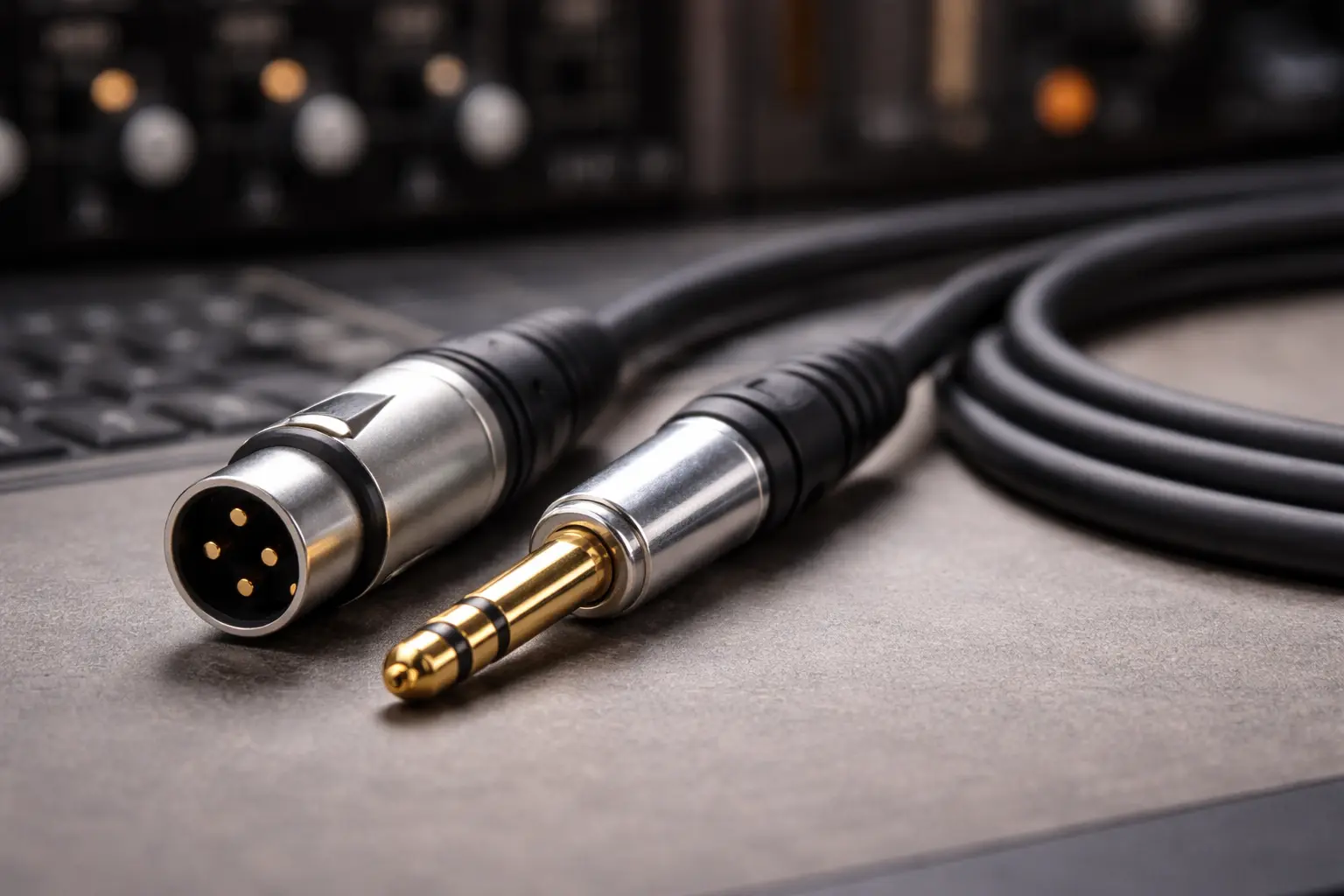
● 3-Pin XLR: The standard for most mics, mixers, and powered speakers.
● 4-Pin XLR: Used for cameras and headset systems that need power.
● 5-Pin XLR: Mostly for DMX lighting control and stereo microphones.
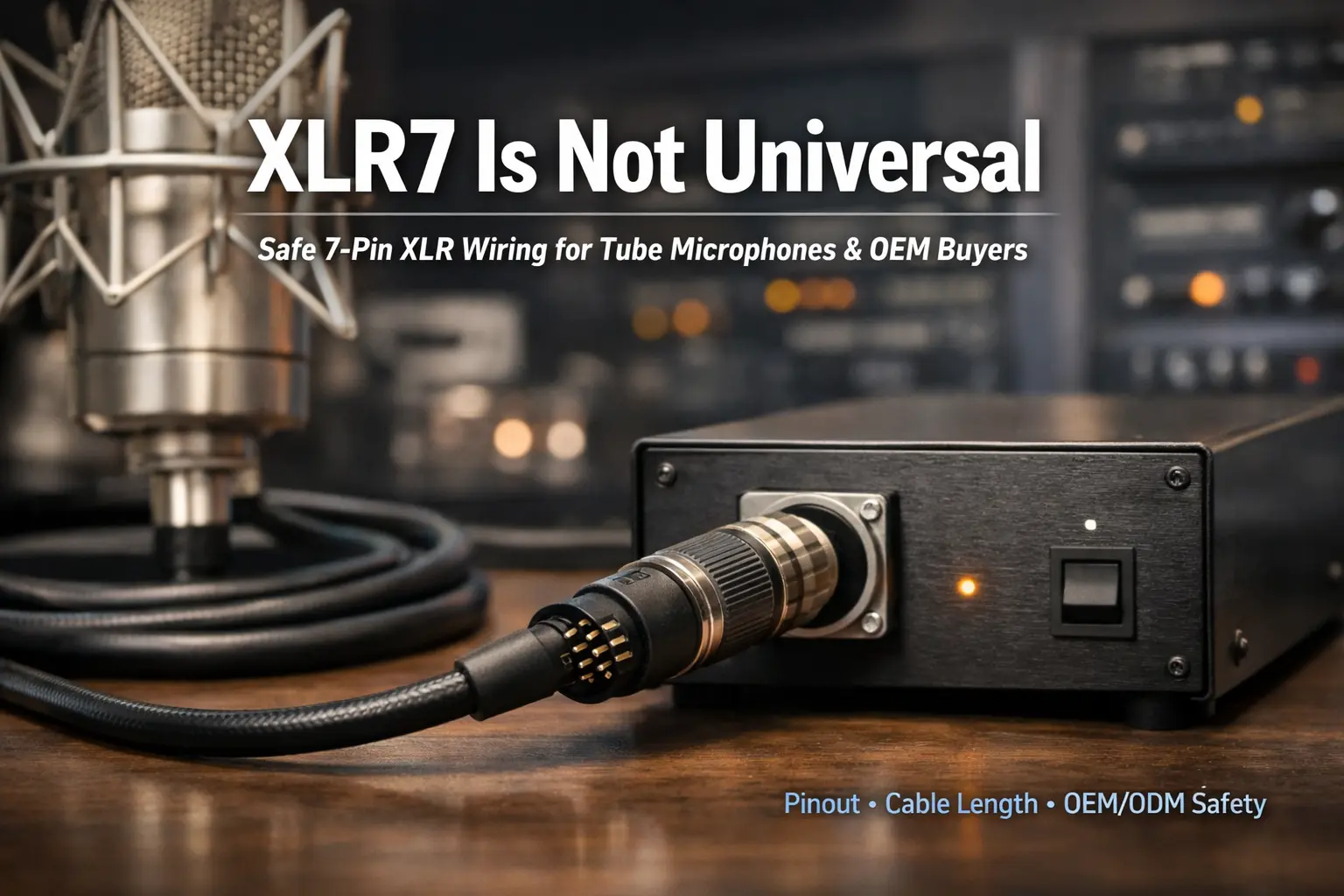
● 6- & 7-Pin XLR: Used in specialized gear like vintage tube mics or broadcasts.
All these have tough metal shells and locking latches, so connections stay strong during use.
4. Why Should I Choose XLR?
● Low Noise: Keeps sound clear even over 100+ meters.
● Secure Latch: No accidental unplugging on stage or in the studio.
● Phantom Power Support: Supplies +48 V to mics that need power.
● Universal Pin Layout: Works across brands and gear without fuss.
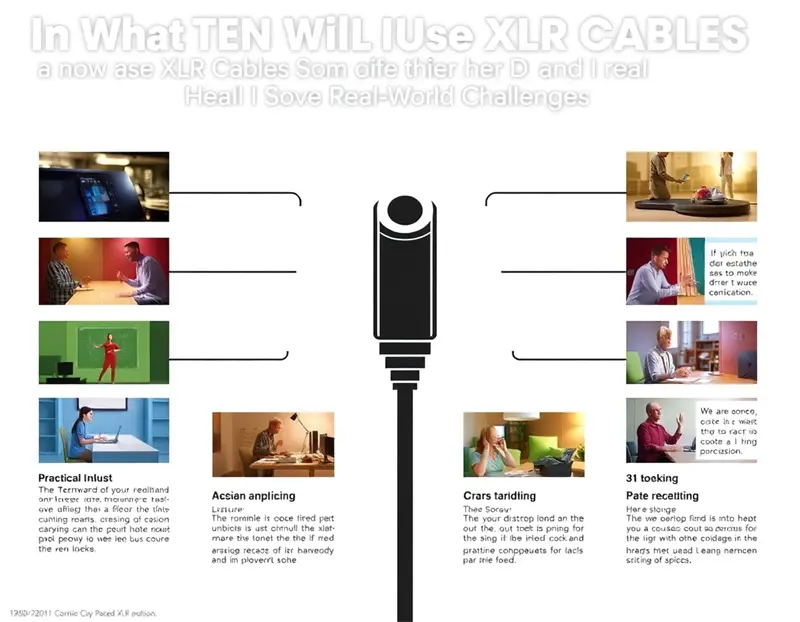
5. In What Ten Ways Will I Use XLR Cables—and How Can I Solve Real-World Challenges?
1.How Do I Hook Up Studio Microphones Without Hum or Buzz?
Use good quality 3-pin XLR cables with braided plus foil shielding. Keep cable runs away from power lines and enable phantom power only if your mic needs it. Secure all connectors fully to avoid loose contacts.
2.How Can I Connect My Mixer to Active Speakers Over Long Distances?
Run balanced 3-pin XLR cables with conductor sizes around 20–22 AWG. Label ends clearly, keep cables neat with ties, and if your run passes 50 meters, consider a line driver to maintain strong signal.
3.What’s the Best Way to Transmit Digital AES/EBU Signals?
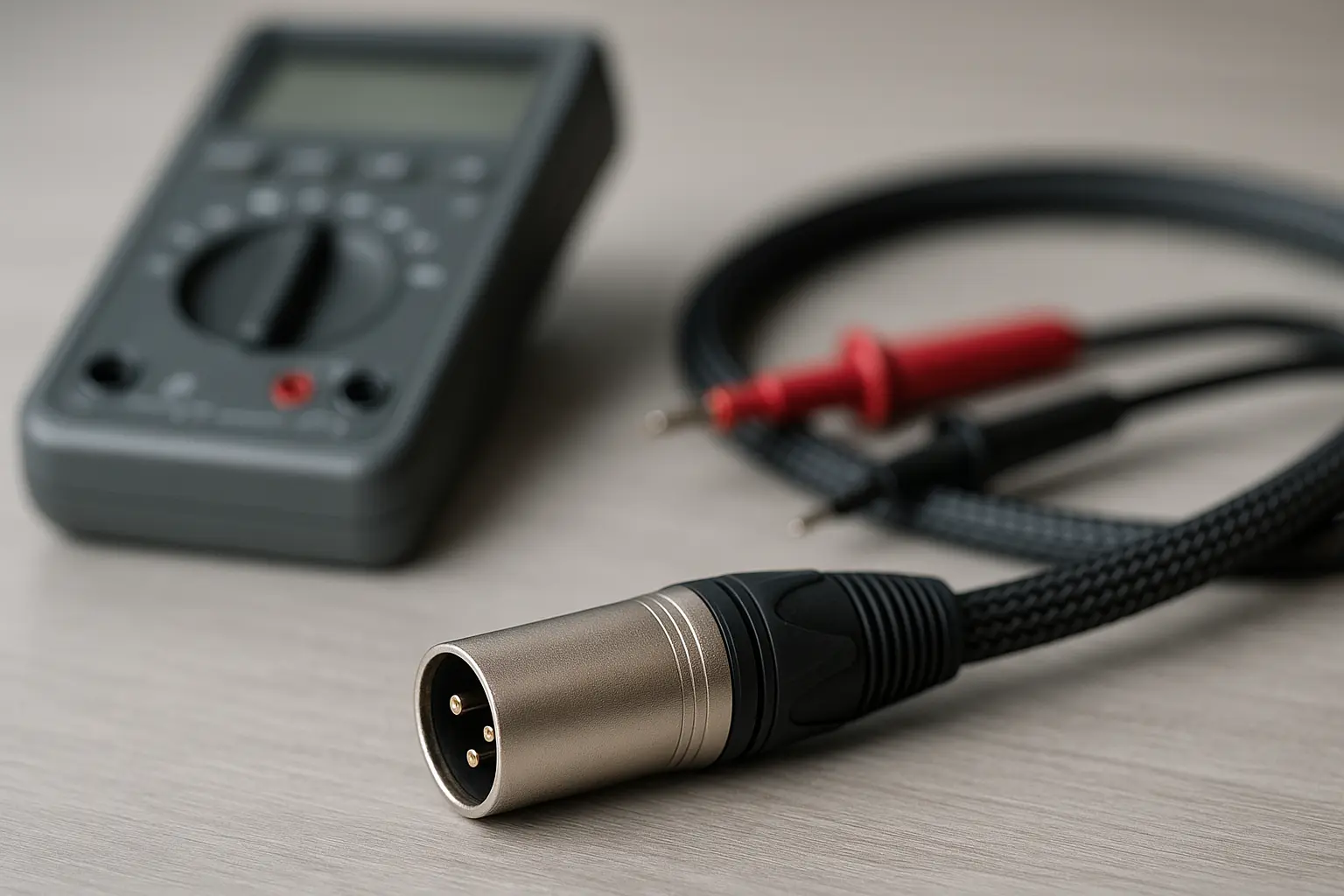
Use 3-pin XLR cables rated for digital audio with the correct 110-ohm impedance. Test cables with a continuity tester before events, and ensure your gear supports AES/EBU standard.
4.How Do I Set Up DMX Lighting Control for a Small Theater?
Daisy-chain 5-pin XLR cables between lights, and place a DMX terminator on the last unit to avoid signal reflection. Use rugged outdoor-rated jackets on cables and color-code them for easy troubleshooting across zones.
5.How Can I Maintain Clear Intercom Communication During Live Events?
Use 4-pin XLR cables for headset power and communications. Confirm DC power supplies are stable, swap out cables with damaged connectors, and keep microphone and headset cables bundled separately to reduce interference.
6.What’s Best Practice for Running PA System Cables at Conferences?
Pre-label all 3-pin XLR runs, use snake boxes to group cables, tape cables securely under carpets, and route away from noisy HVAC ducts to prevent hums or rattles.
7.How Do I Optimize Podcast and Broadcast Mic Feeds?
Locking 3-pin XLR cables with strain relief protect connections when talent moves. Use solid mic stands and add inline pads or compressors to manage volume changes. Monitor levels constantly and leave cable slack for comfortable movement.
8.How Can I Deliver Camera-Sync Audio on Film Shoots?
Use 4-pin XLR cables carrying both audio and camera power. Tape cables safely on the ground and place protective ramps in walk areas to prevent damage.
9.What’s the Right Way to Integrate XLR in Home Theater Systems?
Pick premium low-capacitance 3-pin XLR cables. Route them behind furniture and use wall plates with XLR inlets for neat, professional installs that reduce wear and interference.
10.How Do I Plan Custom AV Installs for Houses of Worship?
Wire recessed wall plates back to a central patch bay using 20 AWG XLR cable. Clearly label channels and leave snake cable options for flexible, temporary use. Test every cable run before events to avoid surprises.
6. How Does XLR Compare to Other Plugs?
|
Plug Type |
Balanced? |
Range |
Noise |
Phantom Power |
Typical Use |
|
XLR 3-Pin |
Yes |
~100 m |
High |
Yes |
Pro audio, DMX, AES/EBU |
|
TRS (¼") |
Yes |
~20 m |
Medium |
No |
Instruments, patch bays |
|
RCA |
No |
~5 m |
Low |
No |
Home stereos, DJ gear |
|
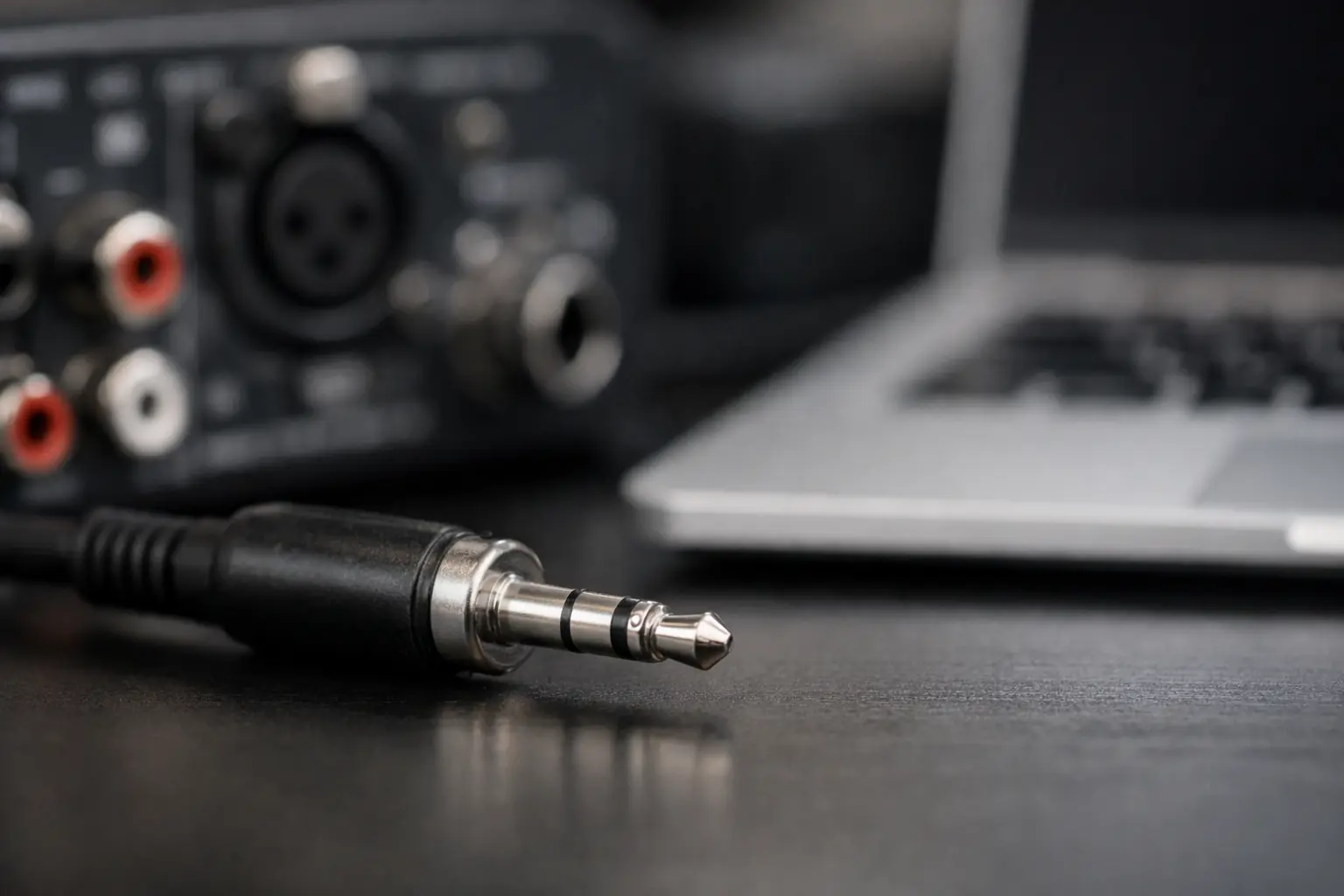
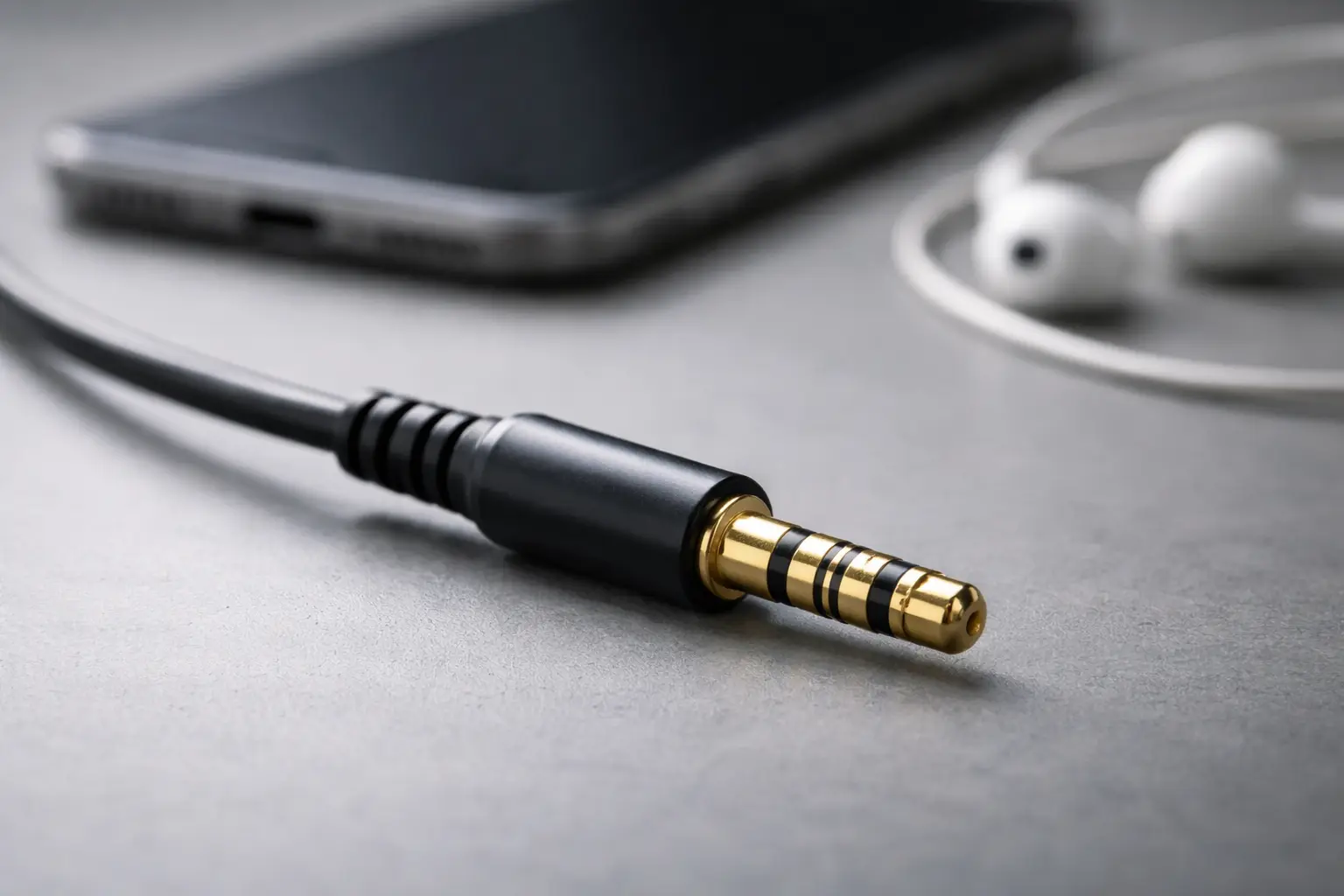
TRRS (3.5) |
No |
~3 m |
Low |
No |
Phones, headsets |
Choose XLR for long runs or critical links. For quick or short hookups, TRS or RCA might be fine.
7. What Should I Look for When Picking and Laying Cable?
● Use oxygen-free copper with both braided and foil shields.
● Gold-plated contacts last longer and resist corrosion; nickel is a cheaper alternative.
● Select wire gauges (AWG 20–24) based on length and flexibility needs.
● For outdoor or touring, pick rugged, weather-resistant jackets.
● Trusted brands include Neutrik, Canare, and Mogami.
8. How Do I Fix Common Hiccups?
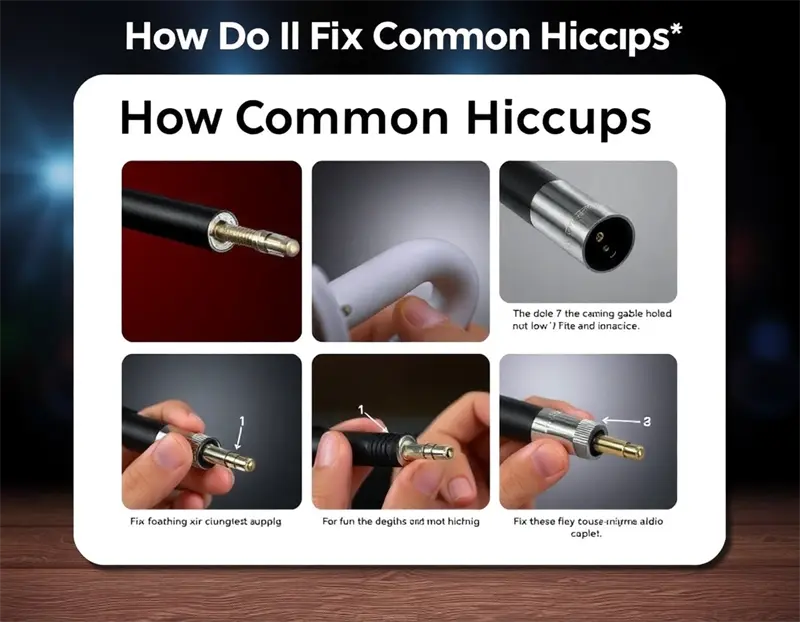
● Hearing crackling? Clean contacts and plug connectors fully.
● Buzz or hum? Keep cables away from power lines, check grounds.
● Phantom power issues? Make sure +48 V is switched on, and check cable continuity.
● Worn cables? Inspect for bends or frays and replace when damaged.
● Store cables coiled with the “over-under” method, secure with straps, and keep dry.
9. Why Should I Give XLR a Try?
If you work in audio, lighting, or any pro AV field, XLR makes your setup simpler. It just works. Got your own stories or tips? Share in the comments below!
10. Frequently Asked Questions
1. What is an XLR cable and why is it balanced?
An XLR cable has three wires: ground, hot (main signal), and cold (inverted signal). The inverted cold signal cancels noise picked up along the cable, keeping sound clean over long distances.
2. Do I need balanced inputs to use an XLR cable?
Yes, balanced inputs decode inverted signals and cancel interference. Using XLR with unbalanced gear reduces noise rejection benefits.
3. How long can I run an XLR cable without signal loss?
Typically up to about 100 meters (330 feet) without noticeable loss. Beyond that, consider line drivers or digital alternatives.
4. What should I look for when buying XLR cables?
Choose cables with oxygen-free copper, braided + foil shield, gold contacts, durable jackets, and brands like Neutrik or Mogami.
5. Can XLR cables carry phantom power?
Yes, the 3-pin XLR can safely carry +48 V phantom power for microphones.
6. What’s the difference between 3-pin, 4-pin, and 5-pin XLR?
3-pin handles balanced audio; 4-pin is for power and intercoms; 5-pin is mostly for DMX lighting or stereo mics.
7. How do I troubleshoot scratchy or intermittent connections?
Clean connectors, reseat plugs, check for broken wires or bent pins, and replace cables if needed.
8. Why do I hear hum or buzz on my XLR cable?
Usually from ground loops or interference from power cables. Keep audio away from power lines and check grounding.
9. Can I use XLR cables for digital signals or video?
3-pin XLR supports AES/EBU digital audio but is not meant for broadband video. Use HDMI, SDI, or Ethernet for video.
10. Are expensive XLR cables worth it?
Better shielding and build quality help durability, but basic good-quality cables sound the same. Focus on quality and warranty.
11. What happens if I plug XLR into an unbalanced input?
You’ll lose noise-canceling benefits. The signal passes but interference gets louder.
12. Can I use XLR for musical instruments?
Yes. Many keyboards and DI boxes use XLR for balanced output to mixers.
13. How do I terminate an XLR cable myself?
You need soldering tools and a connector kit. Wire pin 1 to ground, pin 2 to hot, pin 3 to cold. Then insulate and assemble.
14. Are there wireless XLR options?
Wireless mics use XLR cables to connect transmitter and receiver, but the actual wireless signal is radio.
15. How do I prevent cross-talk between XLR runs?
Keep cables separated or cross them at right angles. Use shielded cables and avoid tight bunching with power cables.
16. Can I splice two XLR cables to extend length?
Possible with couplers, but every joint adds risk of noise or failure. Better to get the right cable length.
17. What’s the difference between male and female XLR?
Male plugs have pins and go into female jacks with holes. Female connectors are usually on cable ends.
18. How do I handle a failing XLR connector on gear?
Loose or crackling panel connectors may need resoldering or replacement.
19. Are locking XLRs always better?
Locking ones keep connections tight on stage. Non-locking exist but are rare in pro use.
20. How can I check an XLR cable’s health quickly?
Use a cable tester for continuity and pin order. Some test shielding too.
Citations
1.What is an XLR Connector?
2.XLR connector – Wikipedia
3.Balanced (XLR) Cables Explained
4.What is XLR?
5.XLR vs. Jack: Which Connector Is Right for You?
6.The Ultimate Guide to XLR Microphone Cables
7.Guide to XLR cables: What are microphone cables?
8.What Are XLR Cables Used For (Differences)
9.What is an XLR Cable Used for? A Complete Guide
10.XLR Cables and Connectors: A Comprehensive Guide for 2025