





What is a 3.5mm Jack?
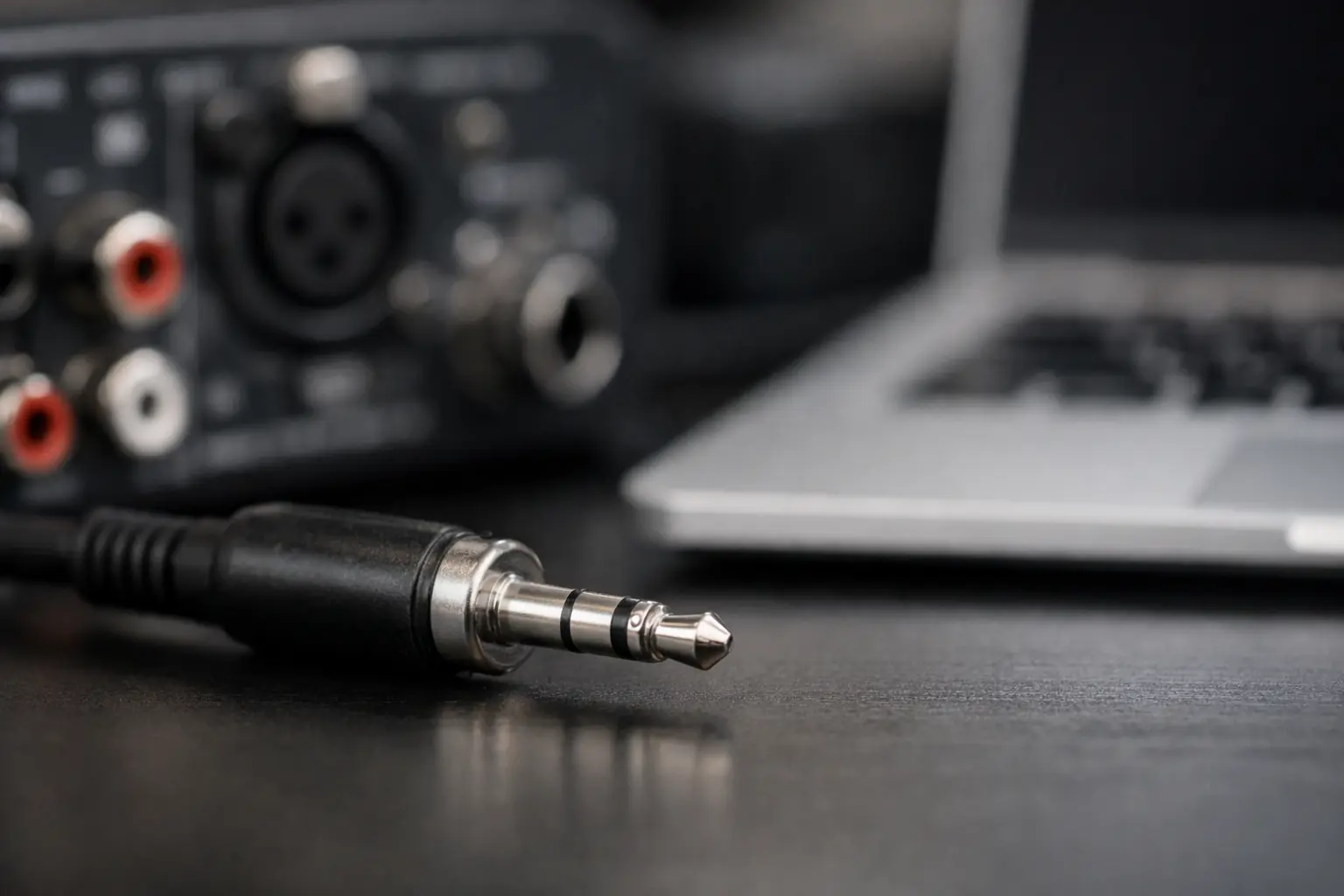
The 3.5mm jack—also called the headphone jack or aux input—is the little round port most of us grew up using for headphones. You’ve seen it on Walkmans, MP3 players, computers, car stereos, and of course, smartphones. For decades, it was the default way we connected our music to our ears.
But things have changed. Many modern phones have dropped the jack in favor of USB-C, Lightning, or wireless audio. Still, the 3.5mm jack refuses to disappear, and for good reason: it’s simple, universal, and it just works.
A Little History

The story of the headphone jack goes back more than a century.
- Early telephone days:In the late 1800s, telephone operators used large 35mm jacks (about the size of a guitar cable) to connect calls on switchboards.
- 1960s miniaturization:As technology got smaller, engineers shrunk the jack down to 5mm for portable transistor radios and tape players.
- 1980s boom:Sony’s Walkman made the 3.5mm jack a household item. Suddenly, people could take their music everywhere.
- 2000s digital music:iPods and MP3 players kept the tradition alive, and the jack became a global standard.
- Smartphone era:For a while, every phone had a headphone jack. Until 2016, when Apple removed it from the iPhone 7, sparking a heated debate that still continues today.
So in a way, the 3.5mm jack is a piece of history that has survived multiple technology shifts.
TRS vs TRRS – The Rings That Matter

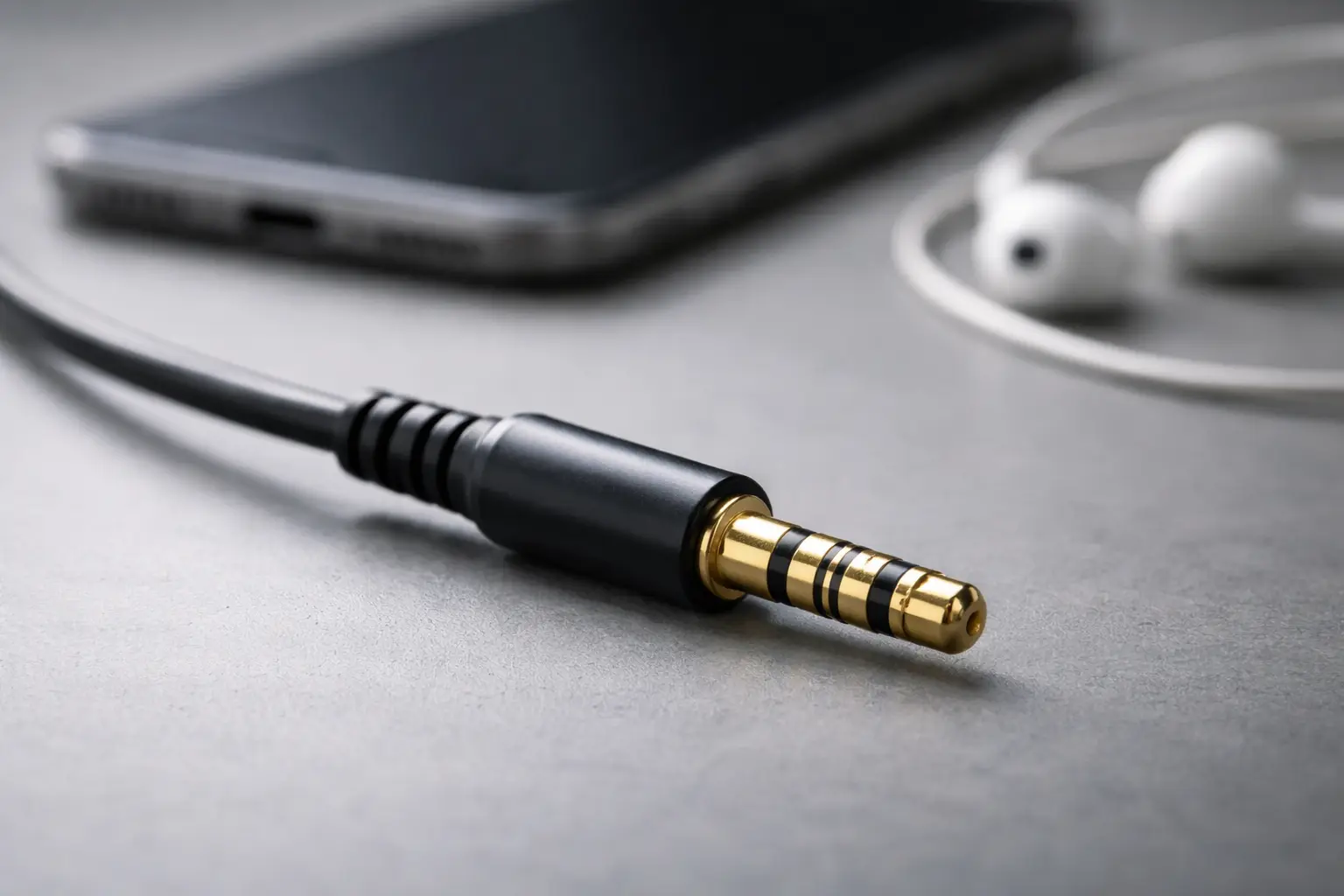
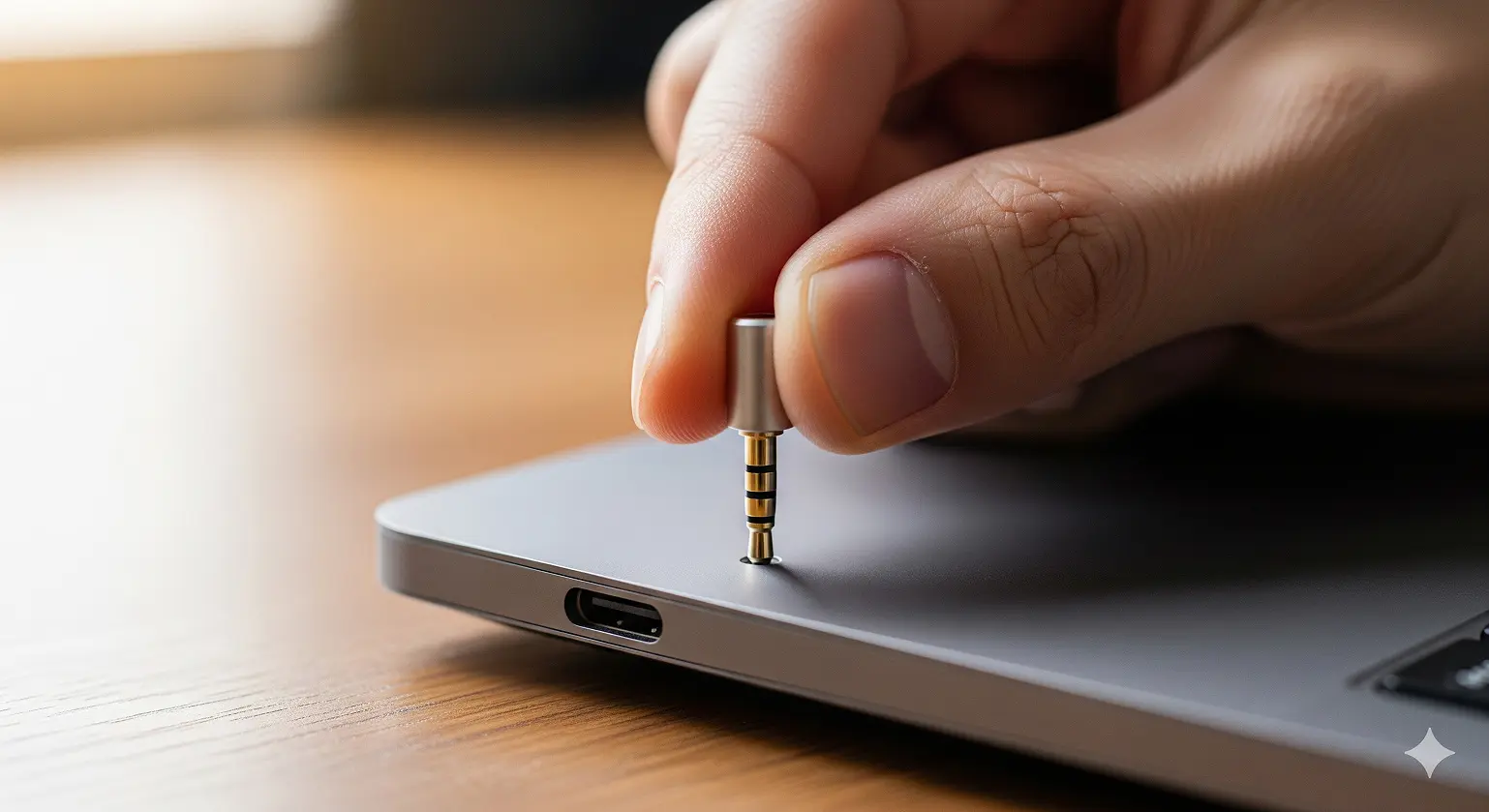
If you’ve ever looked closely at a headphone plug, you’ve probably noticed little black rings on the metal shaft. Those rings are not just decoration—they tell you how many channels the jack supports.
-
TRS (Tip-Ring-Sleeve):
- Has twoblack rings → three metal sections.
- Handles stereo sound(left + right).
- Common for standard wired headphones and speakers.
-
TRRS (Tip-Ring-Ring-Sleeve):
- Has threeblack rings → four metal sections.
- Supports stereo + microphone.
- Used for gaming headsets, smartphone earbuds with built-in mics, and laptops.
👉 A quick trick: if your headphones have a built-in mic or volume control, chances are it’s TRRS.
Where You’ll See It Every Day

The beauty of the 3.5mm jack is its universality. You can find it in:
- Headphones and earbuds– from budget models to high-end studio gear.
- Car stereos– the “AUX” input lets you connect any phone or MP3 player.
- Speakers and soundbars– especially portable ones.
- Computers and laptops– usually one jack for headphones, another for mic input.
- Gaming gear– controllers like PlayStation and Xbox include it for headsets.
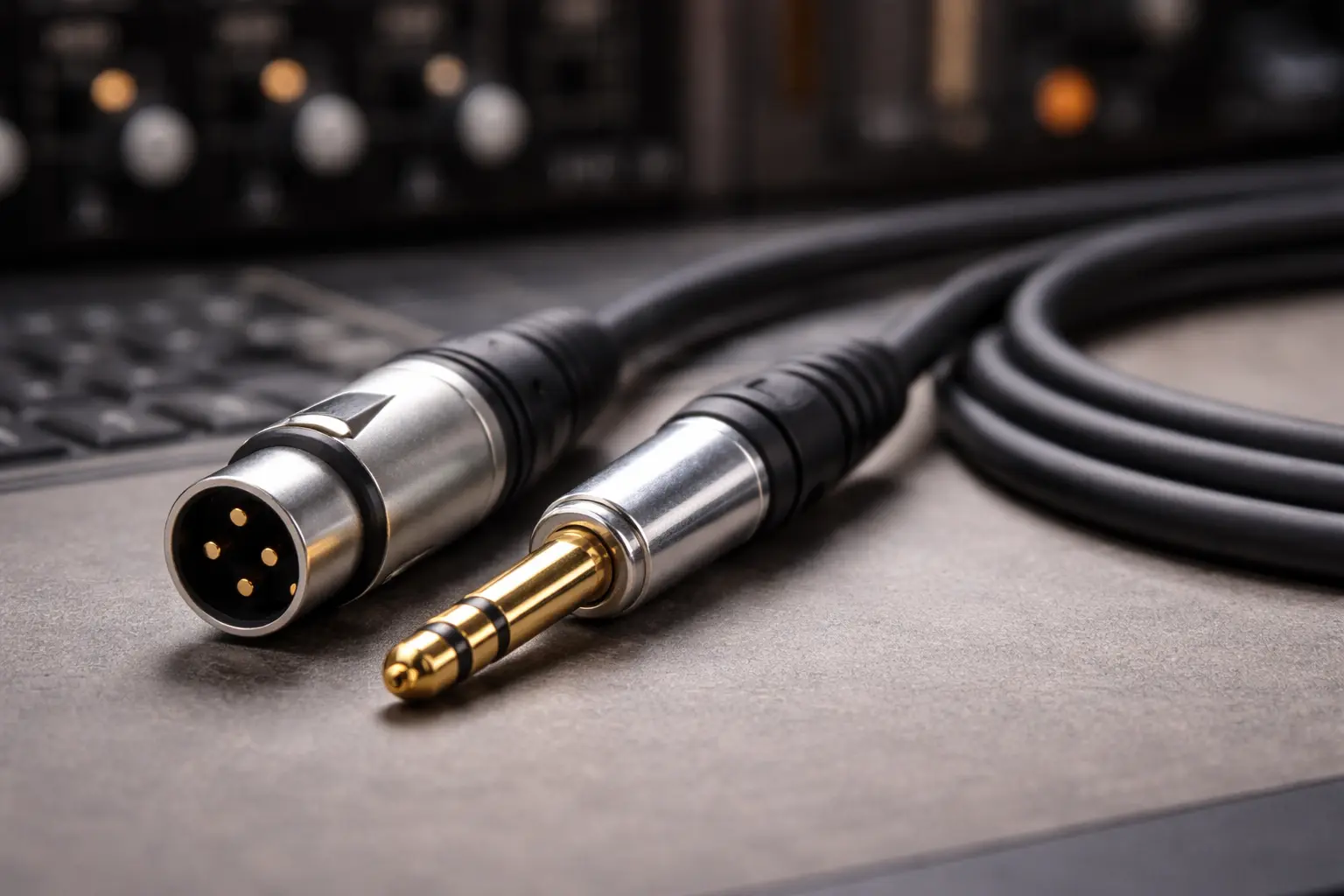
- Music equipment– mixers, audio interfaces, and instruments often rely on it.
Even if smartphones are moving away from it, the jack is still everywhere else.
Why Some Devices Dropped the Jack
Apple’s decision to remove the headphone jack in 2016 sparked a lot of controversy. The company claimed it was about courage—but the real reasons were more practical:
- Saving spacefor bigger batteries and new features like haptic engines.
- Better water resistance, since one less hole means fewer ways for water to get in.
- Encouraging wireless audio, which also happens to boost sales of AirPods.
- Simplifying design—one port (USB-C or Lightning) can handle charging, data, and audio.
Other brands followed suit. Google dropped the jack on Pixel phones. Samsung resisted for a while but eventually gave in too.
Still, not everyone is happy about it. Many people feel wireless isn’t always a perfect replacement.
The Pros and Cons of the 3.5mm Jack
Like any technology, the jack has its strengths and weaknesses.
👍 Why people still love it:
- Works instantly—just plug in.
- No need for charging headphones.
- No audio compression—wired sound is usually cleaner.
- Universal—works across phones, laptops, cars, and more.
- Cheap—wired headphones are much less expensive than wireless ones.
👎 Downsides compared to new tech:
- Takes up space inside slim devices.
- Can wear out after years of plugging and unplugging.
- Not water resistant.
- Doesn’t support advanced digital features like active noise cancellation without extra hardware.
So while it’s not perfect, many users prefer the trade-offs of wired connections.
What Replaced It?
For devices that ditched the jack, there are a few alternatives:
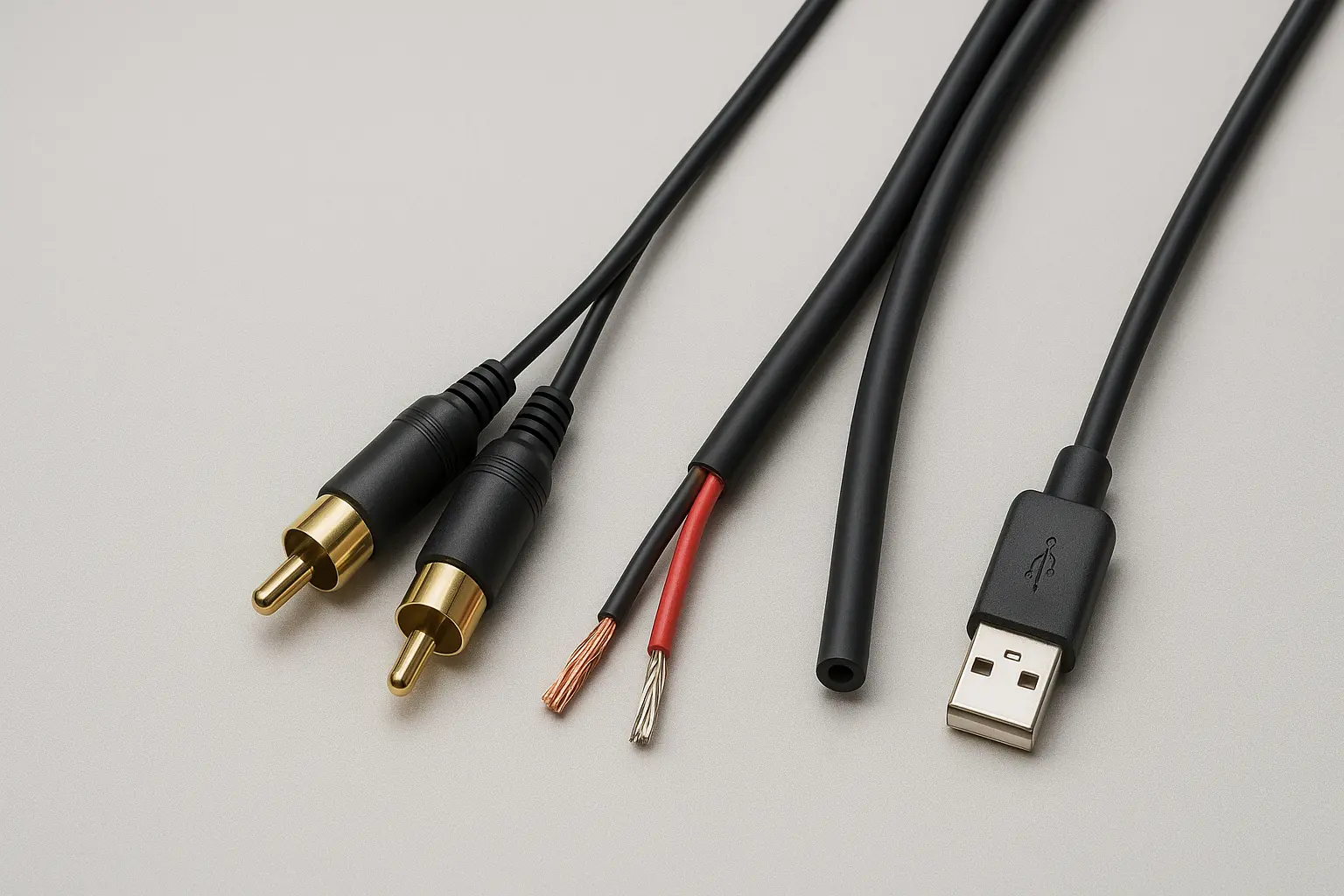
- USB-C audio (Android):Delivers digital sound, but not all adapters work the same way.
- Lightning audio (Apple):Similar, but exclusive to iPhones and iPads.
- Bluetooth / wireless headphones:Convenient and cable-free, but quality depends on the codec (SBC, AAC, aptX, LDAC). And yes—you have to charge them.
- Adapters (“dongles”):Not glamorous, but effective. A small USB-C or Lightning to 3.5mm adapter lets you keep using your old headphones.
Wireless may be the trend, but many audiophiles argue that wired is still king when it comes to sound quality.
Everyday Scenarios

To make it more real, here are a few common situations where the jack still shines:
- On a plane:Wireless headphones often run into latency or connection issues with airplane screens. A simple 3.5mm jack just works.
- In the studio:Musicians and sound engineers rely on wired connections for zero-latency monitoring.
- In the car:Aux connections remain the easiest way to hook up an old iPod or music player.
- At home:If your Bluetooth headphones run out of battery, a 3.5mm cable can save the day.
FAQs
Q1: Is the 3.5mm jack the same as aux?
Yes, “aux” usually refers to a 3.5mm input. It just means “auxiliary,” or extra, input for audio devices.
Q2: Why did phones remove the jack?
Mostly to save space, improve water resistance, and encourage wireless headphones.
Q3: Is wired audio really better?
Generally, yes. Wired avoids compression and latency. But good wireless headphones can get very close in quality.
Q4: Can I still use my old headphones?
Absolutely. You’ll just need a cheap adapter if your device doesn’t have a jack.
Q5: What’s the difference between TRS and TRRS?
TRS handles stereo only. TRRS adds a microphone channel.
Q6: Will the 3.5mm jack disappear completely?
Unlikely. Even if phones move away from it, the jack is still essential for audio equipment, gaming, and professional gear.
Final Thoughts
The 3.5mm jack may not be the star of modern smartphones anymore, but it’s far from obsolete. It remains a trusted, universal, and affordable way to connect headphones, speakers, and microphones.
Wireless might dominate the future, but the jack still has a strong place in the present. Whether you’re listening to music, gaming, recording, or just plugging into your car stereo, the 3.5mm jack is proof that sometimes, the simplest tech is the most lasting.