



What Is a Balanced Cable? A Simple Guide to Cleaner Audio Connections
Key Takeaways:
- Balanced cables have three wires that help reduce noise and interference.
- They carry the same audio signal on two wires but with opposite polarity.
- A third wire acts as a shield to block unwanted noise.
- Balanced cables are common in professional microphones, mixers, and studios.
- They let you run cables longer without losing sound quality.
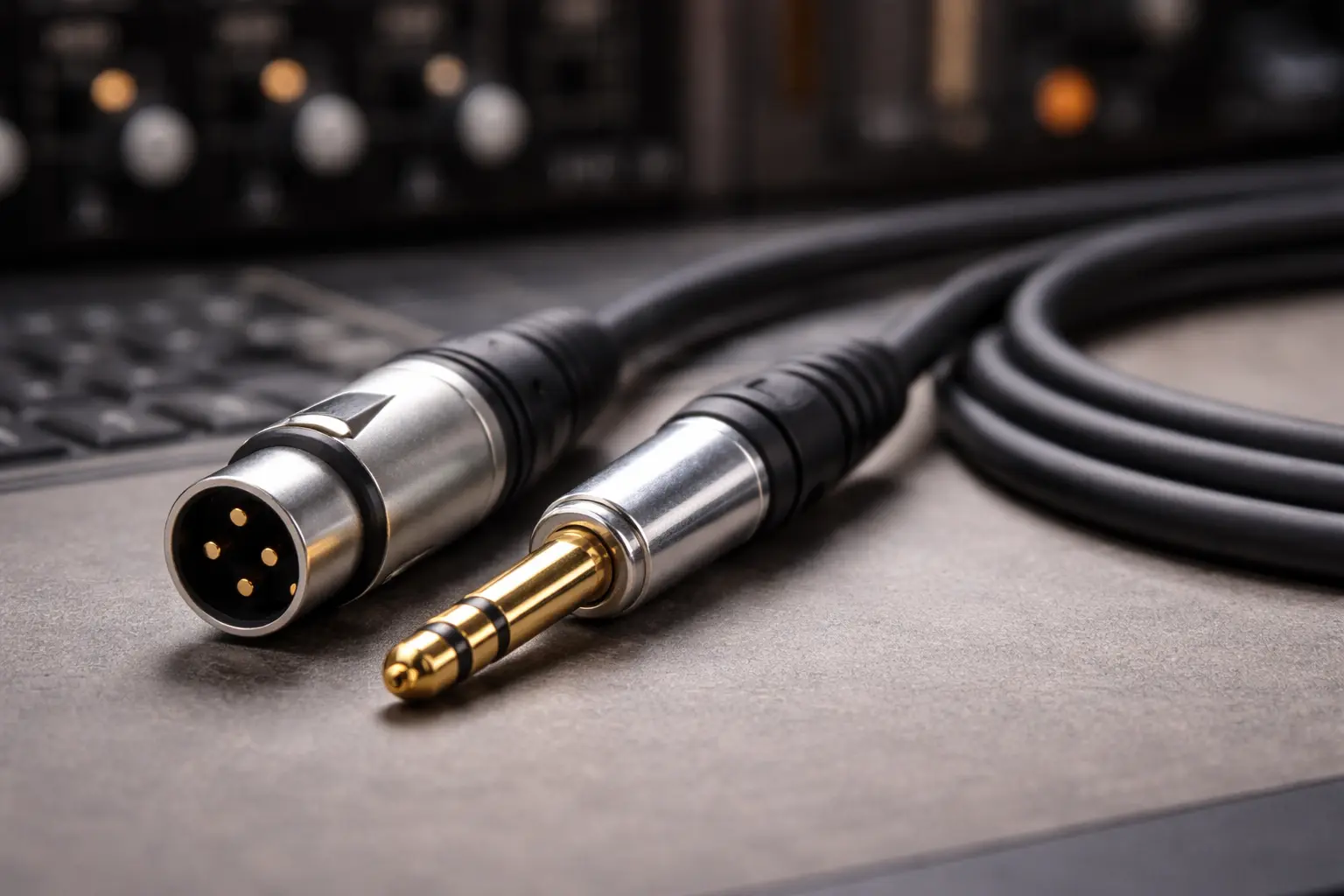
- XLR and TRS are the usual connectors for balanced cables.
- They also carry phantom power, which some microphones need.
If you’ve ever wondered why some audio cables cost more or why studio setups use certain types of cables, balanced cables are a big part of the answer. They help keep your sound clear and free from interference. Let’s take a look at what makes balanced cables work, why they matter, and where to use them.
What Makes a Cable Balanced?
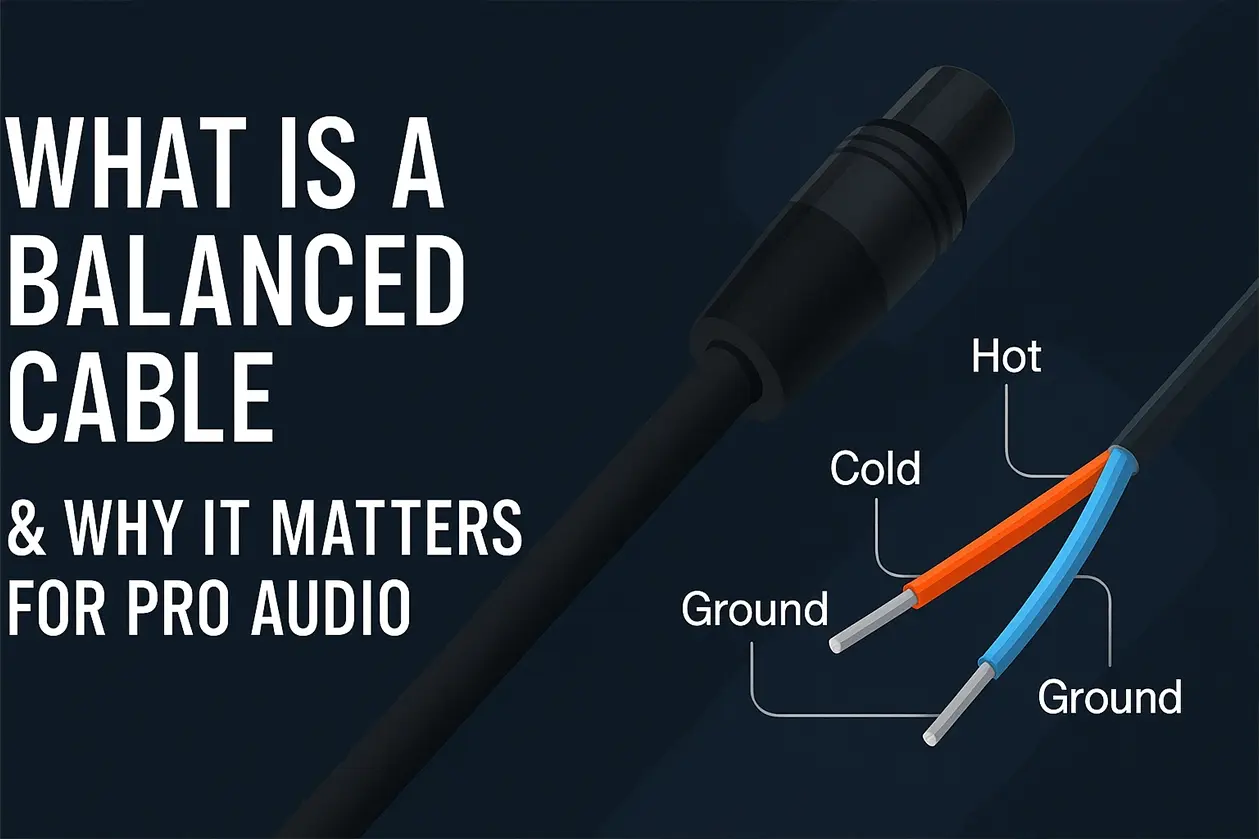
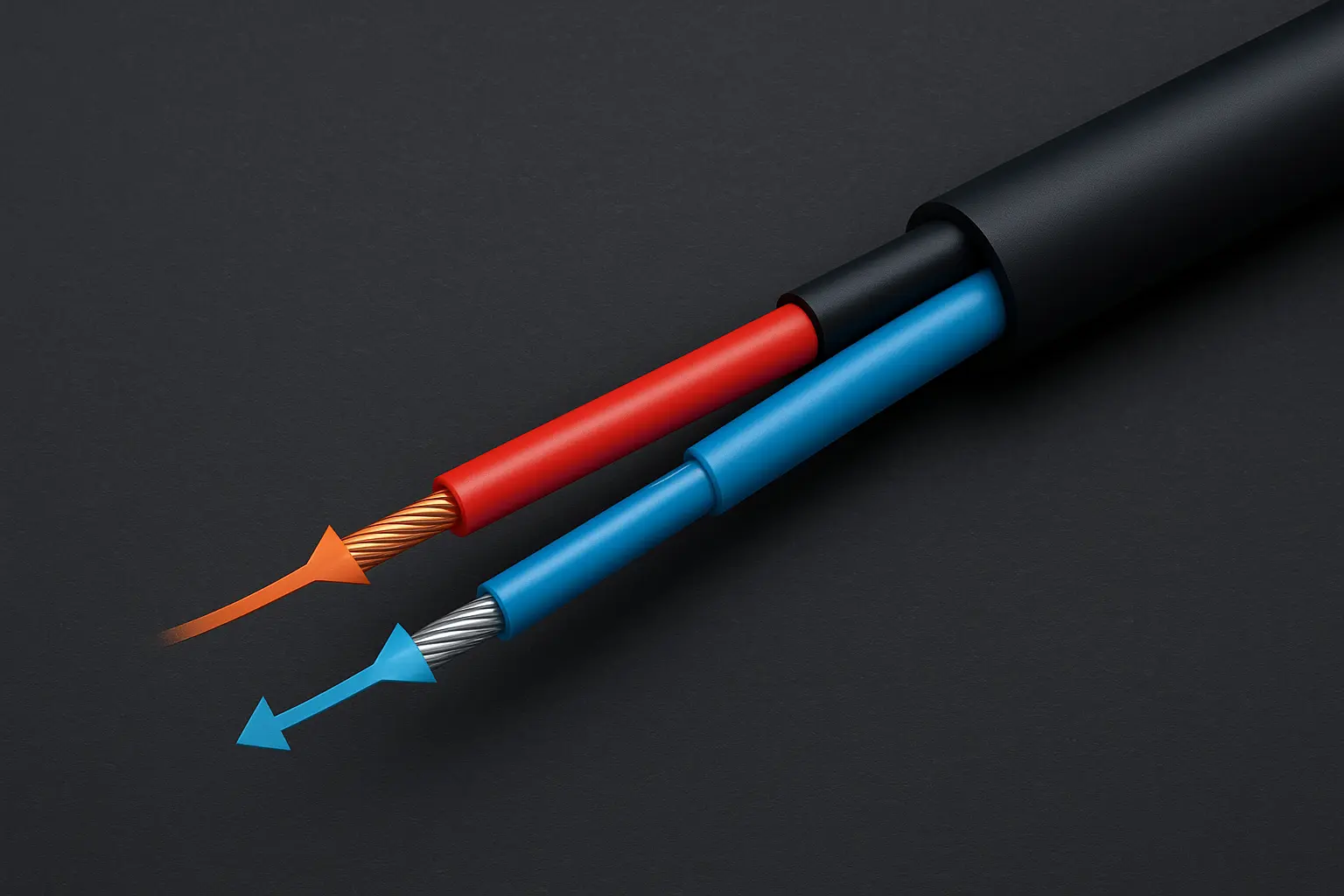
A balanced cable is different from a regular audio cable because it uses three separate wires inside:
- Hot wire:This carries the original audio signal.
- Cold wire:This carries the exact same signal but flipped upside down (opposite polarity).
- Ground wire:This one acts like a shield, blocking noise from outside sources.
When you send sound through the hot and cold wires, any noise or interference picked up along the way affects both wires the same way. When the signal reaches your audio gear, an internal circuit compares the two wires and cancels out any noise that was added equally to both. This means the noise cancels itself out, and your audio stays clean and clear.
How Balanced Cables Stop Noise
Imagine two runners starting a race: one runs forward, the other runs backward, but both carry the same message. If both runners get caught in a rainstorm (noise), they both get equally wet. When they meet again, they compare notes, ignoring the rain damage because it was the same for both. That’s how balanced cables keep noise from ruining your sound.
The ground wire wrapped around the other two also helps block radio waves and electrical interference, like a barrier.
Common Balanced Connectors
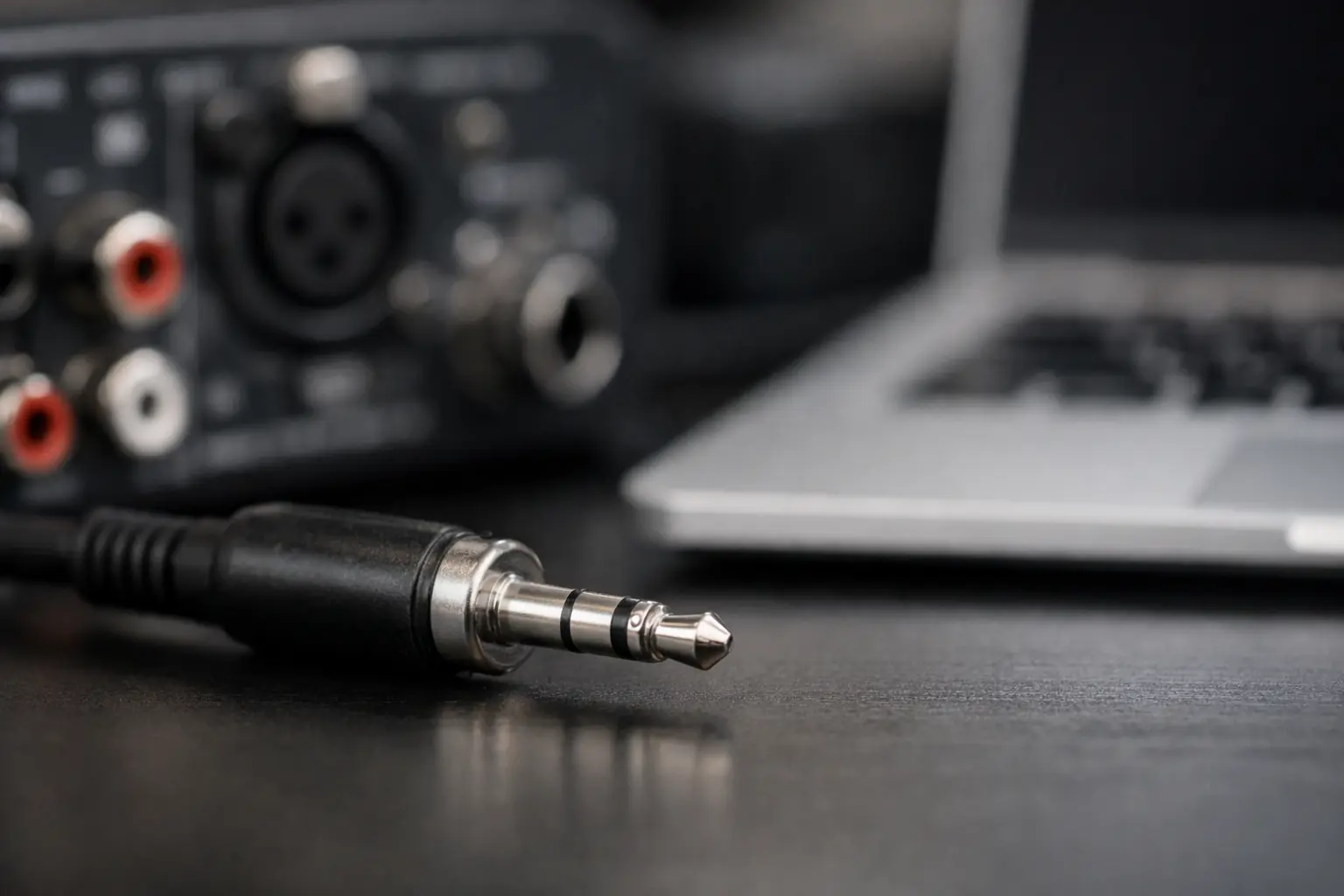
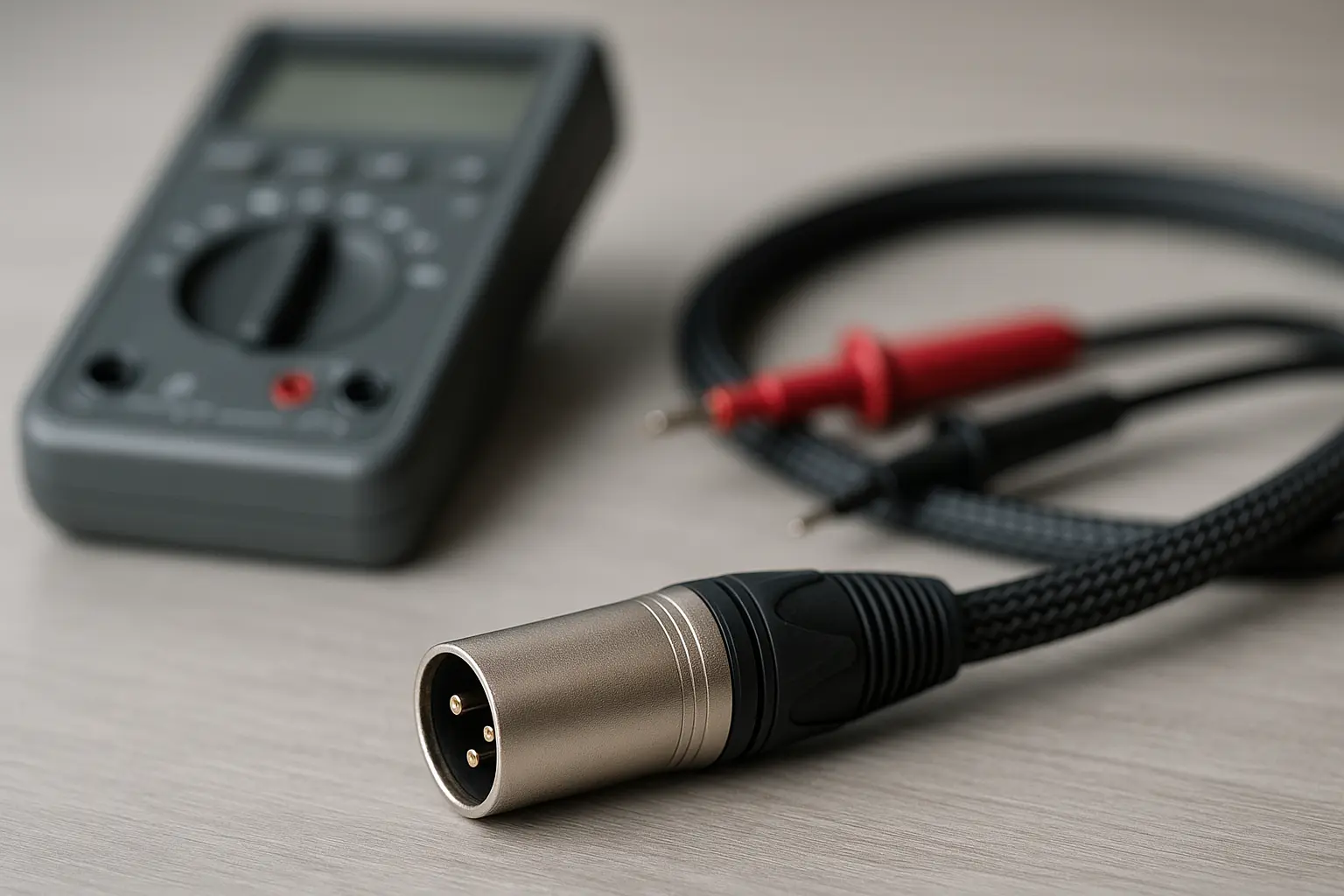
- XLR (3-pin):You’ll find these on microphones and professional sound gear. The pins carry hot, cold, and ground signals.
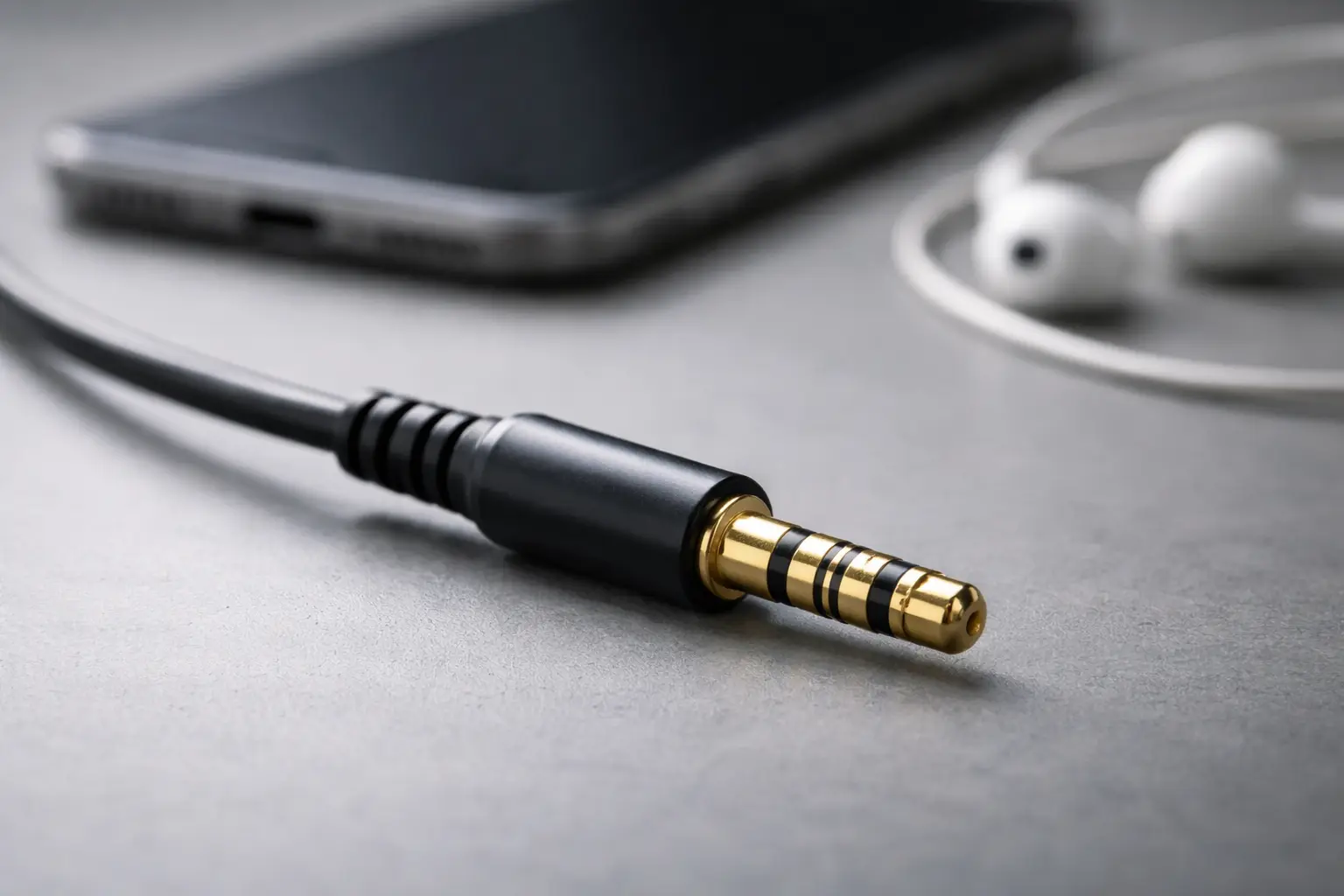
- TRS (Tip-Ring-Sleeve, ¼ inch or ⅛ inch):These look like regular headphone plugs but can carry balanced audio when wired correctly.
Why Use Balanced Cables?
Better Noise Rejection
Balanced cables are great at fighting hums, buzzes, and other electrical noises, especially in places where many devices run at once. This makes a big difference when you’re working in studios, concert halls, or anywhere with a lot of electronics.
Longer Cable Runs
Because balanced cables block noise so well, you can safely run them over 100 feet without losing sound quality. In comparison, unbalanced cables usually start picking up noise after 20-25 feet.
Keeps Your Sound Clean
Whether you’re connecting a mic to a mixer or working with professional audio gear, balanced cables protect your sound, so it stays clear even in challenging environments.
Balanced vs. Unbalanced Cables: What’s the Difference?
- Unbalanced cableshave two wires: a signal and a ground. They’re fine for short distances but pick up more noise over longer lengths.
- Balanced cableshave three wires and use the special noise-canceling trick described above. They work better over longer distances and in noisier places.
If you’re moving sound within 10 feet around your home, unbalanced cables can do the job. But in bigger setups, balanced cables are usually the way to go.
Where Balanced Cables Are Most Useful
- Recording studios:Keeping mic signals clean when connected over longer distances.
- Live concerts:Running microphone cables across stages filled with lights and other gear.
- Broadcasting and streaming:Making sure the audio coming from the field is free from noise.
Helpful Tips for Everyday Use
For Home Studios
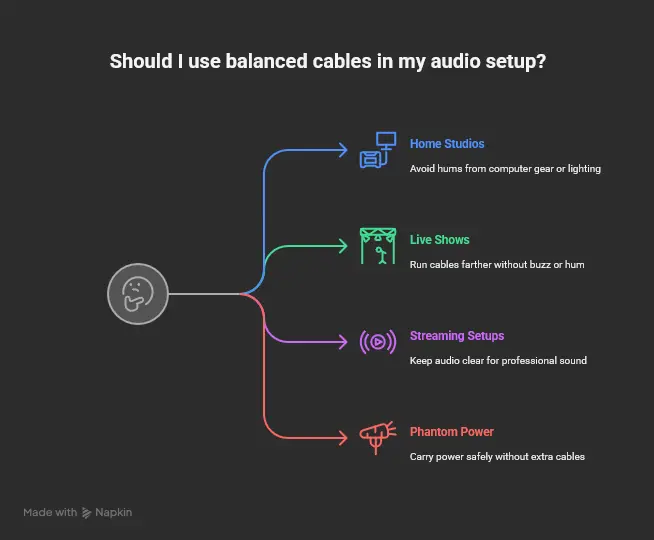
Use balanced cables to connect microphones and monitors whenever you can. Even if your room isn’t noisy, balanced cables help avoid hums from computer gear or lighting.
For Live Shows
Always run balanced cables for microphones and line-level instruments. This lets you run cables farther without worrying about buzz or hum.
Streaming Setups
Balanced cables keep audio clear when you connect mixers and microphones to your recording or streaming devices. Noise-free sound keeps your audience happy and sounding professional.
Phantom Power Made Easy
Many condenser microphones need something called phantom power. Balanced cables carry this power along with the audio signal safely using the hot and cold wires without interference. This means you don’t need extra power cables cluttering your setup.
Choosing the Right Balanced Cable
When picking balanced cables, look for good construction:
- Twisted pair wires to make sure both signals pick up the same noise.
- Proper shielding to keep out interference.
- Quality connectors (XLR or TRS) that fit your equipment well.
Cables with these features will last longer and keep your sound clean.
Common Problems and Fixes
- Mistyped connectors:Make sure to wire your XLRs or TRS connectors correctly. Pin 1 = ground, Pin 2 = hot, Pin 3 = cold.
- Long cable runs with bad cables:Cheap cables or bad connectors can hurt your sound even if the cable is balanced.
- Putting balanced and unbalanced gear together:You might lose noise protection if your devices are mismatched.
- Ground loops:Even with balanced cables, if your equipment isn’t grounded right, you could still hear hums. Proper setup helps fix this.
Frequently Asked Questions
-
Are balanced cables worth it for home use?
Yes, especially for longer runs or noisy environments. -
Can you use balanced cables with unbalanced gear?
Yes, but you won’t get the full noise-canceling benefits. -
What connectors are best for balanced cables?
XLRs for microphones; TRS for other equipment like mixers. -
Do balanced cables carry phantom power?
Yes, most do. -
How long can balanced cables be?
Over 100 feet for analog audio signals without much loss. -
What if my balanced cable doesn’t work?
Check wiring and connector pins first. -
Can I make my own balanced cables?
Yes, if you follow correct wiring and use good parts. -
Why do balanced cables cost more?
They have more wires, better shielding, and tougher connectors. -
What if I connect a balanced output to an unbalanced input?
It will work but with some loss of signal quality and noise protection. -
How do balanced cables reduce noise?
They carry the signal in two opposite wires so that any noise picked up cancels out at the receiving end.
Sources and Further Reading
-
Balanced audio - Wikipedia
- Balanced vs. Unbalanced Audio: What's The Difference? - BoxCast
- Balanced vs Unbalanced Audio - Aviom
- Balanced Audio Explained - Dot Esports
- Balanced Audio Connectors - HiFiBerry
- Balanced vs Unbalanced Connectors - Mackie
- Balanced Cables and Audio - IDC Online
- AES-EBU 110 Ohm Professional - Van den Hul
- Common-Mode Rejection Ratio (CMRR) - National Instruments
-
Balanced vs Unbalanced Audio for Streaming - Dacast