


What is a Snake Cable and Why Do You Need It
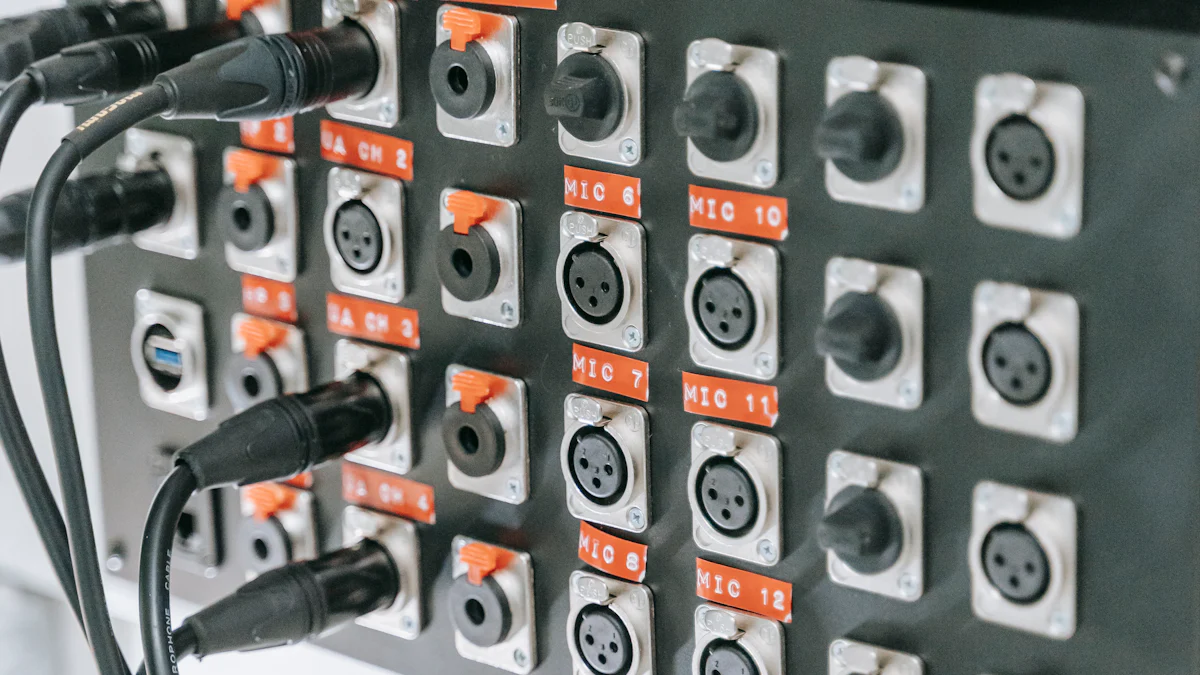
Have you ever looked at a pile of tangled audio cables and thought, "There’s got to be a better way"? That’s where a snake cable comes in. It’s like the superhero of audio setups, keeping everything neat and organized. With its multi-channel design, it simplifies connections and ensures your sound stays crystal clear. If you’re curious, check out more about it here: https://site_5615465d-0395-48c6-b01f-dc3d38213fc5/snake-cable/.
Key Takeaways
- Snake cables group many cables into one, cutting mess and saving time.
- They improve sound quality by reducing noise and keeping signals clear.
- These cables work well for concerts, studios, and broadcasts, easing audio setup.
Uses of a Snake Cable
Live Performances
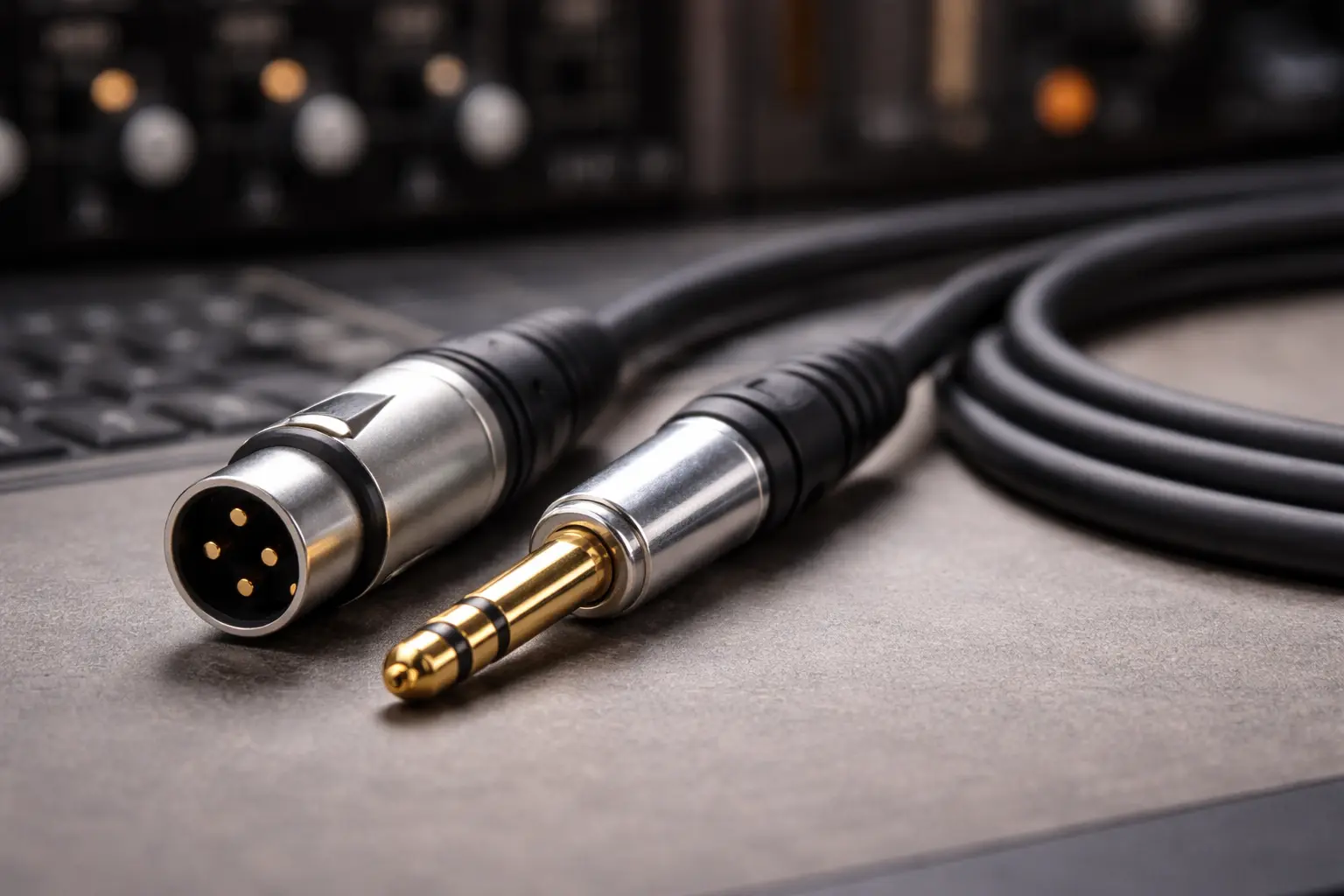
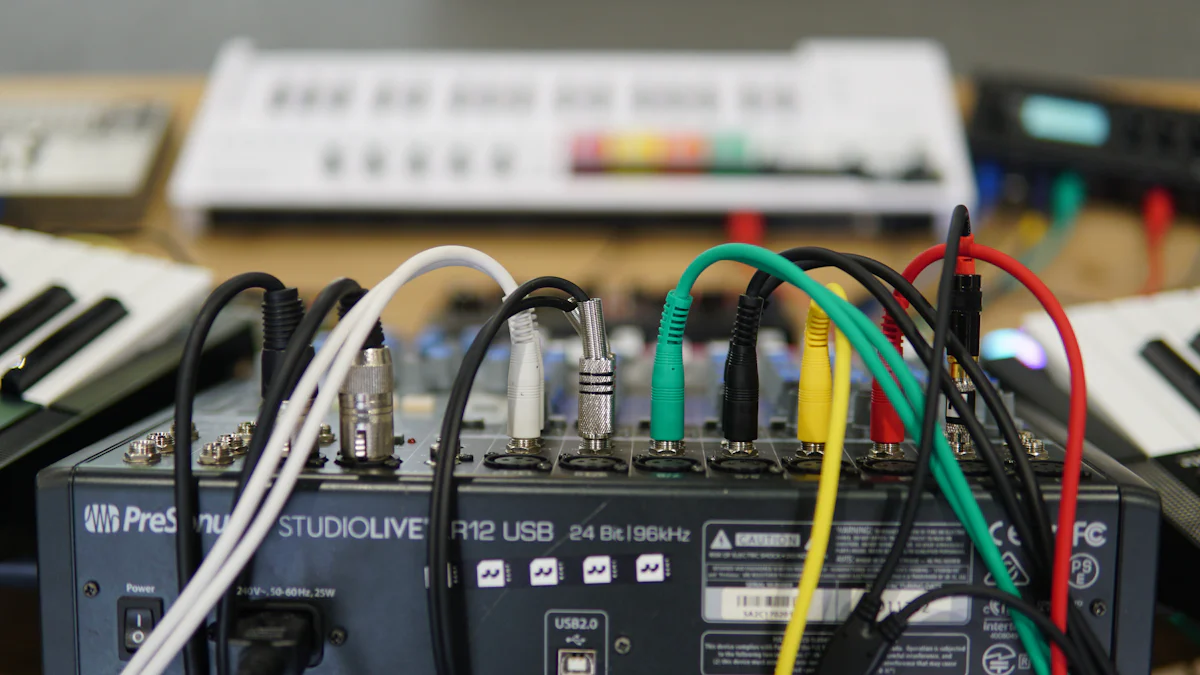
If you’ve ever been to a concert or live event, you’ve probably seen a snake cable in action without even realizing it. These cables are lifesavers for live sound production. Instead of running dozens of individual cables from microphones and instruments on stage to the mixing console, a single snake cable handles it all.
Here’s how it works:
- A snake cable bundles multiple audio lines into one organized sheath.
- It connects microphones and instruments on stage to the front-of-house mixing console.
- It reduces clutter, setup time, and even trip hazards.
Picture this: a stage snake with a box end for inputs, a middle section grouping the cables, and a fan end with outputs. It’s long enough—sometimes up to 100 feet—to handle even the largest stages. Whether it’s a rock concert or a theater production, this cable keeps everything neat and efficient.
Recording Studios
In the studio, snake cables are a game-changer. I’ve seen how they simplify connections and keep everything tidy. Instead of dealing with a mess of individual mic cables, you can use one snake cable to connect multiple microphones and instruments to the mixing console.
Why does this matter?
- It saves time during setup and teardown.
- It reduces clutter, making the studio look professional and organized.
- It protects against noise interference, ensuring clean audio signals.
With a snake cable, you’ll spend less time untangling wires and more time focusing on creativity.
Broadcasting and Media Production
Snake cables shine in broadcasting too. They’re built to handle the demands of live and remote recording environments. With multiple channels—sometimes up to 64—they can transmit several audio signals at once.
What makes them perfect for this?
- They’re durable yet flexible, so they can handle constant use.
- Each channel is labeled or color-coded, making setup quick and easy.
- They keep cabling organized, which is crucial in fast-paced media production.
Whether you’re working in a studio or on location, a snake cable ensures efficiency and high-quality audio.
Types of Snake Cables
When it comes to snake cables, there’s no one-size-fits-all solution. Different setups call for different types of cables, and knowing which one to use can make a world of difference. Let me walk you through the main types.
Analog Snake Cables
Analog snake cables are the classic choice. They’re made up of multiple individual cables bundled together inside a single jacket. This design keeps things organized and protected. You’ll often see these used in live sound setups to connect microphones and instruments to mixers.
Here’s why they’re still popular:
- They transmit analog audio signals, which are widely used in live and recording environments.
- They’re straightforward to use, making them ideal for beginners.
- They’re affordable compared to digital options.
However, analog signals can degrade over long distances, so they’re best for shorter runs.
Digital Snake Cables
Digital snake cables are the modern upgrade. Instead of traditional audio cables, they use high-speed ethernet cables to transmit digital signals. This makes them smaller, lighter, and easier to handle.
Why go digital?
- The signal doesn’t degrade over long distances, so you get crystal-clear audio.
- They’re space-efficient and often come with rack-mounted ends for easy organization.
- They’re perfect for complex setups, though they do have a steeper learning curve.
If you’re working with a digital audio network, this is the way to go.
Stage Box Snake Cables
Stage box snake cables are like the command center of your audio setup. They act as a hub where you can plug in multiple microphones and instruments.
The stage box connects everything on stage to the mixing console, keeping your setup centralized and tidy.
Here’s what makes them special:
- They combine multiple audio cables into one.
- They’re perfect for live sound, recording studios, and even broadcasting.
- They reduce clutter and make troubleshooting easier.
I’ve seen these in action during live shows, and they’re a lifesaver for sound engineers.
Custom Snake Cables
Sometimes, you need something tailor-made. Custom snake cables let you design a cable that fits your exact needs.
| Custom Snake Cable Type | Features |
|---|---|
| 12G HD SDI Snakes | Supports full HD signals up to 150ft, with various connector options. |
You can choose the number of channels, insulation type, and even the materials used. This flexibility makes them perfect for unique setups, whether in a studio or on stage.
No matter your audio needs, there’s a snake cable out there for you.
Benefits of Using a Snake Cable
Improved Organization and Reduced Clutter
I’ve always found cable clutter to be one of the biggest headaches in audio setups. Snake cables solve this problem beautifully. They bundle multiple individual audio cables into a single sheath, making everything look clean and professional.
"An audio snake is a multi-channel cable that carries audio signals from a mixing console to external devices, reducing the number of individual cables needed and improving signal integrity."
This design reduces the risk of tangled cables and makes setup much easier. Plus, it minimizes tripping hazards, which is a big deal during live events.
Enhanced Signal Integrity
Have you ever dealt with annoying hums or interference in your audio? Snake cables help with that too. By keeping audio cables close together, they reduce noise and interference.
- They minimize signal degradation over long distances.
- They prevent interference from other electronic equipment.
This means you get cleaner, more reliable audio signals, whether you’re in a studio or on stage.
Increased Efficiency in Setup and Teardown
Time is precious, especially during live events. Snake cables save so much time. Instead of running individual cables for every microphone and instrument, you can connect everything in minutes.
- They reduce the number of cables needed.
- They make the setup cleaner and more organized.
- Teardown becomes faster and less stressful.
I’ve seen how much easier this makes life for sound engineers.
Versatility Across Different Audio Applications
Snake cables are incredibly versatile. They work in live sound production, recording studios, broadcasting, and even theater productions.
- They simplify cable management by bundling multiple signals into one.
- They improve signal quality by reducing interference.
- They adapt to various setups, from small gigs to large-scale productions.
No matter the application, a snake cable is a reliable tool that makes audio management a breeze.
Snake cables make life so much easier for audio professionals. They keep setups organized, signals strong, and workflows efficient. Whether you’re managing a live performance, recording in a studio, or working in broadcasting, a snake cable simplifies everything. It’s a must-have tool that saves time and keeps things running smoothly.
FAQ
What’s the difference between analog and digital snake cables?
Analog snake cables transmit traditional audio signals, while digital ones use high-speed ethernet for clearer sound over long distances. I’d recommend digital for modern setups.
Can I use a snake cable for home audio systems?
Absolutely! Snake cables work great for home studios or multi-room audio setups. They keep everything organized and improve sound quality.
How do I choose the right snake cable?
Think about your setup. Need long-distance clarity? Go digital. Want simplicity? Analog works. For unique needs, custom cables are your best bet.
Tip: Always check the number of channels you’ll need before buying!