




What is a TRS Cable: A Clear Guide to This Common Audio Connector
Key Takeaways
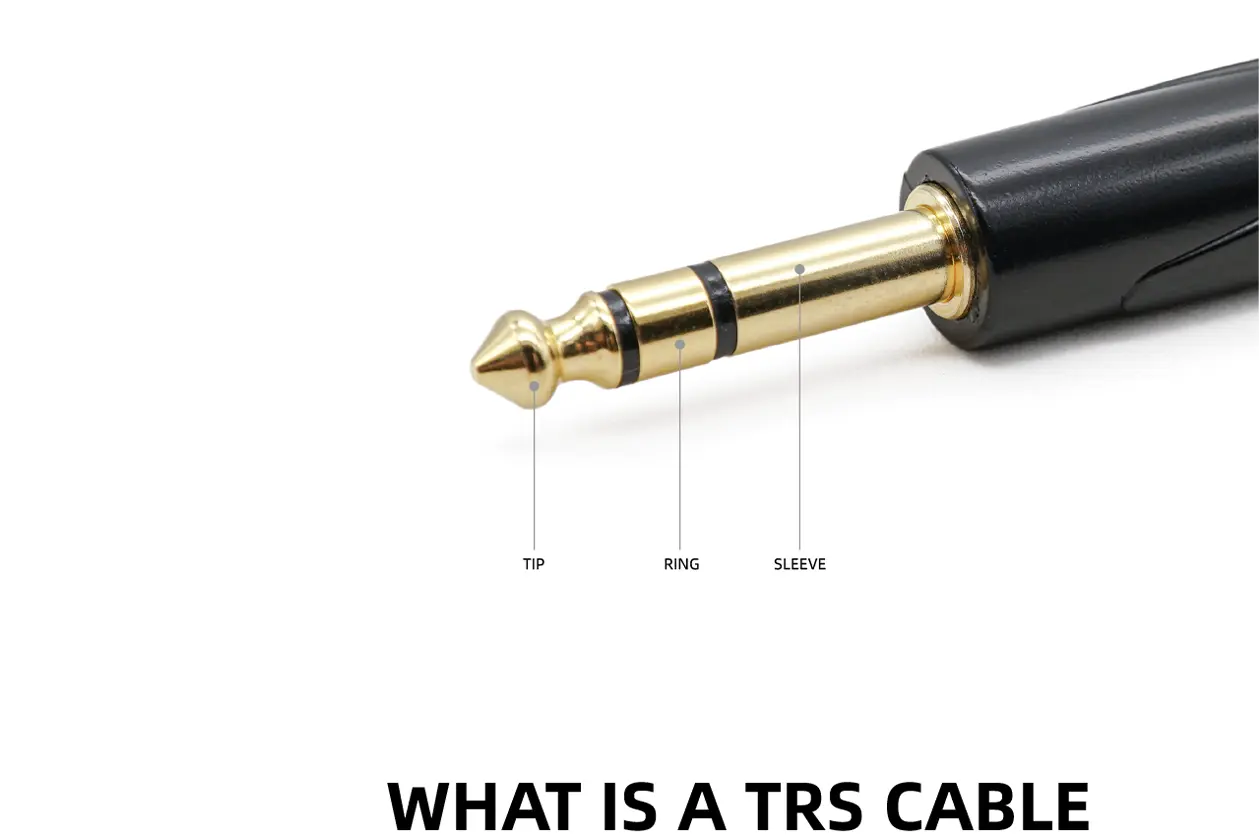
TRS means Tip-Ring-Sleeve, which are the three parts of the connector.
TRS cables can carry either stereo sound or a balanced mono signal.
Balanced connections with TRS reduce noise during signal transmission.
Common sizes are 1/4-inch (6.35mm) and 1/8-inch (3.5mm).
Used widely in headphones, studios, and live sound setups.
TRS cables offer more options than TS cables, which only carry unbalanced signals.
What Is a TRS Cable?
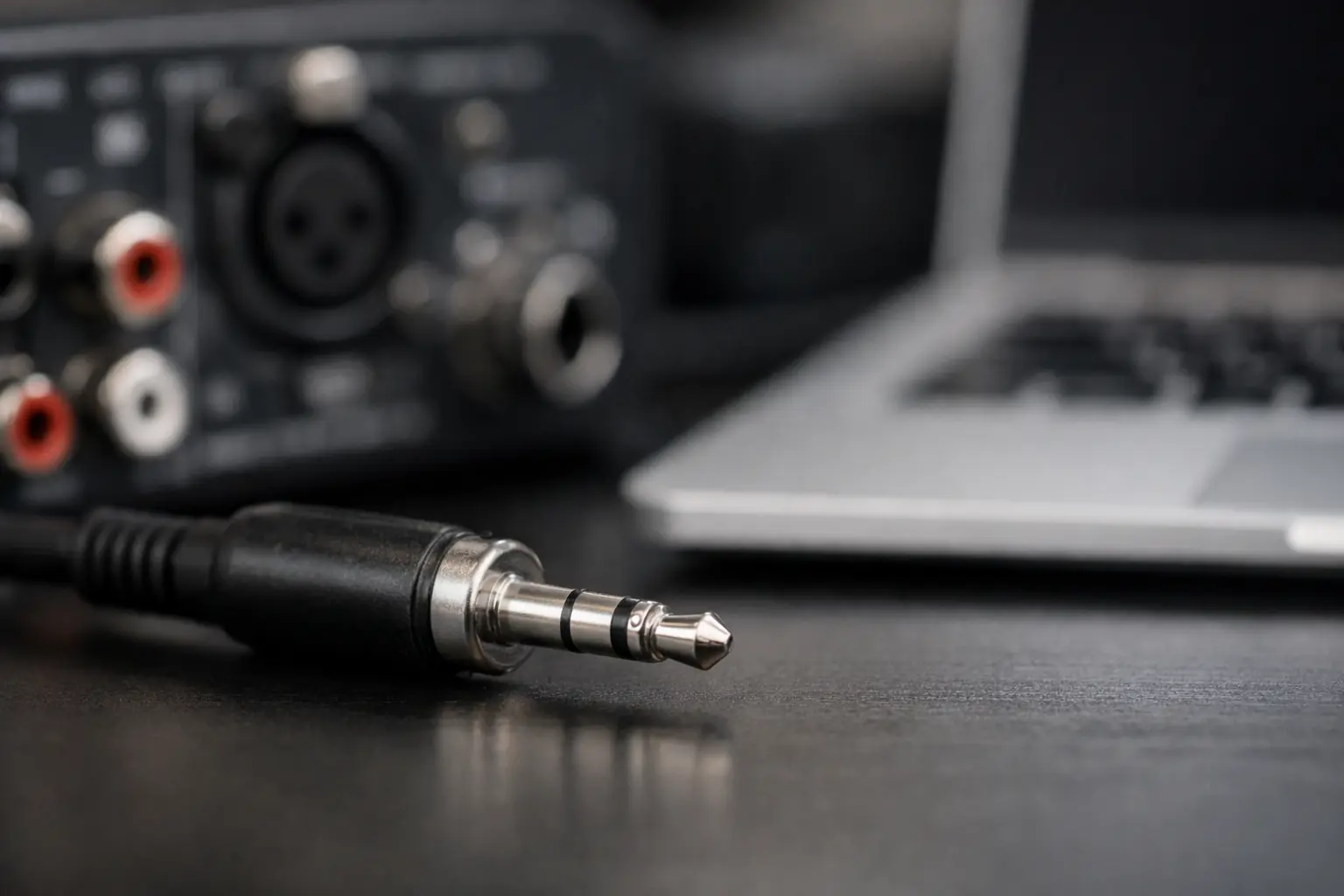
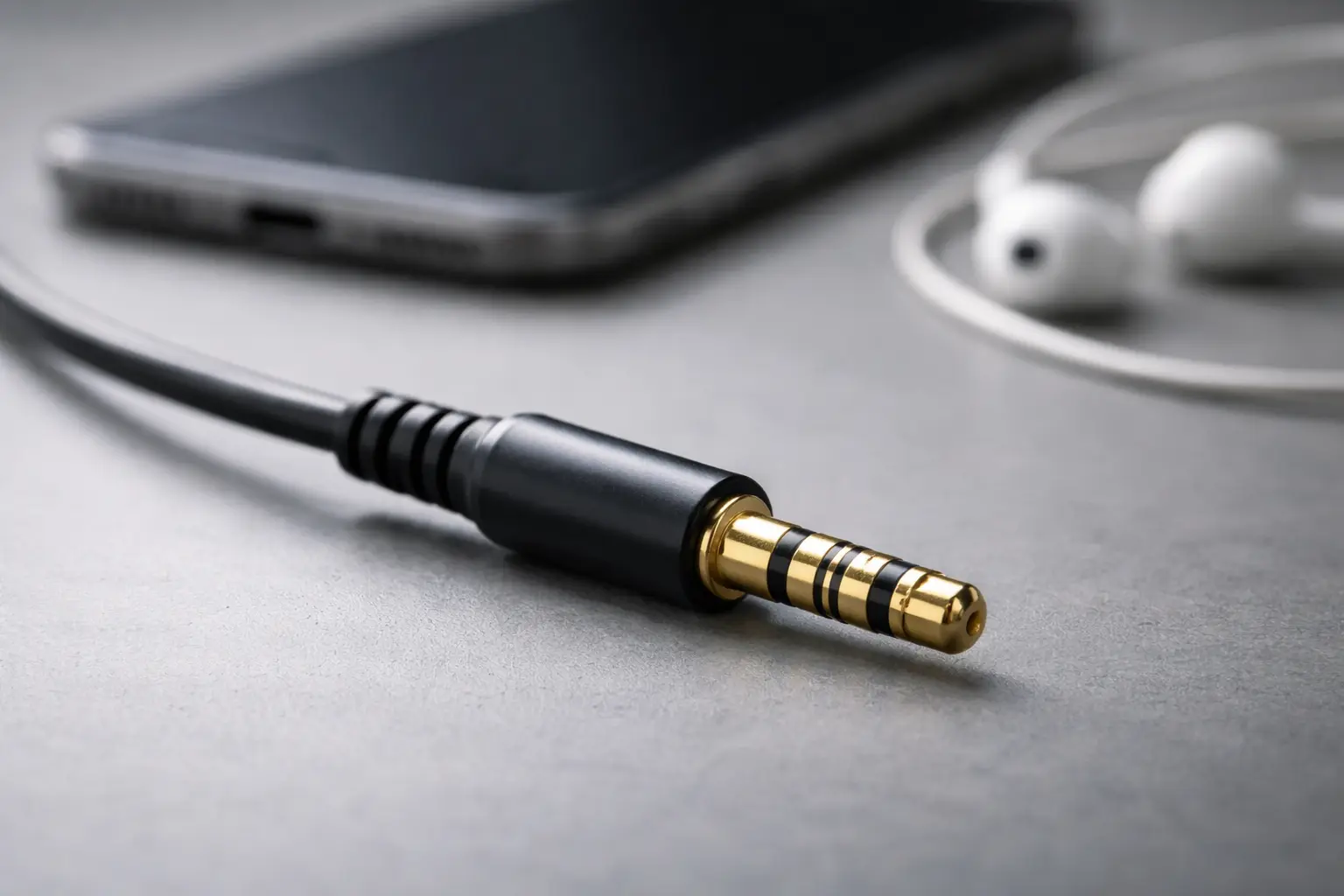
A TRS cable is a type of audio cable with a plug that has three contact points: the tip, the ring, and the sleeve. These three separate parts allow the cable to carry two signals plus a ground connection.
You’ll notice the two black rings on the plug, which separate the three conductors.
The tip usually carries either the left audio channel in stereo setups or the positive signal in balanced connections.
The ring carries the right audio channel for stereo or the negative signal in balanced connections.
The sleeve works as the ground or common connection.
This design makes the TRS cable useful for several audio setups.
How TRS Cables Work
Stereo Sound
When TRS cables are used for stereo sound, like with headphones, the tip carries the left channel and the ring carries the right channel. The sleeve is the ground that both channels share.
Balanced Audio Signal
For balanced mono signals, often found in professional audio gear, the tip and ring carry the same audio signal but with opposite electrical polarity. This helps reduce unwanted hum and noise by cancelling interference picked up along the cable path. The sleeve still acts as the ground.
This noise reduction is why balanced cables are often used in recording studios and live sound situations where cable runs are long.
How TRS Cables Differ From TS Cables
A TS cable has only two contacts: tip and sleeve. That means it carries an unbalanced mono signal, common for guitars and some instruments. TRS cables add a ring contact, which allows them to carry stereo sound or balanced signals and reduce noise.
|
Feature |
TS Cable |
TRS Cable |
|
Contacts |
2 (Tip, Sleeve) |
3 (Tip, Ring, Sleeve) |
|
Signal |
Unbalanced mono |
Balanced mono or stereo |
|
Noise |
More noise possible |
Less noise when balanced |
|
Uses |
Guitars, instruments |
Headphones, professional gear |
Common Uses of TRS Cables
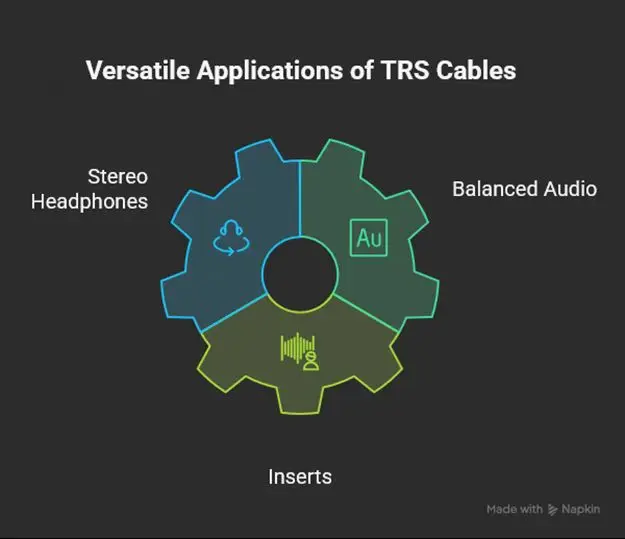
Stereo headphones: Connects headphones to devices like phones, computers, and audio gear.
Balanced audio: Used in studios and live audio to connect mics, mixers, and monitors.
Inserts: Special cables that send and receive audio signals to and from effects processors, using one TRS plug and two TS plugs.
Sizes and Quality
TRS cables come mainly in two sizes:
1/4-inch (6.35mm): Mostly used in professional audio gear like mixers, audio interfaces, and instruments.
1/8-inch (3.5mm): Common on consumer devices such as phones, laptops, and portable players.
Good cables use oxygen-free copper wiring and have braided shielding to block interference. The connectors might be gold-plated to prevent corrosion and improve signal.
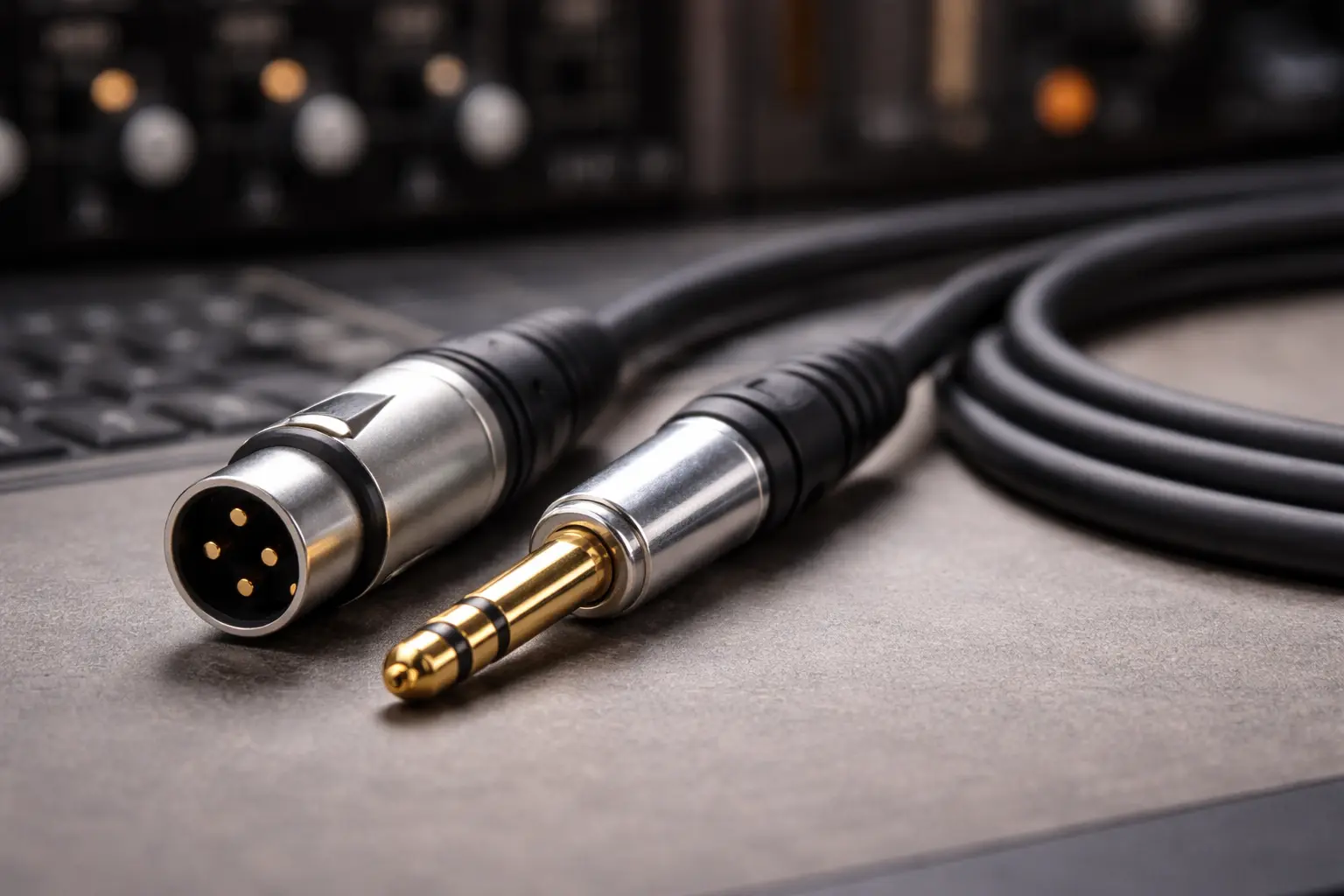
TRS vs XLR Connectors
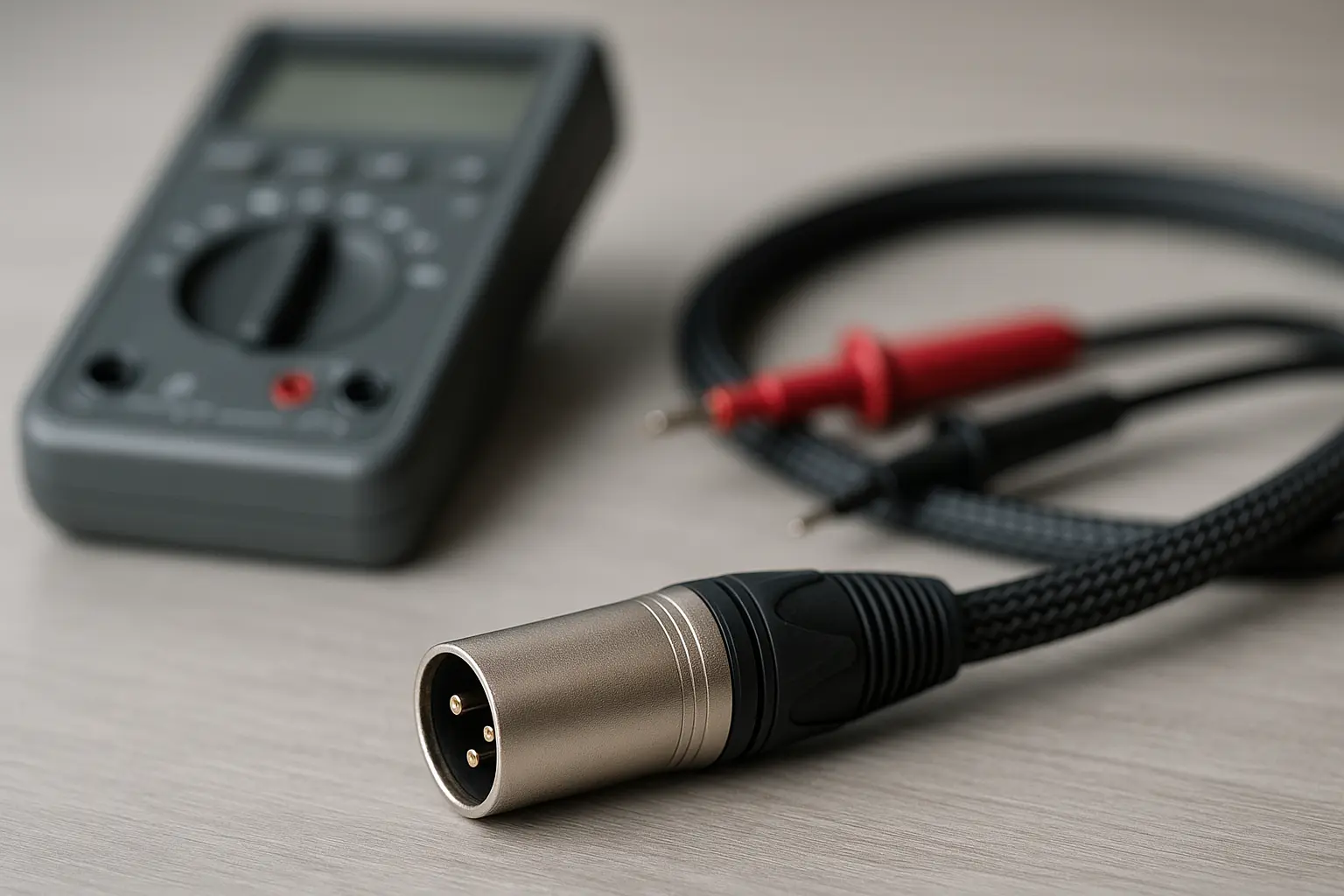
Both TRS and XLR cables can carry balanced audio, but they have differences:
TRS plugs are smaller and more compact.
XLR connectors have a locking mechanism, making them more secure in live sound and studio environments.
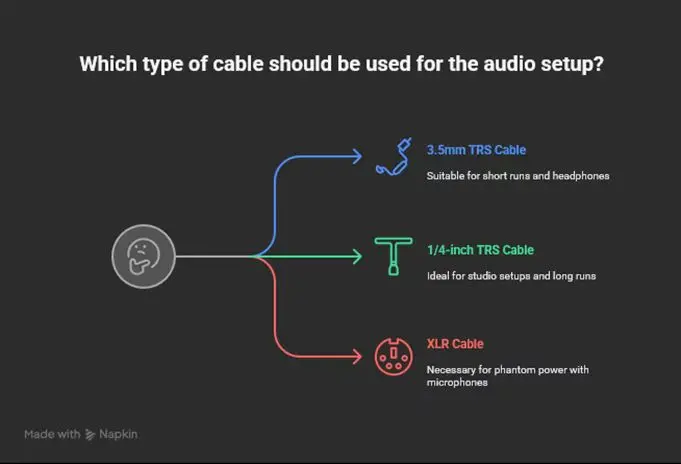
XLR cables can carry phantom power to microphones; TRS cables cannot.
XLR tends to be used for mics; TRS more for line-level signals and headphones.
Tips for Choosing a TRS Cable
For short runs and headphones, a quality 3.5mm TRS cable will do.
For studio setups and long runs, a 1/4-inch TRS cable with good shielding is better.
If you need phantom power for microphones, use XLR instead.
Look for cables with good connectors from brands like Neutrik or Switchcraft.
Keep cables as short as practical to avoid signal loss.
Taking Care of Your TRS Cables
To keep your TRS cables working well:
Avoid bending cables sharply or pulling on the connector.
Store them carefully to avoid tangling.
Clean the plug contacts occasionally with a contact cleaner.
Check for damage or noise issues before important shows or recordings.
Frequently Asked Questions (FAQs)
Q1: What does TRS stand for?
A: It stands for Tip-Ring-Sleeve, the three parts of the connector.
Q2: Can a TRS cable carry stereo sound?
A: Yes, TRS can carry stereo audio with separate left and right channels.
Q3: Are all TRS cables balanced?
A: No. TRS cables can carry either balanced mono or stereo signals, depending on the connected equipment.
Q4: What size TRS cable is used for headphones?
A: Usually 1/8-inch (3.5mm) TRS cables are used for headphones.
Q5: Can TRS cables carry phantom power?
A: No, phantom power normally uses XLR cables.
Q6: How do TRS cables reduce noise?
A: When carrying balanced signals, they use opposite polarity signals to cancel out interference.
Q7: Can I use a TRS cable instead of a TS cable?
A: Sometimes, but TS cables are often better for unbalanced mono signals like guitars.
Q8: What should I look for when buying a TRS cable?
A: Look for good shielding, oxygen-free copper conductors, and sturdy connectors.
Mission Engineering - What is a TRS Cable?
Rockstock Pedals - Wired for Sound: A Musician's Guide to TS and TRS Cables
LinkedIn - TRS Cable: All You Need To Know
Rasantekaudio - TRS Connectors: A Comprehensive Guide
Scribd - T_TS_TR_TRS Series Technical Data
Thomann Music - Rockboard Flat TRS Cable 60 cm BK
RS Components - Tri-rated Cable Datasheet