





What Is a TRS Jack? A Simple Guide to Tip–Ring–Sleeve Audio Sockets
Key Takeaways
• A TRS jack lets you plug in stereo headphones, run balanced audio, and patch in effects with one socket.
• Common sizes are ¼″ (6.35 mm), ⅛″ (3.5 mm), and 2.5 mm—look for IEC specs or MIL-SPEC for pro gear.
• Stereo (unbalanced) uses Tip = left, Ring = right, Sleeve = ground; balanced mono uses Tip = hot, Ring = cold, Sleeve = ground to cut noise.
• Panel-mount jacks can have insert switches, locking latches, or dust caps—tighten the nut just right and use strain relief.
• Quick fixes: clean contacts with isopropyl alcohol, swap out worn jacks, and check phantom-power ratings before plugging in condenser mics.
What Exactly Does the Tip, Ring, and Sleeve Do?
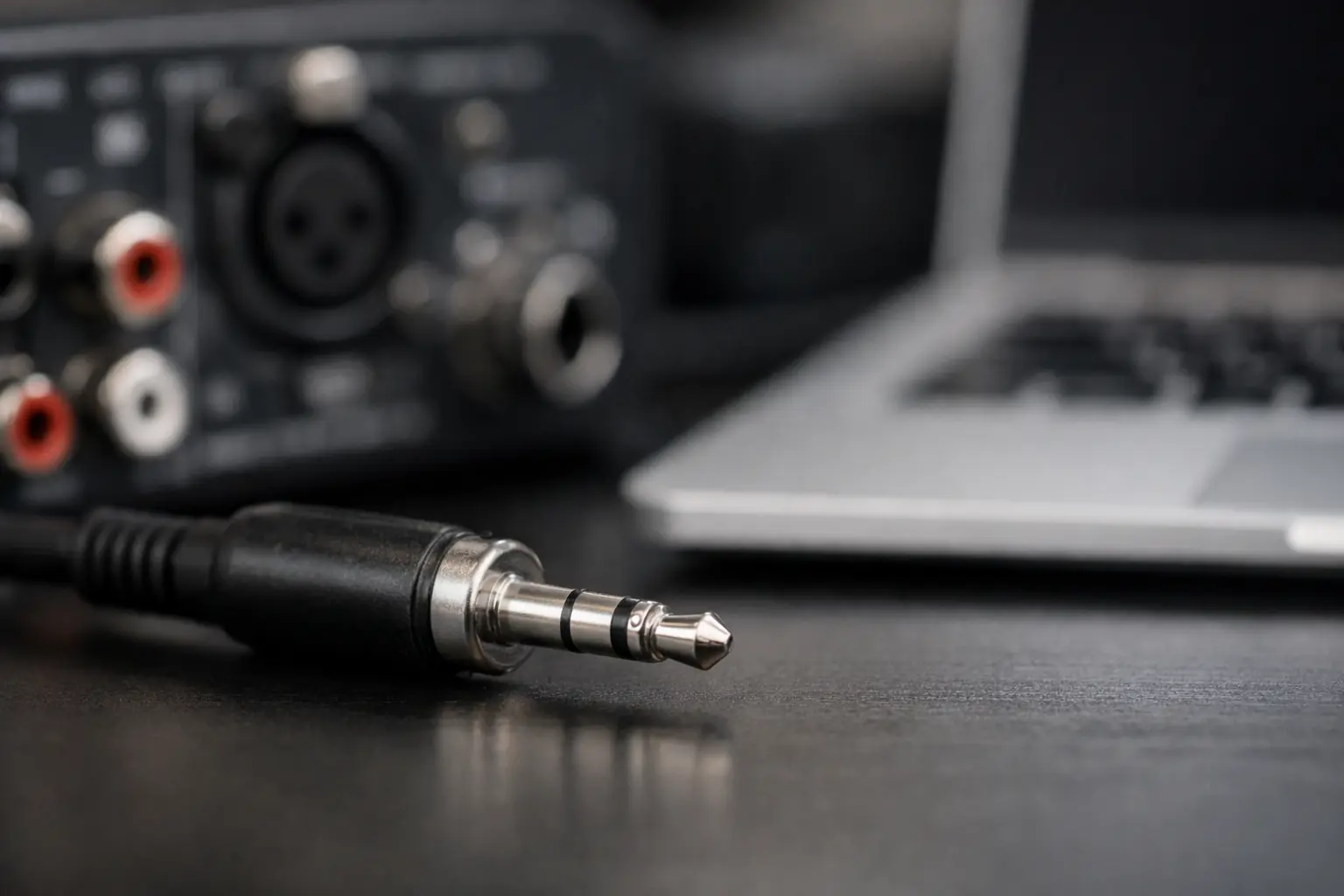
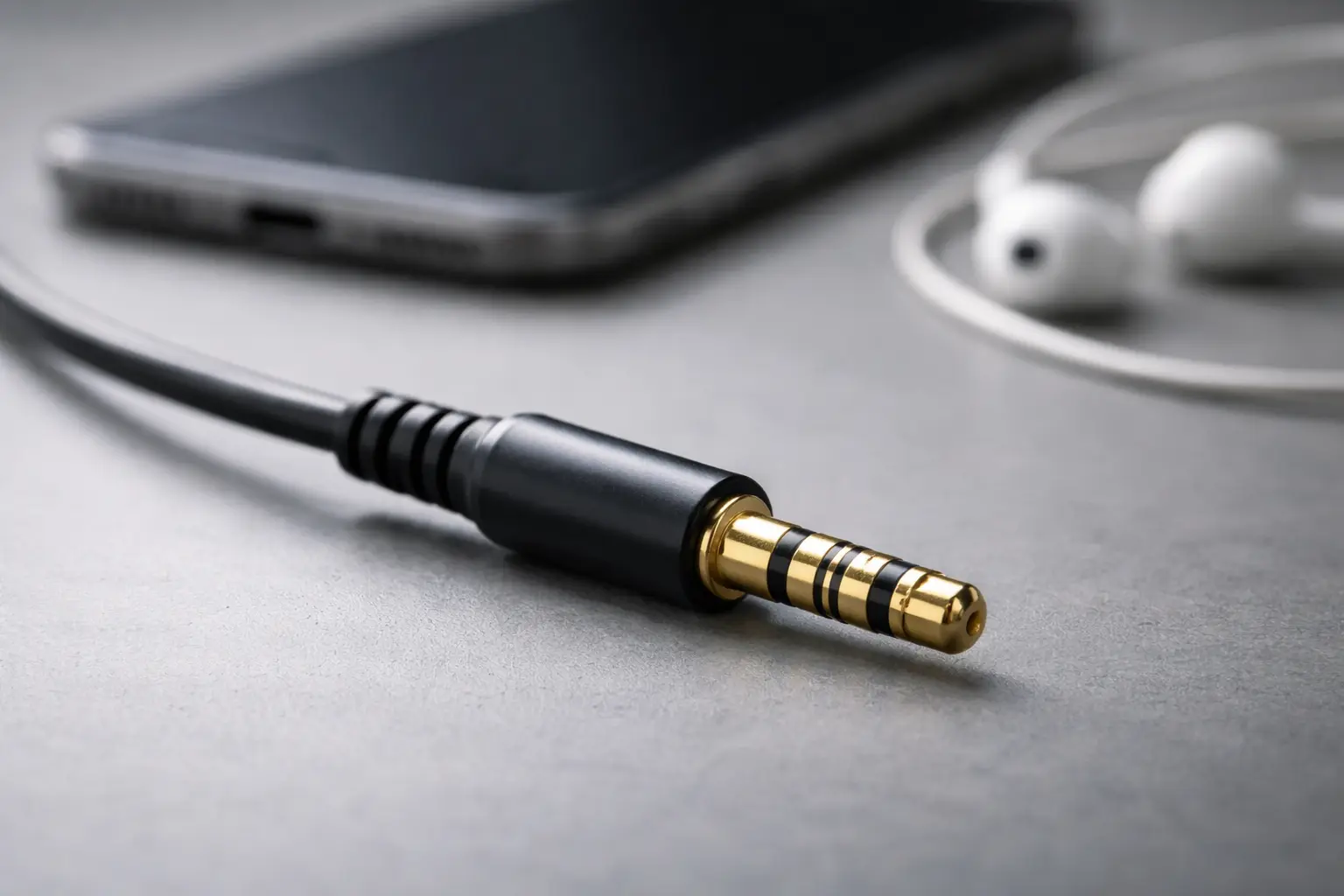
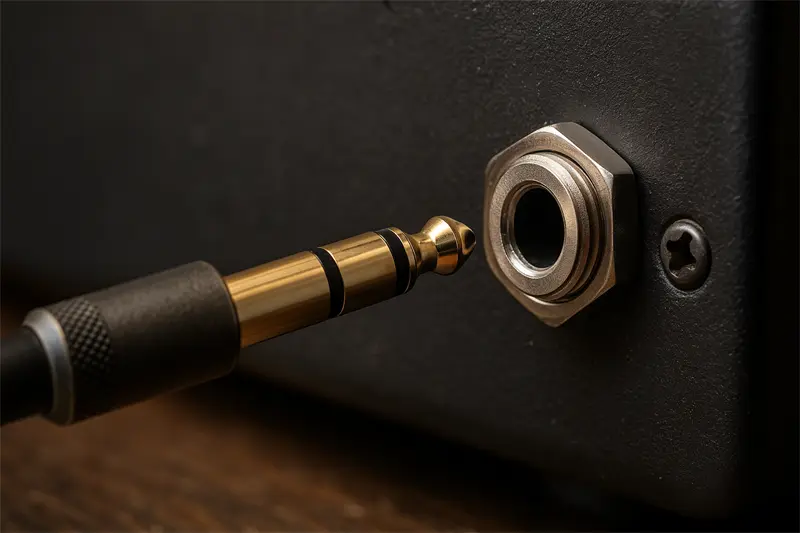
Picture the end of your headphone plug: it’s split into three metal sections by thin black rings. Those are the Tip, Ring, and Sleeve contacts inside the socket.
• Tip (Signal + / Left): Carries the left-channel audio or the positive phase of a balanced signal.
• Ring (Signal – / Right): Carries the right-channel audio or the inverted phase for balanced mono.
• Sleeve (Ground): Acts as the return path and shields against interference.
Inside the female jack, little springs grab onto those insulation rings so the plug stays firmly in place. Basic jacks use nickel plating for durability; fancier gold plating cuts corrosion and improves conductivity. Most consumer jacks last about 5,000 insertions—pro models can exceed 10,000, which you’ll want if you’re touring or swapping cables all day.
What Sizes Should I Buy?
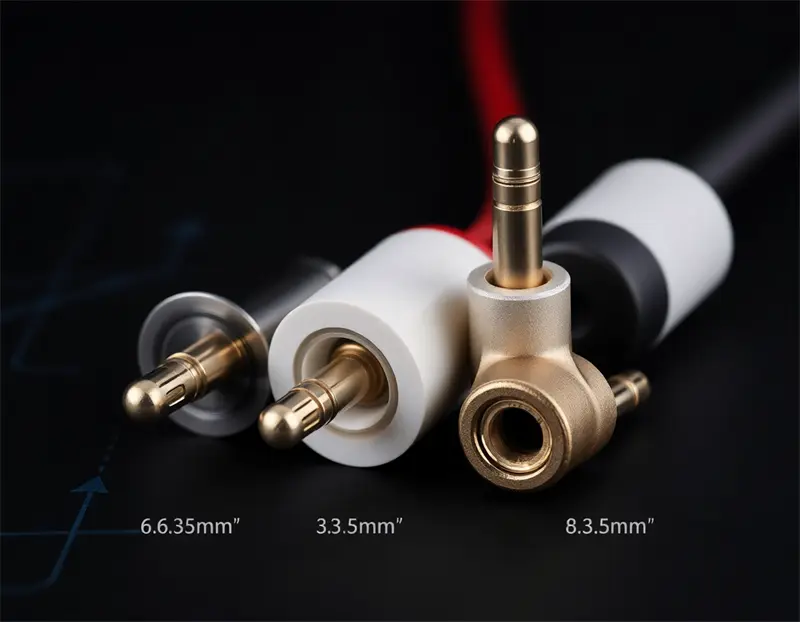
TRS jacks usually come in three sizes:
1.¼″ (6.35 mm): Standard on guitars, mixers, and studio patchbays in the US.
2.⅛″ (3.5 mm): Found on laptops, phones (where still available), portable recorders, and DSLR audio inputs.
3.2.5 mm: Used by some old-school headsets and two-way radios.
For home setups, look for IEC 60603-11-compliant sockets. If you need rugged gear for road cases or broadcast racks, go for MIL-SPEC-rated jacks that handle shock, vibration, and extreme temps. You’ll see PCB-mount versions (solder tails) and chassis-mount ones with flanges and lugs or screw terminals.
How Do I Tell Stereo and Balanced Wiring Apart?
Although both use three contacts, stereo (unbalanced) and balanced mono wire things differently:
|
Stereo (Unbalanced) |
Balanced Mono |
|
|
Tip |
Left audio |
Hot (+) |
|
Ring |
Right audio |
Cold (–) |
|
Sleeve |
Ground |
Ground |
|
Noise Rejection |
Low |
High (cancels hum and interference) |
|
Typical Use |
Headphones, phones |
Mixers, DI boxes, long cable runs |
• Stereo (Unbalanced): Easy plug-and-play for headphones and portable devices. Just keep cables under 10 ft to avoid hiss.
• Balanced Mono: Ideal for studio patch cables and stage snakes. Two out-of-phase signals cancel noise picked up along long runs—must wire both ends to differential inputs.
What’s Special About Panel-Mount and Insert Jacks?
How Do Insert Jacks Work?
Studio consoles often have “insert” points to patch in compressors or EQ. A TRS insert jack has a little switch inside: no plug = normal routing, plug in = splits the signal. Use a TRS-to-dual-TS “Y” cable—Tip sends, Ring returns, Sleeve is ground.
What About Locking and Dust-Cap Sockets?
On tour, nothing worse than a cable popping out mid-show. Locking TRS jacks latch in place. Dust caps keep your jacks clean in field recording or outdoor installs.
How Tight Should I Screw the Jack In?
Follow the manufacturer’s torque spec. Too loose = crackling ground noise; too tight = cracked insulation or bent contacts. Always add a strain-relief boot or clamp behind the panel to stop cable flex fatigue.
Where Will I See TRS Jacks in Real Life?
• Home Studio Headphones: Plug your cans into the front of interfaces and headphone amps—¼″ TRS is king.
• Live Sound Gear: Balanced outputs on US mixers feed powered speakers or IEM packs via TRS jacks.
• Effects Pedals & Synths: Expression pedal inputs often use TRS for control voltage; some stereo-output pedals also use TRS.
• Camera Rigs: DSLR audio inputs usually 3.5 mm TRS—grab a TRRS-to-TRS adapter for smartphone mics.
• DIY Patchbays: Build a neat front panel with multiple ¼″ jacks to route synths, FX loops, and audio interfaces without crawling under desks.

How Can I Fix a Noisy or Loose TRS Jack?
1.Crackling or Dropouts? Twist and wiggle the plug a few times, then spray contact cleaner on the tip and ring—reinsert to spread it around.
2.Clean the Jack: Swab the inside with a lint-free cotton swab dipped in isopropyl alcohol—no metal picks or sandpaper.
3.Replace if Needed: If the spring tension feels weak or the contacts look dull, swap in a new jack. It’s cheaper than troubleshooting mysterious noise later.
What About Phantom Power and Safety?
• Phantom Power (48 V): Only balanced TRS jacks on mic preamps wired for phantom can safely feed condenser mics. Never plug 48 V into a standard headphone jack.
• Grounding: Tie all chassis grounds to one point to stop hum loops—especially important in US venues with mixed power sources.
• Voltage/Current Ratings: Most TRS jacks handle up to 50 V DC and 1 A—perfect for audio signals and low-voltage control like footswitches or MIDI over TRS.
FAQ: Your Top 10 TRS Jack Questions
1.Can I plug a TRS plug into a TS jack?
Yes, but the ring is either floating or shorted to ground, so you’ll lose the right channel or balanced signal.
2.How can I tell the difference between TRS and TRRS?
Count the rings: TRS has two rings (three contacts); TRRS has three rings (four contacts).
3.Will a TRS jack carry phantom power?
Only if it’s specifically wired for phantom—most headphone jacks are not.
4.What’s the real difference between balanced TRS and XLR?
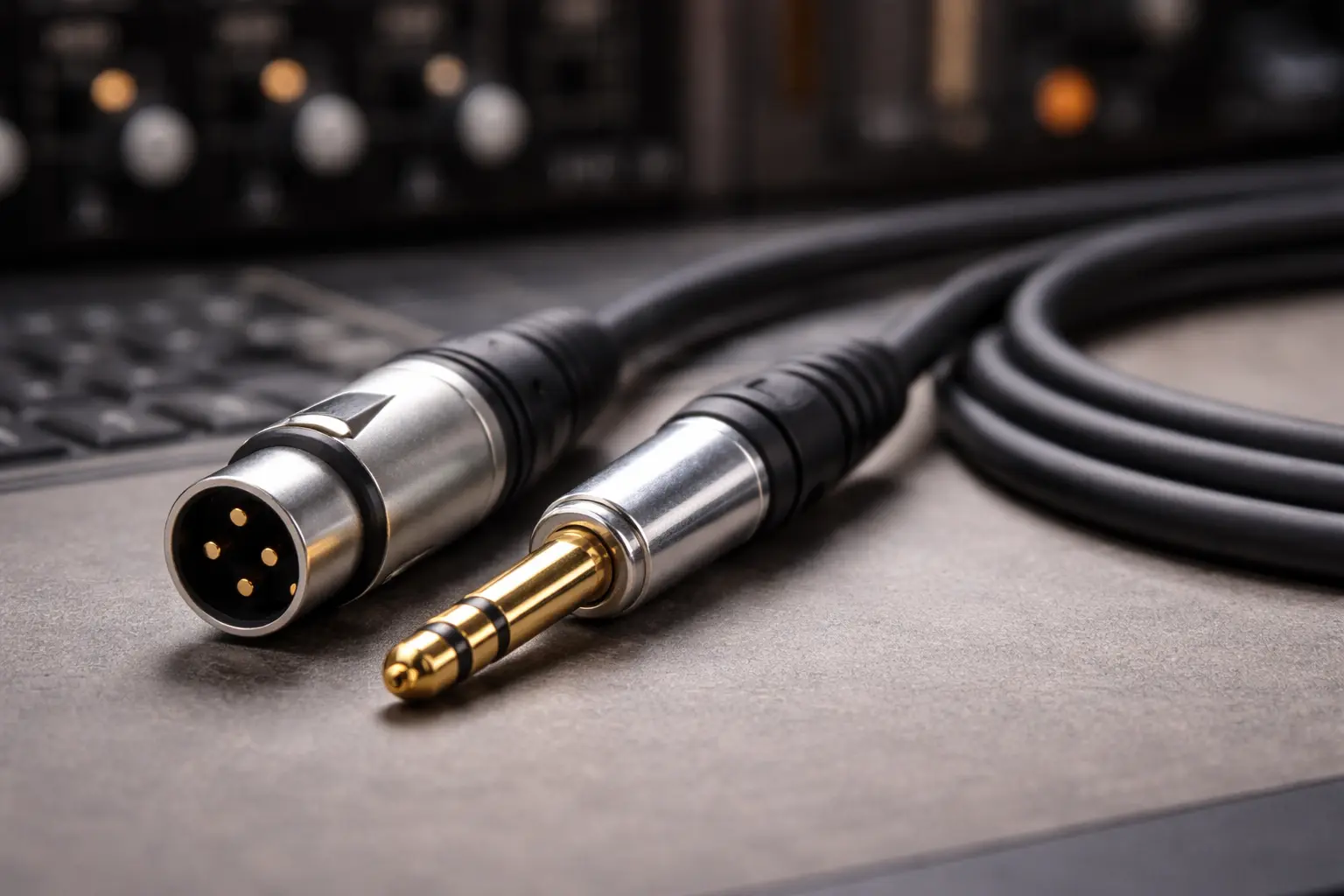
XLR locks in place, uses a separate ground pin, and generally offers better ruggedness for stage and long runs.
5.How many plug-ins can a TRS jack handle?
Standard jacks claim about 5,000 cycles; pro jacks can exceed 10,000.
6.Can I use a TRS cable for MIDI?
Some gear supports MIDI over TRS—check your device manual for the correct pinout.
7.What’s the correct wiring for a TRS insert cable?
Tip = Send, Ring = Return, Sleeve = Ground, using a TRS-to-2 × TS “Y” cable.
8.Why do my balanced cables still hum?
Likely a grounding issue—check for ground loops or improper chassis bonding.
9.Can I mix nickel and gold-plated jacks?
Yes electrically, but gold on both ends reduces corrosion risk, especially in high-humidity environments.
10.My jack feels loose after mounting—what gives?
You may have over-cut the panel hole or used the wrong nut. Replace with the correct size and follow torque specs.
Ready to Upgrade Your Audio Setup?
Check out our selection of heavy-duty, gold-plated TRS sockets—backed by a 2-year US warranty and free tech support. Browse TRS Jack Hardware
References
1.What is a TRS Cable? – Mission Engineering
2.Differences Between TS, TRS and TRRS Connectors – Movo Photo
3.Understanding TRS Connectors for Stereo Audio Signals – Lenovo
4.Cable Conundrum: WTF Is TRS? – Noise Engineering Blog
5.Phone Connector (audio) – Wikipedia
6.What’s the Difference Between TS and TRS Cables? – Sweetwater
7.TS vs TRS vs TRRS Audio Cables – Thomann Blog
8.TS vs. TRS vs. TRRS Audio Connectors – Audio University Online
9.What Is the Difference Between TS, TRS and TRRS? – Monoprice Support
10.TRS vs. TRRS – VCELink Blog