




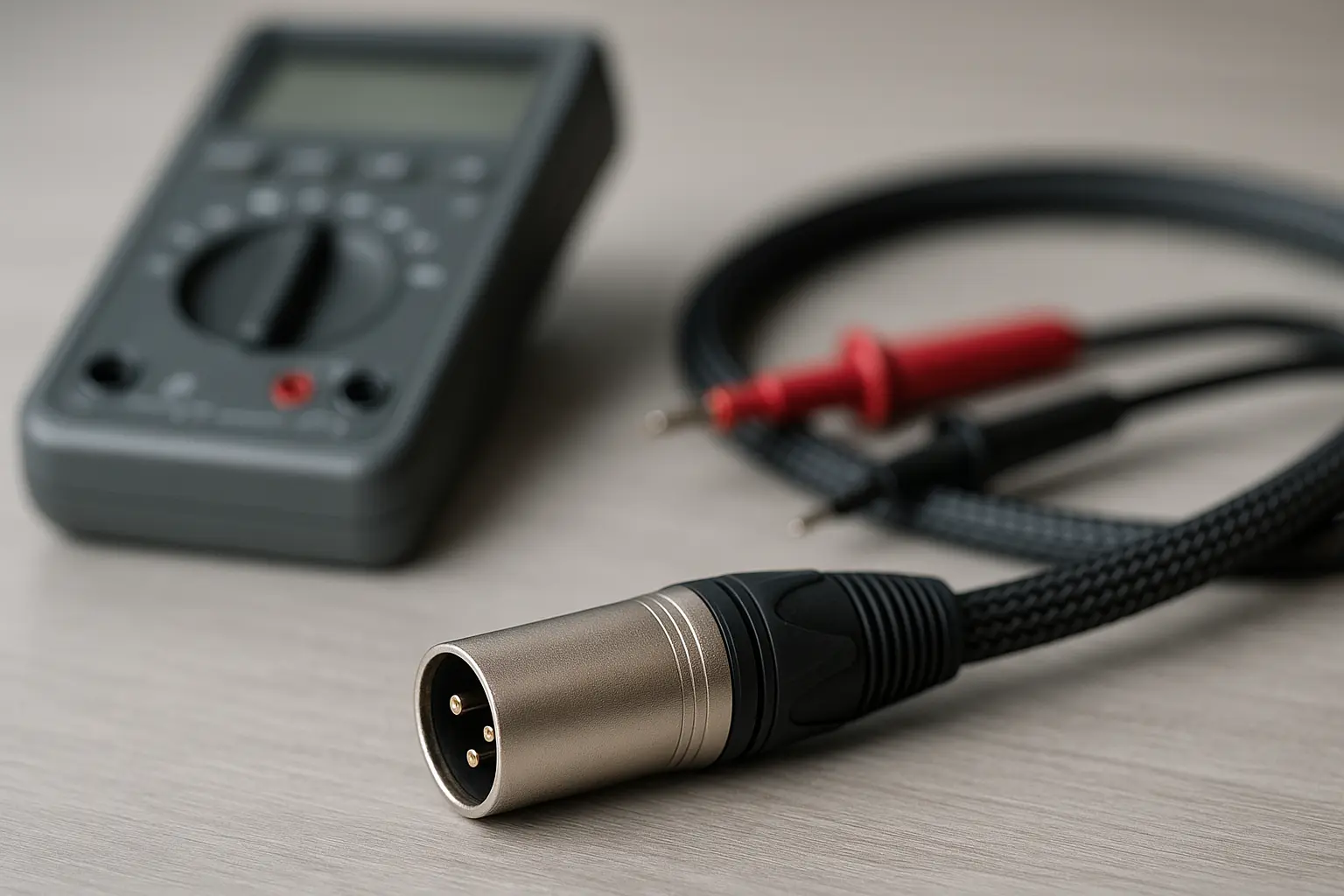
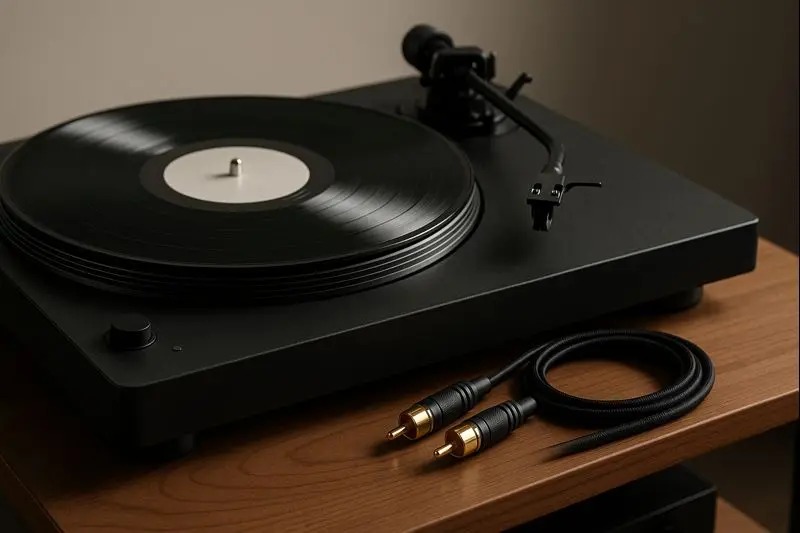
What is an Audio Jack? Your Complete Guide to America's Most Universal Connector
If you’ve ever plugged in a pair of headphones on the subway in New York, tuned your guitar in a Nashville studio, or geared up for a gaming marathon in Silicon Valley, you’ve relied on one tiny but powerful piece of tech: the audio jack. That little click when your headphones snap into place? That’s the sound of one of America’s oldest—and still most reliable—tech standards at work.
From powering the latest gaming headsets to keeping vintage Fender guitars alive in Los Angeles recording sessions, the audio jack is more than a connector. It’s proof that sometimes the simplest designs outlast everything else in our fast-moving tech culture. In this guide, we’ll trace its American roots, explain how it works, and break down why it’s still indispensable to millions across the United States.
The Audio Jack's American Journey: From Telegraph Switchboards to Modern Studios
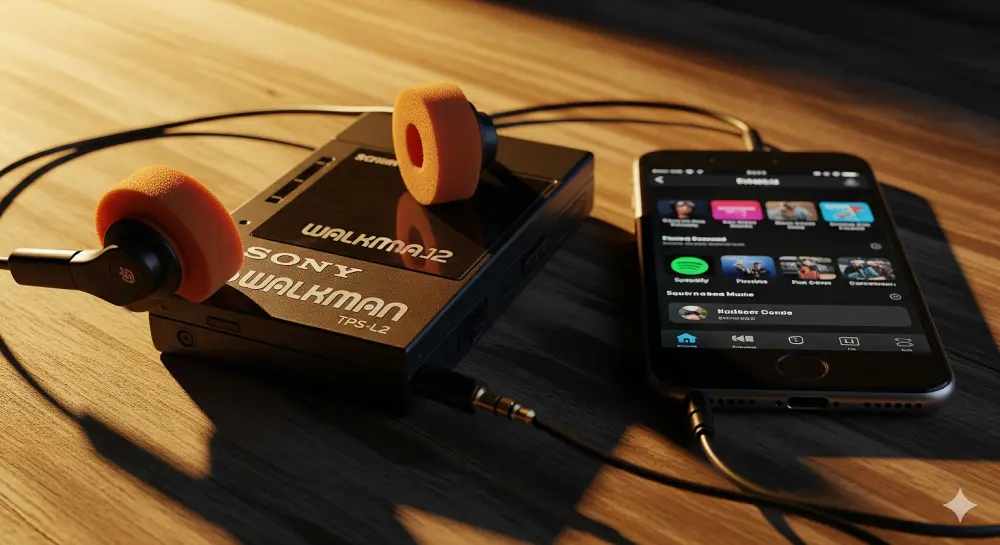
The story starts in the 1870s, inside busy American telegraph and telephone exchanges stretching from Boston to San Francisco. Operators needed a fast, reliable way to connect calls. Enter the 6.35mm (¼-inch) jack, first used in massive switchboards.
Western Electric—part of the American Bell System—helped standardize those early jacks. Their focus was durability over style, and that “rugged American engineering” mindset still defines the connector today.
By the mid-20th century, the 3.5mm “mini-jack” arrived, perfectly sized for the booming transistor radio market. But the true cultural shift hit in 1979, when Sony’s Walkman—hugely popular in the US—made personal, portable music mainstream. From that moment, Americans could carry their soundtrack from coast to coast.
Today, whether it’s a Nashville recording booth, a Brooklyn podcast studio, or a film set in Hollywood, the audio jack still has a starring role.
How Does an Audio Jack Work? The Science Behind the Click
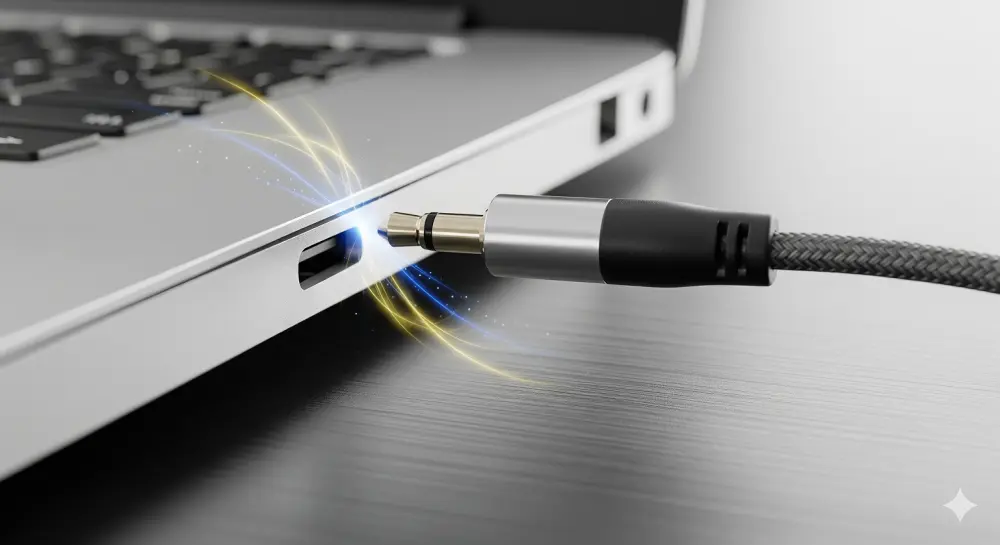
Think of the audio jack as a highway for sound. When you’re streaming Spotify in Chicago or spinning vinyl in Portland, here’s what happens:
● Digital-to-Analog Conversion (DAC): Your iPhone, MacBook, or gaming PC translates digital files (all those 1s and 0s) into continuous sound waves.
● Jack as Conduit: That analog signal travels through the jack to your headphones.
● Headphones Reproduce Sound: Tiny magnets inside convert electricity back into the music or voices you hear.
The quality of the DAC in your device often explains why the same headphones sound different when plugged into, say, a MacBook Pro in Austin vs. a budget phone in Miami.
Types of Audio Jacks: What Americans Actually Use
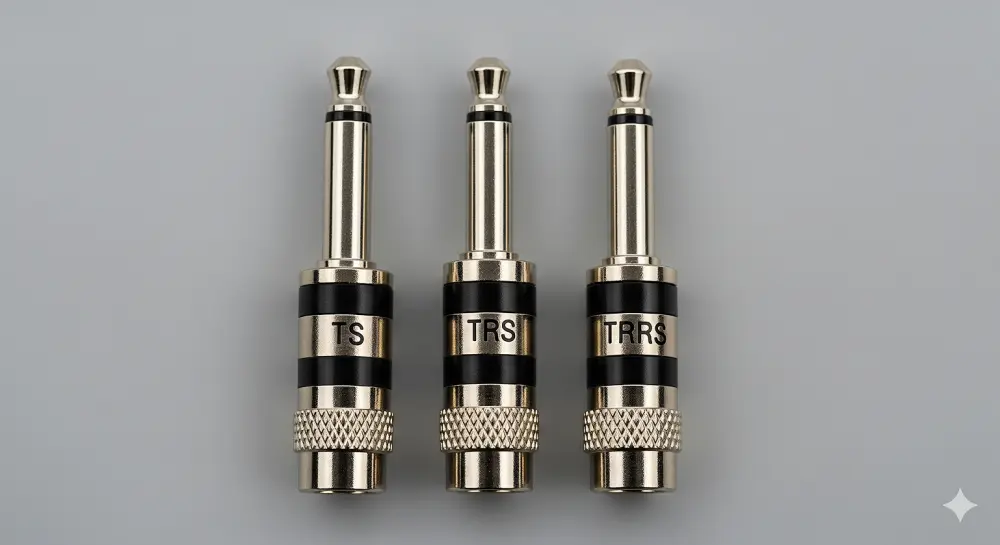
TS (Tip-Sleeve) – The Musician’s Standard
If you’ve ever been to a live show in New Orleans or an open mic in Nashville, you’ve seen TS connectors. They’re the workhorses for guitars, keyboards, and amps—big, durable, and designed for clean mono sound.
TRS (Tip-Ring-Sleeve) – Stereo for Everyday Life
These are everywhere: in Dell laptops, Bose headphones, or even mixing boards in New York studios. They deliver left-right stereo sound, making them the go-to for home and consumer audio.
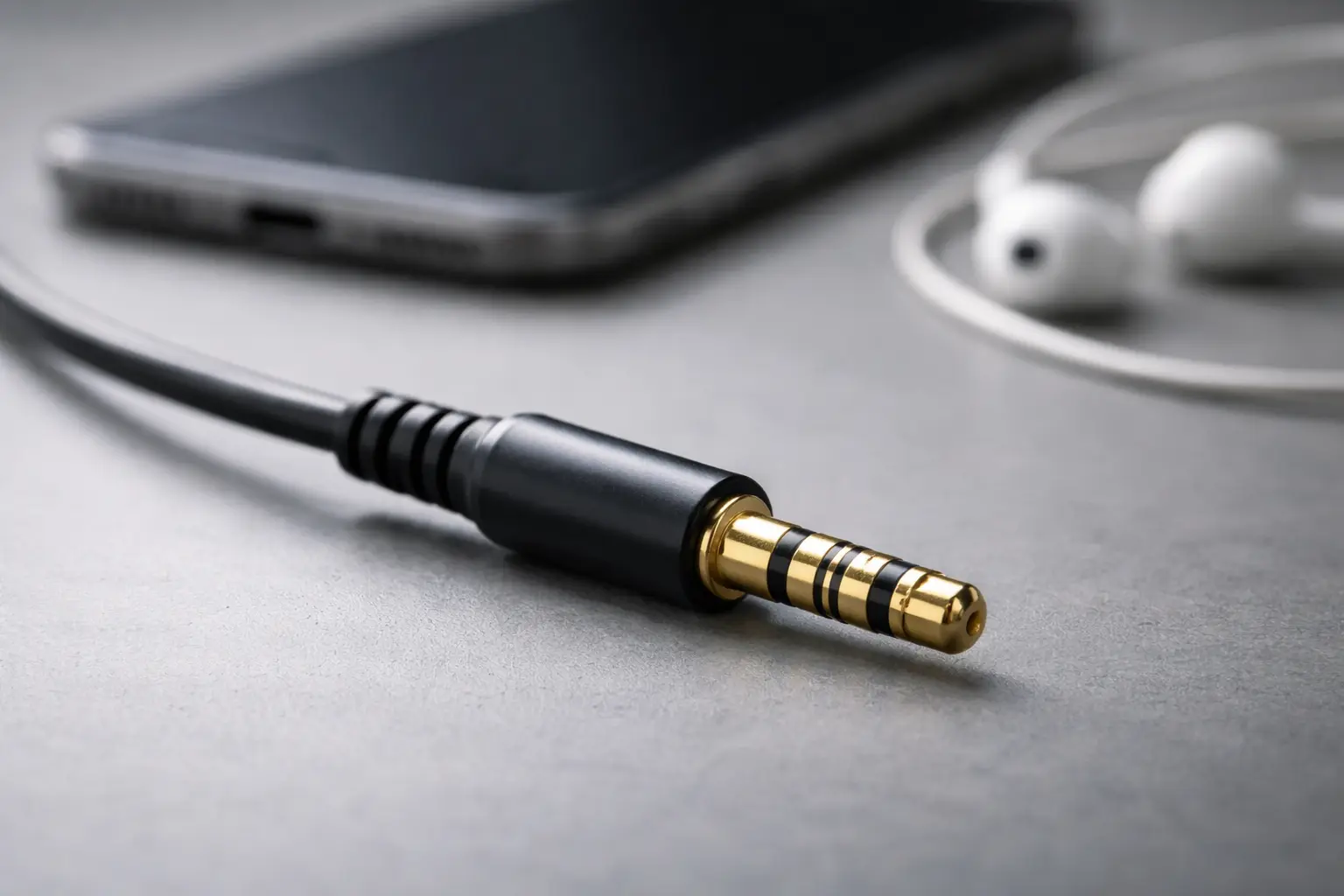
TRRS (Tip-Ring-Ring-Sleeve) – Headsets and Gaming Gear
This version adds a microphone channel. If you’re watching Twitch streams from Texas or competing in an esports arena in California, chances are you’re using TRRS. In the US, the CTIA standard dominates, so most headsets are plug-and-play across iPhones, PCs, and consoles.
3.5mm vs 6.35mm: Two Sizes for Two American Markets
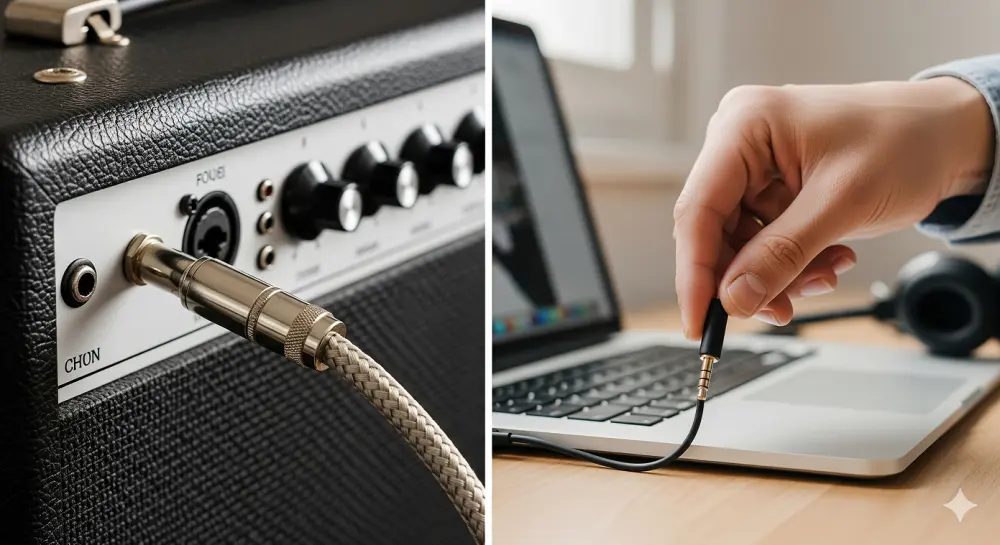
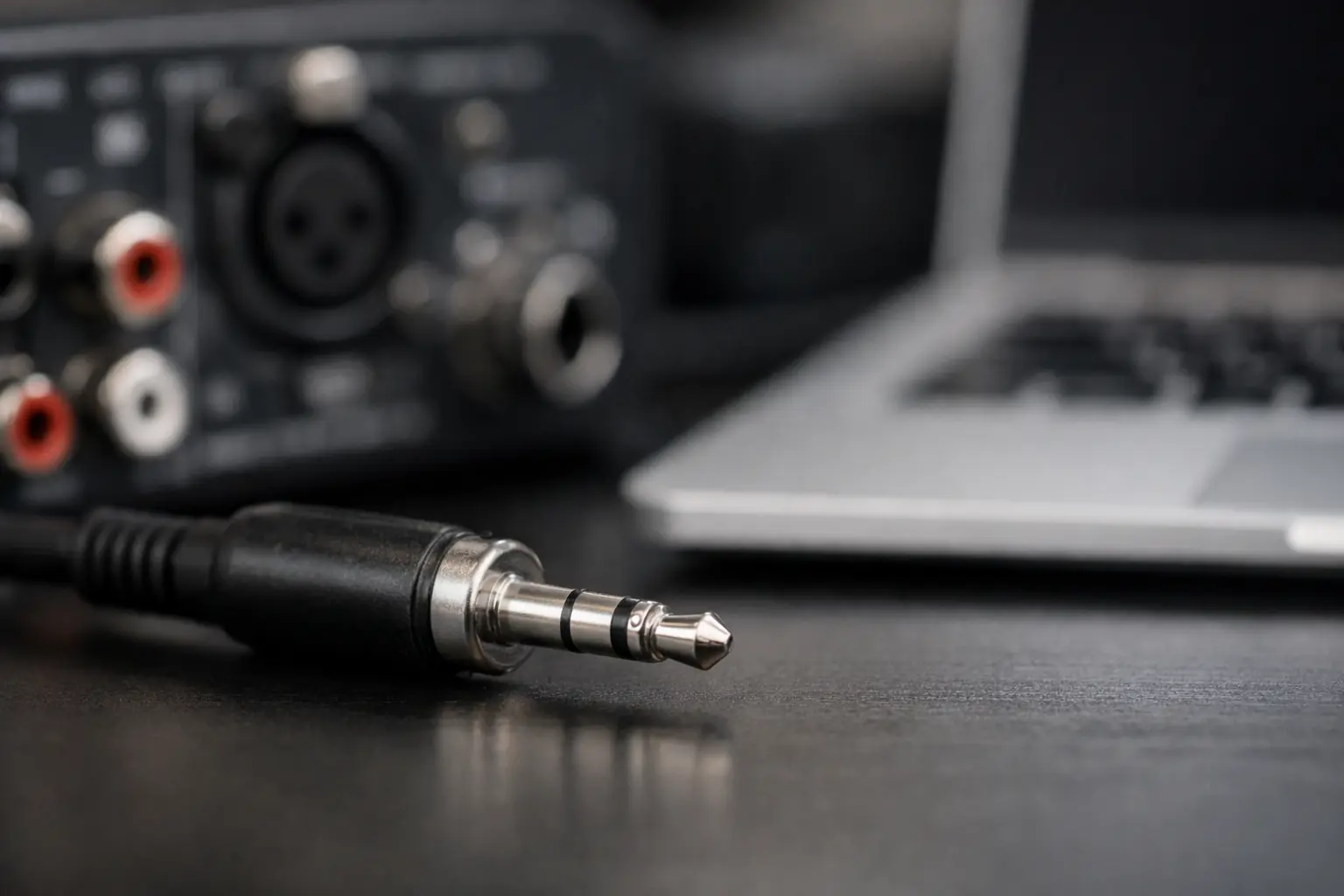
● 3.5mm Mini-Jack: Found in laptops, phones (at least the ones that still have it), and game controllers. Perfect for commuters, students, and casual listeners across the US.
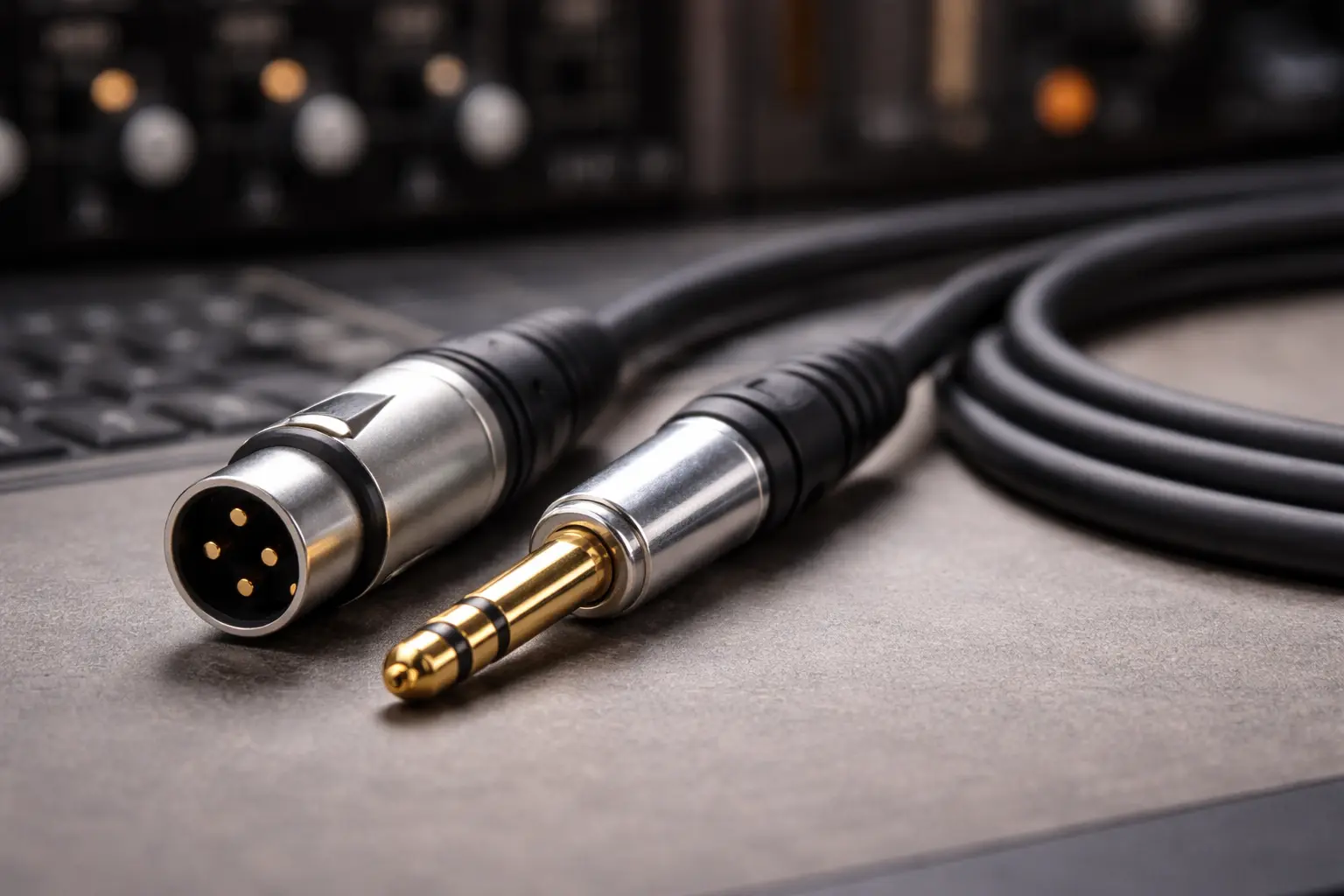
● 6.35mm Quarter-Inch: The king of pro audio. Used in American recording studios, concert venues, and churches—anywhere durability and reliability matter.
Audio Jack vs USB-C vs Lightning vs Bluetooth: The US Consumer Debate
American consumers are divided:
● Audiophiles in places like Seattle or Austin still swear by wired for pristine, lossless sound.
● Gamers in LA or Atlanta need zero latency to compete.
● Commuters in Chicago or New York often pick wireless for convenience, even if it means juggling chargers and replacing earbuds every 2–3 years.
And then there’s the dongle drama. Losing that tiny Lightning or USB-C adapter mid-flight? A pain every American traveler knows too well.
Why Apple and Other US Brands Ditched the Jack
When Apple pulled the 3.5mm jack from the iPhone 7, it changed everything. The move was marketed as innovation, but many Americans saw it as a push toward AirPods—and new revenue streams. Other manufacturers followed suit, but laptops, desktops, and budget phones in the US still keep the jack because consumers demand it for remote work, learning, and gaming.
The Future in America: Not Dead, Just Specialized
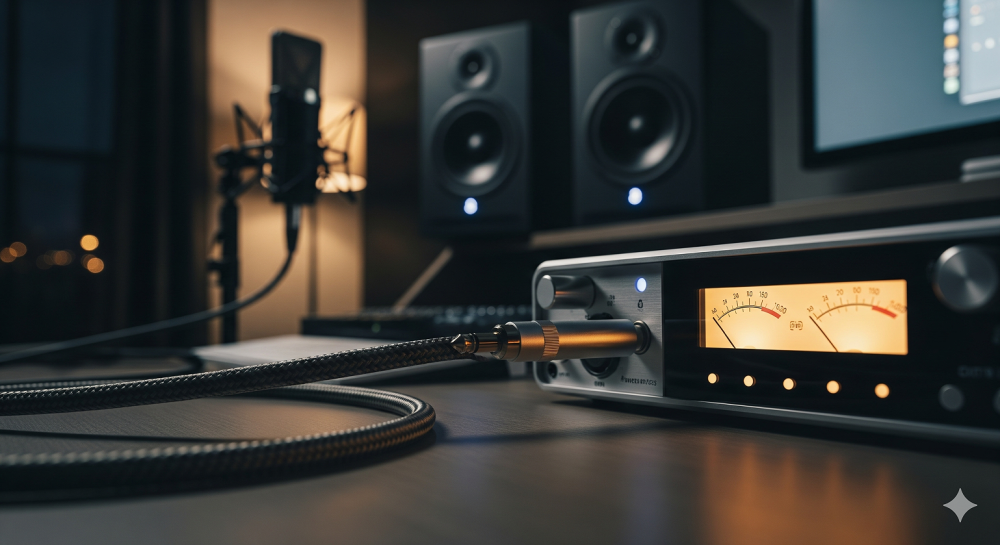
While you won’t see jacks on flagship smartphones anymore, they’re thriving in:
● Home studios and podcasts (a booming US market).
● Gaming and esports arenas where lag-free audio is life-or-death.
● Audiophile communities that prize US-made gear like McIntosh or Schiit Audio.
For American pros and enthusiasts, the jack is here to stay.
Conclusion: An American Classic That Refuses to Quit
From 19th-century switchboards in Boston to recording sessions in Nashville and gaming tournaments in Las Vegas, the audio jack has proven itself to be one of the most resilient connectors in American tech history.
For US consumers, it represents something deeper than convenience—it’s about choice. The choice between wireless freedom and wired reliability. Between trendy upgrades and gear that lasts decades.
In a country built on constant reinvention, the humble audio jack shows that sometimes the smartest move is to stick with what works.