


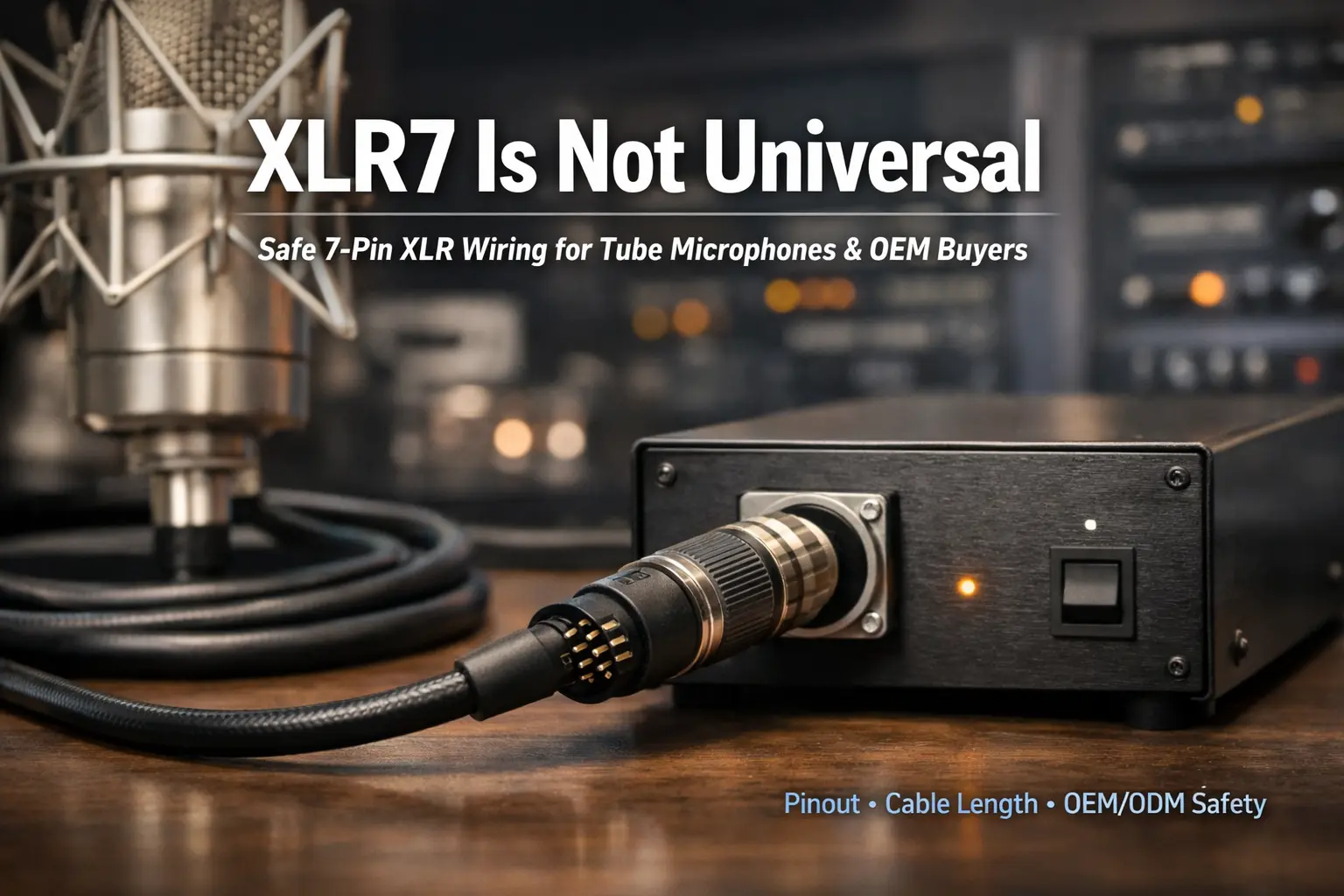

What is an XLR Cable? A Simple Guide to Professional Audio Cables
Key Takeaways
- XLR cables are widely used in professional audiobecause they reduce noise and interference
- They have three pinsthat carry balanced signals to cancel out unwanted noise
- They can carry phantom powerto supply electricity to certain microphones
- Their design helps keep sound clear over long distances
- The connectors lock in place to avoid accidental unplugging
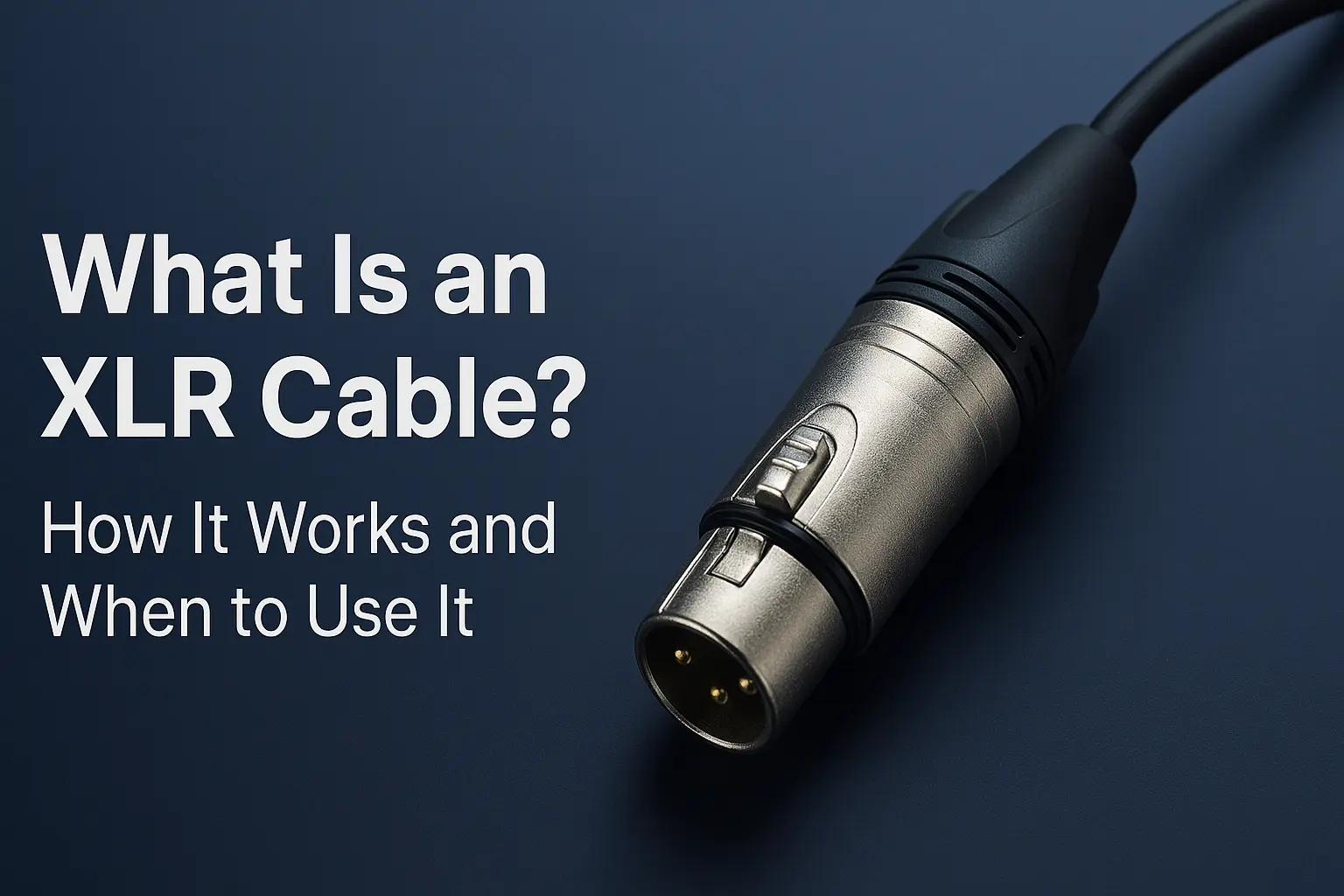
XLR cables are common in recording studios, live shows, and broadcasting. If you want clear, reliable sound, knowing what an XLR cable is and how it works will help you choose the right gear.
Where Did XLR Cables Come From?
The XLR connector was created in the 1950s by James H. Cannon and his company. The name comes from the series of improvements made: "X" for the original connector, "L" for the latch that locks the plug in place, and "R" for the rubber insulation that protects the wires inside.
This design quickly became popular because it was tough and reliable. By the late 1950s, it was already the go-to connector for professional audio equipment.
How Do XLR Cables Work?
XLR cables carry audio using three wires inside:
- One wire is ground
- Two wires carry the same audio signal but with opposite electrical charges
This setup is called a balanced connection. When noise or interference gets picked up by the cable, it affects both signal wires the same way. The device at the other end flips one signal and combines it with the other, which cancels out the noise and keeps the audio clean.
Because of this, XLR cables can be much longer than regular cables without losing sound quality. They are perfect for connecting microphones, speakers, and mixers in studios or on stage.
What is Phantom Power?
Some microphones, especially condenser types, need power to work. Instead of using a separate cable, XLR cables can carry this power along with the audio signal. This is called phantom power.
Phantom power sends a small voltage (usually +48 volts) through the cable to the microphone. It’s called "phantom" because the power is invisible to the audio signal and doesn’t affect the sound.
What’s Inside an XLR Cable?
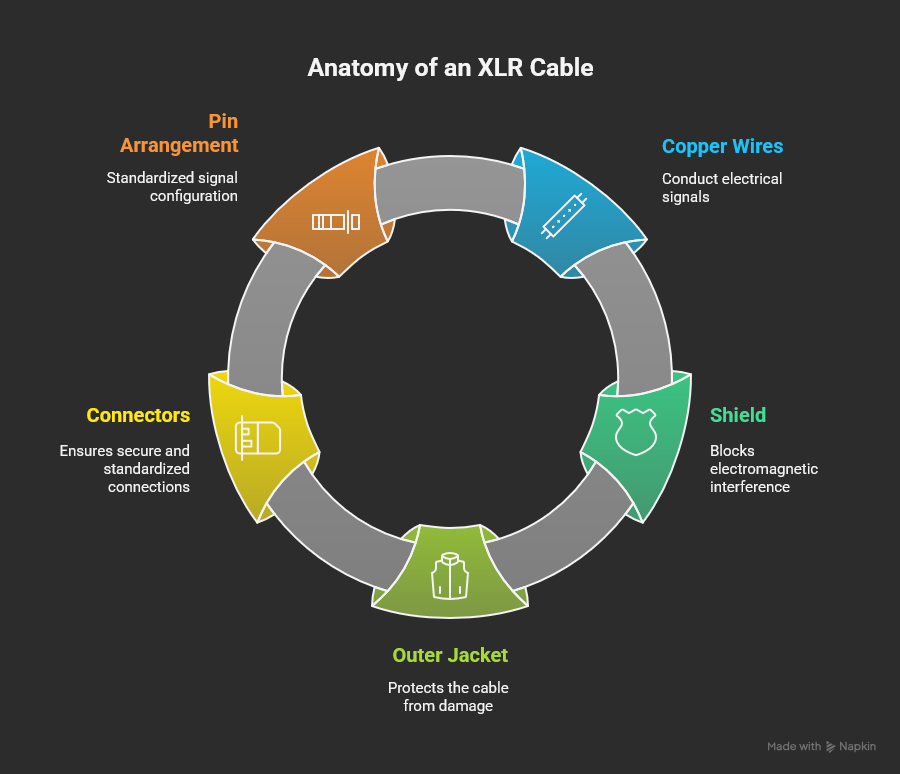
Good XLR cables have several parts that help keep sound clear:
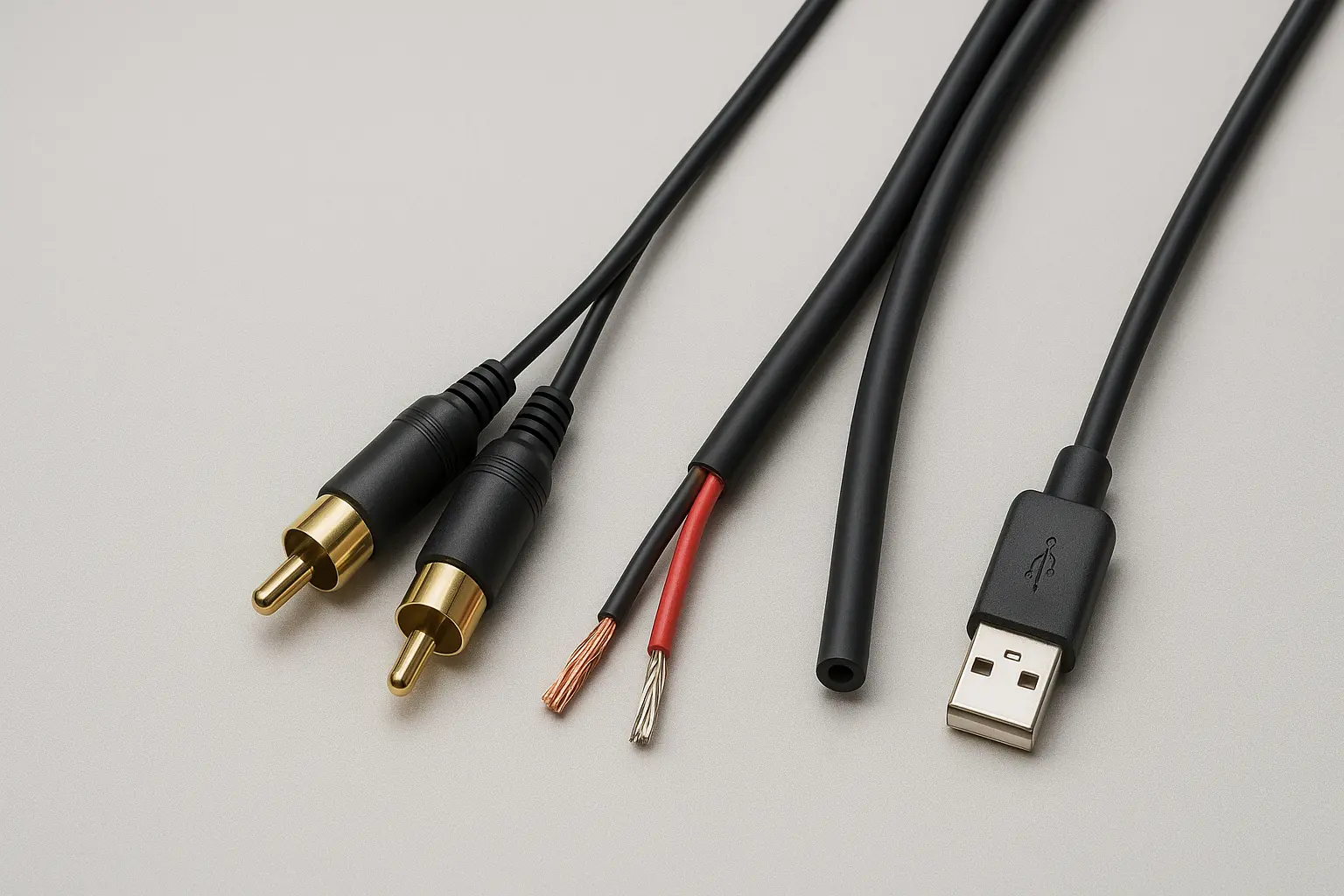
- Copper wires that carry the signal
- A shield made of braided metal to block interference
- A strong outer jacket to protect the cable
- Connectors with a locking clip to keep them plugged in
The pins inside the connector are always arranged the same way: pin 1 is ground, pin 2 is the positive signal, and pin 3 is the negative signal. This standard helps different devices work together.
While mostly used for microphones, XLR cables for microphones also connect other professional audio and stage equipment. For example:
- Lighting systems use 5-pin XLR cables for stage lighting control to manage DMX512 lighting setups.
- Some headsets use 4-pin XLR connectors for balanced audio headsets, providing clear communication in broadcast and live environments.
- Audio gear like mixers, amplifiers, and speakers often rely on XLR cables for audio mixers and amplifiers to ensure high-quality, noise-free sound connections.
How Do XLR Cables Compare to Other Cables?
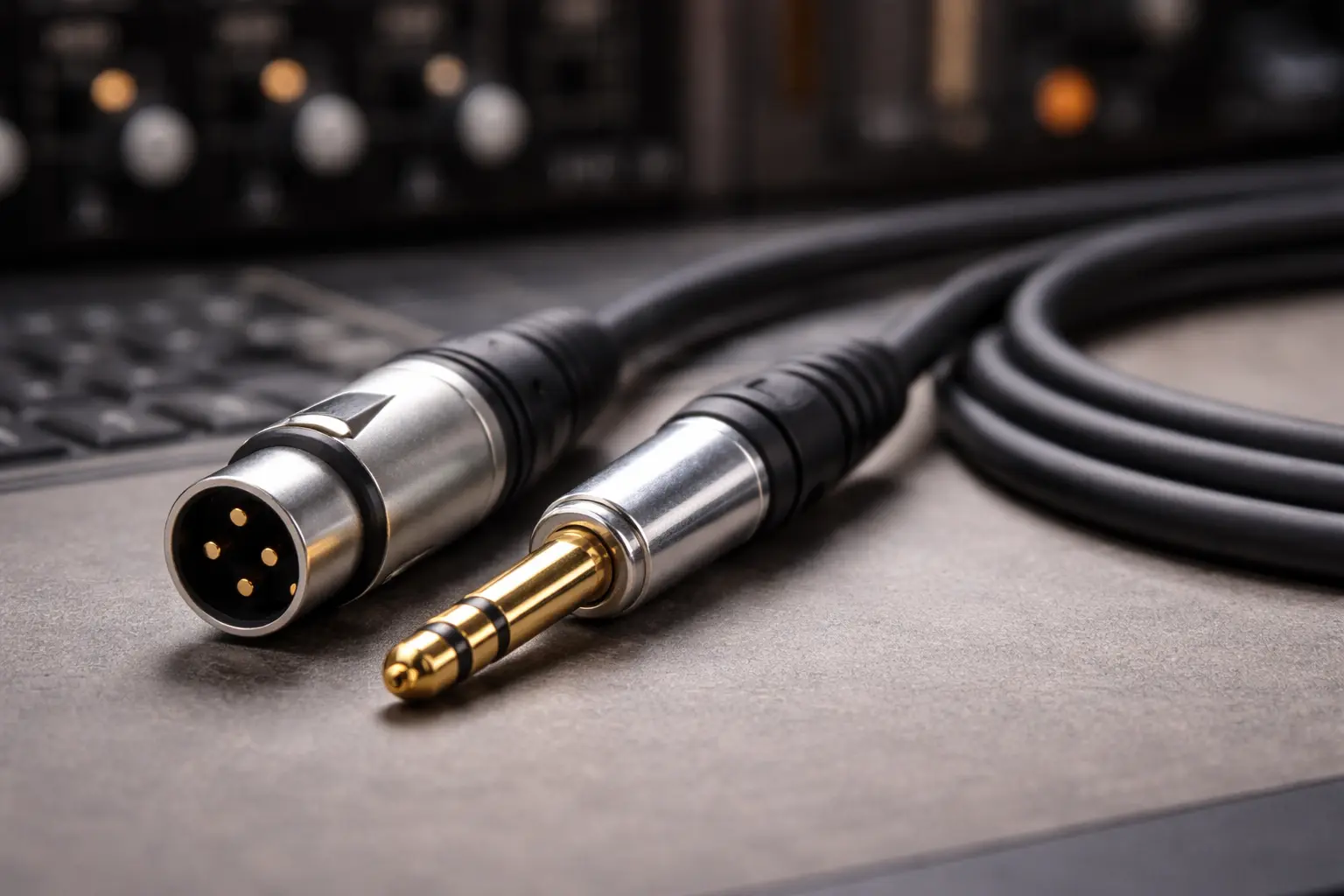
Compared to regular 1/4-inch cables, XLR cables handle noise better and can run longer distances. The locking connector also means they won’t unplug by accident during a performance.
Unbalanced cables, like typical guitar cables, are fine for short runs but pick up more noise over longer distances. That’s why professionals prefer XLR for critical audio signals.
Choosing the Right XLR Cable
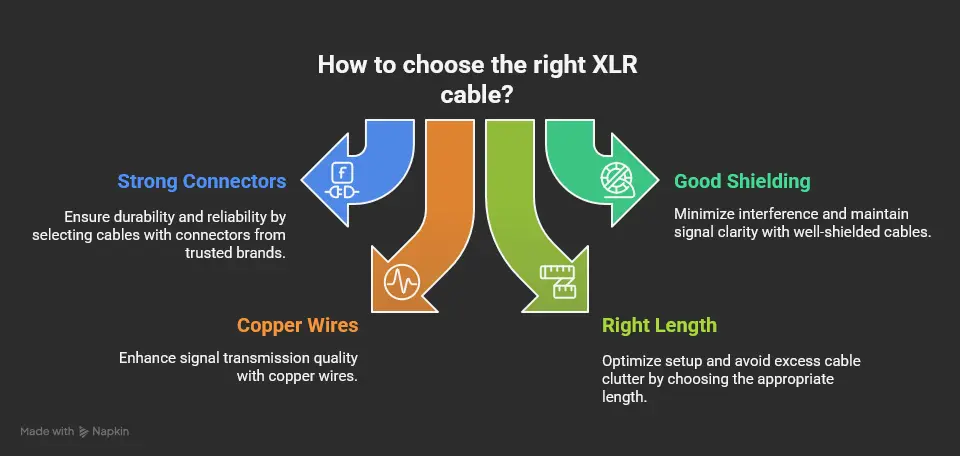
When buying an XLR cable, look for:
- Strong connectors from trusted brands
- Good shielding to keep interference out
- Copper wires that carry signals well
- The right length for your setup
You don’t have to spend a lot, but avoid very cheap cables that might cause noise or break easily.
Taking Care of Your XLR Cables
Keep your cables working well by:
- Avoiding sharp bends or pulling on the connectors
- Checking for loose pins or damaged jackets
- Storing cables properly to prevent tangling and damage
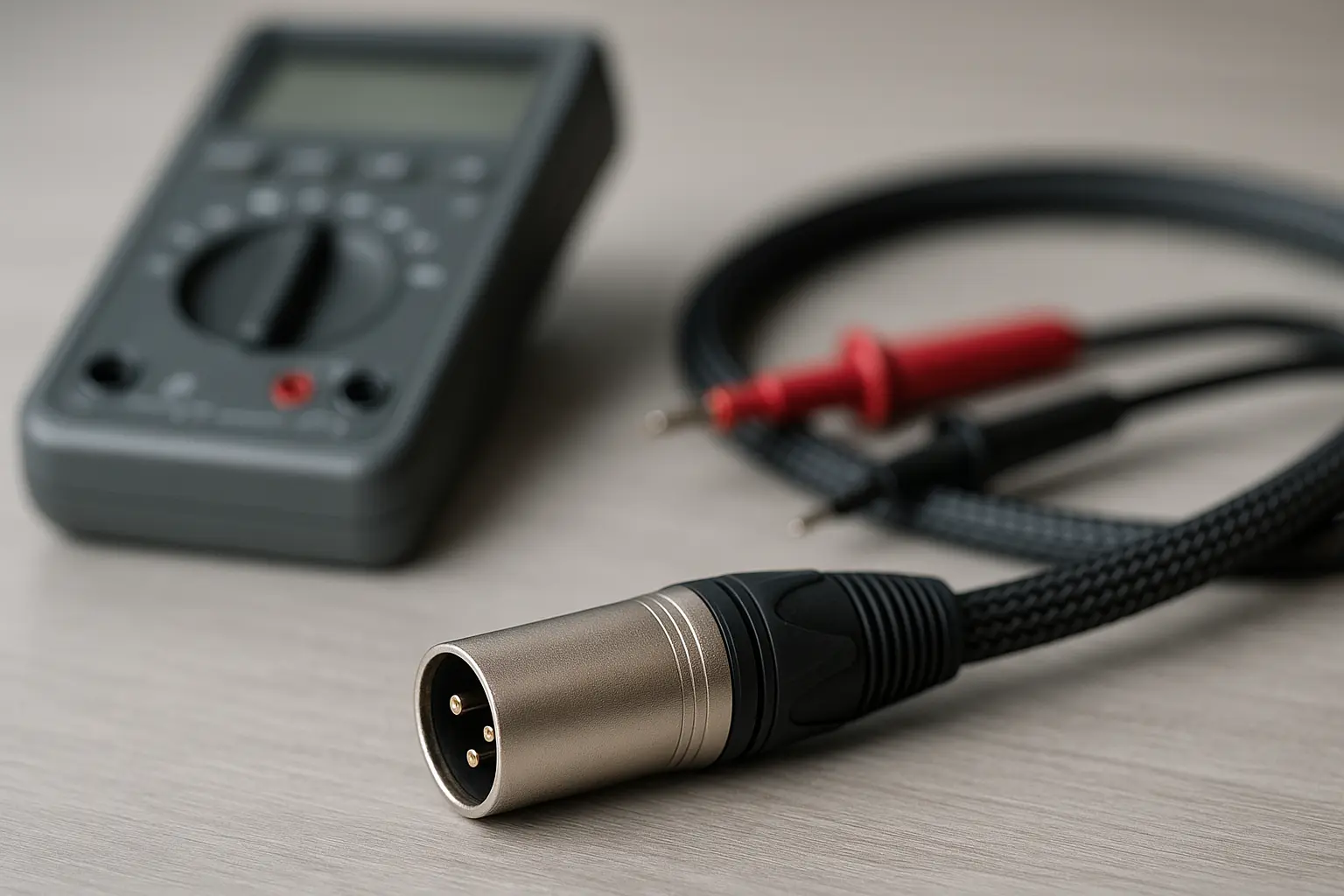
If you have problems like noise or signal loss, test the cable or try a different one to find the issue.
What’s Next for XLR Cables?
Even with new digital audio options, XLR cables remain common because of their reliability and sound quality. Many digital audio standards still use XLR connectors for audio inputs and outputs.
This means XLR cables will likely stay part of audio setups for years to come.
Frequently Asked Questions
Q: Why are XLR cables better than regular cables?
A: They use balanced wiring to reduce noise and can carry signals over longer distances without losing quality.
Q: Can I use XLR cables with regular home audio gear?
A: You can, but you might lose some benefits like noise reduction or phantom power if the equipment doesn’t support balanced connections.
Q: What is phantom power?
A: It’s a way to send power to microphones through the same cable that carries audio, so you don’t need extra power cords.
Q: How long can I make an XLR cable?
A: Usually up to 100 feet without noticeable signal loss.
Q: Are all XLR cables the same?
A: No, quality varies. Better cables have stronger connectors, better shielding, and higher quality wire.
Citations
- Lewitt Audio: https://www.lewitt-audio.com/blog/what-is-xlr
- Wikipedia: https://en.wikipedia.org/wiki/XLR_connector
- Hollyland: https://www.hollyland.com/blog/tips/what-is-an-xlr-cable-used-for
- Digilent: https://digilent.com/blog/balanced-xlr-cables-explained/?srsltid=AfmBOorXhhFy3lzbAGppym9uAeXRp6fufi04Jiny_G-0CMf81NOkvXTt
- Connector Supplier: https://connectorsupplier.com/what-is-an-xlr-connector/
- PremiumBeat: https://www.premiumbeat.com/blog/xlr-vs-jack-cables/
- Speechify: https://speechify.com/blog/xlr-cable/?srsltid=AfmBOorkDUTv_8NwVnfKr0FsWTD2KqFAnmAi2zHJmQYF6u4U5L5oFlPV
- RouteNote: https://routenote.com/blog/what-are-xlr-cables/