






Will Copper Prices Keep Rising After the Indonesian Mine Collapse? — An Audio Manufacturing Industry View
- What Happened at the Grasberg Mine
In September 2025, a major landslide hit the Grasberg copper mine in Indonesia, one of the largest in the world.
Over 800,000 tons of mud and debris poured into underground sections, forcing Freeport-McMoRan to suspend operations and declare force majeure.
Grasberg produces more than 1% of global mined copper, so when it stopped, the shock spread quickly across the global supply chain — from smelters to cable factories.
- A Supply Chain Already Under Pressure
Even before the collapse, the copper industry was walking a tightrope.
Major producers like Chile and Peru had been struggling with declining ore grades, labor strikes, and stricter environmental rules.
By mid-2025, roughly 3.7% of the world’s copper production was already offline. When Grasberg halted, another 270,000 metric tons of copper disappeared from global supply.
The result? A market that was already tense became even tighter — and prices began to surge.
- Why Copper Prices May Stay High for a While
Copper prices shot up right after the accident, and they’re unlikely to drop soon.
Here’s why prices may remain high through 2026–2027:
- Limited Supply: Grasberg isn’t expected to return to full capacity until 2027, and no other mine can easily make up the difference.
- Strong Demand:
The world’s appetite for copper is climbing fast. Electric vehicles (EVs) and AI data centers are now driving a new wave of consumption. - A typical gas-powered car uses around 24 kg of copper, mostly in wiring and motors.
- A battery-electric vehicle (BEV), however, needs about 70–90 kg of copper — more than triple the amount. (Copper Alliance & Benchmark Minerals data)
- Meanwhile, AI and cloud data centers are copper-hungry giants. Each facility can require thousands of tonnes of copper for power distribution, cooling, and network systems. Industry estimates suggest data centers could add 330,000–420,000 tonnes of annual copper demand by 2030. (Global Carbon Fund, 2024)
These new technologies are turning copper into one of the world’s most in-demand materials — and there’s no quick way to expand production. - Monetary Policy: With the U.S. Federal Reserve cutting interest rates, investors are moving money into commodities like copper as a hedge against inflation.
Before the Grasberg disaster, analysts expected a small 210,000-ton surplus in 2026. Now, forecasts show a 150,000-ton shortage — a dramatic swing that suggests prices will stay elevated for years.
- Why Audio Manufacturers Feel It First
In the professional audio world, copper is king.
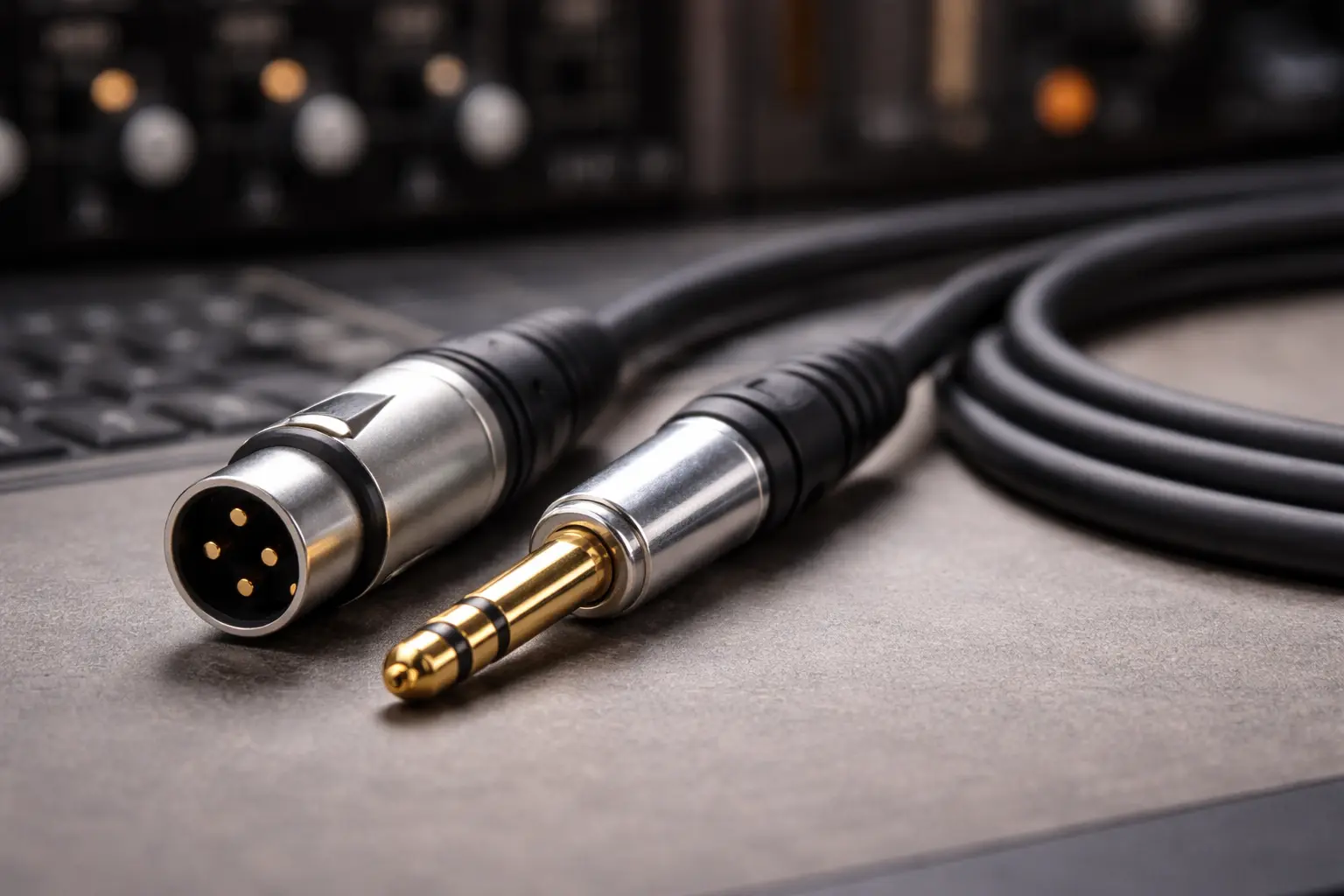
It’s the core material behind speaker cables, microphone wires, and XLR connectors — anything that carries sound signals with clarity and low noise.
Companies such as Jingyi Audio rely on 99.99% Oxygen-Free Copper (OFC) to achieve high performance. The problem is, when copper prices go up, so do their costs — fast.
Unlike electronics manufacturing, which has high R&D and automation costs, cable manufacturing is material-heavy. Copper can make up 70–80% of total production expenses.
That means every swing in the copper market goes straight to the bottom line.
- Jingyi Audio: Navigating the Cost Wave
Jingyi Audio, a long-established OEM/ODM manufacturer in Ningbo, China, faces the same cost shock as others in the industry.
Their products — XLR and Speakon connectors, speaker cables, microphone leads, and instrument cables — all depend heavily on copper.
Here’s how copper exposure varies across their product lines:
|
Product Type |
Copper Dependency |
Profit Risk |
|
Snake Cables |
Very High |
Very High |
|
Speaker Cables |
Very High |
Very High |
|
Microphone/Instrument Cables |
Medium-High |
High |
|
XLR Connectors |
Medium |
Moderate |
As copper suppliers deal with rising prices and slower deliveries, Jingyi and other manufacturers may struggle with longer lead times and shrinking margins through 2026.
- What Could Happen Next — Three Scenarios
Base Case: Prices Stay High
If Grasberg’s recovery proceeds as expected and demand keeps growing steadily, copper could hold between $10,500–12,000 per ton through most of 2026, easing slightly by 2027.
Bullish Case: Prices Go Even Higher
If major producing regions like Chile or Peru face more disruptions, or if EV and AI adoption outpace forecasts, copper could climb past $12,500 per ton and stay there for an extended period.
Bearish Case: Prices Drop
A sharp global slowdown or faster-than-expected mine recovery might cool prices, though most analysts see this as unlikely in the near term.
- How Audio Manufacturers Can Respond
Even if copper remains expensive, manufacturers aren’t powerless.
Here are some realistic moves they can make:
- Plan Purchases Smarter
Sign longer-term contracts or use basic hedging tools to smooth out price spikes. - Use Copper More Efficiently
Redesign cables or experiment with hybrid shielding materials to cut copper use without hurting performance. - Adjust Pricing Fairly
Tie product prices to copper market indexes, and offer multiple product tiers so customers can choose. - Diversify Product Lines
Expand into products with less copper, such as audio stands, racks, or digital accessories. - Be Transparent with Customers
Explain how raw material costs affect pricing. Clear communication builds trust.
- Final Thoughts
The Grasberg mine collapse didn’t just interrupt production — it changed the global copper equation.
For industries like professional audio manufacturing, it’s both a challenge and a wake-up call.
Copper will likely stay expensive, but companies that innovate, plan ahead, and adapt will come out stronger when the market finally stabilizes.
References (Full URLs Displayed)
- International Copper Study Group (ICSG):
https://www.icsg.org - Freeport-McMoRan Company Reports:
https://www.fcx.com - Copper Alliance – Electrification and Energy Efficiency:
https://www.copper.org/copperconversations/thought-leadership/electrification-and-energy-efficiency-coppers-role.php?utm_source=chatgpt.com - Benchmark Minerals Intelligence – EV Copper Demand:
https://source.benchmarkminerals.com/article/ev-copper-demand-to-grow-despite-efficiency-driven-content-reductions?utm_source=chatgpt.com - Global Carbon Fund – Data Centers & Copper Demand:
https://globalcarbonfund.com/carbon-news/data-centers-copper-hunger-how-ai-is-driving-a-looming-supply-crunch/?utm_source=chatgpt.com -
Jingyi Audio Official Website:
https://site_5615465d-0395-48c6-b01f-dc3d38213fc5