


XLR vs Jack: Which Connector is Right for Your Business Needs?
Key Takeaways
-
XLR connectors are the industry standard for professional audio systems, providing high-quality balanced signals and durability for long-distance connections.
-
Jack connectors, also known as 1/4-inch TRS or TS, are more versatile and cost-effective for many audio setups, especially in home studios and lower-scale environments.
-
Choosing the right connector depends on your specific business needs, whether it's for live sound systems, audio engineering, or OEM production.
-
This article provides a deep dive into the differences, benefits, and use cases of XLR and Jack connectors, specifically geared towards B2B clients with OEM requirements in the US market.
XLR vs Jack: What’s the Real Difference?
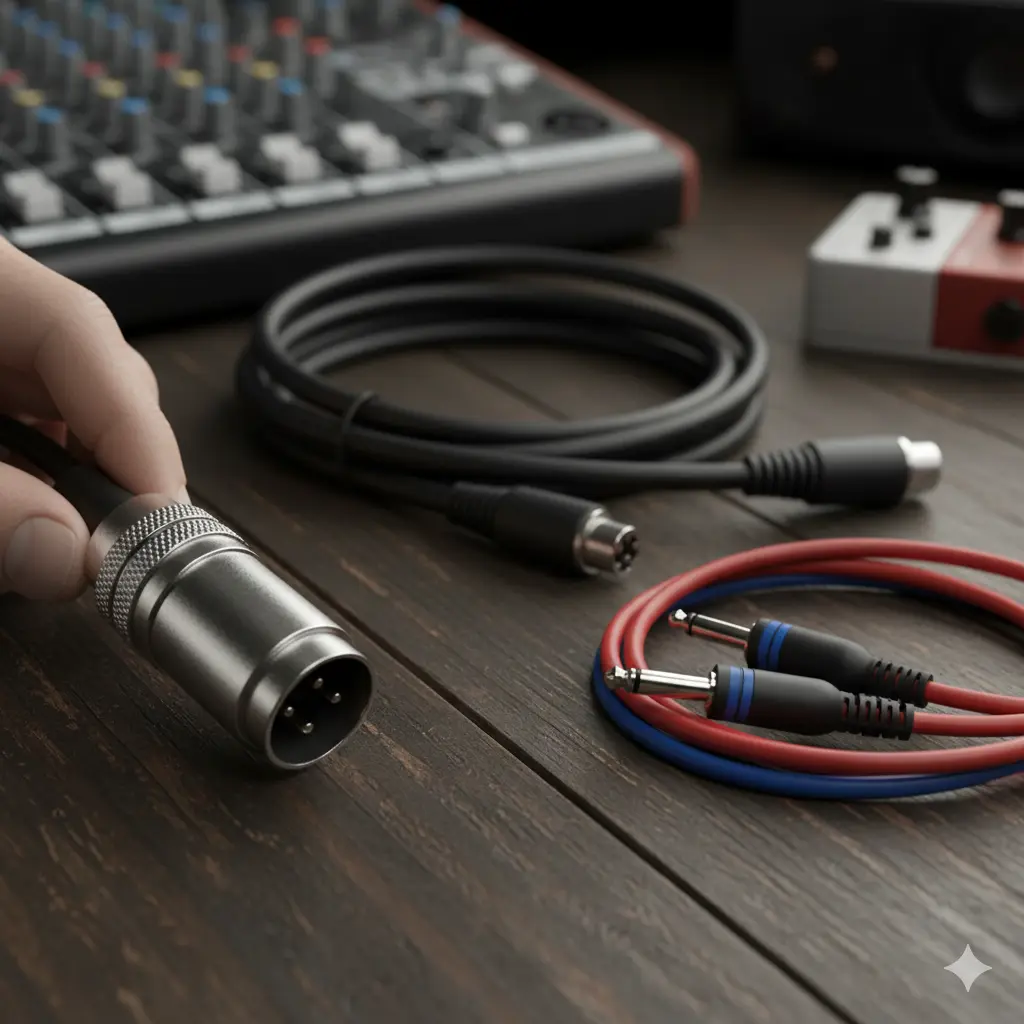
When it comes to connecting professional audio equipment, XLR and Jack connectors are the two most widely used options. Each connector has distinct characteristics that make it ideal for specific applications, whether you're working in sound production, live performance setups, or even studio recording.
While both are integral to modern audio systems, understanding the nuances between XLR and Jack connectors can help you make informed decisions, ensuring the best quality and reliability for your B2B needs.
What is an XLR Connector?
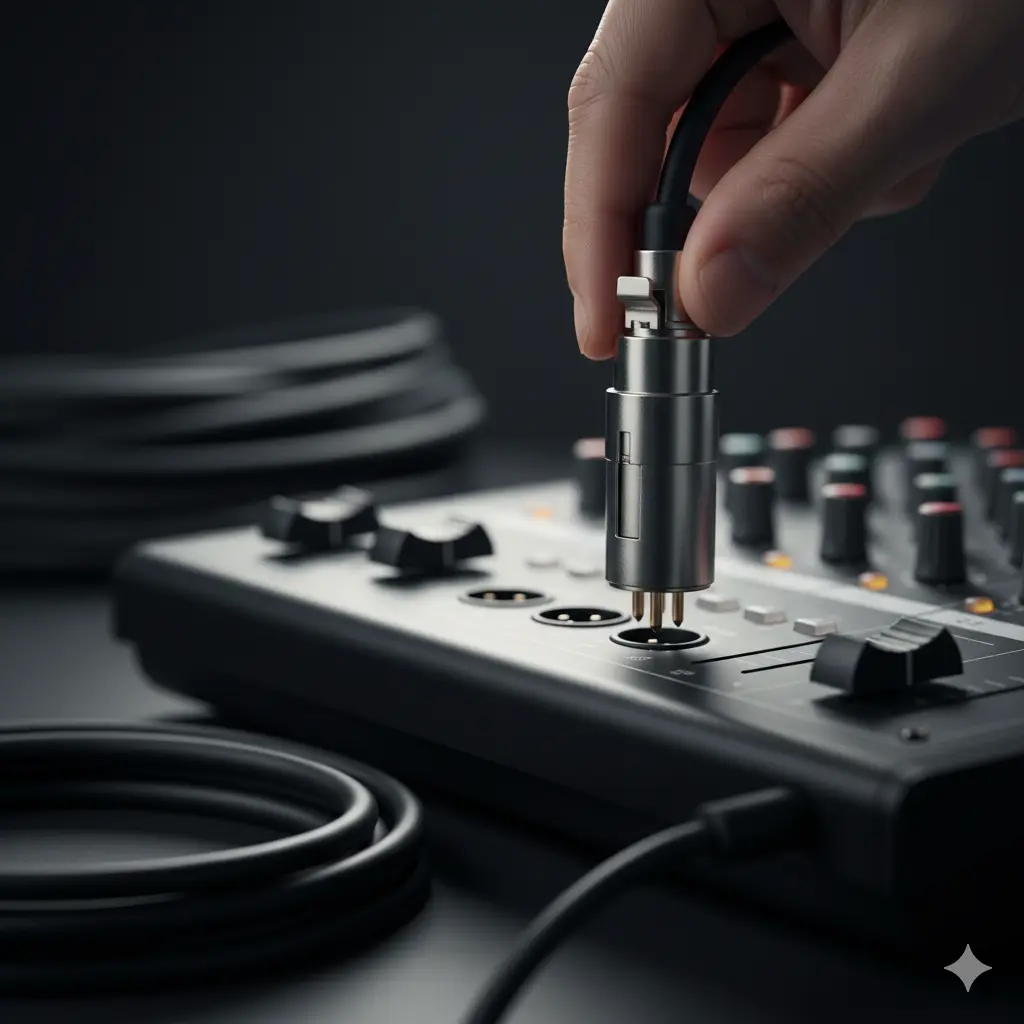
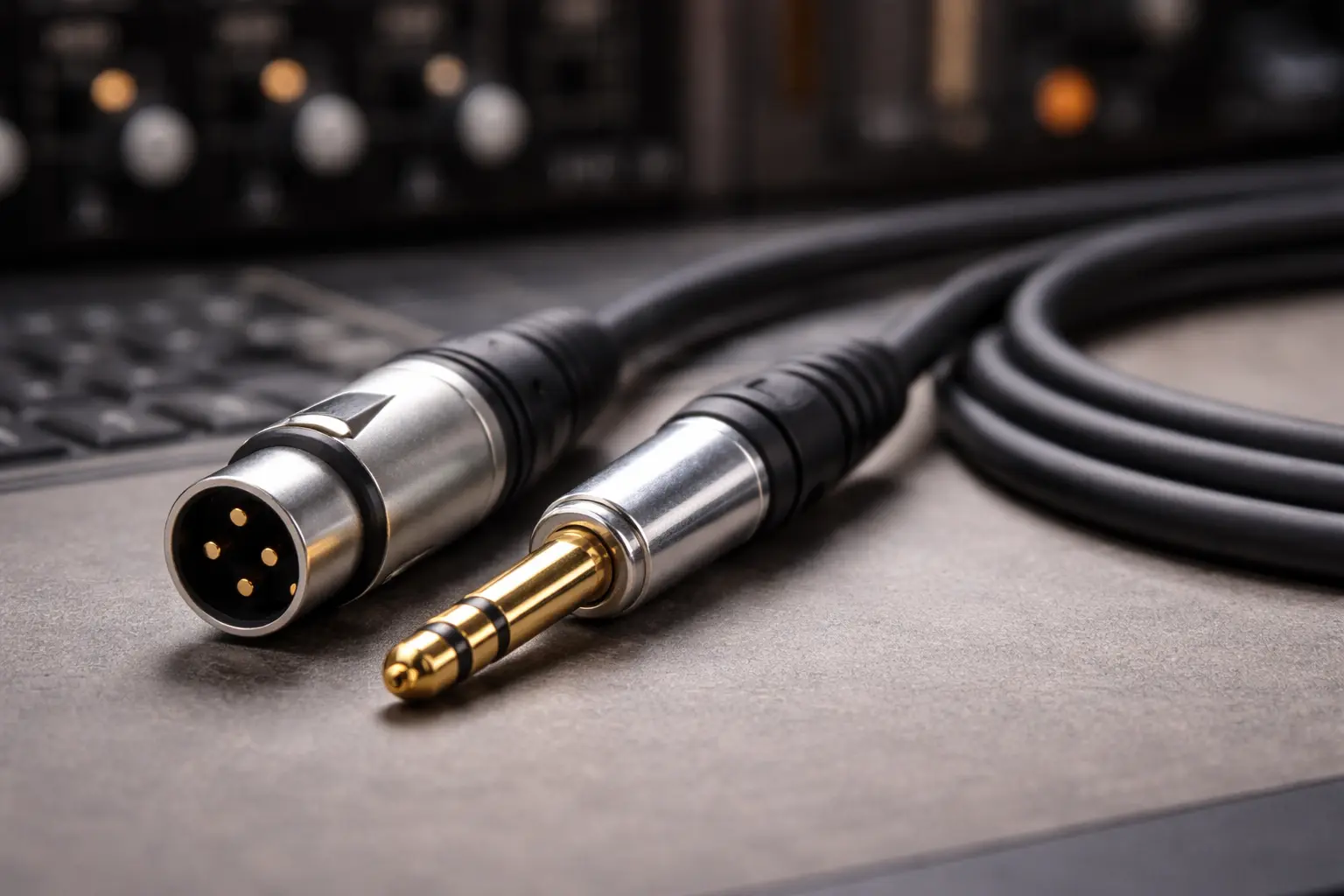
An XLR connector is widely known for its ability to transmit balanced audio signals. Typically used for microphones, mixing consoles, and audio interfaces, XLR connectors are designed to ensure high-quality signal transmission over longer distances without interference. This makes them essential in professional settings such as concerts, theater performances, recording studios, and large-scale audio systems.
-
Balanced Signal: The key advantage of XLR is its ability to carry a balanced signal, which helps eliminate unwanted noise or hum, even over long cables.
-
Durability: XLR connectors are robust and designed for heavy-duty use, making them a staple in professional audio setups where reliability is a top priority.
-
Locking Mechanism: XLR connectors are equipped with a locking mechanism that ensures a secure connection, preventing accidental disconnections during live events.
What is a Jack Connector?
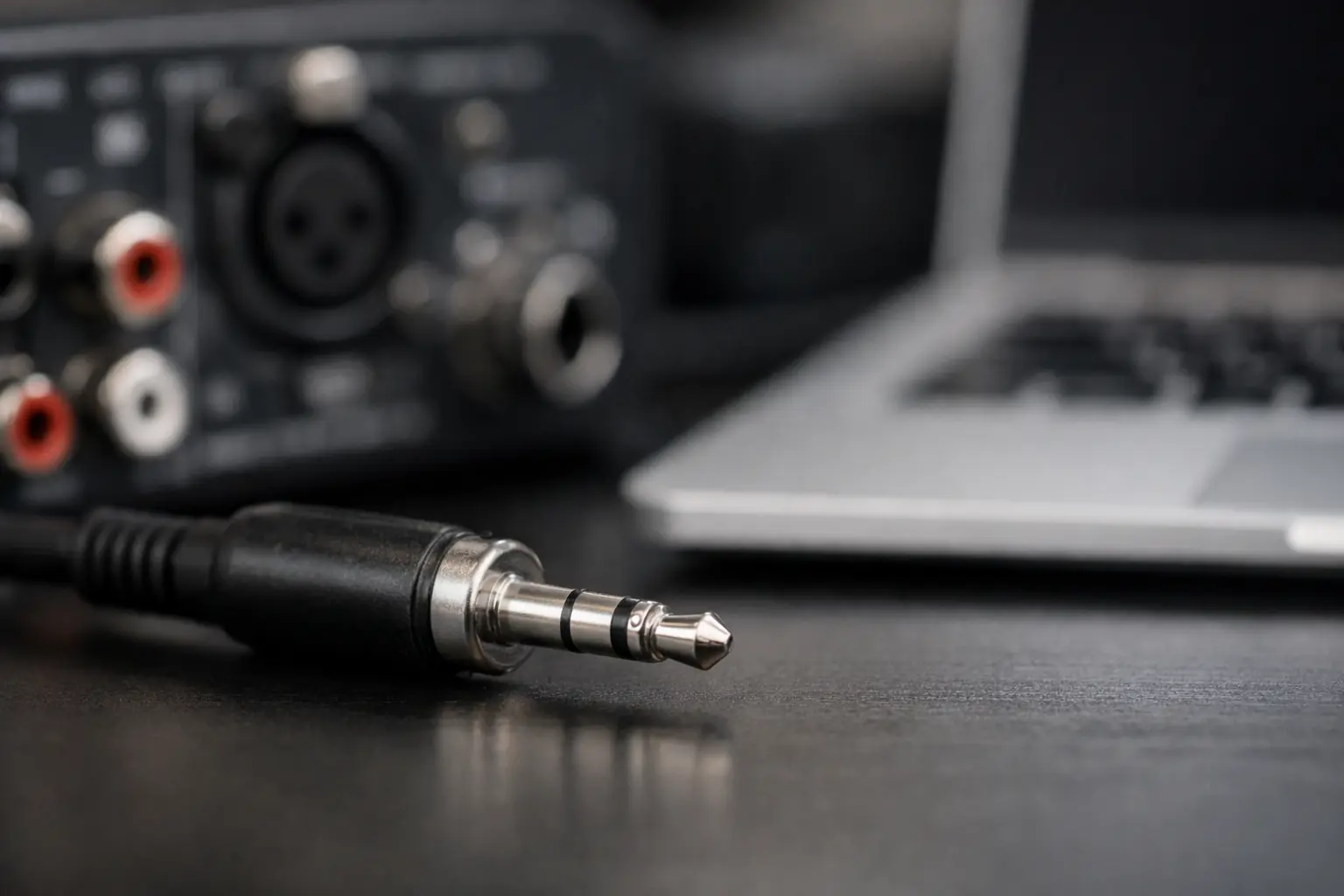
On the other hand, Jack connectors (often referred to as TRS or TS connectors) are more common in home studio setups, electric guitars, and smaller-scale applications. Jack connectors are more flexible, versatile, and cost-effective, making them a popular choice for personal or less-demanding audio systems.
-
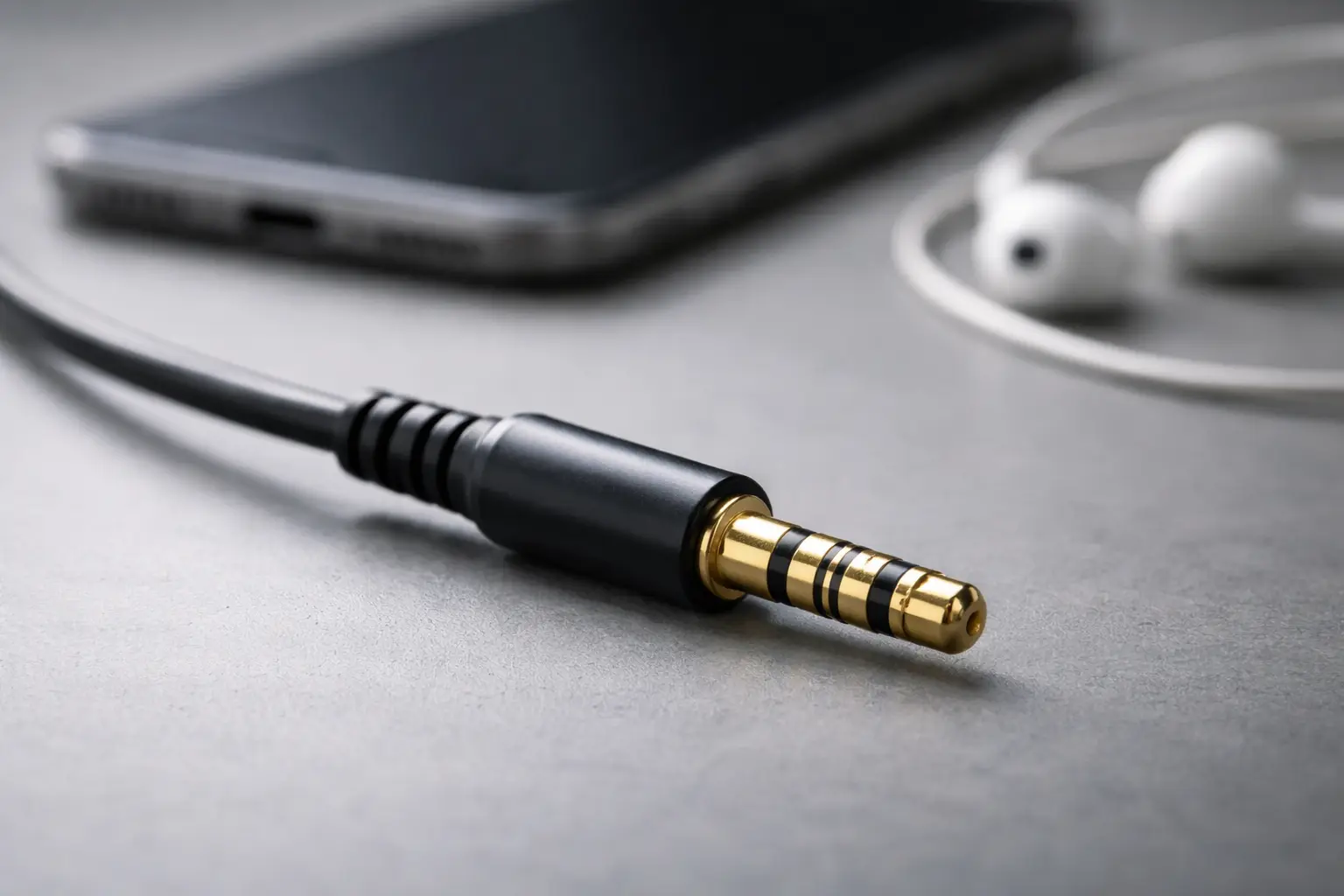
Versatility: Jack connectors come in various forms, including TRS (Tip-Ring-Sleeve) for stereo or balanced audio and TS (Tip-Sleeve) for mono signals.
-
Compact and Lightweight: Jack connectors are smaller and easier to handle, which is particularly advantageous in portable audio setups or home studios where space is limited.
-
Cost-Effective: Jack cables are generally more affordable, making them a go-to option for budget-conscious users.
While Jack connectors are great for basic setups, they can be prone to signal degradation over long distances, especially in environments with a lot of electronic interference.
XLR vs Jack: Key Differences at a Glance
| Feature | XLR Connector | Jack Connector |
|---|---|---|
| Signal Type | Balanced (for noise reduction) | Unbalanced or balanced (depending on the type) |
| Common Use | Professional audio gear, microphones, live sound | Home studios, guitar pedals, small audio setups |
| Distance | Long distance (up to 100+ feet) without signal loss | Shorter distance (up to 10-15 feet for best quality) |
| Durability | High durability, ideal for harsh environments | Less durable, ideal for light-duty use |
| Cost | More expensive | More affordable |
| Locking Mechanism | Yes (prevents accidental disconnection) | No (can be unplugged easily) |
When to Choose XLR Connectors for Your Business
If your business is involved in audio production, live events, or any professional setting where reliability and sound quality are non-negotiable, XLR connectors should be your go-to choice.
XLR for Professional Audio Systems
For example, a sound production company that handles large-scale events might choose XLR connectors to ensure stable and clean audio transmission throughout the venue. Due to their ability to carry a balanced signal, XLR cables help reduce interference and noise—crucial when you're broadcasting to hundreds of people in a live setting.
Case Study:
"XYZ Audio Engineering, based in the U.S., switched their sound systems to exclusively use XLR connectors for all live performances. This move significantly reduced interference during outdoor events and improved audio clarity even at long distances, earning positive feedback from their clients."
XLR for OEM and Large-Scale Installations
If you're in the OEM manufacturing business and need to ensure your audio systems are built to last and perform under demanding conditions, XLR connectors are a crucial choice. XLR connectors' locking mechanisms ensure that the connections remain stable, even when the system is subject to movement or vibrations.
When to Choose Jack Connectors

Although XLR connectors are the industry standard for professional setups, Jack connectors offer a variety of benefits in specific contexts, especially for smaller or more budget-conscious applications.
Jack for Home Studios and Smaller Audio Setups

For businesses that cater to home studio enthusiasts or small audio setups, Jack connectors are often sufficient. Their smaller size, ease of use, and affordability make them ideal for situations where long-distance signal transmission or extreme durability isn’t required.
Case Study:
"ABC Music Studios, a U.S.-based company specializing in affordable home recording solutions, switched to Jack connectors for their entry-level audio interfaces. This move cut costs for their clients while still providing a reliable and efficient connection for short-distance use."
Jack for Guitar and Instrumental Setups
If your business focuses on instrumental sound systems—like electric guitars or smaller audio equipment—Jack connectors are the natural choice. Many musicians and bands prefer TS or TRS Jack connectors for their instruments, as they are compact and offer the necessary flexibility for quick setup and teardown.
Best Practices for Choosing Between XLR and Jack Connectors for Your Business
When choosing between XLR and Jack connectors, keep in mind the following best practices:
-
Evaluate the Distance: For long distances (more than 10 feet), XLR is typically the better choice due to its ability to carry a balanced signal.
-
Assess the Environment: If you're working in a professional or noisy environment, XLR connectors offer superior noise rejection.
-
Consider Your Budget: Jack connectors can be more cost-effective, making them suitable for smaller setups or personal use.
Conclusion: Which Connector is Best for Your Business?
In conclusion, both XLR and Jack connectors have their unique advantages, and the right choice depends on your specific business needs. If you’re working with professional audio systems, live events, or large-scale installations, XLR connectors will likely be the best option. For smaller setups, OEM production, and affordable solutions, Jack connectors offer an ideal, cost-effective alternative.
By understanding the strengths and weaknesses of each connector type, you can make the right choice for your audio equipment, ensuring your business provides high-quality, reliable, and cost-effective solutions to your clients.
FAQ: XLR vs Jack Connectors
Q1: Can Jack connectors be used in place of XLR for professional audio setups?
While Jack connectors can work in some situations, XLR connectors are generally preferred for professional environments due to their ability to transmit a balanced signal over long distances with minimal noise.
Q2: Are there any compatibility issues when using XLR and Jack connectors together?
XLR and Jack connectors are compatible in most cases, especially if you're using TRS Jack (for balanced signals). However, be mindful of using the appropriate type (TS or TRS) for the desired application to avoid sound quality issues.
Q3: Which connector is better for outdoor events?
XLR connectors are ideal for outdoor events as they offer better durability and reliability, especially in harsh conditions. Their balanced signal ensures high-quality sound transmission, even in environments with high interference.
Q4: How do I know which connector my audio equipment requires?
Check your equipment's input and output specifications. Most professional gear, such as microphones, mixers, and audio interfaces, will use XLR connectors, while smaller instruments or consumer-grade equipment might use Jack connectors.