2026 Top Microphone Cable Selection for Global Buyers?
In the world of audio production, the choice of Microphone Cable plays a crucial role. For anyone involved in music, broadcasting, or sound engineering, selecting the right cable is vital. Quality cable impacts sound clarity and overall performance.
As global buyers navigate the market, they face numerous options. Each Microphone Cable varies in material and design, affecting durability and sound quality. Buyers must consider factors such as gauge, shielding, and connectors. These choices can seem overwhelming.
An informed selection requires understanding specific needs. It is not just about price. A good Microphone Cable can prevent unexpected failures during critical recordings. Reflection on personal experiences can guide buyers toward making better choices. Thus, understanding the significance of choices in this area is essential for achieving excellent audio results.
Key Factors to Consider When Selecting Microphone Cables
When selecting microphone cables, various factors play a critical role in performance. The right cable can enhance sound quality and ensure signal integrity. According to recent industry reports, over 30% of audio issues stem from poor-quality cables. That's a significant number for any sound professional.
One key factor is cable construction. Look for robust shielding to protect against electromagnetic interference. This shielding can reduce noise significantly. Studies show that high-quality shielded cables can improve signal clarity by up to 50%. Choose cables with balanced connections to minimize unwanted hum.
Tips: Test cables before full use. Connect them in typical settings and listen closely. Detect any distortion or noise early. Also, consider cable flexibility. Rigid cables may lead to physical strain and breakage over time. Ensure connections feel secure but can be managed with ease.
Another consideration is length. Longer cables can degrade signal quality. For best results, keep runs short whenever possible. Research indicates that signals can weaken after 50 feet, impacting overall sound fidelity. Pay close attention to these elements when making your selection, as even small details can greatly influence performance.
2026 Top Microphone Cable Selection for Global Buyers
| Cable Type |
Length (Feet) |
Shielding Type |
Connector Type |
Price Range ($) |
Best Use Case |
| Balanced XLR |
20 |
Braided Shielding |
XLR |
30-50 |
Studio Recording |
| Unbalanced TS |
15 |
Foil Shielding |
1/4" TS |
15-25 |
Live Performance |
| Microphone Cable with USB |
10 |
None |
USB Type-B |
20-40 |
Podcasting |
| TRS to TRRS |
6 |
None |
3.5mm TRS |
10-20 |
Mobile Recording |
Types of Microphone Cables Available on the Market
When selecting microphone cables, understanding the types available is essential. There are several varieties suited for different applications. The most common types include balanced and unbalanced cables. Balanced cables have three conductors to reduce noise and interference. They are ideal for professional audio setups. Unbalanced cables, however, are simpler and often used in home studios.
Another critical type is the coaxial cable. This type features a single conductor surrounded by insulation and a grounding shield. Coaxial cables excel in transmitting high frequencies over long distances. Additionally, ribbon cables are gaining popularity. They are flat and offer flexibility, making them easy to manage in tight spaces. Each type has its advantages and limitations, so assessing your needs is vital.
Audio quality can vary based on the cable type used. Poor choices may lead to signal loss and unwanted noise. Assess the environment and equipment before making a decision. A cable that works well in one scenario may not be suitable in another. Be mindful of the distances and potential interference sources. Selecting the right microphone cable can significantly impact your overall sound experience.
Comparative Analysis of Popular Microphone Cable Brands
Microphone cables are essential for connecting microphones to audio equipment. Various brands offer different qualities and features. Understanding these differences helps buyers make informed decisions. A comprehensive look at popular brands reveals strengths and weaknesses in their products.
One aspect worth noting is the build quality. Some brands use premium materials for durability. Others may prioritize cost, leading to cheaper alternatives. Users might experience issues with flexibility or breaking in high-use environments. Performance consistency is also a concern. Some cables deliver clear sound, while others may introduce noise or distortion.
When choosing a cable, consider compatibility with your equipment. Length and flexibility can impact usability in different settings. While some cables perform well in studios, they may fall short on stage. Buyers should also read reviews to gauge real-world performance. This collective insight can guide towards a suitable choice, but remember that personal experience varies.
2026 Microphone Cable Comparison
Understanding Cable Specifications: What Buyers Should Know
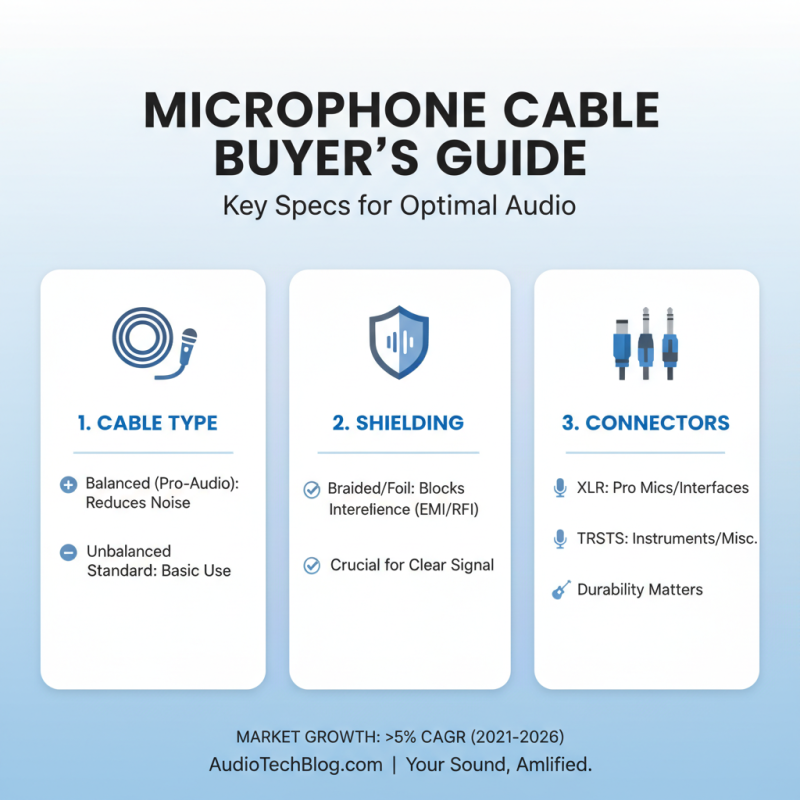
When choosing microphone cables, understanding specifications is crucial. The market for audio cables is projected to grow at a CAGR of over 5% from 2021 to 2026, as noted by various industry reports. Buyers must focus on key aspects such as cable type, shielding, and connectors to ensure optimal performance. Balanced cables, for instance, can mitigate noise interference, making them favorable for professional audio setups.
Cable length is another important factor. While longer cables are convenient, they can lead to signal loss and degradation. A report from the Audio Engineering Society highlights that beyond 20 meters, signal fidelity diminishes unless high-quality cables are used. For home studios or live performances, selecting the right length and gauge is essential for maintaining sound integrity.
Different applications call for varying specifications. For live events, durability and flexibility are key. In contrast, studio environments benefit from cables designed for low capacitance, reducing high-frequency loss. Reflecting on these factors can improve decision-making, ensuring that buyers select cables suited to their unique needs and environments. Ignoring these details may lead to costly mistakes in audio quality.
Tips for Maintaining and Storing Microphone Cables Properly
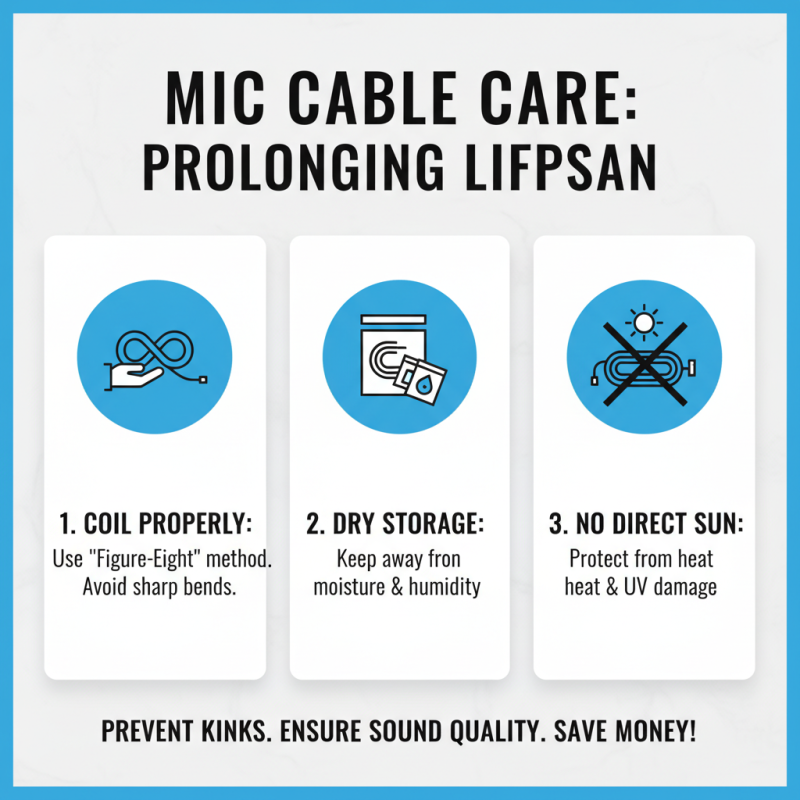
When it comes to microphone cable maintenance, a few key practices can ensure longevity. Proper storage is vital. Coiling cables without sharp bends reduces wear. Use a figure-eight method when storing. This helps to prevent kinks that can affect sound quality. Keep cables in a dry place, away from direct sunlight. Moisture and heat can damage the cables over time.
Regular inspections can also enhance cable life. Look for wear and tear signs. Frayed ends or broken connectors need immediate attention. It’s easy to overlook these issues, but they can cause sound problems. Avoid stepping on cables during use; this is a common mistake that can lead to internal damage.
Cleaning cables is another important aspect. A simple wipe with a dry cloth can remove dust and dirt. For stubborn stains, slightly damp cloths work well. Always ensure cables are completely dry before being stored again. Failing to do so can lead to corrosion. These practices might seem tedious, yet they assure clearer sound and prevent costlier repairs.