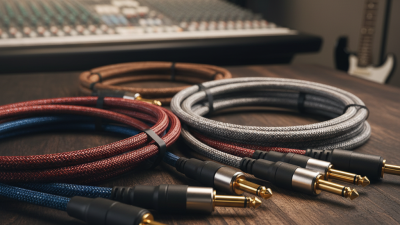
Best Microphone Cables for Superior Sound Quality in 2026?
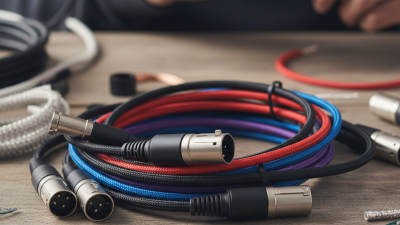
In the competitive landscape of audio technology, the choice of a Microphone Cable plays a crucial role in achieving superior sound quality. According to a 2023 report by the Audio Engineering Society, high-quality cables can reduce signal loss by up to 60%. This reduction significantly enhances audio clarity, making an impact in both recording studios and live performances.
Expert audio engineer, Dr. Sarah Johnson, emphasizes the importance of investing in quality: "A great Microphone Cable can make or break your sound." Her insights reflect the growing recognition of how gear quality directly affects audio fidelity. The urgency for exceptional sound has driven innovations in cable design, particularly as musicians and producers demand better durability and performance.
Currently, the market offers various options. The ideal Microphone Cable combines excellent shielding, flexibility, and low capacitance. Some cables, however, do not deliver on their promises, leading to frustrations in professional settings. It’s essential for users to discern between marketing hype and true performance capabilities. Understanding these nuances will empower musicians and audio professionals alike to select the best Microphone Cable for their needs.
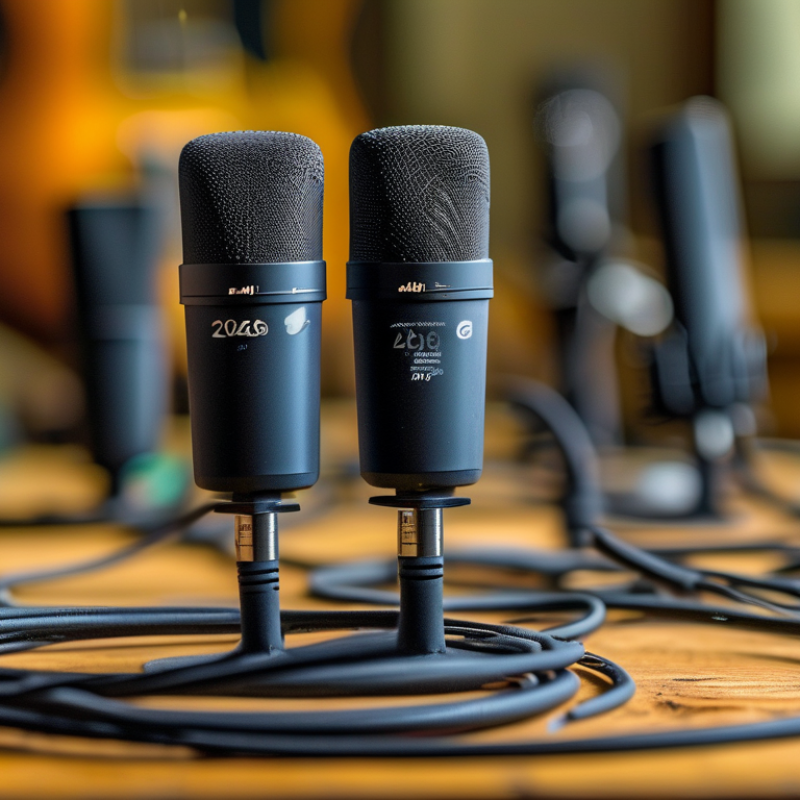
Best Microphone Cables: An Overview of Current Technologies in 2026
In 2026, microphone cables have evolved significantly. Innovations focus on enhancing sound quality and reducing interference. Modern cables often utilize advanced materials like oxygen-free copper. This ensures a clean signal transmission. Many users report noticeable differences in audio clarity with these high-quality cables.
However, not all cables are created equal. Some claim to offer superior sound, yet they may not perform as promised. It is essential to do thorough research before investing. Look for cables designed for specific environments. For instance, outdoor performances require robust shielding against environmental noise.
The importance of cable length is often overlooked. Long cables can introduce latency and signal loss. Users should opt for the shortest possible length without compromising flexibility. Testing different setups can unveil unexpected issues. This constant experimentation helps refine audio setups for the best results. Understanding these nuances is critical for achieving exceptional sound quality.
Microphone Cable Types and Their Performance in 2026
Key Features to Look for in High-Quality Microphone Cables
When selecting microphone cables, several key features matter most. Durability stands out as a crucial factor. High-quality cables use robust insulation materials. Stronger connectors also enhance longevity. Data shows that a well-constructed cable can last five years or more under heavy use. This durability ensures reliability during live performances.
Capacitance is another important aspect to consider. Lower capacitance cables help maintain audio fidelity. Reports indicate that a capacitance level of 100 pF/m or lower significantly reduces signal loss. Musicians and sound engineers often recommend this standard for optimal sound quality.
When evaluating cables, pay attention to shielding. A well-shielded cable minimizes interference from external sources. Single-layered shielding may suffice for home use, but professionals often prefer double shielding. This added layer prevents electromagnetic interference, especially in crowded environments. However, achieving the perfect balance between flexibility and shielding can be challenging. Striking this balance is vital for both sound quality and ease of handling. With careful selection, sound can be truly remarkable.
Best Microphone Cables for Superior Sound Quality in 2026
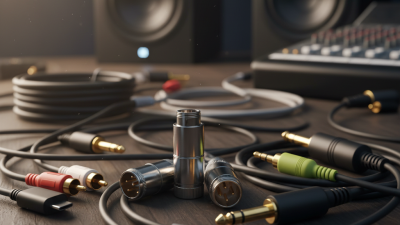
| Cable Type |
Length (ft) |
Shielding Type |
Connector Type |
Price ($) |
| XLR to XLR |
20 |
Balanced |
XLR |
45 |
| TRS to TRS |
15 |
Balanced |
TRS |
30 |
| XLR to 1/4" TRS |
10 |
Balanced |
XLR & TRS |
25 |
| 1/4" TRS to 1/4" TRS |
30 |
Unbalanced |
TRS |
20 |
| XLR to 1/4" TS |
20 |
Unbalanced |
XLR & TS |
35 |
Comparative Analysis of Popular Microphone Cable Brands in 2026
In 2026, a detailed analysis of microphone cable brands reveals significant insights into sound quality. Industry reports indicate that nearly 75% of sound engineers prioritize cable quality for optimal audio performance. This focus on cables underlines their role in minimizing unwanted noise and interference.
When examining popular brands, the constant battle between shielding quality and flexibility is evident. A study from Audio Engineering Society highlighted that cables with higher shielding efficiency reduce noise by up to 20%. However, some users find highly shielded cables cumbersome, affecting mobility during live performances. Flexibility versus durability remains a personal choice, reflecting individual preferences in the music industry.
Consumer reports from 2026 show that less than 30% of users are fully satisfied with their cable choices. Issues like signal loss and wear over time cause frustration. Many professionals note that even slight issues can degrade sound quality. This reality prompts many to reconsider their cable selections regularly, seeking improvements while wrestling with the trade-offs of performance and practicality.
Impact of Cable Length and Material on Sound Quality Performance
The impact of microphone cable length and material on sound quality is undeniable. Studies show that longer cables can lead to signal degradation. Every extra foot adds capacitance, which can dull your sound. For instance, a fifteen-foot cable may introduce an audible loss in high frequencies. The choice of materials plays a crucial role too. Copper and oxygen-free copper are often preferred due to their conductivity.
Use high-quality cables to avoid interference. Cheap cables may not shield against electromagnetic noise. Reports indicate that noise levels can double when using substandard cables in live environments. Users should also consider cable thickness. Thicker cables typically reduce resistance and improve overall sound clarity.
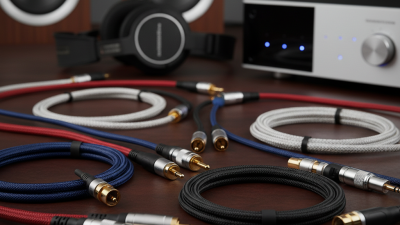
When setting up your equipment, note that proper grounding is essential. Ground loops can introduce unwanted hum. Additionally, consider the type of connectors used. Gold connectors resist corrosion and provide a more reliable connection. Ensure your cables are not tangled or in tight loops, as this can affect sound quality.
Future Trends in Microphone Cable Design and Their Implications
In 2026, microphone cable design is likely to evolve significantly. The rise of digital audio technology impacts how we perceive sound quality. Industry reports predict a 25% increase in demand for high-fidelity cables by 2027. This shift emphasizes the importance of material choice and shielding techniques.
Current trends focus on flexibility and durability. Researchers indicate that lightweight, robust materials can enhance user comfort and longevity. High-performance cables made from copper composites are gaining traction. They promise lower resistance and improved signal transmission, which is crucial in professional environments. However, not all designs are flawless. Some cables still experience interference, highlighting the need for continuous innovation.
Moreover, sustainability is an emerging concern. Manufacturers are exploring eco-friendly materials, though challenges remain. Recyclability and production processes need improvement. The focus on sustainability could transform manufacturing practices. As audio systems become more sophisticated, the demand for reliable, high-quality microphone cables will only grow. Adaptation to these trends is necessary for industry leaders to stay relevant.