How to Choose the Best Mic Audio Cable for Your Needs?
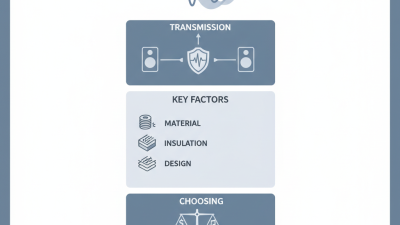
Choosing the right Mic Audio Cable can significantly enhance your sound quality. The market offers numerous options, making the selection process challenging. Understanding key factors can simplify this choice.
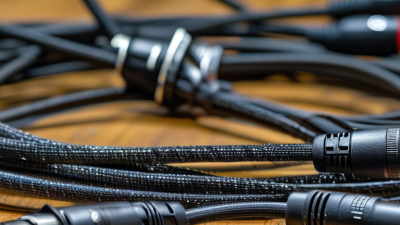
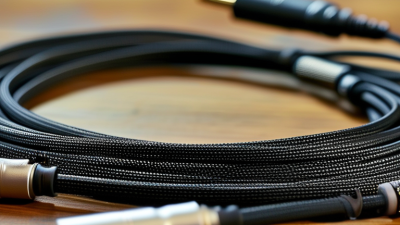
When evaluating a Mic Audio Cable, consider the cable length, type of connectors, and insulation. A longer cable might suit larger venues, while shorter cables are ideal for studio work. Different connectors, like XLR or TRS, serve specific needs. Always check for durable shielding to prevent interference.
Remember, not all cables are created equal. A cheaper option may compromise sound quality. Investing in a reliable Mic Audio Cable may save you headaches later. Exploring reputable brands can guide your decision. The right choice leads to clearer sound, making your audio experience exceptional.
Understanding the Different Types of Mic Audio Cables Available
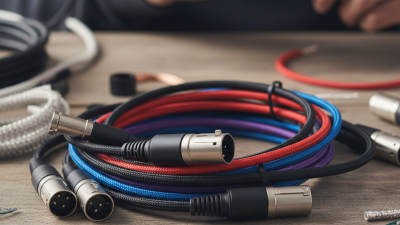
When selecting a mic audio cable, understanding the varieties available is essential. There are primarily three types: XLR cables, TRS cables, and USB cables. XLR cables are often favored for professional audio use. They provide balanced connections, reducing noise interference. TRS cables, on the other hand, are useful for instruments and consumer microphones, offering a more straightforward connection option.
USB cables have surged in popularity, especially for digital equipment. They connect directly to computers, making recording simpler and more efficient. However, they may not deliver the same sound quality as XLR in some scenarios. Each cable type has its advantages and drawbacks, and users must consider compatibility and audio quality.
Choosing the right cable depends on the setup and intended use. For instance, some may find their XLR connections cumbersome with portable gear. Others may question the need for a TRS when using higher-end equipment. Reflecting on these factors can help streamline the selection process and ensure the best audio experience.
How to Choose the Best Mic Audio Cable for Your Needs?
| Cable Type |
Length |
Shielding Type |
Connector Type |
Purpose |
| XLR to XLR |
10 ft |
Balanced |
XLR |
Studio Instruments |
| TRS to TRS |
20 ft |
Balanced |
TRS |
Live Sound |
| XLR to TRS |
15 ft |
Balanced |
XLR/TRS |
Audio Interfaces |
| TS to TS |
6 ft |
Unbalanced |
TS |
Guitar Amps |
| XLR to 1/4" |
25 ft |
Balanced |
XLR/1/4" |
Mixing Consoles |
Evaluating Cable Length for Optimal Performance and Flexibility
When selecting a mic audio cable, cable length plays a crucial role in performance and flexibility. A common recommendation is to keep cable lengths as short as possible, typically under 15 feet for professional settings. Longer cables can lead to signal degradation and unwanted noise, affecting the audio quality. Reports indicate that every additional foot may reduce audio fidelity by approximately 0.5%, depending on the cable quality.
Tips: Always test the cable length in practice setups. This ensures that it fits well without compromising sound quality. If you need longer cables, consider using a signal booster to maintain quality across distances.
On the flip side, longer cables can provide more freedom of movement. Musicians or speakers may prefer longer lengths in live settings. However, a distance over 25 feet can introduce unwanted interference. It's essential to evaluate your specific needs based on the environment and equipment you are using. Keep in mind that not every setup requires the same cable length.
Tips: Invest in high-quality cables. This can mitigate some of the disadvantages of longer lengths. Additionally, regularly check for wear and tear, which can affect performance.
Assessing Connector Types and Their Compatibility with Equipment
When it comes to selecting a mic audio cable, understanding connector types is crucial. Different connectors serve unique purposes and fit various equipment. For example, XLR connectors are the standard for professional microphones. They provide a balanced connection, reducing noise during transmission. However, not every device supports XLR input.
Consider your equipment carefully. If you are using a camera or a portable recorder, you might encounter 3.5mm or TRS connectors. These are common in consumer-grade gear but may not offer the same quality as professional connectors. Some devices may require adapters. This may complicate things and introduce signal loss if not done properly.
Take the time to assess compatibility. Not all cables fit all connectors. Even slight differences in a connector type can lead to issues. For instance, a stereo connector may not work with a mono input. Identifying the correct cable type is essential. Reflecting on the specifics of your setup will lead to better sound quality in your projects.
Identifying Cable Materials for Durability and Signal Quality
Choosing the right mic audio cable can significantly impact sound quality and durability. The materials used in cables play a critical role in performance and longevity. Copper is a popular choice due to its excellent conductivity. However, not all copper is created equal. Oxygen-free copper (OFC) offers better resistance to corrosion, making it a reliable option for long-term use.
Another crucial factor is insulation. PVC is common, but it can wear out over time. Consider cables with high-quality rubber or nylon jackets for added durability. These materials protect against fraying and internal damage. Additionally, look for braided shielding. It helps prevent interference and minimizes noise, leading to a clearer sound.
While selecting cables, reflect on your specific needs. A heavy-duty cable may be ideal for live performances, while lighter options might suffice for home use. Think about the environments where you’ll use the cables. Exposure to elements can deteriorate the material quickly. Hence, investing in durable options can save you money in the long run. Even small decisions can have significant effects on your audio quality.
Analyzing Price vs. Performance for Your Budget Considerations
When selecting the right mic audio cable, price and performance play vital roles. A good quality cable can dramatically enhance sound fidelity. Industry reports show that a cable's price does not always correlate with performance. For example, a study by the Audio Engineering Society found that while premium cables can improve longevity, budget cables often deliver satisfactory sound quality for most applications. Understanding your needs is essential in making this choice.
Performance metrics like signal loss and interference can impact your audio experience. A reliable cable should have low capacitance to avoid high-frequency loss. According to a report by Sound on Sound, cables with a capacitance below 100 pF/m are recommended for optimal performance. However, some high-priced cables may offer little improvement in sound compared to mid-range options. It's crucial to assess how often you'll use the cable and under what conditions.
Sometimes, a high price tag can mislead consumers into thinking they are getting superior quality. Assess your needs realistically before making a purchase. Not every situation requires a top-tier cable. Conducting personal tests can also help discern the differences that truly matter in your specific setup. Reflecting on these elements will aid in making an informed decision within your budget constraints.
Audio Cable Performance vs. Price