Top 5 Tips for Choosing the Right Speaker Sockets?
Choosing the right speaker sockets is crucial for audio performance. Industry expert John Matthews states, "A good connection leads to great sound quality." When selecting speaker sockets, one must consider several factors.
Quality and compatibility are key aspects. High-quality materials can enhance durability and sound integrity. Users often underestimate this. In practice, the wrong choice can lead to poor audio results.
One should also contemplate the size and installation method. Many overlook these details, leading to future complications. Evaluating these elements will ensure a satisfactory audio experience with your speaker sockets.
Understanding the Different Types of Speaker Sockets Available
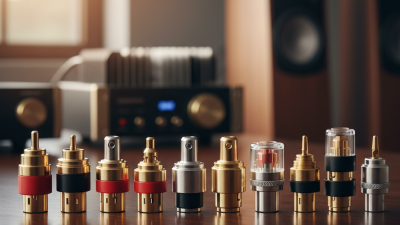
When choosing speaker sockets, understanding the different types available is crucial. There are various sockets designed for specific audio setups. The most common types include binding posts, banana plugs, and screw terminals. Binding posts are versatile and reliable. They allow for easy connection and disconnection of speaker wires. Banana plugs provide a secure fit and simplify the plugging process. Screw terminals, while less common, are sturdy and straightforward.
It's important to consider what fits best with your audio equipment. Some might prefer banana plugs for their convenience. Others may opt for binding posts for their flexibility. Reflect on how you intend to use your speakers. Will you connect frequently or leave them set up? This decision influences the socket type you choose.
Quality matters. Not all sockets are created equal. Poor-quality sockets can cause audio issues. They may lead to signal loss or even damage your equipment. Take the time to research different options. Read reviews and seek expert opinions. However, remember that your needs may differ from others. Hands-on experience can sometimes lead to unexpected insights. Don’t hesitate to experiment with different types.
Evaluating Compatibility with Your Existing Audio Equipment
When selecting speaker sockets, compatibility is crucial. Assess the specifications of your existing audio equipment before making a choice. Consider factors like impedance and wattage ratings. Ensure the sockets can handle the power needs of your speakers. Mismatched ratings can lead to poor performance. Overloading a socket can cause damage, so pay close attention to these details.
Check the connection type used in your equipment. Common types include binding posts and banana plugs. Ensure the sockets you choose can accommodate these connections. This can prevent frustrating installation issues later. It’s easy to overlook these details, but they significantly affect audio quality.
Evaluate the physical layout of your audio setup, too. Sockets should be accessible for easy connection. It’s important to have enough space between each component. Sometimes, it’s worth investing time in rearranging your setup for better accessibility. A well-organized system can make a significant difference in user experience. Reflect on your needs and setup frequently, making adjustments as necessary.
Assessing Durability and Build Quality of Speaker Sockets
When choosing speaker sockets, durability and build quality are paramount. These components face significant wear over time. High-quality materials ensure they withstand daily use and environmental factors. Look for sockets made from robust metals and durable plastics. These materials resist corrosion and damage. Poor construction often leads to electrical issues or even complete failure.
Examine the design closely. Sockets with reinforced connections are less likely to develop faults. The grip of the socket should feel secure when attaching wires. It’s a simple detail, but essential for consistent performance. A flimsy design may compromise audio quality and safety. Additionally, consider the weight of the socket; heavier options tend to indicate better quality.
While aesthetics might attract you, don’t overlook performance factors. Sometimes, a sleek design can mask underlying weaknesses. Conducting a tactile test can reveal much about build quality. Trust your senses. Questioning durability is vital. After all, investing in reliable speaker sockets can enhance your audio experience significantly. It’s worth reflecting on your choices and their long-term impacts.
Top 5 Tips for Choosing the Right Speaker Sockets - Assessing Durability and Build Quality of Speaker Sockets
| Tip Number |
Tip Description |
Material Quality |
Expected Lifespan |
| 1 |
Choose high-grade materials |
Copper or gold-plated contacts |
10+ years |
| 2 |
Prioritize sturdy construction |
Metal housing, reinforced connections |
5-10 years |
| 3 |
Ensure compatibility with equipment |
Standardized dimensions |
N/A |
| 4 |
Check for resistance to environmental factors |
Corrosion-resistant alloy |
5-8 years |
| 5 |
Look for user reviews and ratings |
Varies by brand |
N/A |
Considering Connection Types: Wired vs. Wireless Options
Choosing the right speaker sockets involves understanding connection types. Wired and wireless options each have unique benefits. Wired connections offer reliability. They provide consistent sound quality. You won’t experience dropouts or interference. This makes them ideal for serious audio enthusiasts. However, installation can be cumbersome. You may need additional tools or professional help.
Wireless options, meanwhile, offer flexibility. They allow speaker placement without worrying about cables. Setting them up is usually straightforward. Yet, wireless connections can be unstable. Factors like distance and interference can affect performance. Battery life is another concern. Frequent charging can be inconvenient for many users.
When selecting speaker sockets, weigh these options carefully. Think about your space and how you plan to use your system. A wired connection might be perfect for a dedicated home theater. If you desire a clean look with minimal clutter, wireless may suit you better. Each choice has its pros and cons, so reflect on what matters most to you.
Analyzing Price vs. Performance for Optimal Value
When choosing speaker sockets, analyzing price versus performance is crucial for getting the best value. According to a report by the Audio Engineering Society, quality often correlates with price, but not always. Many budget-friendly options perform exceptionally well, challenging the notion that higher prices guarantee superior sound.
Tip 1: Assess your specific audio needs. If you require high-fidelity sound for professional use, prioritize quality over cost. Conversely, for casual listening, affordable options may suffice.
Another key factor is material. Some affordable sockets use inferior materials, which can impact performance. The Consumer Electronics Association highlights that high-quality materials enhance durability and sound quality.
Tip 2: Research independent reviews. This can uncover performance insights that aren’t obvious from the specifications alone. Many users appreciate a balance of cost and performance in their reviews.
Lastly, consider the warranty and customer support offered. A well-supported product often reflects the manufacturer's confidence in their design. A 2023 survey found that 67% of consumers value warranty length when making purchasing decisions.
Tip 3: Don’t ignore installation ease. Sometimes, the lowest price might lead to complicated setup or lackluster support, diminishing overall satisfaction. Investing time in careful selection could save you stress later on.