What is Rca Wire and How to Choose the Best Options?
Rca Wire is a crucial component in audio and video systems. Its role in transmitting signals clearly is indispensable. A report by MarketsandMarkets indicates the audio and video cable market is expected to reach $20 billion by 2025. High-quality RCA wires ensure superior sound and video output, making them essential for both professionals and enthusiasts.
Choosing the right RCA wire can be challenging. Factors like material quality and length significantly impact performance. According to industry experts, using low-quality cables often leads to signal degradation. This can result in poor sound clarity and visual distraction. It's essential to consider efficiency and compatibility when selecting RCA wires, as mismatches can lead to frustrating experiences.
Despite advancements, many still underestimate the importance of RCA wire selection. Users often choose based on price rather than quality, which can compromise their systems. Understanding the specifications and features can lead to better choices, further enhancing audio and video experiences. In a world where technology evolves rapidly, ensuring the right connections is vital.
What is RCA Wire and Its Key Characteristics
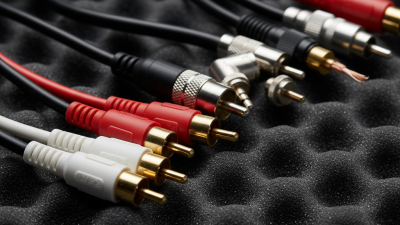
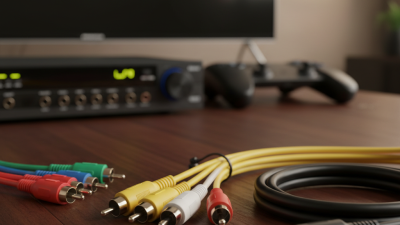
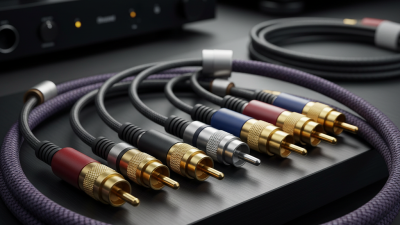
RCA wire, or Radio Corporation of America wire, is a type of electrical cable commonly used for audio and video connections. Its main characteristic is a single, coaxial design. This design helps reduce interference, ensuring clear sound and image transmission. The RCA wire typically features color-coded connectors: red and white for audio, and yellow for video. This creates a user-friendly connection for various devices.
When choosing RCA wire, consider the length you need. Longer cables can result in signal loss, affecting performance. It’s essential to find a balance between length and quality. Look for cables well-shielded against interference. Good shielding can enhance audio and video quality significantly.
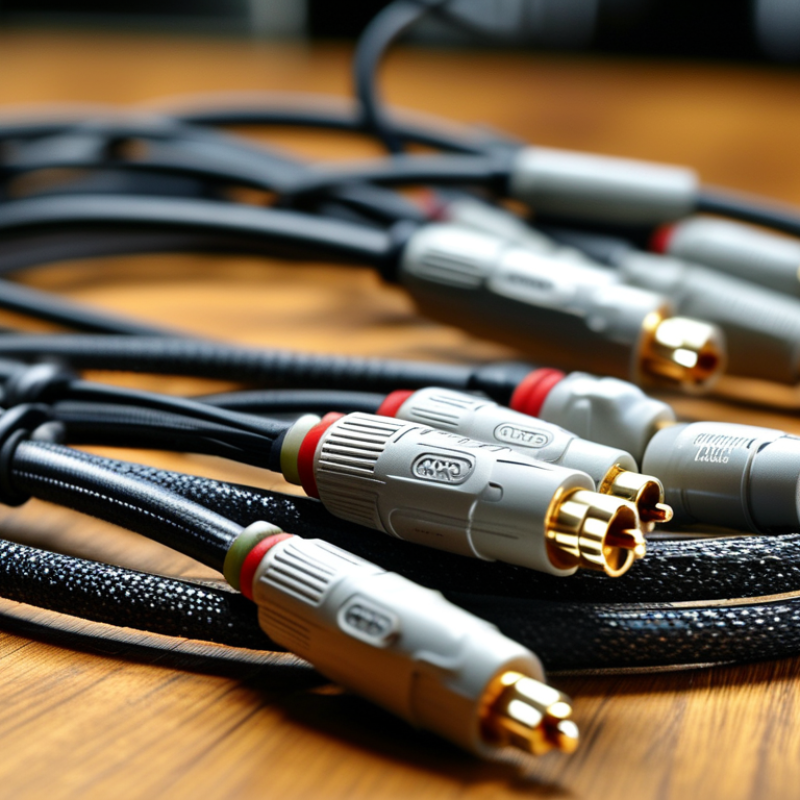
Tips: Always check the connectors for corrosion or wear. Damaged connectors can impact signal transfer. Additionally, consider cables with gold-plated connectors for better conductivity. This small detail can make a difference in your audio experience. Regularly assess your setup to ensure everything is working optimally. It's easy to overlook small issues that can degrade performance.
Understanding the Different Types of RCA Wire
RCA wire is essential for connecting audio and video equipment. It carries signals between devices like TVs, speakers, and gaming consoles. Understanding the types of RCA wire is crucial to making the right choice. There are several types, including standard, stereo, and composite RCA cables. Each has unique characteristics suited for different tasks.
Standard RCA wires are often used for audio connections. They deliver a clear sound with minimal interference. Next, stereo RCA cables have two connectors for enhanced audio quality. Composite RCA cables combine three connectors for video signals. Selecting the right type depends on your equipment and desired quality.
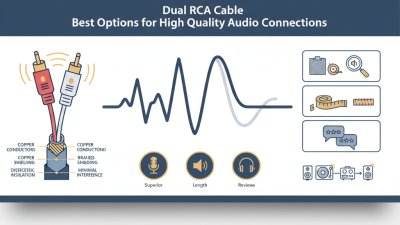
When choosing RCA wire, consider the materials used. Copper wires offer better conductivity compared to aluminum. Pay attention to shielding as well. Well-shielded cables reduce signal loss and interference.
Tips: Always review user feedback on wire performance. Take note of compatibility with your devices. Sometimes, a cheaper wire might not meet your needs. It’s worth investing in better quality when connecting high-end equipment.
Factors to Consider When Choosing RCA Wire
When choosing RCA wire, several critical factors come into play. The wire gauge, for instance, significantly impacts the sound quality. According to industry reports, a lower gauge (like 16 AWG) is often recommended for long distances. This is because thicker wires minimize resistance and signal loss. However, many audio enthusiasts still use 20 AWG for short runs, believing that thinner wires produce a more nuanced sound. The choice often boils down to personal taste.
Another important consideration is the shielding of the wire. Effective shielding reduces interference from external sources. Research shows that wires with dual shielding provide better protection against electromagnetic interference. Coaxial construction, for example, can greatly enhance audio clarity. However, not all users perceive the benefits. Some may prefer unshielded wires, claiming a more authentic sound experience. The trade-off between protection and sound purity remains a topic of debate among audiophiles.
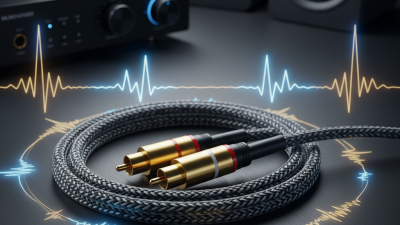
Lastly, the type of connectors used should not be overlooked. Gold-plated connectors resist corrosion better than nickel alternatives. Data indicates that connection quality can influence performance. A loose or unstable connection often leads to dropouts. Many novice users may not recognize this, leading to frustration. Thus, investing in high-quality connectors is advisable for consistent performance in audio setups.
What is Rca Wire and How to Choose the Best Options? - Factors to Consider When Choosing RCA Wire
| Wire Type |
Length |
Shielding |
Connector Type |
Price Range |
Best Use Case |
| Standard RCA |
3 ft |
Unshielded |
Gold-plated |
$5 - $10 |
Home audio systems |
| Twisted Pair RCA |
6 ft |
Shielded |
Nickel-plated |
$15 - $25 |
Professional audio and video |
| High-Performance RCA |
12 ft |
Highly shielded |
Gold-plated |
$30 - $50 |
Audiophile setups |
| Budget RCA |
2 ft |
Unshielded |
Standard |
$2 - $5 |
Casual use |
| Dual-Monitored RCA |
10 ft |
Shielded |
Gold-plated |
$20 - $35 |
Studio recording |
Common Applications of RCA Wire in Audio and Video
RCA wire plays a crucial role in the audio and video industries. These cables transmit analog signals, connecting various devices like TVs, DVD players, and gaming consoles. Their simplicity and effectiveness have made them a staple in many home setups. According to industry reports, RCA cables account for a significant share of the audio cable market, emphasizing their continued relevance.
One common application of RCA wires is in home theater systems. They connect audio outputs from devices to speakers, ensuring sound quality and accuracy. The color-coded connectors simplify the process for users. Red and white indicate right and left audio channels, respectively, while yellow is for video. This color convention reduces confusion and enhances usability.
RCA wires also serve in recording studios. They facilitate connections between mixing boards and sound equipment. The reliability of these cables helps ensure that artists and engineers achieve the desired sound quality. However, not all RCA cables are created equal. Users may encounter variations in quality and shielding, resulting in potential signal loss. This highlights the importance of careful selection based on specific needs and equipment compatibility.
Tips for Proper Installation and Maintenance of RCA Wire
Proper installation and maintenance of RCA wire can significantly enhance audio and video quality. RCA wires are commonly used in home theaters and audio systems. To ensure optimal performance, it is crucial to recognize common installation pitfalls. For instance, poor wire management can lead to interference. According to industry reports, nearly 30% of audio issues arise from improper RCA connections.
When installing RCA wires, avoid tight bends and kinks. This can damage the wire over time. Instead, use gentle curves to maintain signal integrity. Additionally, make sure connections are secure. Loose fittings can introduce noise. A reliable connection can create a noticeable difference in sound quality. Quality documents suggest that proper connection might improve signal-to-noise ratios by up to 25%.
Regular maintenance is key to preserving RCA wire performance. Inspect connectors for dirt or corrosion. Cleaning can prolong the life of your cables. Some experts recommend using a specialized contact cleaner to maintain optimal performance. Over time, wear and tear can degrade signals. Addressing these small issues can save you from costly replacements.
RCA Wire Quality Comparison
The chart above compares the signal quality of different RCA wires measured in decibels (dB). A lower dB value indicates better performance. When choosing RCA wire, consider both the signal quality and the installation conditions to ensure optimal audio or video transmission.