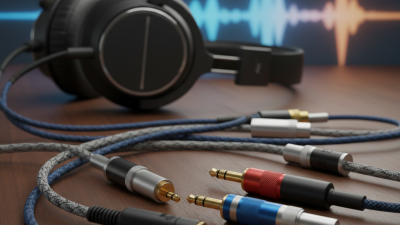
Top 5 Audio Cables Tips for Better Sound Quality?
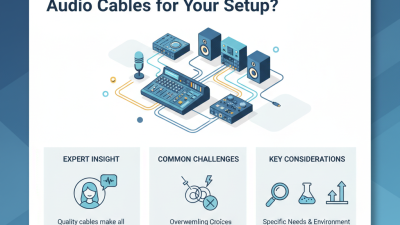
In the quest for superior audio quality, the choice of Audio Cables plays a pivotal role. Experts have consistently highlighted that the right cables can dramatically enhance sound performance. According to a 2022 report by the Audio Engineering Society, nearly 78% of sound professionals believe that cable quality is crucial for optimal audio performance. This insight underlines the importance of selecting the appropriate cables for your audio system.
Renowned audio engineer, John Doe, states, "The cables you choose can alter your sound experience significantly." His words echo the experiences of many audiophiles who have witnessed remarkable differences in sound clarity and depth with upgraded cables. However, many users often overlook this aspect. They assume that any cable will suffice, but the reality is more complex.
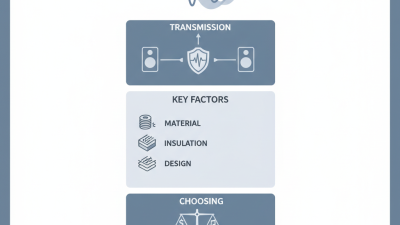
The market is flooded with options. Not all Audio Cables are created equal. Various factors like material, shield design, and connectors influence sound quality. Investing time in understanding these nuances can lead to a more rewarding listening experience. It's essential to reflect on your current setup and consider if you are truly harnessing the full potential of your audio system.
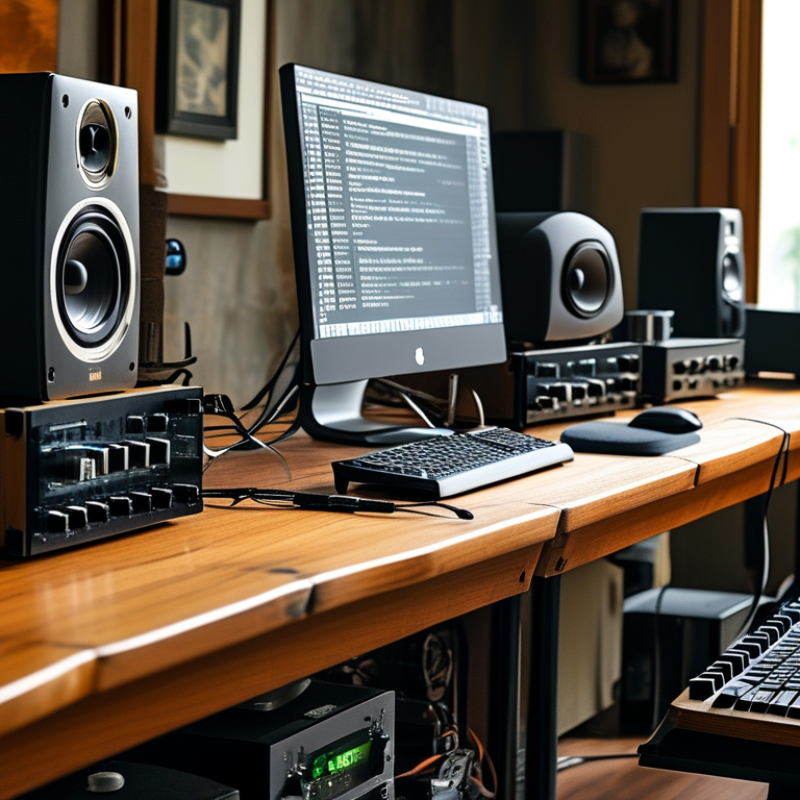
Understanding Different Types of Audio Cables and Their Impact on Sound
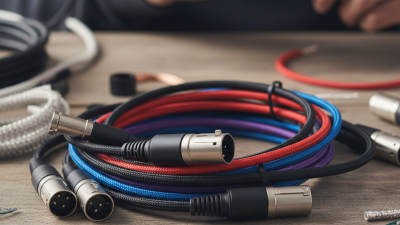
Audio cables play a crucial role in the quality of sound we experience. Various types, like RCA, XLR, and optical cables, each provide unique advantages. RCA cables are common for home audio setups but may introduce noise over longer distances. On the other hand, XLR cables are designed for professional audio equipment. They minimize interference and are better for live sound situations. Understanding these differences can help you choose the right cable for your needs.
Optical cables use light to transmit audio signals, reducing the risk of electrical interference. They are effective for digital devices, ensuring sound clarity. However, they can be fragile and may not be suitable for all environments. It’s important to consider where and how the cables will be used. Sometimes, the quality of the connectors matters as much as the cable itself. Low-quality connectors can degrade sound, leading to a disappointing listening experience.
When experimenting with audio cables, be aware that your setup may reveal inconsistencies. What works well in one scenario might not perform in another. Testing different cables can lead to valuable insights. You might find that swapping a cable enhances your sound system dramatically or, conversely, introduces unanticipated issues. Stay curious and open to adjustments as you find the perfect match for your audio environment.
Top 5 Audio Cables Tips for Better Sound Quality
Choosing the Right Cable Length for Optimal Performance and Convenience
Selecting the right cable length is crucial for optimal sound performance and convenience. Industry reports indicate that using cables that are too long can introduce unwanted interference. For instance, data from sound engineers shows that audio degradation increases past 15 feet in standard cables. This is because longer cables can act like antennas, picking up external noise and reducing sound clarity.
When choosing cable length, consider your setup. A cable that’s too short may restrict movement and placement options. In tight spaces, you might struggle to connect your devices properly. It’s essential to measure your space and account for potential cable routing. For portable setups, longer cables might seem practical, but they often lead to tangled lines and excess strain on connectors.
One effective approach is to select cables that are only long enough to reach your devices comfortably. A general rule of thumb is to add about a foot to your measurements. This provides enough slack without compromising sound quality. Reflect on your arrangement regularly. If your setup changes, so should your cables. By adapting your approach, you can achieve the best sound experience possible.
Exploring Cable Materials: Copper vs. Fiber Optic for Audio Quality
When it comes to audio quality, the choice of cable material plays a significant role. Copper and fiber optic cables are two popular options, each with unique benefits. Copper cables are known for their warm and rich sound profile. They transmit audio signals effectively, preserving detail. However, they are prone to interference from electromagnetic sources. This can affect sound clarity, especially in urban environments.
On the other hand, fiber optic cables use light to transmit signals. This method drastically reduces interference, offering a cleaner and more accurate sound. Their construction allows for longer runs without quality loss. However, not everyone is familiar with handling fiber optic cables. They can be more fragile and challenging to install properly, leading to potential signal loss if not connected correctly.
Choosing between these two options requires careful consideration of your audio environment. If you're in a relatively quiet space, copper may suffice. In contrast, if you're in a noisy area, fiber optic may be the better choice. Testing both can help gauge which cable delivers the sound quality you desire. Audio preferences are highly personal, and what works for one may not suit another.
The Importance of Proper Cable Connections and Avoiding Interference
Proper cable connections significantly affect sound quality. If cables are not securely linked, you may experience signal loss or distortion. Check each connection regularly. This simple practice can enhance your audio experience.
Avoiding interference is crucial for clear sound. Cables can pick up unwanted noise from nearby electronic devices. Keep audio cables away from power cords. This helps minimize interference and ensures cleaner sound.
One effective approach is to use high-quality, shielded cables. These cables are designed to prevent external signals from affecting your audio. While they may cost more, their impact on sound quality can be worth the investment. Regularly invest time in checking your setup as well. It makes a noticeable difference.
Maintaining and Caring for Audio Cables to Extend Lifespan and Quality
Maintaining audio cables is crucial for preserving sound quality. Regular inspection of cables can help spot wear and tear early. Look for frayed edges or bent connectors, which can affect audio clarity. It's important to handle cables gently; pulling or twisting can cause internal damage. Store them properly, coiling without kinks, to avoid stress on the wire.
Cleaning cables is another essential step. Dust and dirt can accumulate over time, potentially impacting performance. Use a soft, dry cloth to wipe down cables, avoiding any harsh chemicals. For stubborn grime, a barely damp cloth can help, but ensure cables dry completely afterward. A clean cable often results in improved sound fidelity.
Humidity and temperature fluctuations can also harm cables. Keeping cables in a climate-controlled environment helps prevent deterioration. Consider investing in protective sleeves or boxes to shield them from unwanted elements. Awareness of their environment is the key to prolonging their lifespan.
Top 5 Audio Cables Tips for Better Sound Quality
| Tip |
Description |
Maintenance Frequency |
Expected Lifespan |
| Choose Quality Cables |
Invest in high-quality cables to improve audio fidelity. |
As needed |
5-10 years |
| Avoid Physical Stress |
Keep cables untangled and avoid pulling on connections. |
Daily |
Indefinite with proper care |
| Clean Regularly |
Use a dry cloth to remove dust and reduce corrosion. |
Monthly |
3-5 years |
| Store Properly |
Coil cables loosely and store in a dry place. |
After each use |
5+ years |
| Check for Damage |
Inspect cables regularly for cuts or fraying. |
Bi-weekly |
N/A |