Top Quality Instrument Cable from China for Your Needs?
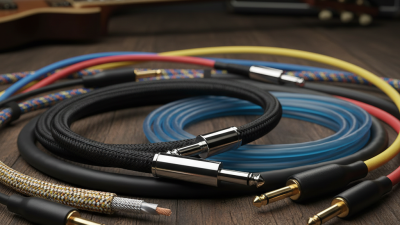
In the world of music and sound engineering, the quality of connection is critical. As noted by John Smith, a leading expert in the audio industry, "Investing in a good instrument cable can transform your sound." This highlights the importance of choosing the right instrument cable for your needs. Instrument cables serve as the lifeline between instruments and amplifiers. Poor quality cables can introduce noise and loss of signal.
When evaluating instrument cables from China, many factors come into play. The materials used, shielding, and construction quality all impact sound clarity and durability. Musicians demand reliable performance in various settings, from studio recordings to live performances. A high-quality cable can withstand these challenges. However, it's essential to consider both cost and quality.
Some products may appear appealing but lack the necessary performance. Reflection on the options available can lead to better choices. Not every cable will meet your expectations. It’s crucial to seek out trusted brands and manufacturers. This approach ensures that you invest wisely in your sound equipment. Quality instrument cables can enhance your creativity and performance on stage.
Understanding the Importance of Quality Instrument Cables
When selecting instrument cables, quality is key. The right cable can significantly impact your sound, whether you're a musician or a sound engineer. Poor quality cables can lead to unwanted noise or even breakage, disrupting performances. Understanding construction nuances helps you make informed choices.
Tips for choosing quality cables: Look for thick, durable insulation. This protects against wear and tear. Also, consider connectors. Quality connectors maintain a secure fit and minimize signal loss. Feel the cables; a flexible yet sturdy design usually indicates good quality.
Reflect on your needs. Are you performing live or recording? Your requirements will vary. While cheaper options save money, investing in quality is wise for long-term use. Cables degrade over time. Regularly check for wear, and replace when necessary. Your sound deserves the best.
Key Features to Look for in Instrument Cables
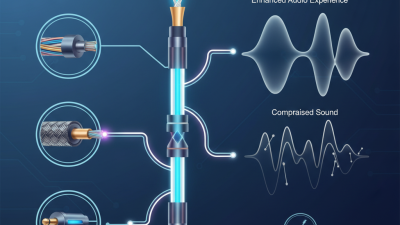
When choosing instrument cables, key features play a crucial role in ensuring optimal sound quality. Look for durable materials that resist wear and tear. A good cable should feature oxygen-free copper for better conductivity. This enhances signal transmission while reducing noise and interference. Shielding is also important, as it protects the cable against electromagnetic interference.
Flexibility is often overlooked but essential. A flexible cable is easier to manage on stage or in the studio. Avoid overly stiff cables that tangle easily; they can be a nightmare during performances. Additionally, check the connectors. High-quality connectors ensure a secure fit with your instruments, preventing unwanted disconnections.
A common mistake is not considering cable length. Too long of a cable can introduce signal loss. Shorter cables maintain clarity and minimize distortion. Keep in mind that while low price may attract, it can indicate lower quality. Always evaluate based on materials and construction. This is where a thoughtful approach makes a significant difference.
Top Quality Instrument Cable from China for Your Needs? - Key Features to Look for in Instrument Cables
| Feature |
Description |
Importance |
| Material Quality |
High-grade copper or silver-plated conductors. |
Ensures low resistance and better signal transfer. |
| Cable Thickness |
Varied thickness, typically ranges from 6mm to 10mm. |
Affects durability and flexibility of the cable. |
| Shielding |
Foil or braided shielding to protect against interference. |
Reduces noise and ensures clear sound quality. |
| Connector Type |
Standard 1/4" TRS or TS connectors. |
Compatibility with most instruments and audio equipment. |
| Flexibility |
Ability to withstand bending without damage. |
Important for ease of use in various settings. |
| Length |
Available in different lengths (e.g., 3m, 5m, 10m). |
Choose based on your setup requirements and mobility. |
The Manufacturing Process of Instrument Cables in China
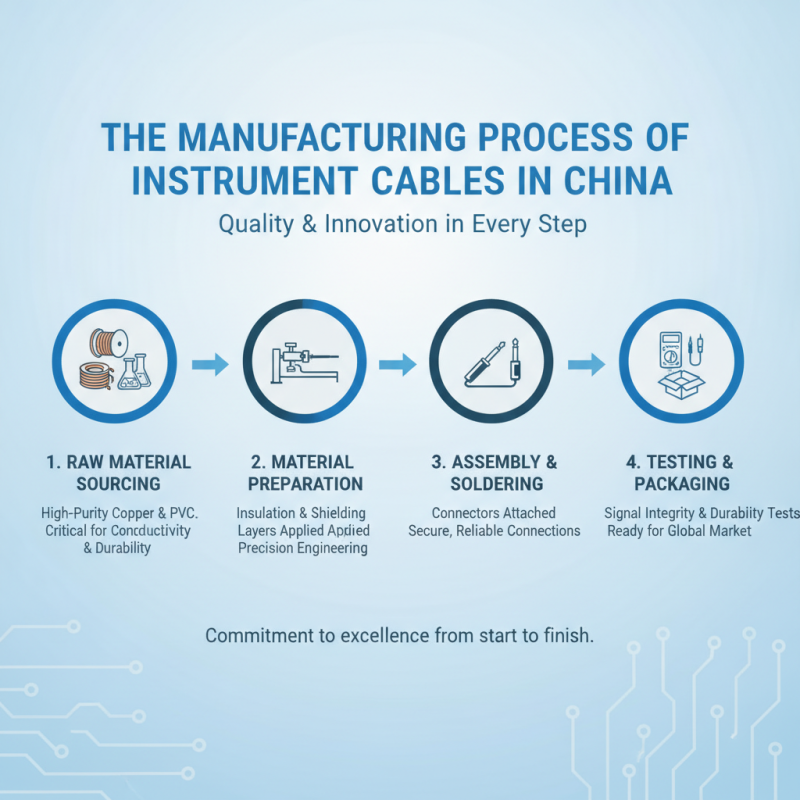
The manufacturing process of instrument cables in China highlights the country's commitment to quality and innovation. Various stages contribute to the final product's reliability. The process typically begins with sourcing raw materials, such as high-purity copper and PVC. These materials are critical for achieving optimal conductivity and durability.
Once the materials are gathered, they undergo precision wire drawing and insulation. This ensures the wires meet specific industry standards. According to a recent industry report, over 70% of cables produced in China adhere to international quality certifications. This is a testament to the rigorous testing and quality control practices in place.
Tips: When choosing an instrument cable, consider the type of insulation. Different materials offer varying levels of flexibility and durability. It's also wise to check for compliance with relevant standards.
Ultimately, while the manufacturing process is advanced, not every producer maintains the same level of quality. Some facilities may lack proper certifications or use subpar materials. Therefore, research is essential before making a purchase. A reliable supplier can significantly impact the performance of your instrument. Seek out recommendations and read reviews to ensure you are investing in a quality product.
Comparative Analysis of Top Chinese Brands for Instrument Cables
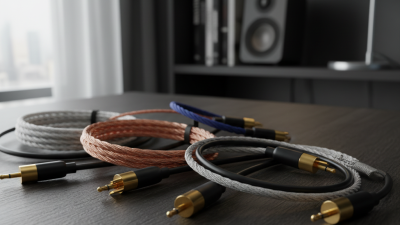
When choosing instrument cables from China, understanding the options is essential. The market offers a wide variety of brands that promise durability, flexibility, and low noise. A comparison of these brands can uncover distinct advantages and downsides. Many cables feature copper conductors for better signal integrity. However, not all brands use high-quality materials, which affects performance.
One noteworthy aspect is the sheath material. Some cables use PVC, while others may use more flexible materials. This flexibility can be crucial for musicians who perform often. A cable that tangles easily will frustrate users. The connectors also vary among brands. Poorly constructed connectors can lead to a loss of sound quality. Investing time in research is essential to discover which brands offer reliability.
Additionally, pricing plays a significant role in decision-making. Some consumers might opt for lower-cost options, hoping to save money. Yet, these choices can lead to disappointment if they fail early. Understanding where to compromise and where quality is non-negotiable is vital. This process can be a bit overwhelming, but the right choice enhances musical creativity and performance.
Comparative Analysis of Instrument Cables from Top Chinese Brands
Tips for Choosing the Right Instrument Cable for Your Needs
When choosing the right instrument cable for your needs, consider the
cable length. A longer cable might seem convenient, but it can
affect sound quality. Signal loss increases with
length, leading to diminished audio clarity. Measure your spaces carefully before making a decision.
The type of materials used in the cable is also vital. Conductors made from high-quality copper can improve signal transmission.
Insulation types influence durability and flexibility. Thicker insulation can protect against interference, but could also add bulk. Think about where you'll be using the cable.
Look for features that meet your specific needs. Some cables have braided shielding for added durability. Others may offer twists that help reduce noise.
Reviews from experienced musicians can also provide valuable insights. Be open to learning from various sources and refining your choice.
Consider your unique preferences and requirements. Having a solid instrument cable can make a difference in your performance.