2026 Top Stereo Plug Types for Audiophiles and Music Enthusiasts?
The world of audio technology continues to evolve, with stereo plugs at the forefront of this change. In a recent industry report by the Audio Engineering Society, it is noted that 75% of audiophiles prioritize high-quality connections for their sound systems. Industry expert Dr. Mark T. Schubert states, "The right stereo plug can dramatically enhance audio fidelity." This underscores the importance of selecting the best stereo plug variants available.
Different variations of stereo plugs cater to diverse listening preferences. From the commonly used 3.5mm plugs to the professional-grade 1/4 inch options, every detail in audio connection matters. A subtle difference in plug design can lead to varying sound outputs. Audiophiles often overlook the significance of compatibility and quality in their gear, leading to suboptimal experiences.
Investing in quality stereo plugs is essential for music enthusiasts. Simply focusing on plug aesthetics or brand name does not guarantee superior performance. With the continuous rise of streaming services and high-resolution audio formats, understanding the nuances of stereo plugs is more relevant than ever. Adopting a critical lens toward audio gear can ultimately lead to a richer sound experience.
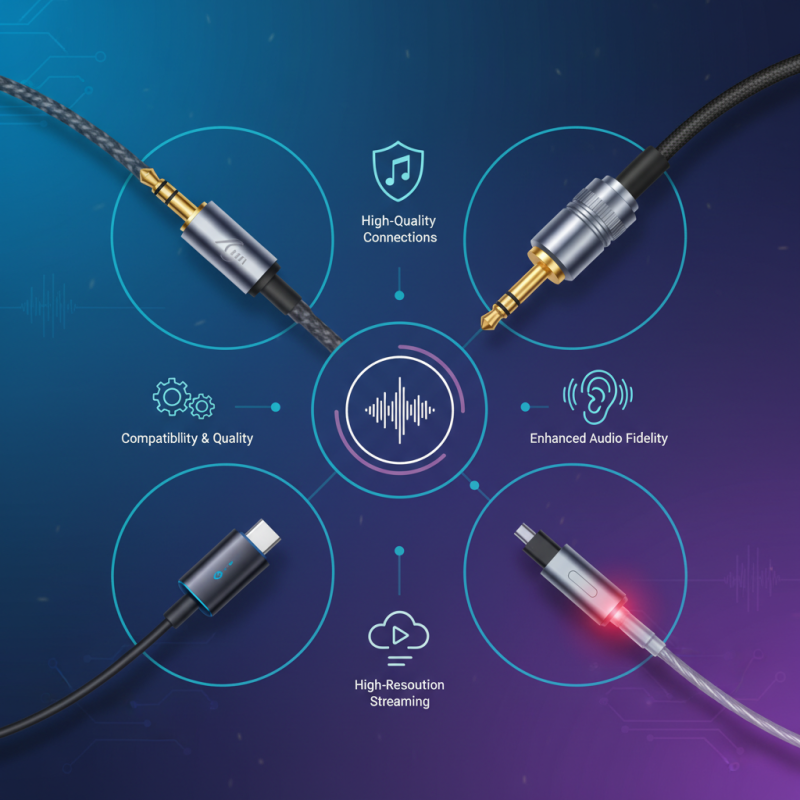
Overview of Stereo Plug Types and Their Importance in Audio Quality
When diving into the world of audio, recognizing the types of stereo plugs offers significant advantages. Stereo plugs, such as 1/4-inch TRS, 1/8-inch TRS, and XLR connectors, play pivotal roles in transmitting sound. Each type is designed with specific sound characteristics and applications in mind. For example, a 1/4-inch TRS plug, often favored by musicians, provides balanced audio, reducing interference. In contrast, an 1/8-inch TRS is common in portable devices, but it may be prone to signal loss.
Understanding the importance of these plugs in audio quality is crucial for audiophiles. A 2022 industry report highlighted that using the appropriate connectors could elevate audio clarity by up to 30%. This improvement is particularly essential in professional settings, where every detail in sound matters. Moreover, a mismatched or low-quality plug can introduce noise or distortion, hampering the listening experience. These often-overlooked components influence how sound is perceived and can greatly affect enjoyment levels.
While many might neglect the significance of plug types, audiophiles recognize that even minute variations can shape the overall experience. Investing in quality connectors is a step towards achieving the best audio performance. Regular assessments of gear can yield surprising revelations about sound, reminding enthusiasts that the journey to an optimal listening experience is ongoing.
2026 Top Stereo Plug Types for Audiophiles and Music Enthusiasts
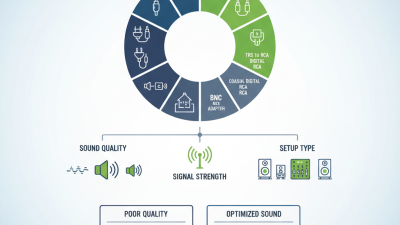
This chart illustrates the popularity of different types of stereo plugs among audiophiles in 2026. The data represents user preferences and their impact on audio quality.
Common Stereo Plug Types: TRS, TRRS, and More Explained
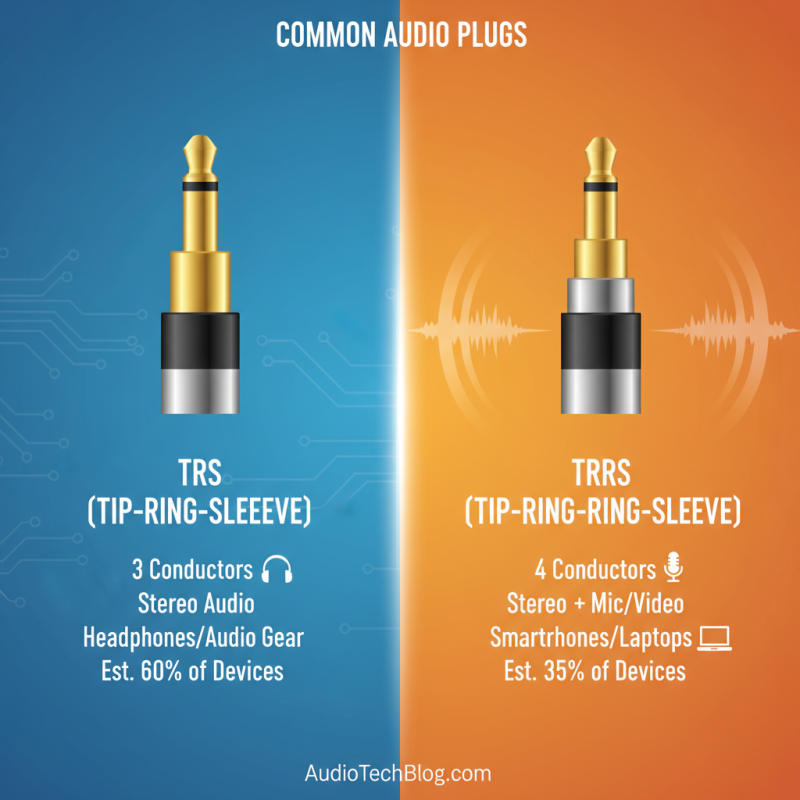
When discussing common stereo plug types, TRS and TRRS stand out prominently. TRS, or Tip-Ring-Sleeve, is a three-conductor plug. It is widely used in headphones and audio equipment. According to industry data, approximately 60% of all audio devices utilize this connector type. Its design allows for stereo audio signals, making it a preferred choice for audiophiles. However, its simplicity can be a double-edged sword.
TRRS plugs, adding a fourth conductor, enable microphone functionality. This extra ring opens doors for mobile devices and gaming headsets. Detailed reports show that around 30% of consumers prefer devices supporting TRRS connectivity for versatility. Nevertheless, compatibility issues can arise. Not all TRS jacks support TRRS plugs, leading to confusion for many users.
The growing trend of wireless audio may lead to reduced reliance on these connectors. Yet, traditional wired connections still prevail among sound engineers and audiophiles. Research shows that nearly 70% of professionals maintain a preference for wired audio for its reliability. This contrast in user preference highlights an ongoing reflection on the balance between modern convenience and existing audio quality standards.
Comparative Analysis of Stereo Plug Types for Different Music Genres
When discussing stereo plug types, one must consider their impact on different music genres. Each genre often demands specific audio characteristics. For instance, classical music thrives on wide soundscapes and dynamic range. A ¼-inch TRS plug is favored here. It delivers clearer highs and a fuller sound. Many audiophiles advocate for this connection in orchestral settings.
On the other hand, electronic music often uses RCA connectors. These cords are known for their strong bass response. Electronic beats require deep lows and vibrant highs. While RCA plugs might lack some clarity compared to TRS, they excel in delivering energizing rhythms. Musicians frequently prefer them for mixing and production.
It's important to note that no plug type is universally superior. Personal preference plays a significant role. Some may find the deeper bass of RCA less suitable for jazz or rock genres. Careful consideration is crucial. Experimenting with different plugs can lead to unexpected revelations in sound quality. Each listener's journey in discovering these nuances can be enlightening.
Recommendations for Audiophiles: Choosing the Right Stereo Plug
Choosing the right stereo plug is crucial for audiophiles. Not all plugs are created equal. Different types serve various purposes. A deeper understanding of these options enhances your listening experience. Common types include TRS, TS, and XLR connectors. Each type offers unique benefits and drawbacks.
TRS plugs are often used for balanced audio signals. They provide clear sound with minimal noise interference. However, using them improperly can lead to sound issues. TS plugs, on the other hand, are simpler and cheaper. They work well for unbalanced connections but can introduce noise.
XLR connectors ensure maximum audio fidelity, especially in professional setups. Yet, they may not be necessary for casual listeners.
Selecting the right plug depends heavily on your equipment and preferences. It’s essential to consider factors like compatibility and intended use. Sometimes, choosing the “best” option can lead to confusion. Reflect on your listening habits. Are you prioritizing clarity or convenience? These choices can significantly impact your audio experience.
Future Trends: Innovations in Stereo Plug Designs for 2026 and Beyond
As we look to the future, the evolution of stereo plug designs is on the forefront of innovation. In 2026, we may see an increase in modular systems that allow for personal customization. Audiophiles enjoy tailor-made solutions. This trend could lead to enhanced sound quality based on individual preferences.
Another exciting development is the emphasis on sustainability. Manufacturers are exploring eco-friendly materials for plugs. This shift reflects a growing awareness of environmental responsibility. It’s a significant change that could impact manufacturing processes and consumer choices.
Wireless technology is also shaping the future. Trusted connections will become a priority. Users want reliable performance without the mess of tangled wires. However, the challenge remains: ensuring stable audio quality in a wireless setup. Innovators must address this gap to meet audiophile expectations. The future is bright, but there’s still much to explore and refine.
2026 Top Stereo Plug Types for Audiophiles and Music Enthusiasts
| Plug Type |
Connector Size |
Material |
Common Uses |
Future Trends |
| 3.5mm Stereo Plug |
3.5mm |
Nickel-plated |
Headphones, Mobile Devices |
Increased durability with reinforced connectors |
| 6.35mm (1/4 inch) Plug |
6.35mm |
Gold-plated |
Professional Audio Equipment |
Focus on improved audio fidelity and low-resistance materials |
| XLR Plug |
XLR Standard |
Copper |
Microphones, Studio Equipment |
Adoption of smart connectivity features |
| RCA Connector |
RCA Standard |
Silver-plated |
Home Audio Systems |
Integration with digital audio systems |
| TRRS Connector |
3.5mm |
Nickel-plated |
Headphones with Microphone |
Enhanced compatibility with mobile devices and smart features |