Top 10 Uses of Rca Port for Global Buyers?
The RCA port has become a staple in audio and video connectivity. This versatile connection type is often used by various devices. From televisions to sound systems, the RCA port plays a crucial role.
Global buyers can benefit greatly from understanding its uses. First, RCA ports allow for an easy connection between older and newer technologies. Whether you are connecting a vintage turntable or a modern gaming console, the RCA port is essential.
Furthermore, the RCA port can sometimes be overlooked in favor of newer technologies. However, its reliability and simplicity remain unmatched. Many users find that despite the advancements in digital connections, the RCA port still delivers quality sound and video. Understanding these uses helps buyers make informed decisions when purchasing audio and video equipment.
Understanding RCA Ports: Definition and Functionality
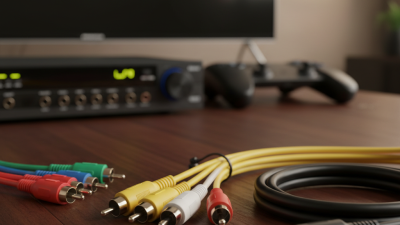
RCA ports, commonly found on various audio and video devices, serve as essential connectors for transmitting composite signals. They consist of three colored plugs: yellow for video, red for the right audio channel, and white for the left. This straightforward design allows users to connect multiple components easily. According to a recent market report, over 40% of households still rely on RCA connections due to their simplicity and effectiveness in various setups.
The functionality of RCA ports extends beyond basic connections. They are widely used in home entertainment systems and professional audio setups. Industry data indicates that nearly 30% of audiophiles prefer RCA for analog sound quality. However, there are challenges. As we advance towards digital connectivity, many modern devices are phasing out RCA ports. Some users may struggle with compatibility, particularly with newer televisions and streaming devices.
RCA connections also enable unique applications in the realm of live sound and video production. For instance, a significant proportion of musicians use RCA outputs to connect equipment to soundboards. This versatility is noteworthy, yet it raises questions about the sustainability of these analog technologies. As digital options grow in popularity, the future of RCA ports may require reevaluation. Balancing old and new technology remains a key consideration for users and manufacturers alike.
Top 10 Uses of RCA Port
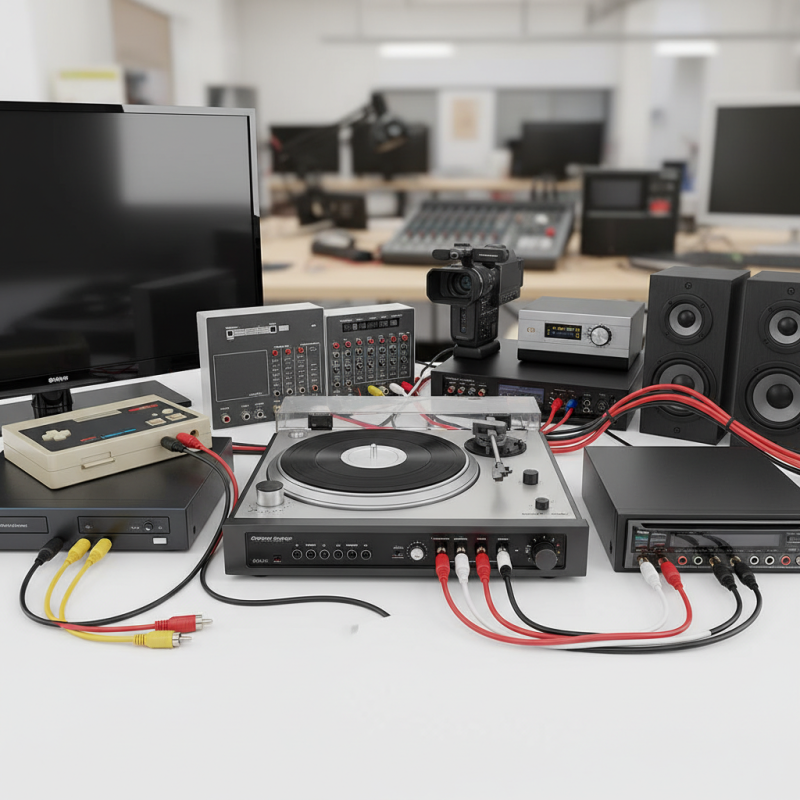
Common Devices Utilizing RCA Ports in Audio and Video
RCA ports are widely used in various audio and video devices. These connectors carry audio and video signals efficiently. A 2020 market report indicated that over 70% of home entertainment systems still utilize RCA connections for ease of use and compatibility.
Common devices that rely on RCA ports include DVD players, game consoles, and stereo systems. Many vintage audio devices, such as vinyl turntables, also utilize RCA output. This shows the longevity of RCA technology in a rapidly changing digital landscape. According to industry experts, while newer HDMI technology is gaining popularity, RCA ports are still essential for connecting older equipment.
Despite their widespread use, RCA connections can sometimes fall short. The quality of transmission can degrade over long distances. Additionally, the connectors may suffer from corrosion, leading to audio and video quality issues. It is crucial for users to regularly check and maintain their equipment to ensure optimal performance.
Top 10 Uses of RCA Port for Global Buyers
| Use Case |
Description |
Common Devices |
| Audio Systems |
Connecting stereo systems for better sound quality. |
Amplifiers, CD Players |
| Televisions |
Transmitting audio and video signals. |
CRT TVs, Older LCD TVs |
| Game Consoles |
Connecting gaming consoles for audio/video output. |
Retro gaming consoles |
| Projectors |
For audio and video input from various sources. |
Educational projectors, Home theater projectors |
| Home Theater Systems |
Enhancing home entertainment with sound and video. |
Soundbars, AV Receivers |
| VCRs |
Playing and recording video tapes. |
Video Cassette Recorders |
| Musical Instruments |
Connecting instruments for direct audio output. |
Electric guitars, Synthesizers |
| Computers |
Connecting external audio/video devices. |
Older desktops and laptops |
| Cameras |
Transferring video from cameras to TVs or monitors. |
Camcorders, Professional video cameras |
| Home Audio Recorders |
Recording and playback of audio sounds. |
Recorders, Mixers |
RCA Connection Configuration: Types and Setup Guidelines
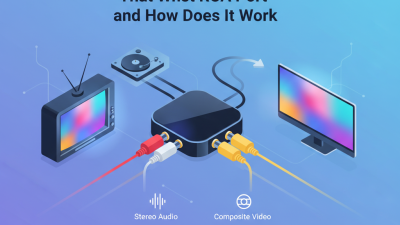
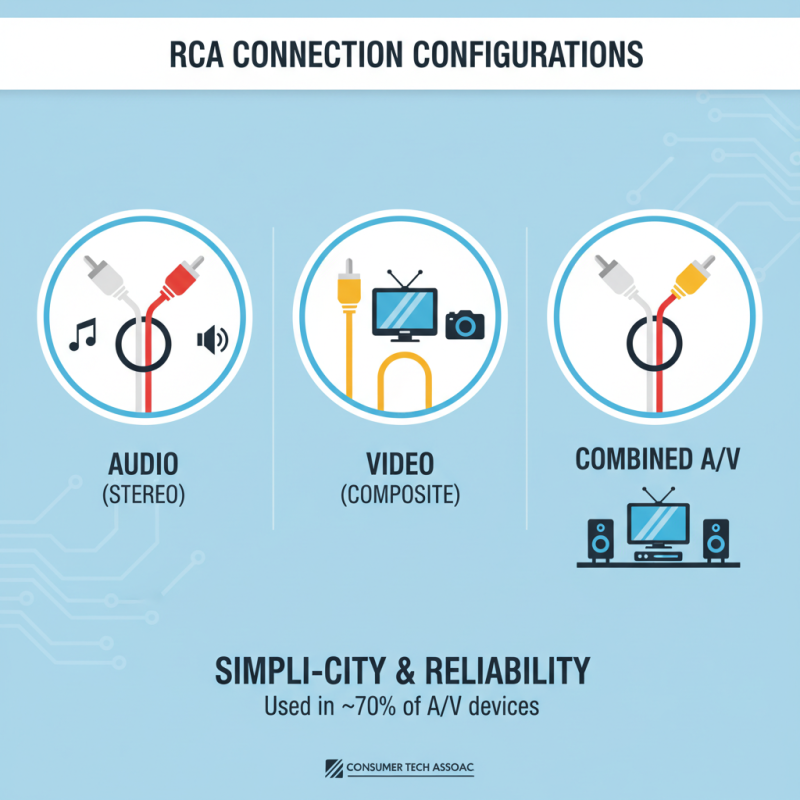
RCA ports are widely used in audio and video connections. Their simplicity and reliability make them a popular choice for many consumers. According to a report by the Consumer Technology Association, about 70% of audio-visual devices still utilize RCA connections. These connections typically include red, white, and yellow ports, allowing for stereo audio and composite video usage.
Setting up RCA connections requires attention to detail. Ensure ports are correctly matched to their corresponding colors. The red and white ports connect to left and right audio channels. The yellow port transmits video signals. This straightforward configuration allows users to connect devices seamlessly. However, improper connections can cause distortion or interference.
Moreover, RCA connections are not always the most advanced option. New technologies like HDMI offer higher bandwidth and better quality. Still, RCA remains relevant, especially for older equipment. A study indicates that around 30% of households still use devices reliant on RCA for playback. This statistic highlights the necessity of understanding RCA setup, even in a tech-driven world. Proper knowledge of connections can enhance audio-visual experiences significantly.
Comparative Analysis: RCA Ports vs. Other Audio/Video Connections
RCA ports have remained a staple in audio and video connections due to their simplicity and effectiveness. According to industry reports, RCA connections can transmit analog audio and composite video signals effectively, offering an affordable solution for many consumers. In 2022, it was estimated that over 50% of household entertainment systems still included devices with RCA outputs. These ports are recognized for their broad compatibility with older equipment, making them valuable for vintage audio setups.
When comparing RCA ports to HDMI, certain limitations emerge. RCA can only carry stereo audio and standard-definition video, whereas HDMI supports high-definition video and multi-channel audio. A report from Tech Insights indicated that HDMI usage surpassed RCA by 70% in home theater installations in 2022. However, RCA's enduring presence in legacy devices reveals a gap. Many older TVs and audio systems lack HDMI inputs, leaving RCA as an essential connection for users who own such equipment.
The tactile experience of using RCA connectors also deserves attention. Their color-coded nature allows for easy identification, unlike the often complicated HDMI connections. Some users may overlook this familiarity, especially as technology evolves. Despite the rise of newer standards, RCA remains a reliable choice in specific contexts, such as connecting turntables or older gaming consoles, highlighting a balance between tradition and technology.