Essential Tips for Choosing the Right Rca Plug for Your Needs?
When selecting an RCA plug, understanding the nuances is key. Richard Adams, an audio technician with over 15 years of experience, once stated, "Choosing the right RCA plug can elevate your audio experience significantly." This highlights the importance of this seemingly simple component.
RCA plugs come in various types and qualities. The right choice depends on your specific needs, such as audio clarity and connection strength. Many users overlook these factors, thinking all RCA plugs are the same. However, the materials and design can greatly impact sound quality.
It's essential to consider compatibility with your devices. Not all RCA plugs fit every equipment type seamlessly. Misjudging this can lead to frustrating issues during setup. Being informed about your options is crucial. Reflect on your requirements carefully to ensure you select the best RCA plug for your needs.
Understanding the Basics of RCA Plugs and Their Uses
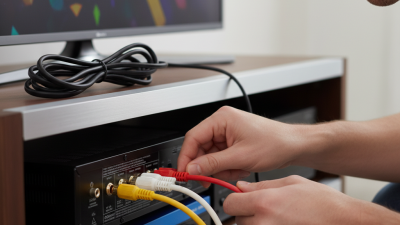
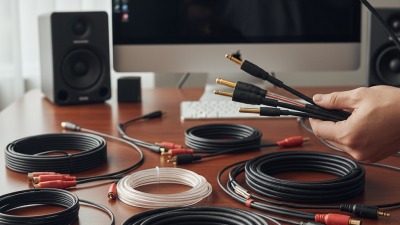
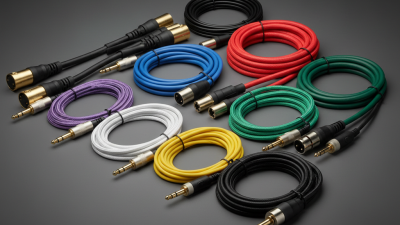
RCA plugs are essential components for audio and video connections. They come in varying colors: red for right audio, white for left audio, and yellow for video. Understanding these basics is crucial when setting up your home entertainment system. The right choice can enhance your overall experience. Yet, selecting a plug isn't always straightforward.
Compatibility is a key factor. Not every RCA plug fits all devices. It's important to check the specifications of your equipment. Often, users encounter mismatches, leading to frustration. Also, the quality of RCA cables varies. Higher quality usually means better sound and picture. However, this isn't always clear from packaging.
Consider the length of the cable, too. Longer cables can lead to signal loss, and that affects quality. Keep your setup tidy to prevent tangling and damage. Reflect on your unique needs. The right RCA plug not only connects devices but shapes your experience. Would a different plug improve your setup? Evaluate your options carefully.
Identifying Different Types of RCA Plugs Available on the Market
When it comes to RCA plugs, understanding the types available is crucial. RCA plugs primarily come in three varieties: composite, component, and audio. Composite connectors allow for video transmission in standard definition. They have a yellow connector for video and red and white for audio. Component plugs provide superior quality by separating video into three signals: red, green, and blue. This type is ideal for systems that demand higher definition. Finally, audio RCA plugs typically come in left and right channels, using red and white connectors.
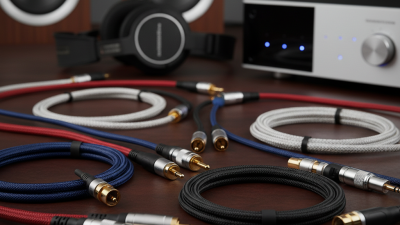
Choosing the right RCA plug depends on your needs. For basic setups, a composite plug is sufficient. However, for high-definition video, component plugs are better. If you want to enhance audio quality, opt for dedicated audio plugs. Look for plugs with gold plating for better conductivity. Ensure your cables are long enough to prevent strain on connections.
Do not overlook compatibility. Not all devices will support every type of RCA plug. Check your equipment before purchasing. Reflect on your setup and future needs. Will you upgrade equipment later? Make decisions based on both current and potential requirements. A little research can save time and frustration down the road.
Essential Tips for Choosing the Right RCA Plug for Your Needs
| Type of RCA Plug |
Color Coding |
Usage |
Length of Cable |
Price Range |
| Standard RCA |
Red (Audio), White/Black (Audio) |
Home audio systems, TVs |
1-25 feet |
$1 - $20 |
| Composite RCA |
Yellow (Video) |
Connecting video devices |
3-15 feet |
$1 - $15 |
| Component RCA |
Red, Green, Blue (Video) |
High-definition video |
5-30 feet |
$5 - $40 |
| RCA Splitter |
N/A |
Dividing signal output |
N/A |
$2 - $10 |
Assessing Compatibility with Your Existing Audio/Video Equipment
When selecting an RCA plug, compatibility with your audio and video equipment is crucial. Many consumers overlook this factor, leading to frustrating mismatches. According to a survey done by the Consumer Technology Association, nearly 40% of users experience issues due to incompatible accessories. This statistic highlights the importance of assessing your existing setup before making a purchase.
Start by examining the types of devices you possess. Are they vintage amplifiers or modern TVs? Different equipment often requires specific RCA configurations. For instance, composite signals differ from component signals. A component setup usually provides better clarity and color depth. However, many newcomers confuse these terms.
Consider the cable length as well. Too long, and you may encounter signal degradation. Too short, and you’ll struggle to connect devices comfortably. While a standard RCA cable can be ten feet long, look for options tailored to your space requirements. A report from the IEEE shows that nearly 25% of users reported finding the right length challenging after purchase. Ignoring these details often leads to a frustrating user experience, highlighting the need for careful planning.
Essential Tips for Choosing the Right RCA Plug for Your Needs
Evaluating Quality Factors in RCA Plugs for Optimal Performance
When evaluating RCA plugs, several quality factors affect their performance. A report by the Audio Engineering Society indicates that materials and construction quality directly influence sound transmission. High-purity copper conductors can enhance signal clarity, while connectors with gold plating reduce corrosion risks. These elements are crucial for maintaining audio fidelity, especially in high-end systems.
It's important to consider durability alongside performance. According to a study by Consumer Electronics Association, weak construction can lead to common issues like signal loss and failure. Many users overlook strain relief mechanisms, often resulting in damage over time. Exploring options with reinforced ends can prevent wear.
Testing different RCA plugs in your setup allows for personal observation of their performance. Not all plugs are created equal; sometimes, a less expensive option works better than a premium choice. Consumer feedback highlights that proper fit and secure connections matter, as these contribute to overall user satisfaction. Consider these factors carefully for optimal performance in your audio needs.
Tips for Proper Installation and Maintenance of RCA Connections
When installing RCA connections, proper handling is crucial for long-term performance. Studies have shown that a significant percentage of audio issues stem from poor RCA cable management. This can lead to signal degradation and unwanted noise. Always ensure that connectors are firmly plugged in, without undue stress on the cables. Maintaining a tidy setup minimizes interference from other electronic devices.
Regular maintenance of your RCA connections is equally important. Dust and dirt can accumulate over time, affecting audio quality. It is advisable to check connections periodically for any signs of wear or corrosion. According to a report from the Audio Engineering Society, maintaining clean contacts can improve signal quality by up to 15%. Disconnecting and reconnecting plugs can also help eliminate oxidation on contacts.
Choosing the right RCA plugs can influence installation ease and long-term reliability. Ensure compatibility with your equipment. While many opt for cheaper options, investing in higher-quality connectors can yield better results. However, not all expensive choices guarantee performance. Review industry reports and user feedback before making a decision. Proper care and informed choices lead to better audio experiences.