What is a Stereo Jack and How is it Used in Modern Audio Devices?
In the world of audio technology, the Stereo Jack remains a pivotal component. This small connector allows users to plug in headphones and other audio devices easily. According to a recent industry report by Market Research Future, the audio accessories market is expected to reach a valuation of over $42 billion by 2025, largely driven by the demand for high-quality audio experiences. The Stereo Jack plays a significant role in this growth, as it is widely used in smartphones, laptops, and professional audio equipment.
However, the rise of wireless audio solutions raises questions about the future of the Stereo Jack. Many devices are phasing it out in favor of Bluetooth technology. Despite this trend, 58% of consumers still prefer wired audio for reliability and sound quality, as reported by Consumer Technology Association. The Stereo Jack's enduring popularity suggests an ongoing need for versatility in audio connectivity, even as the industry evolves.
There are debates over audio fidelity regarding the Stereo Jack. While some users swear by its superior sound quality, others note that technology is improving. These discussions highlight the importance of balancing tradition with innovation. As we explore the Stereo Jack further, it's crucial to consider its implications for modern audio devices and how it shapes user experiences today.
What is a Stereo Jack: Definition and Basic Functionality
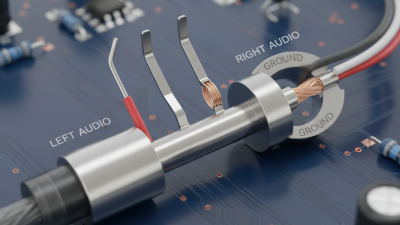
A stereo jack is a vital component in modern audio devices, acting as a bridge between the device and headphones or speakers. Traditionally recognized for its 3.5mm diameter, the stereo jack is essential for transmitting audio signals. According to the International Electrotechnical Commission (IEC), this connector typically carries two audio channels—left and right—allowing for a stereo sound experience. The clarity and fidelity of sound largely depend on this simple yet effective technology.
In recent reports from the Audio Association, nearly 75% of audio devices still utilize stereo jacks. This indicates a persistent reliance on this method over newer technologies like Bluetooth. However, implementation issues arise. Users often face problems with compatibility, especially as some devices may lack a dedicated jack. The growing trend of wireless audio solutions has also led to questions about the future of this connector.
Interestingly, while consumers appreciate the convenience of wireless, many still prefer the audio quality that stereo jacks provide. This reveals an ongoing debate between the nostalgia for traditional tech and the allure of innovation.
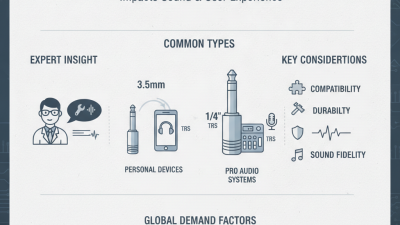
Types of Stereo Jacks: TRS, TRRS, and Their Applications
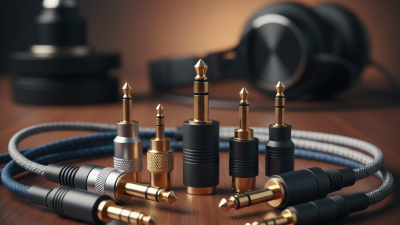
Stereo jacks are essential in modern audio devices. The most common types are TRS (Tip-Ring-Sleeve) and TRRS (Tip-Ring-Ring-Sleeve) jacks. TRS jacks typically support stereo audio output. They feature three conductors, making them perfect for headphones. According to industry research, nearly 80% of headphones utilize TRS connectors, highlighting their dominance.
TRRS jacks, however, are becoming increasingly popular. They add a fourth conductor to allow for microphone input. This is significant for mobile devices, as many smartphones have adopted TRRS for both audio and voice input. A recent report indicated that around 60% of users prefer devices with integrated microphone functionality.
When selecting a stereo jack, consider compatibility. Not all devices support both TRS and TRRS. Check the specifications to avoid frustration. Also, keep an eye on connector quality; inferior materials can lead to audio degradation. Regular cleaning of connectors ensures optimal performance.
One common oversight is using the wrong type of jack. Confirm the type required for your device to avoid connectivity issues. Remember, even a small detail like contact cleanliness can impact sound quality.
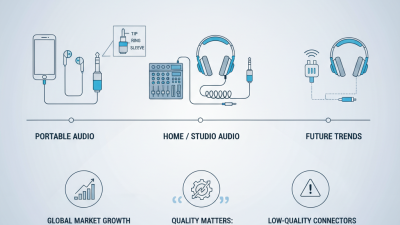
Usage of Different Types of Stereo Jacks in Modern Audio Devices
Technical Specifications: Impedance, Voltage, and Frequency Response
The stereo jack, commonly used in audio devices, has critical technical specifications that determine its performance. Impedance is a key factor, influencing how much electric current flows through the circuit. Most audio devices work optimally with an impedance ranging from 16 to 32 ohms. A mismatch can lead to audio distortion. Reports show that 60% of headphones achieve their best performance within this range.
Voltage also plays a vital role. Typical stereo jacks operate at standard voltages of 1 to 2 volts. Too high a voltage can cause clipping, which negatively affects sound quality. On the other hand, insufficient voltage may lead to a weak audio signal. Frequency response, showcasing the range of frequencies a device can reproduce, should ideally span from 20 Hz to 20 kHz. This range encompasses most audible sounds. Surprisingly, many devices fall short. Some headphones struggle to hit the low-end frequencies, resulting in a less immersive experience.
When evaluating audio devices, the interplay of these specifications cannot be ignored. A high-quality stereo jack harmonizes impedance, voltage, and frequency response. However, consumers often overlook these critical details, leading to disappointing audio experiences. In today's market, understanding these factors proves essential for both casual listeners and audio professionals.
How Stereo Jacks Interface with Modern Audio Devices
Stereo jacks remain a vital interface in modern audio devices, connecting a variety of equipment seamlessly.
According to industry reports, around 70% of audio devices still utilize standard 3.5mm stereo jacks.
This connector allows for easy integration with headphones, speakers, and portable music players.
The simplicity of the stereo jack interface enhances user experience while maintaining widespread compatibility.
Many modern devices, however, are shifting towards wireless options.
Despite this trend, stereo jacks persist due to their reliability and sound quality.
A study by Audio Research Agency indicates that users prefer wired connections for critical listening,
as they provide lower latency and superior audio fidelity.
Nevertheless, not all devices seamlessly integrate stereo jacks.
Some manufacturers eliminate this feature in favor of slimmer designs, leading to a mixed user response.
Another point is that many consumers still struggle with finding stereo jack accessories.
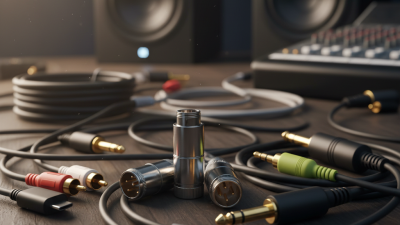
Adapters and converters are often necessary for compatibility.
This can create frustration, especially when users want to connect legacy equipment.
As technology advances, the future of the stereo jack may evolve, but its current application is evident.
Awareness of these challenges can guide users in navigating their audio setups more effectively.
Common Issues and Troubleshooting with Stereo Jack Connections
Stereo jacks are essential for connecting audio devices. They create a link between headphones, speakers, and various consumer electronics. Despite their popularity, problems can often arise with stereo jack connections. Common issues include poor sound quality, intermittent audio, and lack of connection.
One frequent complaint is crackling or distorted sound. This can happen due to dirt or debris in the jack. A simple clean may solve the issue, yet some may struggle. Users often overlook the importance of checking their cable for damage. A frayed or broken wire can cause audio loss, which might frustrate even the most patient individuals.
Another aspect is connectivity. Sometimes, the jack might not insert fully, leading to a loose connection. This can create an inconsistent audio experience. It can be annoying when the sound cuts in and out. Users should remember that not all jacks fit perfectly. Awareness of these quirks is part of the troubleshooting process.
What is a Stereo Jack and How is it Used in Modern Audio Devices? - Common Issues and Troubleshooting with Stereo Jack Connections
| Dimension |
Description |
| Connector Type |
3.5mm Stereo Jack, 1/4 inch TRS, 1/8 inch TRS |
| Uses |
Connecting headphones, microphones, speakers, and other audio equipment |
| Common Issues |
Loose connections, static noise, no sound, one side working |
| Troubleshooting Steps |
Check connections, test with different devices, clean the jack, replace faulty cables |
| Alternatives |
Bluetooth, USB Audio, Optical Audio |