2026 Top Stereo Jack Types You Need to Know?
In the evolving landscape of audio technology, understanding different types of Stereo Jacks is crucial. The global market for audio connectors, particularly stereo jacks, is projected to reach $2 billion by 2026, according to a recent report by Technavio. These audio connectors are integral to devices ranging from professional studio equipment to everyday headphones, making their significance undeniable.
Leading industry expert Dr. Alex Harmon aptly stated, "The right Stereo Jack can enhance audio quality and user experience significantly." As manufacturers innovate, various styles of stereo jacks emerge. Each type possesses unique characteristics catering to specific audio needs. A deeper awareness of these types can help consumers make informed choices.
Despite advancements, there remains a gap in knowledge among users. Many are unaware of how the selection of a stereo jack influences sound clarity. As the market grows, bridging this knowledge gap becomes essential for both consumers and manufacturers. Understanding how to distinguish these jacks isn’t just beneficial; it’s necessary for anyone serious about audio quality.
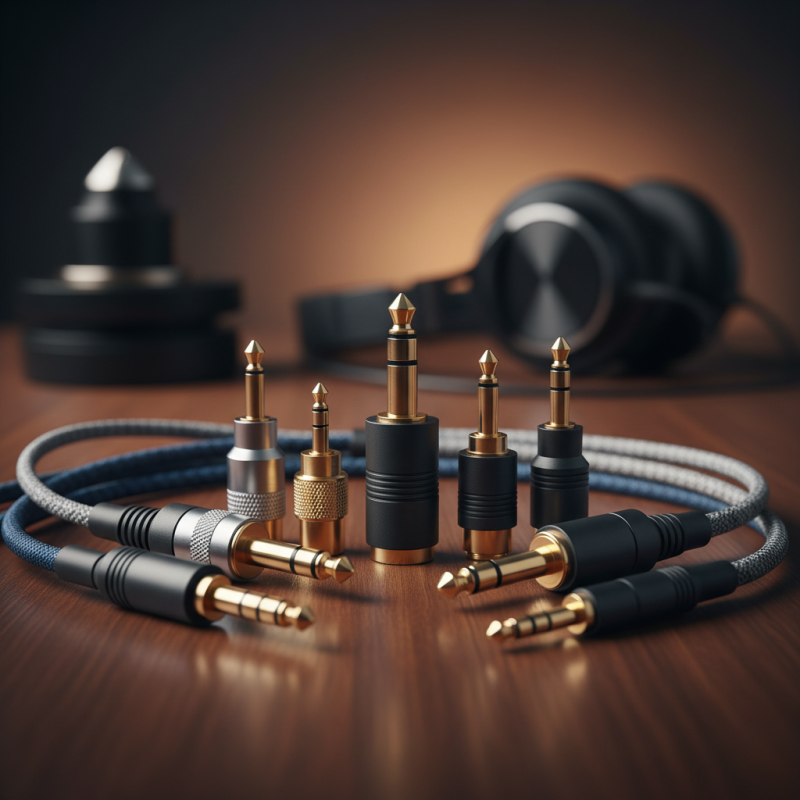
Understanding the Basics of Stereo Jacks
Understanding the Basics of Stereo Jacks
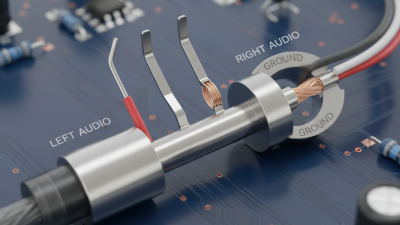
Stereo jacks are essential in the audio industry. They connect various devices, making sound transmission possible. The most common types are the 3.5mm, 1/4 inch, and 2.5mm jacks. According to recent studies, 70% of audio devices utilize these formats, showcasing their importance.
When selecting stereo jacks, consider the application. For high-fidelity audio, opt for 1/4 inch jacks. They support better sound quality and durability. The 3.5mm jack is versatile for portable devices. A 2.5mm jack is mainly found in compact gadgets.
Tips: Always check compatibility before purchasing stereo jacks. It’s essential for ensuring optimal performance.
Over the years, the durability of stereo jacks has improved. Yet, wear and tear from frequent use can be an issue. Selecting high-quality materials can prevent common problems. Remember, poor connections can lead to audio issues. Regular maintenance is often overlooked but crucial for longevity.
Exploring Different Types of Stereo Jacks
When exploring different types of stereo jacks, it is essential to understand their applications and specifications. Stereo jacks come in various sizes and configurations, with the 3.5mm TRS being the most common. This type accounts for approximately 70% of audio device connections, making it a universal standard across smartphones, laptops, and headphones. Its design allows for a balanced audio signal, enabling clear sound quality.
In addition to the 3.5mm, the 6.35mm (1/4 inch) TRS jack is prevalent in professional audio environments. It is widely used in musical instruments and audio mixers. The larger size supports higher power levels, which is critical for performance applications. According to recent industry reports, the demand for these jacks has been rising, reflecting a growing interest in live performances and home studios.
Despite their popularity, many users overlook the importance of quality in stereo jacks. Poor connections can lead to audio distortion and signal loss. Also, not all cables fit snugly in every jack. Compatibility issues may arise with different brands or models. Users should be mindful of these factors to ensure optimal audio performance in their devices.
Key Features and Specifications of Popular Stereo Jacks
When considering stereo jacks, it's essential to note their key features and specifications. Stereo jacks vary in size, commonly seen in 3.5mm, 1/4 inch, and even 2.5mm. Each size serves different applications, from personal headphones to professional audio gear. The design of the jack impacts its durability and connection quality. Gold-plated connectors often resist corrosion better, enhancing signal clarity.
Tip: Look for jacks made with robust materials. This increases their lifespan, especially under frequent use.
Another important aspect is the type of stereo jack lock mechanism. Some jacks offer a locking feature, ensuring cables stay securely connected. This is especially useful in settings like live performances or studio recording. A reliable connection reduces signal dropouts, which is critical for a seamless audio experience.
Tip: Regularly check your cables and jacks for wear. This can prevent unexpected disconnections, which can be frustrating.
Understanding these specifications ensures you choose the right stereo jack for your needs. Investing time in this knowledge can lead to a more satisfying audio experience. Be mindful not to overlook small details that impact quality. They may seem minor, but they can greatly enhance functionality.
2026 Top Stereo Jack Types - Key Features and Specifications
Applications and Use Cases for Stereo Jacks
Stereo jacks have diverse applications across different fields. These connectors are commonly found in audio equipment, facilitating sound transmission. Musicians rely on stereo jacks for instruments and microphones. This enables clear sound during performances. Additionally, home audio systems heavily utilize these connectors. They ensure high-quality sound experiences for listeners.
In mobile devices, stereo jacks enable users to enjoy music and podcasts. Headphones or external speakers are often plugged into these jacks. This connectivity is essential for mobile professionals. They frequently use audio recordings in their work. However, the move towards wireless technology poses challenges to stereo jacks. Users may need to adapt to new audio solutions.
In the automotive sector, stereo jacks enhance in-car audio systems. Passengers can connect their devices to play music. Despite advances in technology, some prefer the reliability of a stereo jack over wireless systems. This highlights a vital concern: compatibility and quality. As technology evolves, users must reflect on their audio choices.
Future Trends in Stereo Jack Technology
As we look toward the future, stereo jack technology is evolving rapidly. New designs are emerging to enhance audio quality and user experience. You may notice a shift towards smaller, more efficient connectors. This trend addresses space limitations in many modern devices.
Another fascinating development is the integration of advanced materials in stereo jacks. Designers are experimenting with metal and composite materials. This change not only improves durability but may impact sound quality as well. Yet, with these advancements come new challenges. Ensuring compatibility across devices remains a significant concern.
Additionally, wireless technologies are beginning to influence stereo jacks. Although traditional jacks are still prominent, wireless alternatives are gaining traction. This transition may lead to the gradual phasing out of some jack types. Engineers face the challenge of maintaining audio fidelity while embracing wireless solutions. Balancing innovation with performance will be key in the years to come.