Top 10 Speaker Plugs You Need to Know About?
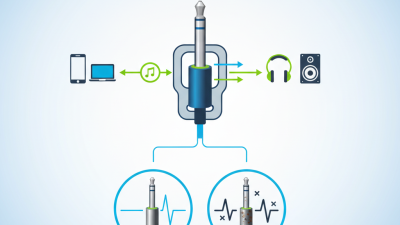
When it comes to audio equipment, understanding speaker plugs is essential. Renowned audio expert Johnathan Kepler once stated, "The right speaker plug can make or break your sound quality." This highlights the significance of choosing the correct plugs for your audio system. Speaker plugs connect your speakers to amplifiers, and the quality of these connections affects sound clarity and performance.
Modern audio setups require more than just basic knowledge. The variety of speaker plugs is vast, from banana plugs to XLR connectors. Each type has its own strengths and weaknesses. For instance, banana plugs are popular for their ease of use, while XLR connectors are favored in professional settings. It's crucial to consider compatibility and performance when selecting speaker plugs for your system.
Selecting the right speaker plugs is not just about function; it’s also about optimizing your overall listening experience. Some users might overlook these details, leading to subpar sound quality. Painful reflections on poor audio setups can prompt us to educate ourselves better. A little research on speaker plugs can lead to improved audio satisfaction, making it well worth the effort.
Overview of Speaker Plugs: Types and Functions
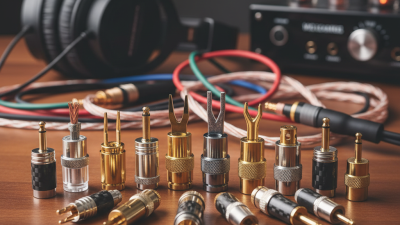
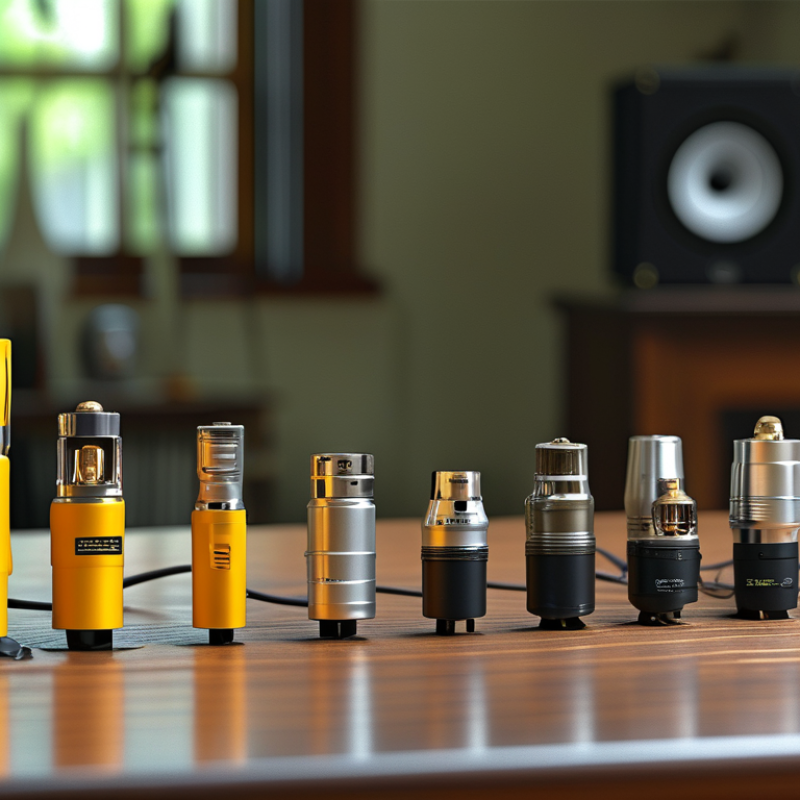
When it comes to audio equipment, speaker plugs play a crucial role. They connect speakers to amplifiers or audio sources. Understanding the different types of plugs is essential for optimal performance. Common types include banana plugs, spade lugs, and 1/4-inch jacks. Each type has its specific function and usage scenarios.
Banana plugs provide a secure connection. They are easy to use and allow for quick speaker changes. However, not all speakers accommodate them, which can be frustrating. Spade lugs offer a solid connection but require more installation effort. Many users find them reliable but tricky to attach correctly. Meanwhile, 1/4-inch jacks are versatile, commonly found in instruments and speakers alike. They can be prone to wear over time, leading to potential issues.
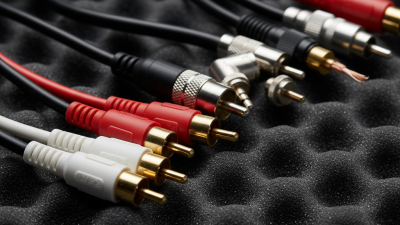
Numerous other plugs exist, such as RCA connectors and XLR connectors. Each serves unique purposes in audio setups. Users sometimes overlook the value of quality plugs, leading to subpar audio experiences. Understanding these connectors allows users to make informed choices. Fortunately, learning about these plugs helps ensure a more efficient audio experience.
Key Features to Consider When Choosing Speaker Plugs
Choosing the right speaker plugs is crucial for optimal sound quality. Quality plugs ensure better connection and minimize signal loss. It’s essential to consider compatibility first. Not all plugs fit all speaker types. Check the specifications before making a choice.
Material is another vital factor. Look for plugs made from high-quality materials. Gold-plated connectors resist corrosion and improve conductivity. Durability matters too. Plugs should endure frequent connections and disconnections without failing. Examine the build quality carefully.
The design of the plugs should support ease of use. Some have features for quick connections, while others may require tools. Reflect on how often you'll plug and unplug. Weight can also influence your decision; lightweight plugs may wear out faster. A balance of functionality and sturdiness is key to a long-lasting investment.
Top 10 Speaker Plugs: A Detailed Review
When selecting speaker plugs, it's essential to consider various types to suit your audio needs. The right plug can enhance sound quality and connectivity. Various options exist, ranging from standard connectors to more specialized types. Carefully examine the compatibility of each plug with your audio equipment. Understanding how each plug affects sound output is vital.
Some plugs may offer better durability than others. However, not all plugs ensure a perfect fit for your devices. Misalignment can lead to audio issues. Always verify the specifications before making a purchase. Choosing the right materials can also impact performance. Copper connectors, for example, often provide better conductivity.
While many options claim to deliver superior sound, user reviews vary widely. Some users rave about specific models, while others encounter challenges. It’s crucial to gather insights from multiple sources. Hands-on testing may reveal more about functionality. Real experiences often highlight strengths and weaknesses that specifications don’t.
Installation Tips for Optimal Performance of Speaker Plugs
When it comes to achieving optimal performance from your speaker plugs, proper installation is essential. A recent industry report highlights that up to 30% of audio issues stem from incorrect connections. This shows the importance of understanding how to install speaker plugs correctly.
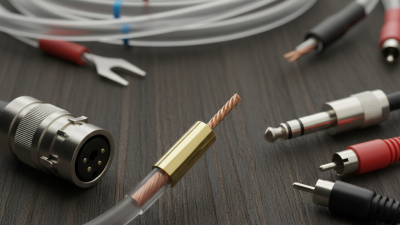
Begin by ensuring that all connections are secure. Loose connections can lead to sound distortion. It’s also advisable to strip the cable insulation properly. Cutting too much can expose excess copper, leading to short circuits. Aim for a clean and precise stripping of about half an inch.
Remember to check polarity when connecting your speaker plugs. A mishap here can result in phase cancellation, which negatively impacts sound quality. Testing speakers regularly can help identify installation errors. If your sound lacks clarity, reassess your wiring. Reflect on your techniques frequently, as even minor flaws may disrupt the listening experience. Seek feedback from audio professionals when unsure. They can provide insights that improve your setup.
Maintenance and Care for Longevity of Speaker Plugs
Proper maintenance of speaker plugs is essential for longevity and optimal sound quality. Dust and grime can accumulate in connections, leading to poor performance or intermittent sound. Regularly inspect your plugs for any signs of wear or damage. Clean them gently with a soft cloth. This simple action can prevent issues and maintain effective signal transmission.
Storing speaker plugs correctly is equally important. Avoid leaving them in damp environments. Moisture can cause corrosion, compromising audio quality. Instead, keep them in a dry, cool place. Additionally, when connecting or disconnecting plugs, do so gently. Applying excessive force can lead to damage and wear over time. Consider using cable management solutions to minimize strain on the plugs.
Even with care, plugs may require replacement after prolonged use. Watch for signs like crackling sounds or a loss of clarity. These may indicate it's time for a change. Regular checks and timely replacements can enhance your overall audio experience, ensuring you enjoy clear sound for years to come. Taking these steps can result in better performance and satisfaction.