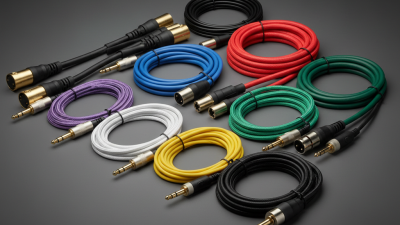
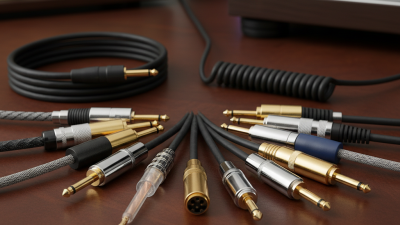
Top Instrument Cable Types for Musicians in 2026?
In 2026, the landscape of instrument cables is evolving rapidly. Musicians are increasingly aware of the significant impact these cables have on sound quality. According to a recent industry report by the Music Equipment Research Institute, nearly 75% of musicians reported that cable quality influenced their overall performance. This highlights the importance of choosing the right instrument cable.
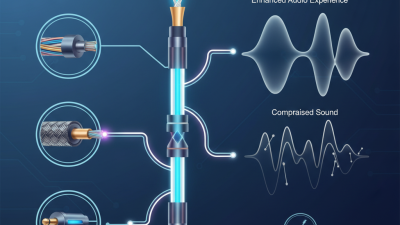
As technology advances, the demand for high-performance instrument cables grows. Copper is still the go-to material, but we are seeing innovations such as fiber optics. These advancements promise clearer sound and less signal loss. Recent surveys indicate that 82% of professionals prefer cables with durable materials to withstand wear and tear.
However, not all cables are created equal. Some budget options may lack the necessary shielding, leading to interference. This can muddy sound and frustrate musicians. Reflecting on this, discerning musicians must consider more than price; they should assess the overall value and reliability of their instrument cables. Choosing the right cable can make a noticeable difference, impacting both live performances and studio recordings.
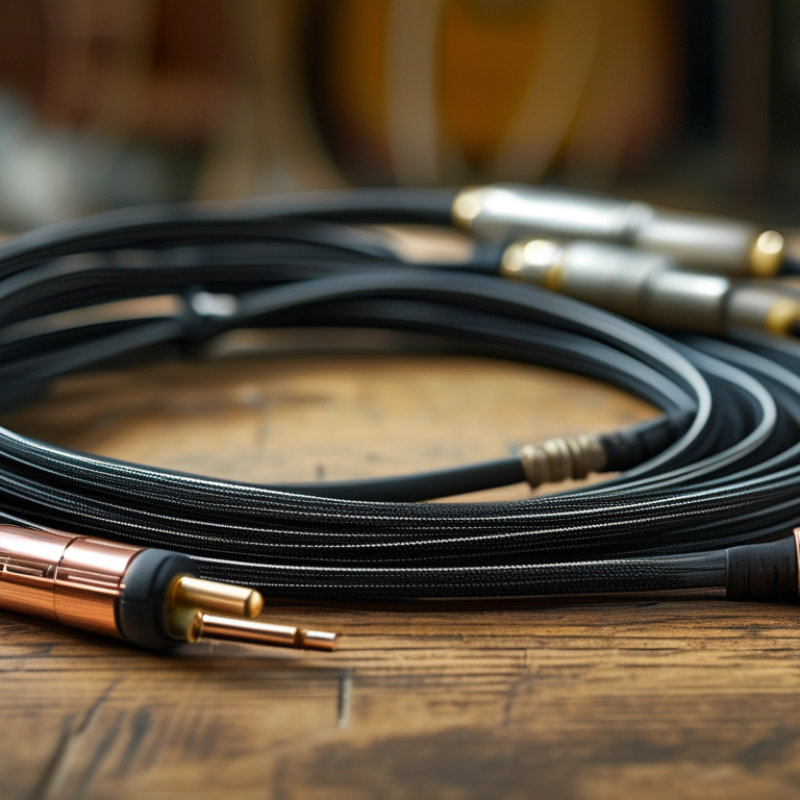
Types of Instrument Cables: Overview of Common Varieties for Musicians
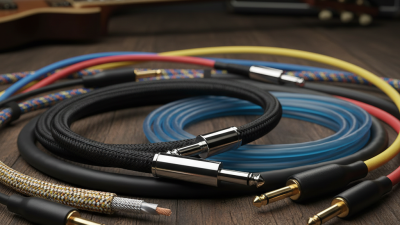
Musicians rely heavily on instrument cables to ensure the quality of sound during performances. The right cable can make all the difference. In 2026, various types of instrument cables offer specific advantages tailored to musicians' needs.
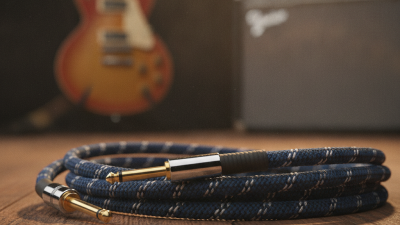
Common varieties include unbalanced cables, like TS cables, which are popular for electric guitars. They transmit sound effectively but may pick up interference.
Alternatively, balanced cables, such as XLR, are ideal for microphones and reduce noise, especially in live settings. Reports indicate that around 70% of musicians prefer using balanced cables for their ability to minimize sound degradation over long distances.
Another noteworthy option is the optical cable. These cables utilize light, offering high fidelity with minimal loss, particularly advantageous for digital instruments. While they may not be as common, their unique properties can benefit musicians with advanced setups. However, many still overlook these cables due to their cost and complexity. Understanding these different types helps musicians select the best fit for their instrument and environment.
Key Material Differences: Understanding Conductors and Insulation
When exploring instrument cables, understanding conductors and insulation is essential. Conductors are the heart of any cable. They transfer audio signals from instruments to amplifiers. The most common materials are copper and aluminum. Copper offers excellent conductivity and durability. Its performance in sound quality is often unmatched. Aluminum is lighter but can be less reliable over time. Some musicians may overlook these material differences, impacting their sound.
Insulation plays a crucial role in protecting conductors. It shields against interference and helps maintain signal clarity. Common insulation materials include PVC and rubber. PVC is flexible and resistant to wear, but it can be less effective at higher frequencies. Rubber, on the other hand, can provide better shielding against external noise. However, it might be bulkier and more prone to wear. Musicians sometimes ignore these characteristics, potentially degrading their sound quality in live performances.
Choosing the right cable involves careful consideration of conductors and insulation. Each material has its pros and cons. The goal is to find a balance between flexibility, durability, and sound quality. Experimenting with different cables can yield valuable insights. A musician’s journey with instrument cables often requires reflection and ongoing learning.
The Impact of Cable Length: Signal Loss and Performance Metrics
Length plays a crucial role in instrument cables. As cables increase in length, the possibility of signal loss also rises. Numerous studies show that a 20-foot cable can lead to a noticeable decline in sound quality. The difference is often due to resistance and capacitance, which impact the high frequencies.
At 30 feet, the loss can reach about 20% in some professional setups. This impedance mismatch can create a muddy sound, especially when using high-gain effects. Many musicians underestimate this aspect. The perceived quality of tone may suffer, resulting in performance issues.
Experts recommend keeping cable lengths manageable. Shorter cables ensure a cleaner signal, minimizing interference. Musicians can benefit from using cables under 15 feet for optimal clarity. Consider your setup carefully. Prioritize quality over length for an improved experience on stage or in the studio.
Top Instrument Cable Types for Musicians in 2026
| Cable Type |
Length (ft) |
Signal Loss (%) |
Performance Metric |
| Standard Instrument Cable |
10 |
5 |
Good |
| High-End Shielded Cable |
15 |
3 |
Excellent |
| Lower Quality Cable |
20 |
8 |
Fair |
| Premium Balanced Cable |
25 |
2 |
Outstanding |
| Coiled Cable |
30 |
10 |
Good |
Emerging Technologies: Advances in Instrument Cable Design for 2026
The world of instrument cables is evolving rapidly. In 2026, emerging technologies are set to redefine sound quality and durability. Advanced materials are being developed, allowing for more flexible, lightweight designs. These innovations promise to reduce interference while enhancing signal clarity. Musicians are excited about lower noise levels and improved audio fidelity.
Wireless technology is also making waves in instrument cables. New approaches integrate wireless transmission with traditional designs. This offers the freedom of movement without sacrificing sound quality. However, this shift requires musicians to adapt. It raises questions about reliability in live settings. Moreover, battery life becomes a critical factor to consider.
Another trend involves eco-friendly materials in cable production. Sustainable designs not only benefit the environment but also appeal to socially conscious musicians. Nonetheless, these materials sometimes compromise performance, leaving musicians pondering their choices. Ultimately, the balance between sustainability and quality will shape the future of instrument cables.
Top Instrument Cable Types for Musicians in 2026
Market Trends: Consumer Preferences and Sales Data in the Cable Industry
As we look forward to 2026, the cable industry is witnessing a shift influenced by consumer preferences. Industry reports reveal that over 70% of musicians prioritize durability in instrument cables. This trend stems from the demands of live performances and frequent transport. Musicians want cables that withstand wear and tear while maintaining signal integrity.
Sales data indicates a growing interest in eco-friendly materials. Approximately 30% of consumers are willing to pay more for sustainable options. This reflects a broader environmental consciousness among musicians. They seek products that are not only functional but also contribute to a healthier planet. However, the challenge remains: some eco-friendly cables struggle to compete with traditional options in terms of reliability.
Furthermore, the rise of online marketplaces has changed purchasing behavior. Musicians increasingly rely on peer reviews and detailed product specifications. Nearly 55% of buyers consult online resources before making decisions. This shift towards informed purchasing highlights the need for manufacturers to provide transparent information about their products. The market is evolving, and it's crucial for brands to adapt to these changing preferences to remain relevant in a saturated landscape.